Update your motherboard firmware to the latest UEFI version and enable UEFI/disable CSM for NVMe boot.
I’ve worked on many desktop and laptop builds and I’ll walk you through exactly how to update BIOS for NVMe SSD support. This guide explains why NVMe needs UEFI-level support, how to prepare, step-by-step update methods for common vendors, BIOS settings to change, how to test the drive, and how to recover if something goes wrong. Read on for clear, practical steps and real-world tips that save time and avoid mistakes.

Why NVMe needs BIOS support
NVMe is a fast protocol for PCIe SSDs. Older firmware may not include an NVMe driver or a UEFI boot path. Without firmware support you can use an NVMe SSD as a data drive, but not as a boot drive.
Motherboard firmware bridges hardware and OS. UEFI firmware can include an NVMe driver and register the drive for boot. Legacy BIOS or CSM-only systems lack that registration. Some boards add NVMe support via firmware updates. Checking and updating firmware is often required for NVMe booting.

Prepare before you update BIOS
Preparation cuts risk. Do these checks before you update BIOS for NVMe SSD support.
- Check current BIOS version in firmware or with vendor tools. Note it down.
- Identify exact motherboard model and BIOS file you need.
- Read the BIOS release notes. Look for NVMe, M.2, or UEFI boot fixes.
- Backup important files and create a full system image if the PC boots.
- Ensure stable power. Use a charged laptop battery or an uninterruptible power supply for desktops.
- Prepare a USB flash drive formatted FAT32 for the BIOS file or installer.
- If this is a laptop, plug in the AC adapter and disable sleep.

Step-by-step: how to update BIOS for NVMe SSD support
Follow these steps to update BIOS for NVMe SSD support. I list common methods and BIOS settings to change after the update.
- Download BIOS update
- Go to the motherboard or laptop support page.
- Download the exact BIOS file for your model and read the instructions.
- Create a BIOS USB
- Format a small USB drive as FAT32.
- Copy the BIOS file and any vendor flash tools to the USB root.
- Flash the BIOS
- Use the vendor flash utility in firmware such as EZ Flash, Q-Flash, M-Flash, or Instant Flash.
- Some vendors offer Windows flash utilities. They work, but using firmware flash is safer.
- Post-flash checks
- Clear CMOS if release notes recommend it.
- Load optimized defaults in BIOS after a major update.
- Enable NVMe boot support
- Switch to UEFI mode. Set Boot Mode to UEFI, not Legacy.
- Disable Compatibility Support Module (CSM) if present. This allows full UEFI NVMe handling.
- Set SATA mode to AHCI if the board supports mixed drives.
- Check boot priority. NVMe may appear as "Windows Boot Manager" or "NVMe" entry.
- Install or migrate OS
- If you plan to boot Windows from NVMe, use a UEFI Windows installer and GPT partitioning.
- For existing installs you may need to convert MBR to GPT or reinstall Windows in UEFI mode.
Examples of vendor steps
- ASUS: Place BIOS on FAT32 USB. Use EZ Flash in UEFI and select the file.
- Gigabyte: Use Q-Flash from BIOS menu or Q-Flash Plus on some boards.
- MSI: Use M-Flash from the BIOS utility.
- Lenovo/HP/Dell laptops: Use vendor flashing tools or update from BIOS update menus.
Troubleshooting and testing after update
After you update BIOS for NVMe SSD support, validate the drive and fix common issues.
- Detecting the drive
- Enter BIOS. The NVMe drive should appear in SATA/NVMe sections or as a boot option.
- Boot problems
- If the system doesn’t boot, check that UEFI mode is enabled and that the boot entry points to the NVMe drive.
- Repairing Windows Boot
- Use a Windows installation USB. Run automatic repair or use bcdboot to recreate UEFI boot files.
- NVMe not recognized
- Reflash to the previous BIOS if necessary and confirm vendor confirmed NVMe support in release notes.
- Firmware updates for drive
- Update the SSD firmware using the SSD vendor’s tool while the drive is connected as a data disk if needed.
PAA-style quick Q&A
What if my NVMe drive shows but won’t boot?
- Check UEFI vs Legacy and confirm the NVMe shows as a UEFI boot option. Repair the boot files if needed.
Can I add NVMe support to a very old board?
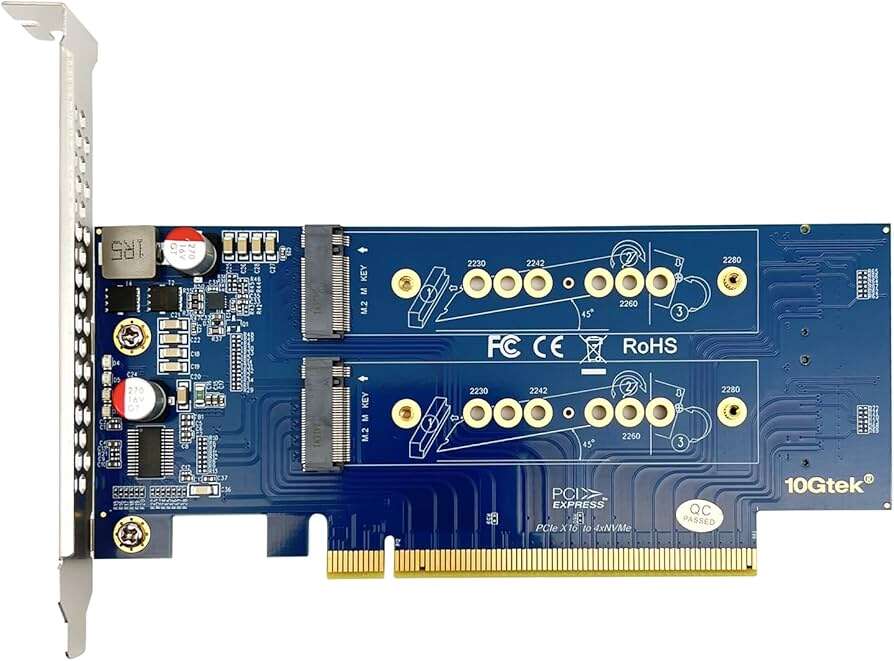
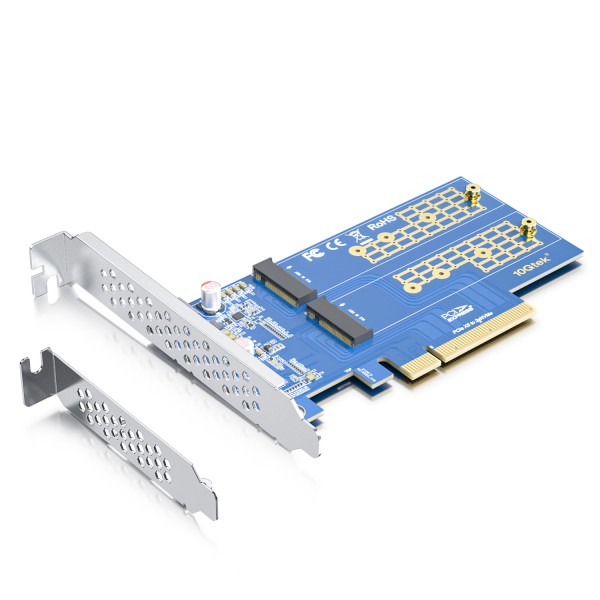
- Sometimes a BIOS update can add support. Other times the chipset or BIOS architecture prevents NVMe booting. An add-in card may allow data use but not boot.

Safety, risks, and limitations
Updating firmware carries risk. Know the limits and take precautions.
- Risk of bricking
- A failed update can render a board unbootable. Dual-BIOS boards reduce this risk.
- Compatibility limits
- Some older chipsets never get NVMe boot even with a patch. Check vendor statements.
- OS limitations
- Very old operating systems lack native NVMe drivers or UEFI boot support. Windows 7, for example, may need extra drivers.
- Vendor support
- Always use firmware from the official vendor and follow their exact steps.

Personal experience and practical tips
I once updated a test rig to add NVMe boot. I skipped reading the release notes and bricked the board mid-flash. I learned these tips the hard way.
- Always read release notes. They often list fixes and special steps.
- Use vendor tools in the firmware instead of Windows-only flashers when possible.
- Keep a second USB with the previous BIOS version. That made a rollback easier on one board.
- Test the NVMe as a secondary drive first before migrating the OS.
- If you feel unsure, ask vendor support or a local technician. It’s worth the small cost to avoid a bad flash.

Frequently Asked Questions of how to update bios for nvme ssd support
How do I know if my motherboard supports NVMe boot?
Check the manufacturer’s support page and the BIOS release notes. Look for NVMe, M.2, or UEFI boot entries in BIOS; those indicate support.
Can I update BIOS from Windows?
Some vendors provide Windows utilities to flash BIOS. Using the firmware flash tool from UEFI is usually safer and recommended.
Do I need to disable CSM to boot from NVMe?
Many modern boards require disabling CSM and using pure UEFI mode to boot NVMe drives. Check vendor guidance for exceptions.
Will updating BIOS erase my data?
A BIOS update does not usually erase data on drives. Still, backup critical data before flashing in case anything goes wrong.
What if the NVMe drive is not listed after updating BIOS?
Confirm UEFI is enabled and the drive is seated correctly. Try updating the SSD firmware or test the drive in another slot or system.
Conclusion
Updating BIOS for NVMe SSD support is a clear path to faster boot times and better system performance when done carefully. Start by checking vendor notes and current firmware, back up your data, and use the vendor’s flashing method. After updating, enable UEFI, disable CSM if needed, and validate the NVMe as a boot device. Take precautions, and you’ll often gain reliable NVMe boot capability without reinstalling hardware. Try these steps on a test system first, share your results below, or subscribe for more hands-on hardware guides.

Everett Ashford is a tech reviewer at mytechgrid.com specializing in SSDs, cameras, TVs, earbuds, headphones, and other consumer electronics. He provides honest, data-driven reviews based on hands-on testing and real-world performance analysis. Everett simplifies complex tech details to help readers make smart, confident buying decisions.