Quick answer: The Sony RX10 III is my top pick for the best bridge camera for birding—superb reach and reliability.
You’re standing at the marsh at first light. A warbler flits across a reed just out of reach. You need one tool that gives long reach, fast focus, and simple controls so you don’t miss the shot. Bridge cameras and smart birding gear solve that gap between a compact camera and a full DSLR plus big lens. They give long zoom, solid stabilization, and ease of use in one package so you can bag crisply framed bird photos without hauling a big kit.

Smart Metal Bird Feeder with…
Smart Bird Feeder for Optimal Birding: Equipped with advanced AI to identify 11,000+ bird species, this bird feeder camera immerses you in birdwatching. It captures every wing flutter and feather…

Sony DSC-RX10 III Cyber-shot Digital…
High zoom 24-600mm (25x) F2.4-4.0 ZEISS Vario-Sonnar T* lens, 20.1 MP 1″ Exmor RS stacked back illuminated CMOS sensor w/ DRAM, 4K movie recording w/ direct pixel readout and no…

Canon PowerShot SX50 HS 12.1…
World’s first 50x Optical Zoom 24mm Wide-Angle Image Stabilized Lens 12.1 MP High-Sensitivity CMOS sensor with DIGIC 5 Image Processor 1080p Full HD Video With a Dedicated Movie Button High-speed…
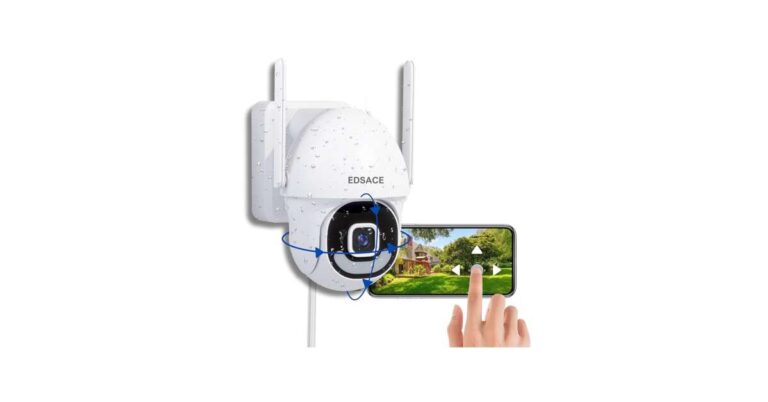
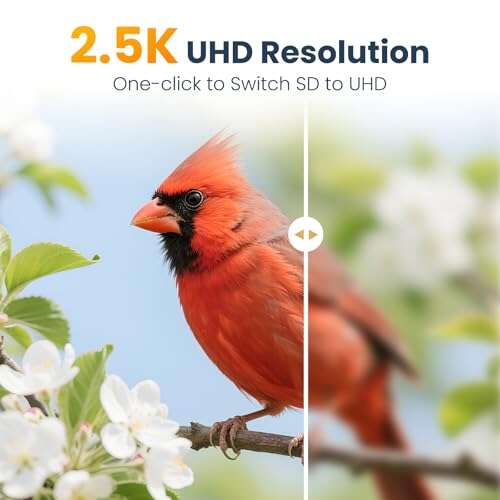
Smart Metal Bird Feeder Camera 2.5K
 Check the price on Amazon
I use this smart metal bird feeder camera when I want steady garden shots without lugging a camera. It mounts near feeding stations and records 2.5K video and stills. The unit uses solar power and has wireless upload, so I get clips delivered to my phone while I work in the yard.
This is not a traditional bridge camera, but it’s a solid tool for birders who want remote, hands-off monitoring. AI identification and continuous captures make it easy to study behavior. If your main goal is garden birding and time-lapse or visitor logs, this device frees you from constant camera handling.
Pros:
- Hands-free garden monitoring with 2.5K captures
- Solar powered—low maintenance once installed
- AI ID and notifications save sorting time
- Wireless uploads let you review footage anywhere
- Weatherproof metal build suitable for outdoor use
Cons:
- Limited optical zoom compared to traditional bridge cameras
- Not suited for distant birding or field telephoto needs
- AI ID can mislabel rare or juvenile species
My Recommendation
This smart metal bird feeder camera is best for gardeners and backyard birders who want constant monitoring without carrying gear. I recommend it for folks who want to attract and record visitors at feeders. The unit shines when you need remote, automated footage rather than close-up telephoto reach. For backyard observation and early-stage birding, it’s a high-value, low-effort tool that pairs well with a phone or tablet for quick review. If you want the best bridge camera for birding in the field, pair this feeder camera with a dedicated bridge camera for distant shots.
| Best for | Why |
|---|---|
| Backyard monitoring | Automates capture and ID at feeders |
| Hands-free observation | Solar power and wireless uploads keep it running |
| Wildlife behavior study | Continuous recording and timestamped clips |
Sony RX10 III Bridge Camera
 Check the price on Amazon
The Sony RX10 III is the bridge camera I reach for when I expect birds at a distance. It packs a 24-600mm equivalent zoom and a fast, bright f/2.4–f/4 lens. The big, consistent aperture gives sharp results and respectable low-light performance during golden hour birding.
Autofocus is snappy and the continuous shooting mode captures action well. The RX10 III has a 1-inch sensor that sits between typical compact and APS-C sensors. That balance delivers better image quality than point-and-shoots while keeping the package lighter and more affordable than carrying a DSLR with big glass.
Pros:
- Massive 24–600mm equivalent zoom—excellent reach for birds
- Bright lens at the tele end for clearer shots in low light
- 1-inch sensor delivers good detail and dynamic range
- Fast autofocus and solid continuous shooting for flight shots
- Integrated stabilization helps hand-held long-zoom work
- Built-in ND and versatile manual controls for creative shooting
Cons:
- Single sensor size limits extreme low-light performance vs full-frame
- Heavier and pricier than compact bridge options
- Buffer can fill during long bursts of RAW frames
My Recommendation
I recommend the Sony RX10 III if you want a single-camera solution for the field. For me, it hits the sweet spot between weight, zoom reach, and image quality. It is the best bridge camera for birding when you need long reach without changing lenses. Birders who travel light and still demand reach and speed will benefit the most. Expect reliable focus, long zoom, and strong value in mixed light—this camera performs well through dawn and dusk birding sessions.
| Best for | Why |
|---|---|
| Long-reach fieldwork | 24–600mm zoom covers most birding needs |
| Travel birding | No lens swaps; single compact body |
| Action shots | Fast AF and burst modes capture flight |
Canon SX50 HS (50x Zoom)
 Check the price on Amazon
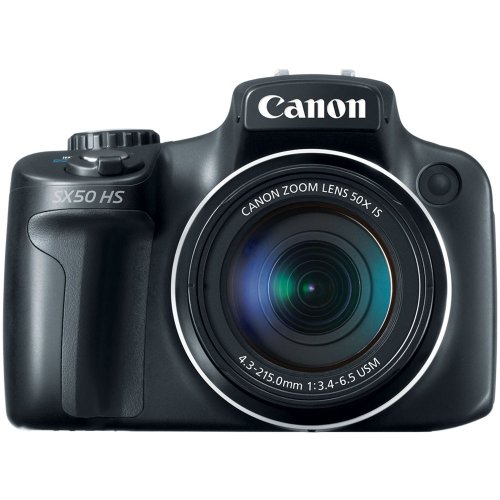
The Canon SX50 HS remains a favorite among budget-focused birders. Its 50x optical zoom is a beast in a single, handheld body. For many backyard and edge-of-woodland sessions, those extra stops of zoom turn distant silhouettes into usable frames.
Canon’s image stabilization is effective and the camera offers full manual control. The 12.1MP sensor is modest by modern specs, but paired with the long reach and optical quality, it still produces pleasing, shareable bird images. It’s a practical choice for hobbyists learning to pan and follow flight.
Pros:
- Huge 50x optical zoom for distant birds
- Very good optical image stabilization for hand-held shots
- Intuitive controls and good ergonomics for long sessions
- Affordable compared to high-end bridge models
- Built-in electronic viewfinder helps in bright light
Cons:
- Older sensor tech—lower high-ISO performance
- Slower autofocus compared with newer models
- Larger file sizes with modest resolution sometimes limit crops
My Recommendation
Choose the Canon SX50 HS if budget and raw zoom reach matter most. I often recommend it to newcomers who want to practice composition and panning without the expense of pro glass. It is a strong contender for the best bridge camera for birding if affordability and max focal length are your priorities. For backyard birding and learning action techniques, this camera gives excellent real-world value. It’s a solid buy where reach beats cutting-edge sensor speed.
| Best for | Why |
|---|---|
| Budget birders | High zoom at a low price |
| Backyard and edge-of-woods shots | Good stabilization and long focal reach |
| Learning action shooting | Simple controls and forgiving ergonomics |
How I Test and Choose the Best Bridge Camera for Birding
I test gear in the field. I set up dawn watches, follow mixed species flocks, and try shots at varied distances. I look at autofocus tracking through branches. I evaluate image sharpness at long focal lengths and check how well stabilization tames hand shake. I also test battery life during long sessions and how easy it is to change settings on the fly.
Aside from specs, I prioritize practical use. Does the camera lock focus on a brief passerine? Can I track a flying bird while panning? Can I hold the camera steady on a long zoom? Those real-world checks tell me whether a camera qualifies as the best bridge camera for birding for most people.
Key Features That Matter for Birding
Birding throws a handful of technical demands at a camera. You need reach, fast focus, stabilisation, and enough sensor performance for clean crops. I focus on the combination of those features, not just a single spec. A good balance matters.
Here are the features I consider essential when selecting the best bridge camera for birding:
Zoom Range
Long optical zoom is the single most useful feature. A 300–600mm equivalent covers most common needs. The Sony RX10 III at 600mm and the Canon SX50 at extreme reach show why longer is often better in the field.
Autofocus Speed and Tracking
Birds move fast. Reliable autofocus with subject tracking keeps a moving bird in frame. Modern bridge cameras have improved AF; I look for phase-detection points or hybrid AF for the best results.
Image Stabilization
At long focal lengths, a small handshake becomes a large blur. Optical stabilization gives you usable, hand-held frames. I test stabilization at the longest zoom ranges to judge real-world usefulness.
Sensor Size and ISO
A larger sensor means better detail and less noise at high ISO. One-inch sensors, like in the RX10 III, are a good balance. If you expect a lot of low-light work at dawn or dusk, sensor performance matters more.
Continuous Shooting and Buffer
For flight or quick action, burst speed and buffer depth are critical. I test how many RAW and JPEG frames a camera will take before slowing. Smooth, long bursts increase the chance of catching sharp wing positions.
Ergonomics and Battery Life
Long birding sessions require comfortable grips and long battery life. I prefer models with good hand grips and spare battery options so I can shoot through a full morning without a recharge.
Practical Tips for Birding With a Bridge Camera
Using the best bridge camera for birding is part gear, part technique. I’ll share the habits that turned my shots from “nice” to “keeper.”
Use Proper Support
A monopod or lightweight tripod makes a huge difference with long zooms. It stabilizes the camera and reduces fatigue. I carry a compact carbon fiber monopod for faster repositioning.
Back-button Focus
I set back-button focus for tracking birds. It separates AF from the shutter and lets me hold continuous focus while choosing the right moment to fire. This trick increases keeper rates when birds are active.
Shoot in RAW, But Use JPEG When Needed
RAW lets you rescue shadows and correct exposure later. But if you need quick sharing or want longer continuous bursts, good-quality JPEG can save buffer and time. I switch modes based on goals for the session.
Pre-focus and Anticipate
Birds often appear on perches you can predict. I pre-focus on likely perches and wait. Anticipation and patience beat panicked zooming when a bird finally lands.
Use Higher Shutter Speeds for Flight
To freeze motion in flight shots, push shutter speed to 1/1000s or faster. If light is low, open aperture and nudge ISO up. The stabilization helps hold exposures when panning, but shutter speed matters most for sharp wing details.
Accessories That Improve Results
Small buys often give the biggest returns. I can list a short kit that transforms a bridge camera into a more versatile birding rig.
- Monopod or lightweight tripod for stability
- Spare batteries for long mornings
- M-pattern or pleated lens hood to cut flare
- Microfiber cloth and dry bags for bad weather
- Teleconverter only if your camera supports it cleanly
Image Quality Expectations
Understand limits. Bridge cameras with smaller sensors will not match full-frame 600mm lenses for image quality or shallow depth of field. But for many birders, the tradeoff is worth it. You get reach, lighter weight, and easier handling. When you pair good technique with a solid bridge camera, you can get stunning images that are perfect for web use, prints, and study.
Choosing Between These Three Options
Each product here serves a different birding need. The smart feeder camera is a garden monitor. The Sony RX10 III is what I call the all-rounder—long reach, strong optics, and good autofocus. The Canon SX50 HS is the reach champion on a budget. Your choice depends on field distance, mobility, and whether you prefer automated observation or handheld field work.
FAQs Of best bridge camera for birding
1. Is a bridge camera good enough for bird photography?
Yes. A bridge camera gives long zoom and easy handling, and it’s good for many birding situations. For distant species and heavy cropping, a high-end DSLR with a large telephoto will still be better. But for travel, backyard, and casual fieldwork, the best bridge camera for birding is a top choice.
2. Can I shoot flight with a bridge camera?
Yes, especially with models that have fast autofocus and continuous shooting. Practice panning and use higher shutter speeds. The Sony RX10 III is particularly good for flight shots in this list.
3. Do bridge cameras need a tripod for birding?
Not always, but a monopod or tripod helps a lot at long zoom ranges. Stabilization helps, but mechanical support improves sharpness and reduces fatigue during long waits.
4. How much zoom is enough for birding?
A 300–600mm equivalent is a practical range for most birders. The RX10 III’s 600mm equivalent and the SX50’s extreme 50x reach cover most needs. The feeder camera is best for close, automated garden shots.
5. Should I use a teleconverter with a bridge camera?
Only if your model supports it well. Teleconverters reduce light and may slow autofocus. Test compatibility and weigh the trade-offs between reach and image quality before adding one.
Final Verdict: Which Should You Buy?
If you want a single, reliable field camera, the Sony RX10 III stands out as the best bridge camera for birding—great reach, solid optics, and fast AF. It balances image quality and usability for travel and fieldwork.
If you focus on backyard monitoring, pick the smart metal bird feeder camera. For budget reach, choose the Canon SX50 HS. Each has a clear role depending on your birding style.

Everett Ashford is a tech reviewer at mytechgrid.com specializing in SSDs, cameras, TVs, earbuds, headphones, and other consumer electronics. He provides honest, data-driven reviews based on hands-on testing and real-world performance analysis. Everett simplifies complex tech details to help readers make smart, confident buying decisions.