Introduction
For people in the United States, bone conduction headphones may work for sleeping, but they are not the best choice for everyone and are not proven to improve sleep. They can play audio without covering the ear canal, which may help some side sleepers hear music, podcasts, or white noise more comfortably. However, the headset may press against the skin, shift during the night, disturb sleep, or expose your ears to sound for many hours.
The safest approach is to use a low volume, a sleep timer, and a device that feels comfortable in your usual sleep position. If you have hearing loss, ear pain, tinnitus, skin problems, or a sleep disorder, ask a health professional before using headphones overnight.
What Are Bone Conduction Headphones?
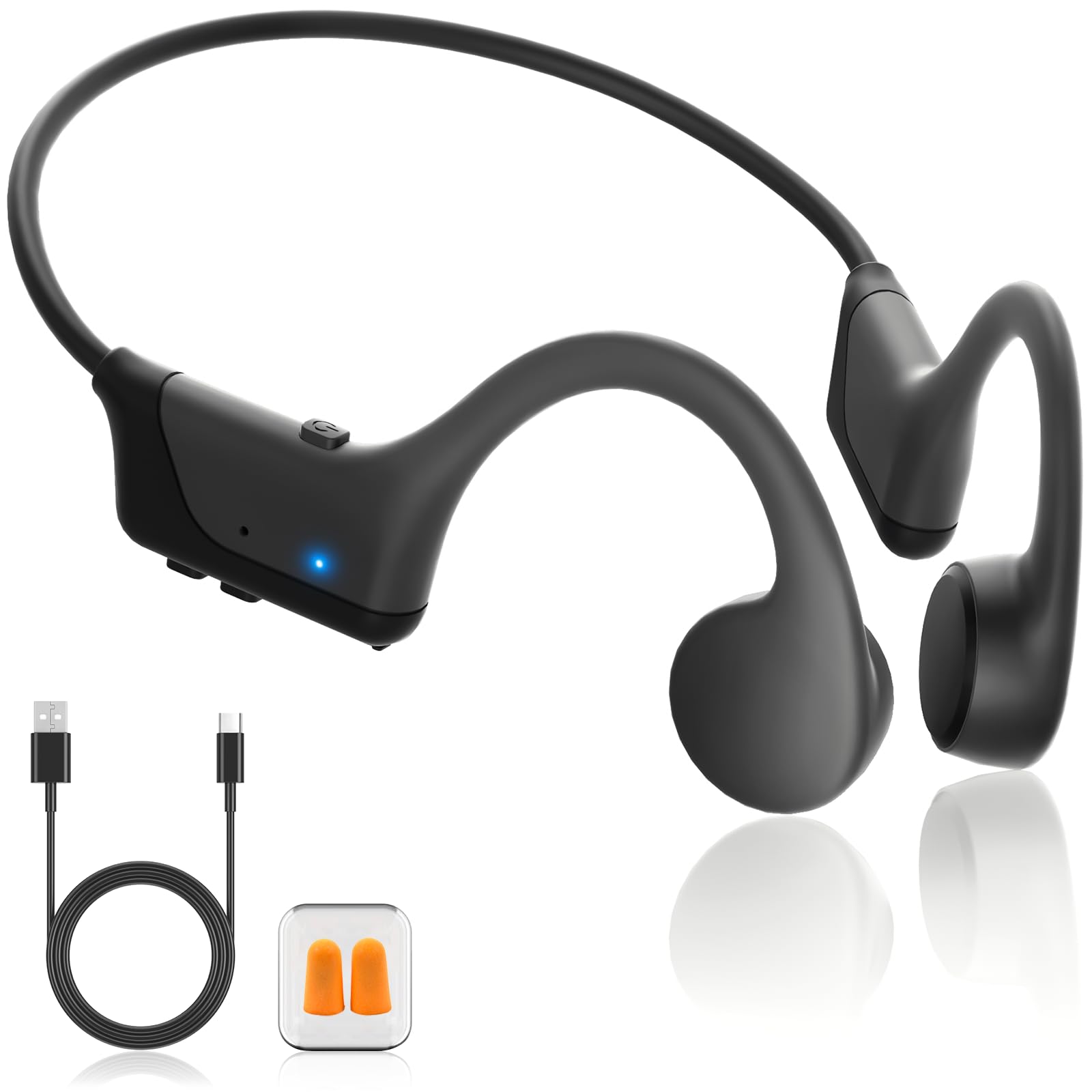
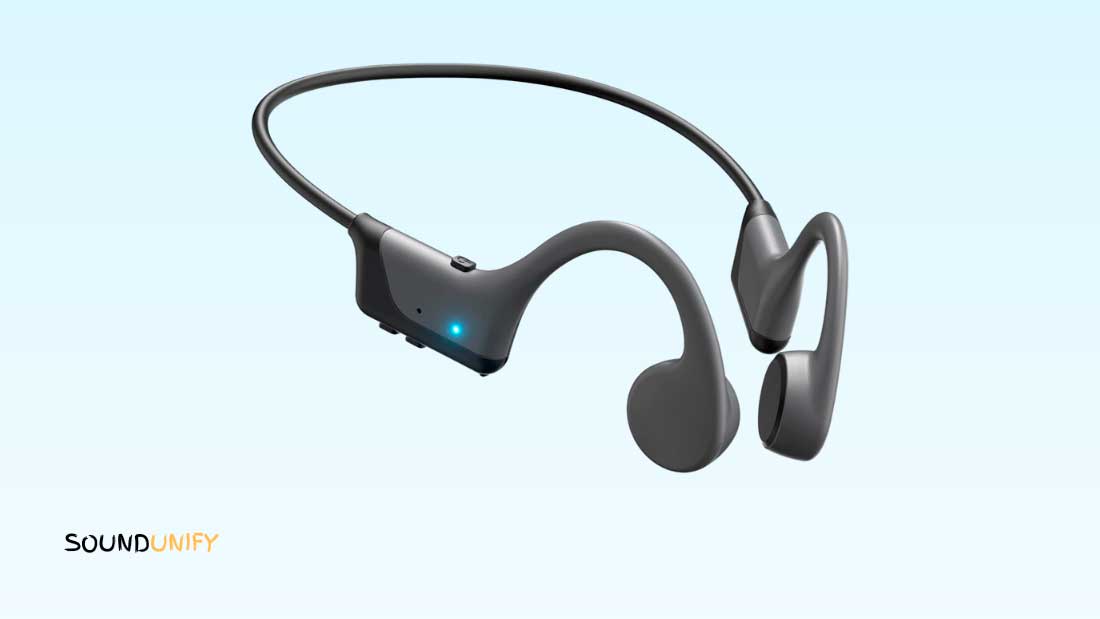
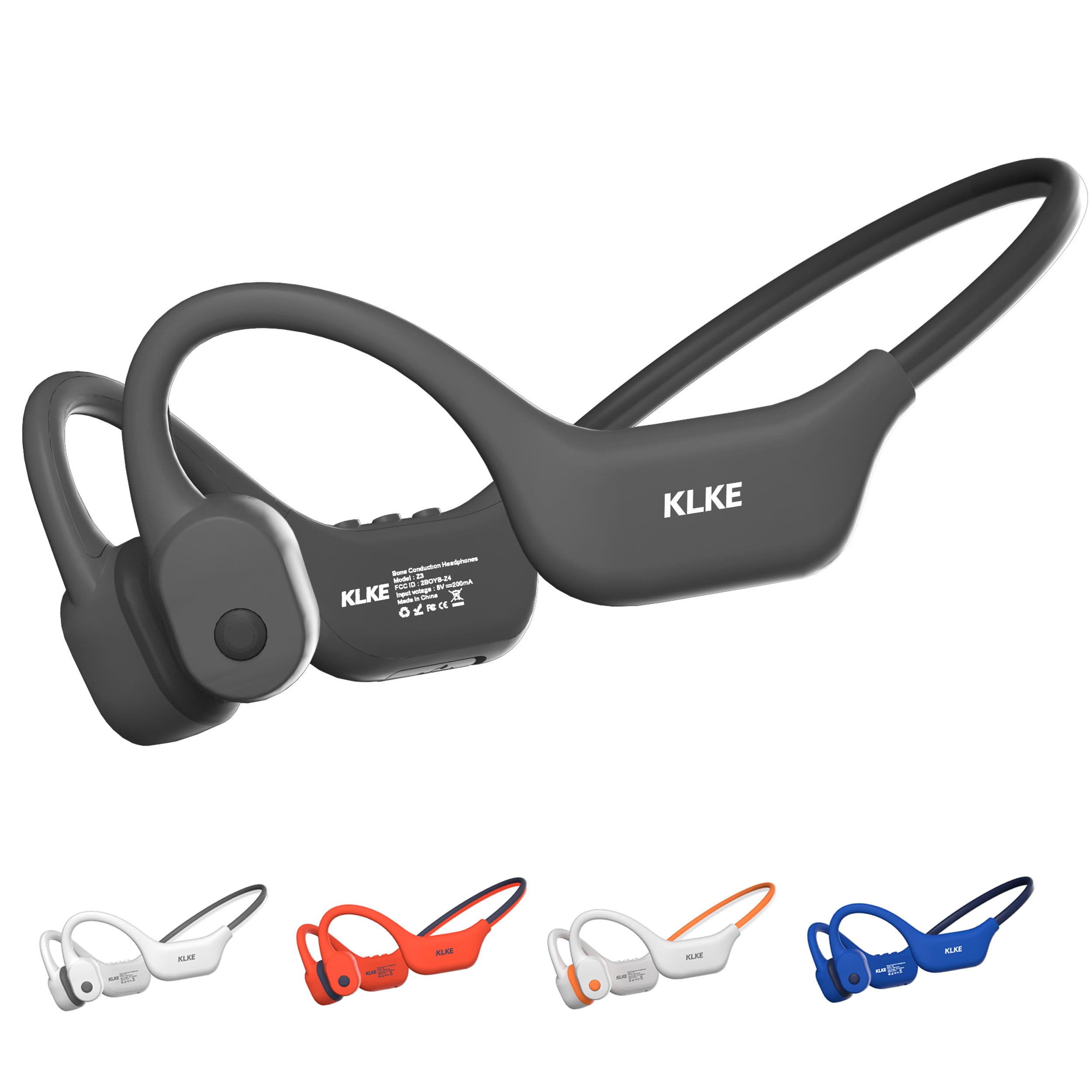
Bone conduction headphones send sound through small transducers that rest on the bones near the ears. These transducers create vibrations that travel through the skull to the cochlea, the inner-ear organ that changes vibrations into signals for the brain.
Traditional headphones send sound through the ear canal. Bone conduction headphones leave the ear canal open. This design can help you remain aware of alarms, a partner, or sounds around you.
“Open ear” does not mean “risk-free.” The cochlea still receives sound signals. Very loud audio can still contribute to hearing damage, even when the ear canal is not blocked.
Bone conduction headphones differ from hearing aids and cochlear implants. They are consumer audio products. They do not correct hearing loss or replace medical treatment.
Are Bone Conduction Headphones Safe to Sleep In?
They can be safe for short periods when used at a low volume, but wearing them all night adds avoidable risks. The main concerns are volume, pressure, skin irritation, moisture, and reduced awareness of important sounds.
The National Institute on Deafness and Other Communication Disorders explains that loud sound can damage sensitive cells in the inner ear. The risk depends on both loudness and exposure time. A quiet setting is safer than a loud setting, but long exposure still matters.
The World Health Organization also recommends keeping personal audio at a safe level and taking breaks. Its safe-listening guidance is aimed at general audio use, not specifically at sleeping with bone conduction headphones, so it should not be treated as a guarantee of overnight safety.
Other risks include:
- Pressure: The band or transducers may press against your head when you turn.
- Skin irritation: Sweat, oils, and friction can cause soreness or a rash.
- Poor sleep: A device that shifts, vibrates, or needs charging may wake you.
- Reduced awareness: Audio may mask a smoke alarm, a child, a pet, or another urgent sound.
- Battery and charging hazards: Do not charge headphones while wearing them or place a charging cable in the bed.
- Jaw or temple discomfort: Some users may feel pressure near the cheekbone, ear, or temple.
The safest practice is to use a sleep timer and let the headphones turn off after you fall asleep. Do not use them if they cause pain, numbness, tingling, swelling, itching, or lasting ringing in your ears.

potential Benefits for Sleep
Bone conduction headphones can be useful in a few specific situations. Their benefits are practical, not medical.
They keep the ear canals open
Because they do not sit inside the ear canal, bone conduction headphones may feel less blocked than earbuds. This can help people who dislike the plugged-up feeling of in-ear headphones.
They may also be useful for people who need to hear some outside sound. For example, a parent may want quiet background audio while still listening for a child.
They may suit some side sleepers
Earbuds can press into the ear when you sleep on your side. Bone conduction headphones avoid that direct pressure inside the ear canal.
However, the band and transducers still rest on the side of the head. A side sleeper may feel them against a pillow. Comfort depends on head shape, pillow firmness, device size, and sleep position.
They can play masking sounds
Low-volume white noise, rain sounds, or calm music may cover minor household sounds. Some people find this helpful when falling asleep.
That does not mean the headphones treat insomnia. The National Heart, Lung, and Blood Institute notes that cognitive behavioral therapy for insomnia, or CBT-I, is a primary treatment for long-term insomnia. Headphones should not replace care for ongoing sleep problems.
They may help people who cannot use earbuds
Some people have narrow or sensitive ear canals. Others experience earwax problems, irritation, or discomfort from in-ear devices. Bone conduction may be more comfortable in these cases.
Comfort remains personal. A headset that feels fine while sitting may become uncomfortable after several hours in bed.
Limitations You Should Know Before Sleeping With Them
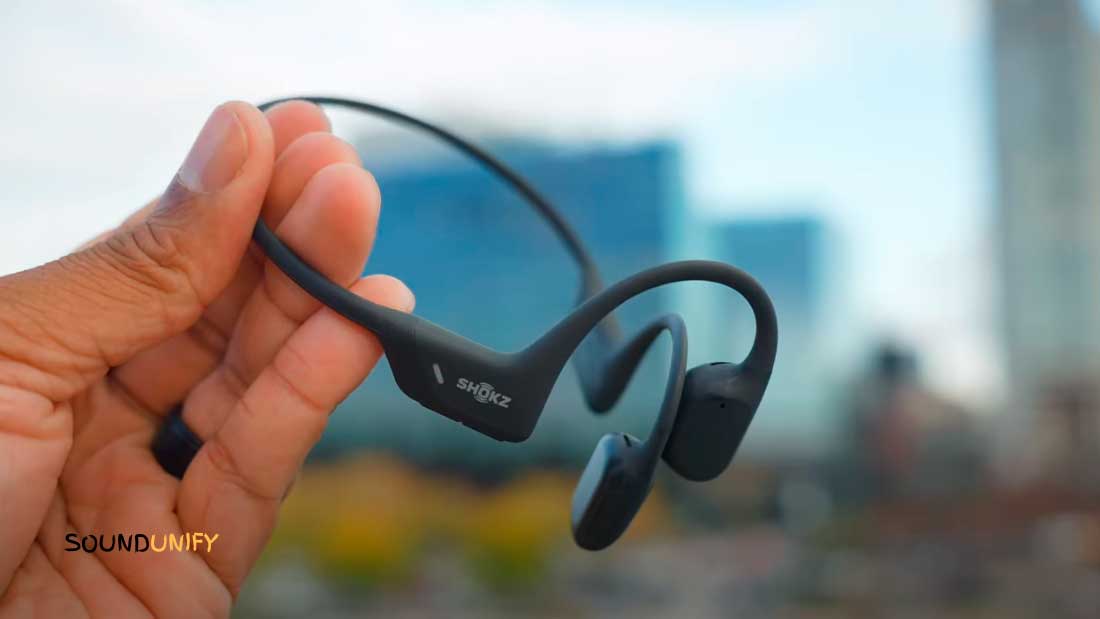
The biggest limitation is that bone conduction headphones are not designed to guarantee better sleep. Most consumer models are built for walking, exercise, and awareness of nearby sounds. Their design may not suit a pillow or a full night of use.
Sound quality can also differ from regular headphones. Bone conduction models may produce less bass and less detail because they do not seal the ear. That may be fine for spoken audio or white noise, but less satisfying for music.
They can also leak sound. A partner in the same bed may hear faint audio, especially at a higher volume. Raising the volume to overcome sound leakage increases hearing risk.
Bluetooth connection and battery life are other practical limits. A disconnected phone, low battery, notification, or voice prompt can interrupt sleep. Turn off nonessential alerts and check the device before bed.
Water resistance does not make a device safe for every sleep setting. Sweat resistance is not the same as protection from a wet bed, shower use, or charging near moisture. Follow the manufacturer’s instructions for cleaning, charging, and water exposure.
There is also no strong basis for claiming that bone conduction itself improves sleep quality, reduces insomnia, or increases deep sleep. If a person sleeps better while using one, the likely benefit may come from the audio, routine, or masking effect rather than the bone conduction method itself.

How to Use Bone Conduction Headphones More Safely at Night
If you decide to try them, use this simple process.
1. Test them while awake
Wear the headphones for 20 to 30 minutes during the day. Check for pressure, heat, itching, jaw discomfort, or a headache.
Do not begin with an overnight trial. A short test can reveal many fit problems before they disturb your sleep.
2. Set the volume before lying down
Start at the lowest level that lets you understand the audio. If another person nearby can clearly hear the sound, lower the volume.
Avoid turning the volume up to overcome background noise. Use a quieter room or a better sleep routine instead.
3. Use a sleep timer
Set the audio to stop after 15 to 60 minutes. The exact time is a personal choice, but shorter exposure reduces the chance of listening for the entire night.
A sleep timer also prevents a podcast or playlist from continuing until morning.
4. Keep the headset stable
Place the transducers where the manufacturer shows. The device should feel secure without pressing hard against the skin.
Do not tighten it enough to cause pain. Do not place tape, cloth, or other material under the device unless the manufacturer allows it, since extra material may change the fit or trap moisture.
5. Keep the device clean and dry
Wipe the contact points with a soft, slightly damp cloth when needed. Follow the product manual for cleaning agents.
Do not share the headset without cleaning it. Stop using it if you develop a rash, open skin, swelling, or persistent soreness.
6. Do not charge it in bed
Charge the headphones before sleep. Keep the charging cable away from your face, neck, and bedding.
Never sleep while the headphones are connected to a charger. Replace damaged cables, swollen batteries, or cracked devices.
7. Check how you feel the next morning
A successful setup should not leave you with ear ringing, muffled hearing, headache, jaw pain, skin irritation, or poor sleep.
If symptoms occur, stop using the device at night. Symptoms that continue after you stop deserve medical advice.
Are Bone Conduction Headphones Better Than Earbuds for Sleeping?
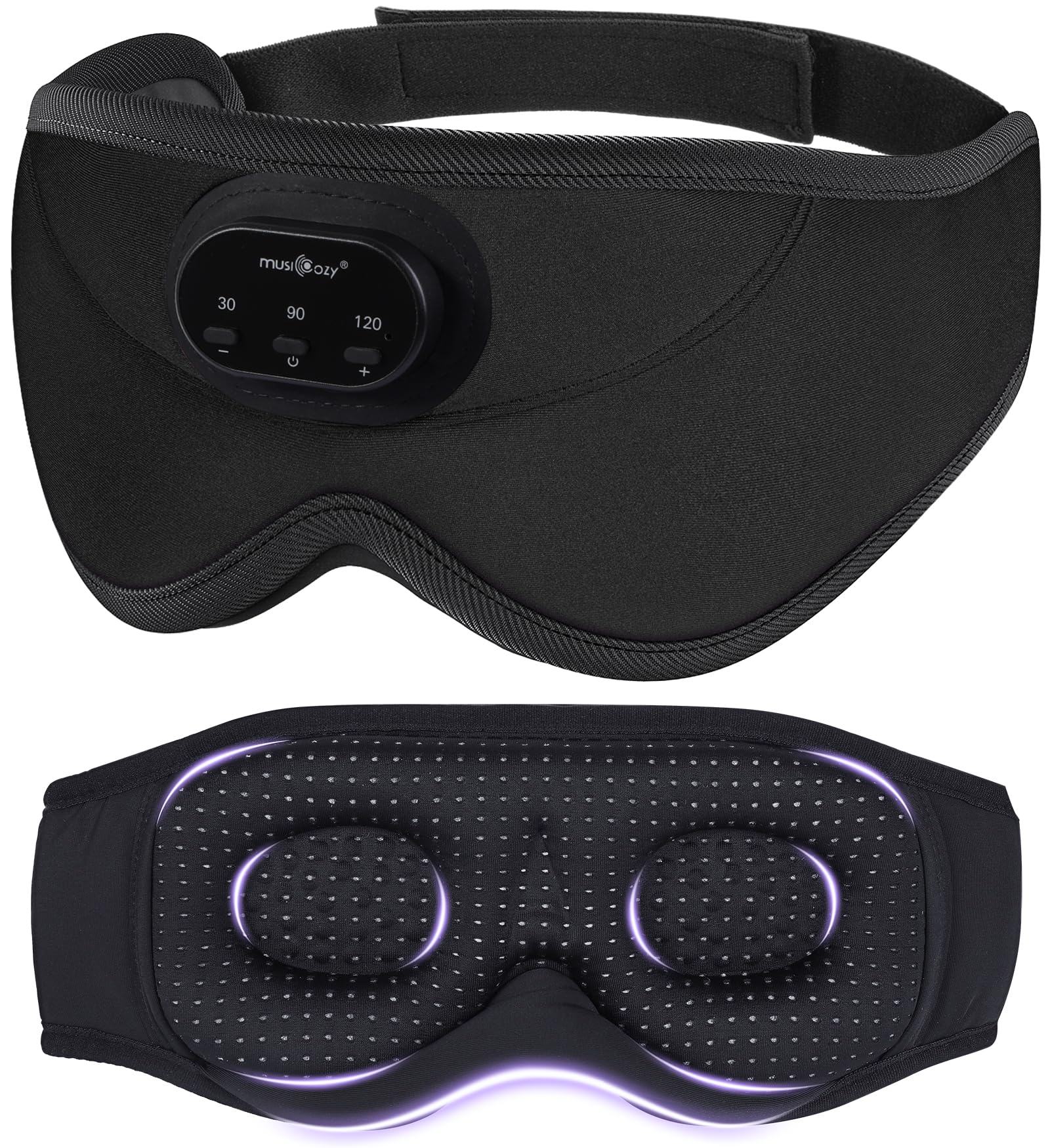
They may be better for people who dislike pressure inside the ear canal, but they are not automatically more comfortable or safer. The better option depends on your sleep position, volume, and reason for using audio.
| Feature | Bone conduction headphones | Earbuds | Sleep headband headphones | External speaker |
|---|---|---|---|---|
| Ear canal remains open | Yes | Usually no | Usually no or partly covered | Yes |
| Side-sleep comfort | Can be limited by the band | Can be limited by ear pressure | Often comfortable | Usually high |
| Sound leakage | Moderate to high | Low to moderate | Low to moderate | High |
| Awareness of outside sounds | Usually better | Often reduced | Often reduced | Usually better |
| Overnight stability | Depends on the band | May fall out | Often stable | Not worn |
| Main concern | Head pressure and long exposure | Ear pressure and irritation | Heat and moisture | Disturbing a partner |
For many side sleepers, a soft sleep headband or an external speaker may be more comfortable than a rigid headset. An external speaker also removes pressure from the head, though it may disturb someone nearby.
If hearing outside sounds matters most, bone conduction or a speaker may be preferable. If privacy matters most, earbuds or a sleep headband may leak less sound. No option removes the need for low volume and limited exposure.
Who Should Avoid Sleeping With Them?
Avoid sleeping with bone conduction headphones if:
- They cause pain, numbness, itching, or skin damage.
- You have active ear or skin inflammation around the contact points.
- You need to hear alarms or urgent sounds clearly and the audio masks them.
- You tend to sleep with charging cables or electronics under bedding.
- You have a history of sound sensitivity or tinnitus that worsens with audio.
- You use them at a volume high enough to hear clearly across the room.
- You cannot remove them easily during the night.
Ask a clinician or audiologist for advice if you have hearing loss, recurring ear infections, severe tinnitus, dizziness, or unexplained ear pain. Ask a sleep professional about ongoing insomnia, loud snoring, gasping during sleep, or major daytime sleepiness. Headphones cannot diagnose or treat sleep apnea.
Common Mistakes to Avoid
Wearing them at a high volume
Open ears do not protect the inner ear from loud sound. Keep the volume low and reduce the listening time.
Assuming “all night” means “safe”
A device may be comfortable for an hour but irritating after eight hours. Long exposure changes the risk and comfort equation.
Sleeping on the charging cable
This creates a needless electrical and comfort hazard. Charge the device before bed.
Ignoring skin irritation
Redness, itching, or soreness is a signal to stop. Do not cover the irritation and continue wearing the headset.
Using audio to hide serious sleep symptoms
White noise may make it easier to fall asleep, but it does not fix chronic insomnia, breathing pauses, restless legs, or severe anxiety at night.
Leaving notifications on
Calls, alerts, and low-battery messages can wake you. Use Do Not Disturb or another sleep setting, while keeping essential emergency contacts available if needed.

Best Settings for Overnight Use
There is no universal “safe” volume number because headphone output varies by model, fit, content, and phone settings. Use these practical controls instead:
- Choose spoken audio, soft music, or steady noise rather than sudden loud sounds.
- Start with the lowest comfortable volume.
- Use a timer rather than continuous playback.
- Turn off sound effects, notifications, and voice prompts when possible.
- Keep the phone close enough for a stable Bluetooth connection, but not under the pillow.
- Do not use noise-canceling features that make you unable to hear important alarms unless you have another reliable alert system.
A simple test is to ask someone nearby whether they can clearly hear your audio. This is not a medical safety test, but it can reveal that the volume is higher than necessary.
If you wake with ringing, muffled hearing, or sound sensitivity, stop using the headphones and give your ears a break. Seek medical advice if the symptoms persist or recur.
Frequently Asked Questions
Can bone conduction headphones damage hearing while sleeping?
They can contribute to hearing damage if the sound is loud enough or played for long periods. Bone conduction does not bypass the inner ear. Low volume and a sleep timer reduce risk, but they do not make overnight listening risk-free.
Are bone conduction headphones good for side sleepers?
They may be better than earbuds for some side sleepers because nothing sits inside the ear canal. The headset band and transducers can still press against the pillow or side of the head. Test the fit while awake before using them in bed.
Can you sleep with bone conduction headphones all night?
You can, but it is not the safest or most comfortable approach for many people. Short listening with an automatic timer is a better option. Do not wear them overnight if they cause pain, irritation, ringing, or poor sleep.
Do bone conduction headphones help with insomnia?
There is no good evidence that bone conduction itself treats insomnia. Calm audio may help some people relax, but chronic insomnia usually needs a structured approach such as CBT-I or advice from a qualified health professional.
Can you hear alarms while wearing bone conduction headphones?
You may hear outside sounds better than with sealed earbuds, but audio can still mask an alarm. Use a separate alarm that you can reliably detect, and keep the headset volume low.
Key Takeaways
- Bone conduction headphones can be useful for short, low-volume listening before sleep.
- They leave the ear canal open but can still affect hearing at high volume.
- They may suit some people who dislike earbuds, but the band can bother side sleepers.
- Use a sleep timer, low volume, clean contact points, and a charged device.
- Never sleep with the headphones connected to a charger.
- Stop using them if you notice pain, skin irritation, ringing, muffled hearing, or worse sleep.
- They are not a proven treatment for insomnia or other sleep disorders.
Conclusion
Bone conduction headphones are a reasonable sleep-audio option for some people in the United States, especially those who dislike earbuds or want to keep their ear canals open. They are not automatically the safest choice, and they do not have proven sleep benefits simply because they use bone conduction.
Use them for a limited time, at a low volume, with a sleep timer. If comfort or safety is the main concern, compare them with a soft sleep headband or an external speaker. For persistent insomnia, hearing symptoms, or signs of sleep apnea, seek professional care rather than relying on headphones.

Everett Ashford is a tech reviewer at mytechgrid.com specializing in SSDs, cameras, TVs, earbuds, headphones, and other consumer electronics. He provides honest, data-driven reviews based on hands-on testing and real-world performance analysis. Everett simplifies complex tech details to help readers make smart, confident buying decisions.