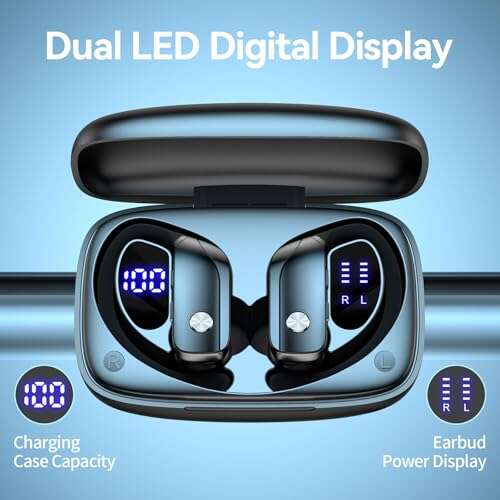
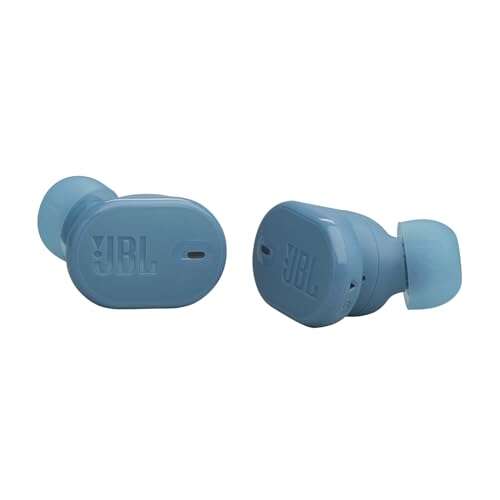
For most runners, earbuds are better for freedom, while headphones win for comfort and battery life.
The answer to “are headphones or earbuds better for running” depends on your route, fit, safety needs, and personal comfort. After testing both styles on easy runs, long runs, and sweaty workouts, I have found that the best choice is not always the one with the biggest sound or the longest battery. It is the one that stays secure, lets you hear danger, and feels comfortable from the first mile to the last.

Are headphones or earbuds better for running?
For most runners, wireless earbuds are the better all-around choice. They are small, light, and less likely to trap heat around your ears. Many sport earbuds also include ear wings, hooks, or adjustable tips that help them stay in place during fast runs.
Over-ear headphones still have clear benefits. They often provide longer battery life, stronger sound, better controls, and more comfort for people who dislike having anything inside their ear canal. They can work well on treadmills, quiet paths, and short outdoor runs.
The better option depends on these factors:
• Running location and traffic exposure
• Sweat and rain resistance
• Fit and movement
• Sound awareness
• Battery life
• Comfort during long sessions
• Budget and durability
The key lesson is simple: the best running headphones are the ones you can wear safely and comfortably without constant adjustment.
Earbuds are usually best for outdoor runners
Earbuds have a low profile. They do not bounce against your neck or become as warm as over-ear models. This makes them useful for hot weather, speed work, and races.
Open-ear earbuds are also gaining attention. They sit near the ear instead of sealing the ear canal. This design can help you hear cars, cyclists, runners, and other sounds around you. However, they may not sound as full in loud places.
Headphones can be better for indoor and long-distance running
Over-ear headphones may feel more comfortable for runners who experience ear fatigue from in-ear tips. They also tend to offer large buttons, strong bass, and excellent battery life.
The tradeoff is heat. Ear cups can become warm during summer runs, and sweat may damage models that lack water protection. Their size can also make them less practical when you carry a phone, keys, or a small running belt.
Running earbuds: benefits and drawbacks
Earbuds are popular because they solve many practical problems at once. They are easy to carry, quick to put on, and available in many price ranges.
Benefits of earbuds for running
• Lightweight design reduces pressure on your head and neck.
• A secure fit can prevent movement during sprints.
• Small cases make charging and storage simple.
• Many models offer transparency or ambient sound modes.
• Sport earbuds often have sweat and water resistance.
• They work well with running watches and smartphones.
• Some models allow one-ear use for extra awareness.
A good pair should remain stable when you turn your head, climb stairs, or swing your arms. If an earbud shifts each time your foot lands, the fit is wrong, even if the sound quality is excellent.
Drawbacks of earbuds for running
• Some runners dislike the pressure inside the ear canal.
• Poorly fitted tips can fall out during hard efforts.
• Tiny controls may be hard to use while moving.
• Charging cases are easy to forget or lose.
• Sweat can affect charging contacts over time.
• Noise cancellation may reduce awareness in busy areas.
In my own testing, the most common mistake was choosing earbuds for sound quality alone. A model could deliver rich bass but still fail as a running earbud because it slipped after twenty minutes.
Fit matters more than brand reputation. Try different tip sizes, clean the earbuds often, and test them on a short walk before using them for a long run.
 drawbacks”
style=”max-width: 100%; height: auto; border: 2px solid black; border-radius: 10px; display: block; margin: 0 auto;”
loading=”lazy”
/>
Running headphones: benefits and drawbacks
When people ask, “are headphones or earbuds better for running,” they often imagine large over-ear headphones. These can be excellent for certain runners, but they are not ideal for every route or climate.
Benefits of headphones for running
• Over-ear cups can feel soft and comfortable.
• A headband can provide a stable fit without ear pressure.
• Larger batteries often support longer use between charges.
• Physical controls are usually easier to find.
• Sound quality can feel wider and more powerful.
• They may be better for runners who dislike in-ear products.
Headphones can also help create a calm workout space on a treadmill. Noise cancellation may reduce the sound of a busy gym, although you should still remain aware of announcements and people nearby.
Drawbacks of headphones for running
• Ear cups can trap heat and sweat.
• Larger designs may move during fast running.
• Some models are not water resistant.
• Noise cancellation can block important outdoor sounds.
• They take up more space in a gym bag.
• Headbands may interfere with hats, glasses, or ponytails.
Do not assume that a water-resistant label means a product can handle heavy sweat forever. Water resistance has limits, and those limits may change as seals wear down. Always check the manufacturer’s rating and care instructions.

Safety and sound awareness while running
Safety should come before sound quality. A runner needs to hear traffic, warning calls, bicycle bells, alarms, and changes in the environment.
This is why the answer to “are headphones or earbuds better for running” changes when you move from a treadmill to a busy road. A powerful noise-canceling device may be comfortable indoors but risky near traffic if it blocks too much outside sound.
Use these habits for safer listening:
• Keep the volume low enough to hear nearby sounds.
• Use transparency or ambient mode outdoors.
• Wear only one earbud in unfamiliar or busy areas.
• Avoid noise cancellation near intersections and parking lots.
• Pause audio before crossing a road.
• Run against traffic where local rules and conditions allow.
• Stay alert in dim light, bad weather, and crowded areas.
Many hearing experts recommend keeping personal audio at a moderate level. A useful test is the conversation check: if you cannot hear a nearby person speaking normally, your volume may be too high.
Noise exposure depends on both volume and time. A short, loud workout is not the same as hours of loud listening, but repeated exposure can still harm hearing. Lower volume protects your ears and helps you stay connected to your surroundings.
Open-ear designs and running safety
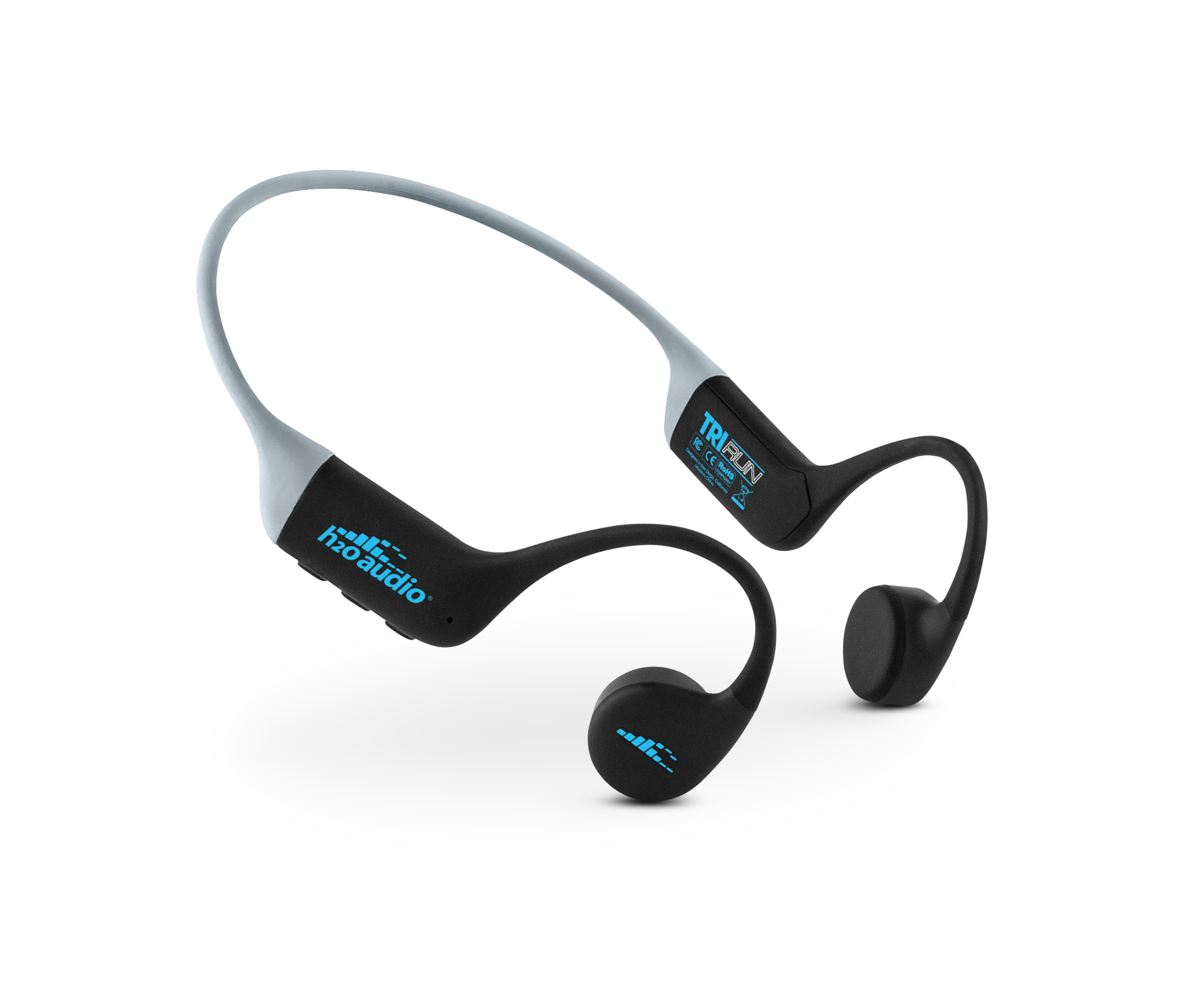
Open-ear headphones use air conduction or bone conduction technology. They do not fully seal the ear canal, so outside sounds remain easier to hear.
They can be a strong choice for road runners, trail runners, and people who do not like in-ear tips. Their main limits are sound leakage, less powerful bass, and reduced clarity in loud areas. They are also not automatically safe if played at a very high volume.

Fit, comfort, and sweat resistance
Comfort often decides whether you keep using a product after the first week. A device may feel fine for ten minutes in a store but cause pain after an hour of running.
For earbuds, look for:
• Several ear tip sizes
• Ear wings or stabilizing fins
• A secure but gentle seal
• A shape that does not press against the ear
• Easy cleaning after sweaty workouts
For headphones, check:
• Soft and breathable ear pads
• A firm but not painful headband
• Low movement during running
• A sweat-resistant design
• Enough space for glasses or a hat
Water resistance is usually shown with an IP rating. The first number refers to solid particles, while the second refers to water protection. For example, a rating with a higher water number generally offers more protection from sweat or rain, but the exact limits vary by product.
Avoid wearing non-sport headphones in heavy rain. Dry your equipment after use, and never place wet earbuds straight into their charging case. Moisture trapped in the case can affect the charging pins and battery contacts.
My practical rule is to test a new product during three sessions:
- A short walk to check pressure and fit
- An easy run to check movement and sweat
- A faster run to test stability, controls, and sound awareness
If the product fails any of these tests, it probably will not become better on a longer run.

Sound quality, controls, and battery life
Sound quality matters, but running changes what you need from audio. Deep bass can make music exciting, yet too much bass may hide road noise. Clear vocals help when listening to podcasts, coaching cues, or an audiobook.
Useful running features include:
• Simple play, pause, and volume controls
• Voice assistant support
• Automatic pause when an earbud is removed
• Ambient sound adjustment
• Reliable Bluetooth connection
• A battery that lasts beyond your longest workout
• Fast charging for last-minute runs
Battery claims are often measured under controlled conditions. Music volume, noise cancellation, calls, temperature, and Bluetooth features can reduce actual battery life.
For most runners, six to eight hours of real use is enough for several workouts. Marathon trainees and ultra runners may need a larger battery, a charging case, or a model that supports quick charging.
Bluetooth range is rarely a concern when your phone is in a pocket or running belt. Connection problems are more likely when the phone is far away, the battery is low, or there is interference in a crowded place.

Which option is best for different types of runners?
The question “are headphones or earbuds better for running” has different answers for different training styles. Your route may matter more than your music preference.
Best for road runners
Open-ear headphones or earbuds with a strong transparency mode are usually the safest fit. They help you hear traffic and other people without completely giving up music.
Best for treadmill runners
Over-ear headphones can be excellent on a treadmill. Noise cancellation may make the gym calmer, and the lack of traffic reduces the need for outside awareness.
Best for trail runners
Choose a secure, sweat-resistant design with good ambient sound. Trails can include cyclists, hikers, animals, and uneven ground, so stability and awareness matter more than heavy bass.
Best for marathon training
Lightweight earbuds are often the easiest to carry and wear for several hours. Test them on long runs before race day, and make sure the battery can last through your planned session.
Best for runners with glasses
Try earbuds or open-ear models first. Over-ear headphones may press against eyeglass arms, although some lightweight designs remain comfortable.
Best for people who dislike in-ear tips
Open-ear or over-ear headphones may feel more natural. Do not force yourself to use earbuds if they cause pain, itching, or pressure.

How to choose the best running audio device
Use this checklist before buying:
- Decide where you run most often. A treadmill, city street, park, and trail have different safety needs.
- Choose awareness over maximum volume. Ambient sound is valuable outdoors.
- Check the water-resistance rating. Sweat and rain can shorten a product’s life.
- Prioritize fit. Look for adjustable tips, wings, hooks, or a comfortable headband.
- Test the controls. You should be able to pause music without stopping your run.
- Match battery life to your routine. Include charging time and long-run needs.
- Check return policies. Fit is personal, and online descriptions cannot predict comfort.
- Read independent reviews. Focus on long-term fit, sweat use, and connection reliability.
- Avoid buying only for brand name or bass. Running performance depends on more than sound.
- Start with moderate volume. Your ears and your safety both benefit.
A useful budget approach is to buy a reliable midrange model instead of the cheapest available option. Very cheap products may have poor fit, weak water protection, or unstable connections. However, expensive does not always mean better for running.
Common mistakes runners should avoid
Several small mistakes can ruin an otherwise good workout.
• Wearing new earbuds on race day
• Ignoring pain because the sound is good
• Using strong noise cancellation near traffic
• Running with a loose charging case in a pocket
• Forgetting to clean sweat from earbuds
• Charging wet devices
• Turning up the volume to cover road noise
• Choosing a model without checking water resistance
• Assuming one ear tip size fits everyone
• Wearing headphones that move during sprints
I once saw a runner stop repeatedly to push an earbud back into place. The problem was not the earbud’s battery or sound. It needed a smaller tip and a better fit. A two-minute adjustment would have saved the entire workout.
Comfort problems should be treated as useful feedback. Pain, numbness, pressure, or ringing in the ears is a reason to stop and change your setup. Persistent hearing symptoms deserve advice from a qualified health professional.

Frequently Asked Questions About Are Headphones or Earbuds Better for Running
Are earbuds or headphones safer for running outside?
Neither is automatically safer. The safer choice is the one that lets you hear your surroundings, stays secure, and keeps volume at a moderate level.
Can I run with noise-canceling earbuds?
Yes, but use caution outdoors. Transparency mode is a better choice near traffic, crowded paths, and intersections, while noise cancellation is more suitable for controlled indoor settings.
Are open-ear headphones good for running?
Open-ear headphones can be very useful because they leave the ear canal open. They improve awareness, but sound quality may drop in loud areas and they may not deliver the same bass as sealed earbuds.
How loud should music be while running?
Keep music low enough that you can hear nearby sounds and a normal conversation. If you notice ringing, muffled hearing, or discomfort after a workout, lower the volume and take a break.
Do running earbuds need to be waterproof?
They should have suitable sweat and water resistance, especially if you run in rain or sweat heavily. Check the product’s IP rating and follow its care instructions rather than assuming every “sport” model is waterproof.
How do I stop earbuds from falling out while running?
Try a different tip size, adjust the earbud angle, or choose a model with wings or ear hooks. Test the fit with jumping and short sprints before using the earbuds on a long run.
Are over-ear headphones comfortable for long runs?
They can be comfortable if they are light, stable, and breathable. In warm weather, however, ear cups may trap heat and sweat, which makes earbuds or open-ear headphones more practical.
Conclusion
So, are headphones or earbuds better for running? Earbuds are usually the best choice for outdoor runners because they are light, compact, and easy to secure. Over-ear headphones can be better for treadmill sessions, cooler weather, and runners who dislike in-ear pressure. Open-ear models offer another strong option when awareness is your top concern.
Choose the device that fits your ears or head, handles sweat, lasts through your workouts, and allows you to stay alert. Test it before race day, keep the volume moderate, and use ambient sound whenever you run near traffic. Try your preferred setup on your next three workouts, then share your experience or explore more running gear guides to refine your routine.

Everett Ashford is a tech reviewer at mytechgrid.com specializing in SSDs, cameras, TVs, earbuds, headphones, and other consumer electronics. He provides honest, data-driven reviews based on hands-on testing and real-world performance analysis. Everett simplifies complex tech details to help readers make smart, confident buying decisions.