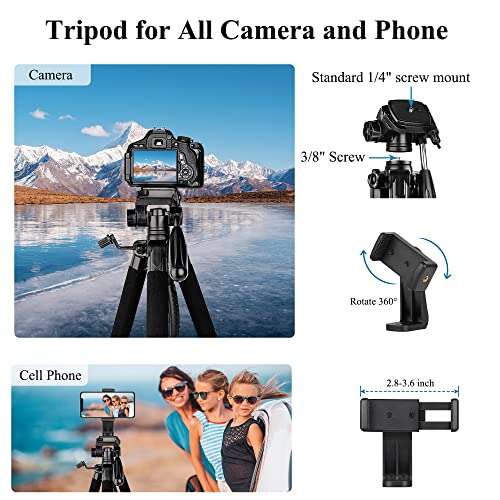
VICTIV 74” Aluminum Tripod is the best camera stand for DSLR for most users.
I’ve missed sharp shots because my rig wobbled, and I know you have too. A solid camera stand for DSLR fixes that. It steadies long exposures, helps with timelapses, and makes video smooth. Whether you shoot landscapes, portraits, or streaming, the right tripod saves time and lifts your craft.
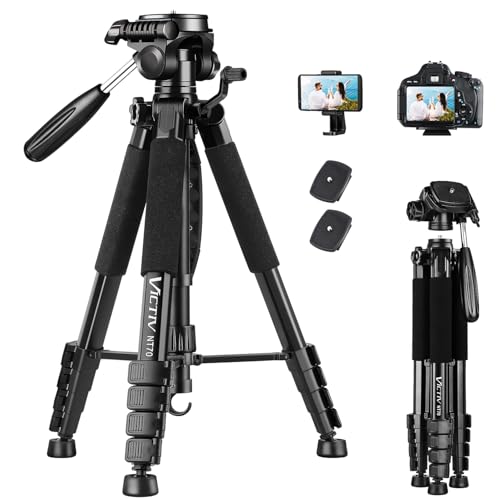
VICTIV 74” Camera Tripod, Tripod…
【74 Inch Tall Tripod and Compact Tripod】 This tall camera tripod has a height adjustment range of 19-74 inches. It can meet the needs of daily work. This compact tripod…

Endurax 60” Camera Tripod Camera…
3-WAY PAN HEAD – Endurax camera tripod features 360-degree swivel function, it allows for tilt and swivel motion; portrait or landscape options. QUICK-RELEASE PLATE – Helps install and remove camera…

K&F CONCEPT Camera Tripod, 75″…
Innovative Pentagonal Tube Design – Engineered for stability and portability, this lightweight (2.6 lbs/1.18 kg) tripod features a unique pentagonal-shaped tube for enhanced durability and easy folding. With a compact…
VICTIV 74″ Aluminum Tripod
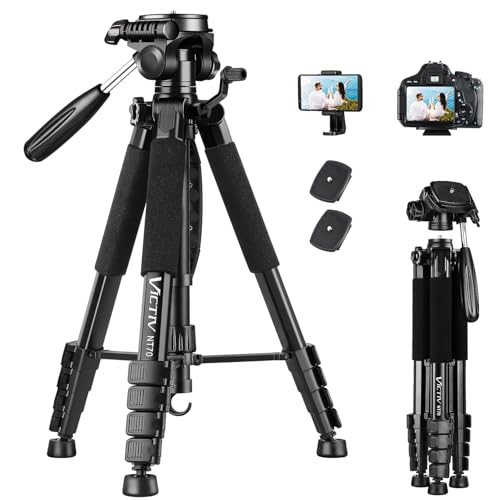
I’ve used the VICTIV 74″ on hikes and shoots. It extends tall and holds a mid-size DSLR without strain. The aluminum legs feel solid and the quick-flip locks work fast. Setup takes under a minute once you practice.
The included phone holder and carry bag make it useful beyond cameras. I found the center column stable for landscape framing. It’s not ultralight, but it balances load and cost well. For many shooters, it’s a reliable option.
Pros:
- Sturdy aluminum build for stable framing
- Good height range for portraits and landscapes
- Fast quick-flip leg locks speed setup
- Comes with phone holder for hybrid use
- Affordable for the features it offers
Cons:
- Heavier than carbon fiber alternatives
- Ball head feels basic for precision panning
- Not ideal for very heavy cinema rigs
My Recommendation
This VICTIV model is best for hobbyists and travel shooters who want a dependable camera stand for DSLR without overspending. It balances height and stability well. I recommend it when you need a workhorse tripod that won’t bog down your kit bag.
| Best for | Why |
|---|---|
| Travel photographers | Good height and carry bag make it travel-ready |
| Beginners | Easy locks and simple setup |
| Budget-conscious users | Solid features at a fair price |
Endurax 60″ Travel Tripod

I reach for the Endurax 60″ when I need a compact travel setup. It packs small and fits into backpack compartments easily. The head offers decent tilt and pan. It’s light enough for long walks but still handles a DSLR with a standard zoom.
What I like most is the included remote and phone/tablet compatibility. I often use it for casual vlogging and tripod shots with both cameras and phones. It won’t replace a pro rig, but it’s a great travel camera stand for DSLR owners on the move.
Pros:
- Compact folded length for easy travel
- Lightweight for long hikes
- Comes with remote and multi-device mount
- Simple quick-release plate
- Good value for frequent travelers
Cons:
- Limited max load for heavy telephoto lenses
- Leg locks can be less durable under heavy use
- Center column wobble at full extension
My Recommendation
Choose the Endurax 60″ if you often travel and need a compact camera stand for DSLR and phone shoots. I like it for light packs and fast setups. It’s best when weight and folded size matter more than extreme load capacity.
| Best for | Why |
|---|---|
| Travel vloggers | Packed small and light for carry-on |
| Casual shooters | Includes remote and phone mount |
| Day hikers | Light and easy to carry all day |
K&F Concept 75″ Travel Tripod

I’ve used the K&F Concept 75″ on location shoots where height and reach mattered. It climbs tall while staying stable. The build feels premium for the price and folds down well for travel. The ball head is smooth for precise framing.
The tripod handles larger DSLRs better than many in its class. It also includes a smartphone clip for mixed-media shoots. If you need extra height for creative angles, this camera stand for DSLR shoots does the job.
Pros:
- Excellent max height for taller framing
- Solid ball head with good control
- Strong load capacity for DSLRs
- Well-built aluminum with good longevity
- Phone clip for hybrid shooting
Cons:
- Larger footprint when packed
- Heavier than ultralight carbon options
- Center column can be slow to adjust precisely
My Recommendation
Pick the K&F Concept 75″ when height is a priority and you want a strong camera stand for DSLR use. I favor it for outdoor shoots and studio setups where extra reach helps. It offers a solid mix of reach and control.
| Best for | Why |
|---|---|
| Landscape photographers | High reach for compositions |
| Studio shooters | Stable under heavier gear |
| Hybrid creators | Includes phone clip for multi-use |
JOILCAN 74″ Heavy-Duty Tripod

The JOILCAN 74″ is my go-to when I bring heavier lenses. It has a higher max load rating and feels robust under load. The tripod legs lock securely and the head handles panning with minimal play. I trust it for small to mid telephoto setups.
It’s larger and heavier, but that brings calm steadiness. I use it for outdoor portrait work and event shoots. If you need a serious camera stand for DSLR setups, this one handles common pro needs without breaking the bank.
Pros:
- High max load capacity for bigger lenses
- Durable leg construction for stability
- Good head control for video panning
- Solid quick-release plate system
- Includes carry case for transport
Cons:
- Bulky for long treks
- Not ideal for ultralight travel kits
- Padding on the carry bag is minimal
My Recommendation
I recommend the JOILCAN 74″ for photographers who use heavier gear and need a dependable camera stand for DSLR rigs. I find it excellent for events and portrait shoots. The value is strong if stability is your priority.
| Best for | Why |
|---|---|
| Event photographers | Handles heavier cameras and lenses |
| Portrait studios | Stable for posed work |
| Enthusiast pros | Robust build at a good price |
K&F Concept 64″ Lightweight Tripod

The K&F 64″ tripod blends light weight with decent load capacity. I use it when I need a compact piece that still supports a DSLR and medium lens. The 360° ball head lets me quickly dial in compositions. It feels precise for both photo and video.
Its compactness makes it easy to tote around, yet it remains stable in moderate winds. I pair it with my mirrorless and DSLR bodies for hybrid shoots. For a lightweight camera stand for DSLR use, this hits a nice balance.
Pros:
- Lightweight for travel and urban shoots
- 360° ball head offers fluid movement
- Good load capacity for small to mid DSLRs
- Quick leg deployment saves time
- Compact folded size fits most bags
Cons:
- Not for heavy telephoto lenses
- Ball head knobs can require occasional tightening
- Rubber feet wear with rough terrain
My Recommendation
If you need a lighter camera stand for DSLR work without sacrificing control, the K&F 64″ is a strong pick. I use it for street shoots and short hikes. It’s a great compromise between weight and performance.
| Best for | Why |
|---|---|
| Street photographers | Light and quick to set up |
| Hybrid creators | Good ball head for photo and video |
| Weekend hikers | Compact and easy to carry |
XXZU 71″ Aluminum Tripod

XXZU’s 71″ tripod impressed me with its max height and sturdy feel. The ball head is responsive and holds position well during long exposures. It’s a capable camera stand for DSLR users who want a tall rig without going pro-level.
Leg angle options help when shooting on uneven ground. I used it at a beach shoot and it stayed firm. If you need height and stability for diverse shooting conditions, this tripod is worth considering.
Pros:
- Tall maximum height for elevated shots
- 360° ball head with solid locking
- Leg angle adjusters for uneven terrain
- Good load rating for mid-size DSLRs
- Nice value for the performance
Cons:
- Bigger when folded, takes more pack space
- Weight may bother ultra-light users
- Some plastic parts on the head feel less premium
My Recommendation
I recommend the XXZU 71″ for outdoor shooters who need extra reach from their camera stand for DSLR use. I appreciate the leg adjustability and head control for unstable ground. It’s a strong choice for varied terrains.
| Best for | Why |
|---|---|
| Outdoor landscape | High reach and stable footing |
| Travel shooters | Versatile for many scenes |
| Hobbyists | Balanced performance at a fair price |
CAMBOFOTO 74″ Heavy-Duty Tripod

The CAMBOFOTO 74″ feels like a pro-level camera stand for DSLR use at a friendly price. Its 360° pan head and sturdy legs make long sessions comfortable. I was impressed with how steady it remained with heavier setups.
It’s heavier but built to last. I used it in windy coastal shoots and still got tack-sharp images. If you prioritize stability and want a rugged tripod for heavier cameras, this one is a solid option.
Pros:
- Heavy-duty build for larger cameras
- 360° pan head for smooth video movement
- Secure leg locks for long shoots
- Great stability in windy conditions
- Phone mount included for hybrid work
Cons:
- Noticeable weight when carrying all day
- Higher cost than basic travel tripods
- Bulky for small backpacks
My Recommendation
This CAMBOFOTO tripod suits photographers who need a heavy-duty camera stand for DSLR and mirrorless rigs. I choose it when stability is non-negotiable, like long exposures or windy days. It’s a durable option with great value.
| Best for | Why |
|---|---|
| Prosumers | Handles larger setups well |
| Outdoor photographers | Stable in rough conditions |
| Videographers | Good pan head for smooth moves |
JOILCAN 68″ Tablet & Camera Tripod

The JOILCAN 68″ is versatile because it supports tablets as well as phones and cameras. I use it for client shoots where a tablet preview helps model direction. The tripod is stable enough for DSLR work and handy for tethered shoots.
Its 2-in-1 mount saves me from carrying extra gear. I found it especially useful during product demos and small studio sessions. For anyone blending camera and tablet use, it’s a practical camera stand for DSLR and display needs.
Pros:
- 2-in-1 mount supports tablets and cameras
- Decent load capacity for DSLR setups
- Remote and bag included
- Quick-release plate for fast swaps
- Good for client previews and streaming
Cons:
- Tablet holder could be sturdier
- Not meant for very heavy pro monitors
- Leg grips could be more ergonomic
My Recommendation
Use the JOILCAN 68″ when you need a camera stand for DSLR work plus tablet or phone previews. I recommend it for studio demos, live streams, and client direction. It adds flexibility to small shoots without extra stands.
| Best for | Why |
|---|---|
| Studio presenters | Tablet mount for client previews |
| Streamers | Supports camera and phone/tablet |
| Product shooters | Useful for tethered review |
Amazon Basics 50″ Portable Tripod

The Amazon Basics 50″ tripod is a straightforward starter tripod I’ve recommended to new photographers. It’s light and easy to use, with a quick-release plate that simplifies mounting. It’s best for casual shoots or learning tripod basics.
It won’t support heavy telephotos, but it handles an entry DSLR or mirrorless kit well. If you want a no-fuss camera stand for DSLR practice, this is an inexpensive way to get steady shots and learn tripod technique.
Pros:
- Very affordable for beginners
- Lightweight and easy to carry
- Quick-release plate simplifies swaps
- Good for basic portrait and landscape work
- Simple controls for learning tripod use
Cons:
- Limited max height and load
- Basic head lacks finesse for video
- Build materials are entry-level
My Recommendation
If you are starting out and need a low-cost camera stand for DSLR practice, the Amazon Basics 50″ is a sensible pick. I like it for its ease of use and price. It’s a good learning tripod before upgrading to heavier-duty gear.
| Best for | Why |
|---|---|
| Beginners | Low cost and simple to use |
| Casual shooters | Lightweight for short outings |
| Students | Budget-friendly learning tool |
SmallRig Desktop C-Clamp Mount

For desktop streaming and product shots, the SmallRig C-clamp is my go-to. It clamps to a desk and gives a firm base for a DSLR or ring light. I use it for live streams and close-up product demos where desk space matters.
It holds steady and lets me angle the camera low for tabletop shots. It’s not a full tripod replacement but is a perfect camera stand for DSLR use when you need a compact, fixed mount. I appreciate the strong clamp and clean setup.
Pros:
- Secure desk clamp for tabletop shooting
- Adjustable arm for precise angles
- Great for streaming and product shots
- Saves floor space compared to a tripod
- Robust metal construction
Cons:
- Not portable like a tripod for outdoor use
- Requires a suitable desk edge for clamping
- Limited height compared to floor tripods
My Recommendation
Use the SmallRig desktop mount when your shoots are desk-bound and you need a stable camera stand for DSLR live streaming or product video. I recommend it for creators who want a clean, fixed setup without floor stands. It’s a smart studio addition.
| Best for | Why |
|---|---|
| Streamers | Stable desk mount for live video |
| Product photographers | Perfect for tabletop angles |
| Small studios | Saves floor space and looks tidy |
FAQs Of best camera stand for dslr
What should I look for in the best camera stand for DSLR?
Look for load capacity, stability, head type, and portability. Match the tripod’s max load to your camera and lens. Pick a head type that fits your workflow—ball heads for speed, pan-tilt for precise video. Check folded length if you travel often.
Do I need a carbon fiber tripod over aluminum?
Carbon fiber is lighter and reduces vibration, but it costs more. I choose carbon when weight matters on long treks. Aluminum gives strong value and durability. Either can be the best camera stand for DSLR depending on budget and carry needs.
Is a ball head better than a pan-tilt head for DSLR work?
A ball head is faster and great for photos. A pan-tilt head offers controlled panning, which helps in video. I use ball heads for hybrid shoots and pan-tilt heads for deliberate video moves. Your workflow decides the best camera stand for DSLR setups.
How high should my tripod be?
Choose a tripod that reaches eye level for standing shots. Most photographers prefer 60–75 inches max height. I look for a tripod that extends comfortably without overusing the center column. Height affects stability, so balance reach and steadiness.
Can I use these stands with mirrorless cameras too?
Yes. All models above support mirrorless bodies. Mirrorless rigs are lighter, so many tripods handle them easily. The best camera stand for DSLR will work well with mirrorless too—just check load specs and head compatibility.
Final Verdict: Which Should You Buy?
For most shooters, the VICTIV 74” Aluminum Tripod stands out as the best camera stand for DSLR thanks to its balance of height, stability, and price. It fits travel and studio use well.
If you need travel compactness, choose Endurax or K&F models. For heavy-duty stability, JOILCAN or CAMBOFOTO serve pro needs. Pick the one that best fits your gear and shooting style.

Everett Ashford is a tech reviewer at mytechgrid.com specializing in SSDs, cameras, TVs, earbuds, headphones, and other consumer electronics. He provides honest, data-driven reviews based on hands-on testing and real-world performance analysis. Everett simplifies complex tech details to help readers make smart, confident buying decisions.