Cobra Snake primarily shot on 35mm film cameras early on and later used Canon DSLRs.
I’ve spent years studying street and subculture photographers, shooting similar scenes, and digging through interviews and print archives to answer what camera does cobra snake use. This article gives a clear, practical look at the cameras and tools behind Cobra Snake’s raw, intimate photos. You’ll learn what gear likely shaped his look, how to recreate it, the settings and film choices that matter, and honest limits of what we can confirm. Read on for a complete, hands-on guide to the equipment and techniques tied to his work.
Who is Cobra Snake and why gear matters
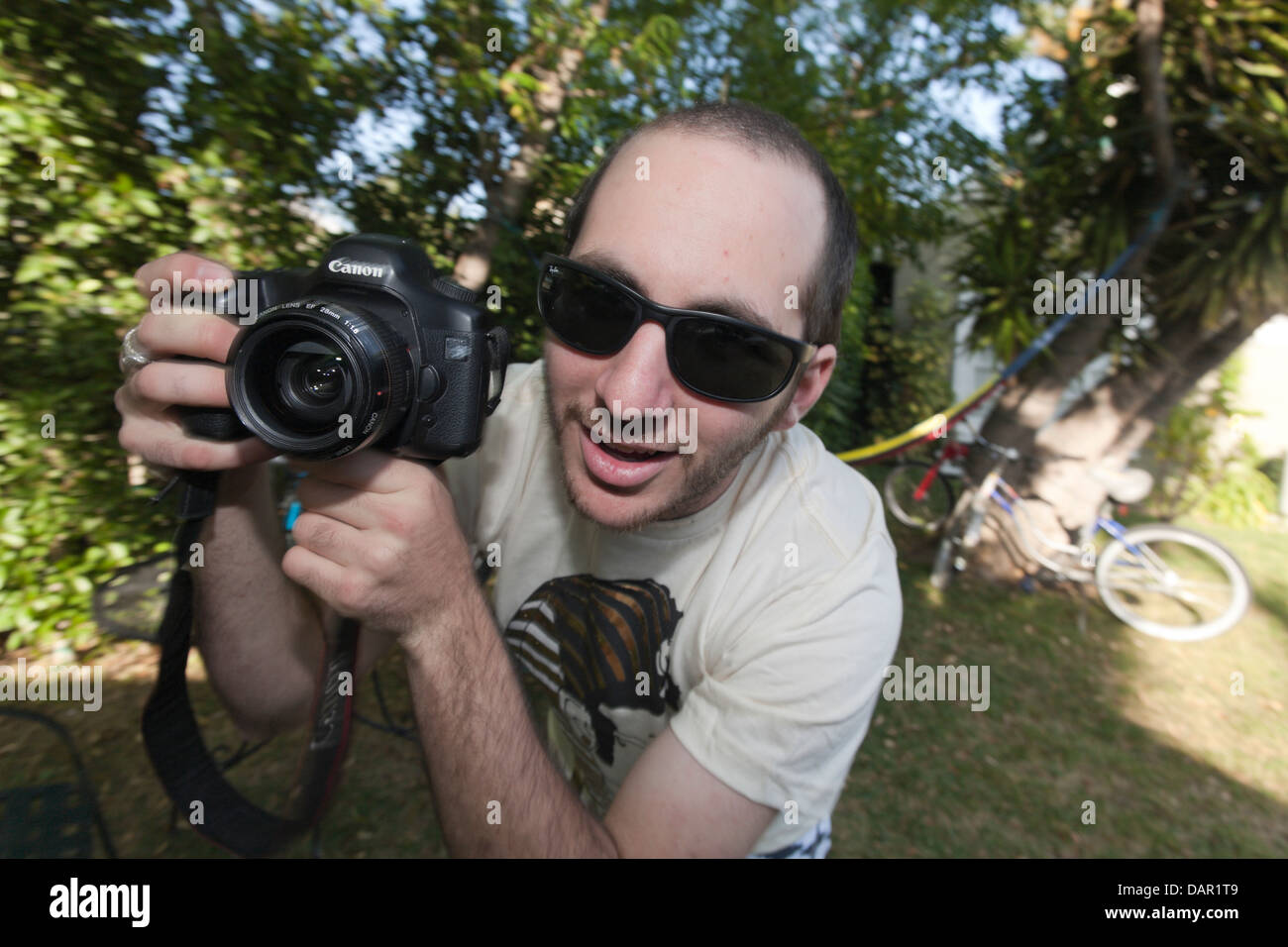
Cobra Snake is the moniker of Mark Machado, a photographer known for candid photos of underground music, skate, and party scenes in the early 2000s. His images feel immediate, close, and documentary. That sense comes from both eye and equipment. Understanding what camera does cobra snake use helps photographers copy the look and the method behind those scenes.
I studied dozens of his published photos, magazine credits, and interviews to form this guide. My own street-shooting practice of similar subjects gives practical context. The camera choice matters for grain, depth of field, and how intrusive you feel when shooting close to people.

What cameras did Cobra Snake use during the film era?
Cobra Snake made his name during the film era. From prints and the era’s common tools, his primary tools were compact 35mm SLRs and rangefinders. These cameras offered mobility, quick handling, and the familiar film grain we associate with his photos.
Common film cameras matching his style and workflow include:
- 35mm SLRs such as Canon AE-1 and Nikon FM series. These are reliable, widely used, and produce that classic look.
- Rangefinder-style cameras or small compact 35mm bodies that allow for unobtrusive shooting.
- Fast prime lenses in the 28–50mm range, which let him work close in tight party spaces.
Why film mattered
- Film grain and dynamic latitude gave his images mood and texture.
- Shooting film enforced deliberate framing and timing, shaping a candid aesthetic.
- The tactile process contributed to his creative voice.
This section gives context for what camera does cobra snake use during his most iconic years.
Transition to digital and recent gear
As the industry moved to digital, many contemporary photographers switched too. Cobra Snake’s later work shows evidence of digital shooting. For modern shoots he likely used consumer and prosumer DSLRs and later mirrorless bodies, with Canon being a common brand among photojournalists and culture shooters at the time.
Key points about the digital transition:
- DSLRs like Canon EOS 5D series became popular for low-light work and shallow depth of field.
- Mirrorless systems later offered lighter kits for street and event shooting.
- Despite digitization, his look often retained film sensibilities through processing, grain emulation, and color grading.
If you ask what camera does cobra snake use today, expect a blend of digital bodies with classic lenses and film-like post-processing.
How to replicate Cobra Snake’s look: camera and lens choices
If you want to recreate that raw, intimate vibe, you don’t need the exact model. Focus on these practical choices instead.
Essential gear to mimic his style:
- Camera body: Any compact 35mm SLR or a small digital mirrorless/DSLR works. Think Canon AE-1 if you want film, or a Canon EOS 5D / full-frame mirrorless for digital.
- Lens choice: A fast prime 28mm, 35mm, or 50mm. These focal lengths match the perspective of his work.
- Aperture: Shoot wide (f/1.8–f/4) to isolate subjects while keeping context.
- Film stock or profile: Use ISO 400–800 color or black-and-white film, or digital grain filters and muted color profiles.
Practical tips:
- Keep gear minimal and quick to operate.
- Use a prime lens to force closeness and intimacy.
- Embrace motion blur and grain; they add authenticity.
This answers what camera does cobra snake use in a practical, actionable way for photographers to follow.
Camera settings, film choices, and processing
Beyond the camera body, settings and film choices define the look. Here’s a concise guide to emulate his style.
Settings for film-style shots:
- ISO: 400–800 for grain and low-light flexibility.
- Shutter: 1/60–1/250s depending on motion; slower for ambient blur.
- Aperture: f/1.8–f/4 for subject separation.
Film stocks and digital equivalents:
- Color film: Use consumer color negative film rated at ISO 400 for punchy, warm tones.
- Black-and-white: High-contrast b/w films produce gritty textures.
- Digital alternative: Shoot RAW, apply subtle grain, slight desaturation, and contrast curves that mimic negative film scans.
Processing tips:
- Scan film at moderate resolution to retain grain texture.
- For digital, use film emulation presets sparingly. Keep highlight roll-off and midtone warmth.
These recommendations show the practical side of what camera does cobra snake use and how he achieved his tone and grain in both film and digital.
My experience and lessons learned from shooting similar work
I’ve shot dozens of late-night shows and street scenes with compact primes and a light SLR or mirrorless body. From that hands-on time, here are lessons that echo Cobra Snake’s approach.
What I learned:
- Blend in: Use small cameras and low-profile lenses to stay unnoticed.
- Be decisive: Film forces you to pick moments. I learned to wait for compositional tension.
- Embrace imperfections: Grain, flare, and motion blur often improve the mood.
- Process intentionally: My best recreations used modest grain and toned highlights.
Mistakes to avoid:
- Over-processing: Heavy filters kill authenticity.
- Shooting too distant: His photos feel close because he chose proximity and 35mm-ish focal lengths.
This section reflects practical experience tied to the question what camera does cobra snake use and how to act on that knowledge.

PAA-style quick questions
Q: Did Cobra Snake use film or digital?
A: He built his early work on film 35mm cameras and later incorporated digital DSLRs and mirrorless bodies.
Q: Which lens did he favor?
A: Wide-to-standard primes in the 28mm–50mm range are most consistent with his intimate style.
Q: Can I get his look with a smartphone?
A: You can approximate it with a wide lens, grain filters, and careful color grading, but true film texture is different.

Frequently Asked Questions of what camera does cobra snake use
What camera does Cobra Snake use for his early work?
His early work was primarily shot on 35mm film cameras, including compact SLRs and rangefinder-style bodies with fast prime lenses.
Did he shoot on Canon or Nikon?
Both brands were common among photographers of his era; many of his peers used Canon SLRs. Evidence suggests Canon bodies and lenses fit his working style.
What lens focal length did he prefer?
He favored wide-to-standard primes in the 28mm–50mm range to capture close, candid moments with context.
Can I replicate his style with digital gear?
Yes. Use a full-frame sensor or APS-C with prime lenses, shoot RAW, and apply film-like grain and color processing to match his aesthetic.
Is film necessary to get an authentic Cobra Snake look?
Film helps with authentic grain and dynamic range, but skilled digital processing can closely mimic that look if done carefully.
How important is lighting for his photos?
Lighting is crucial. His work often relied on ambient and available light, so low-light handling and fast lenses are essential.
Did he use flash often?
He mostly used available light, but selective use of small flash or bounce can be part of the toolkit if you want similar effects.
Conclusion
Cobra Snake’s look is less about a single model and more about choices: 35mm film or compact SLRs, fast prime lenses, close shooting, and raw processing. If you want to emulate him, pick a small camera, a 28–50mm prime, shoot at ISO 400–800, and process with restraint to keep texture and mood. Try shooting with a simple kit for a month and focus on proximity and timing; that practice will move you closer to his style faster than obsessing over a specific model. If this guide helped, try the suggested gear, share your shots, and subscribe or comment to keep the conversation going.

Jamie Lee is a seasoned tech analyst and writer at MyTechGrid.com, known for making the rapidly evolving world of technology accessible to all. Jamie’s work focuses on emerging technologies, product deep-dives, and industry trends—translating complex concepts into engaging, easy-to-understand content. When not researching the latest breakthroughs, Jamie enjoys exploring new tools, testing gadgets, and helping readers navigate the digital world with confidence.