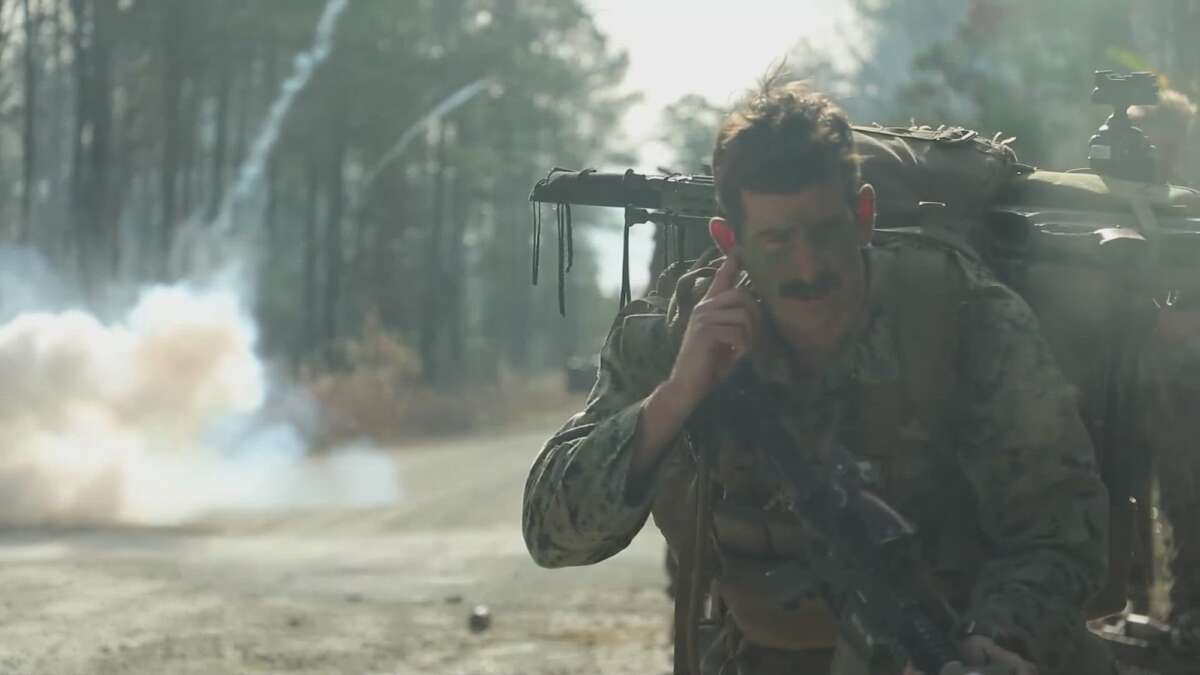
Most combat camera Marines finish formal training in about 6–12 months full pipeline.
I’ve worked with military media teams and studied training pipelines closely, so I know how the pieces fit. This article explains exactly how long is combat camera training Marines undergo, step by step. You’ll get clear timelines, what each phase teaches, real-world tips from service experience, and realistic expectations about how long it takes to be deployment-ready as a combat camera Marine.
What is Marine combat camera and why training matters
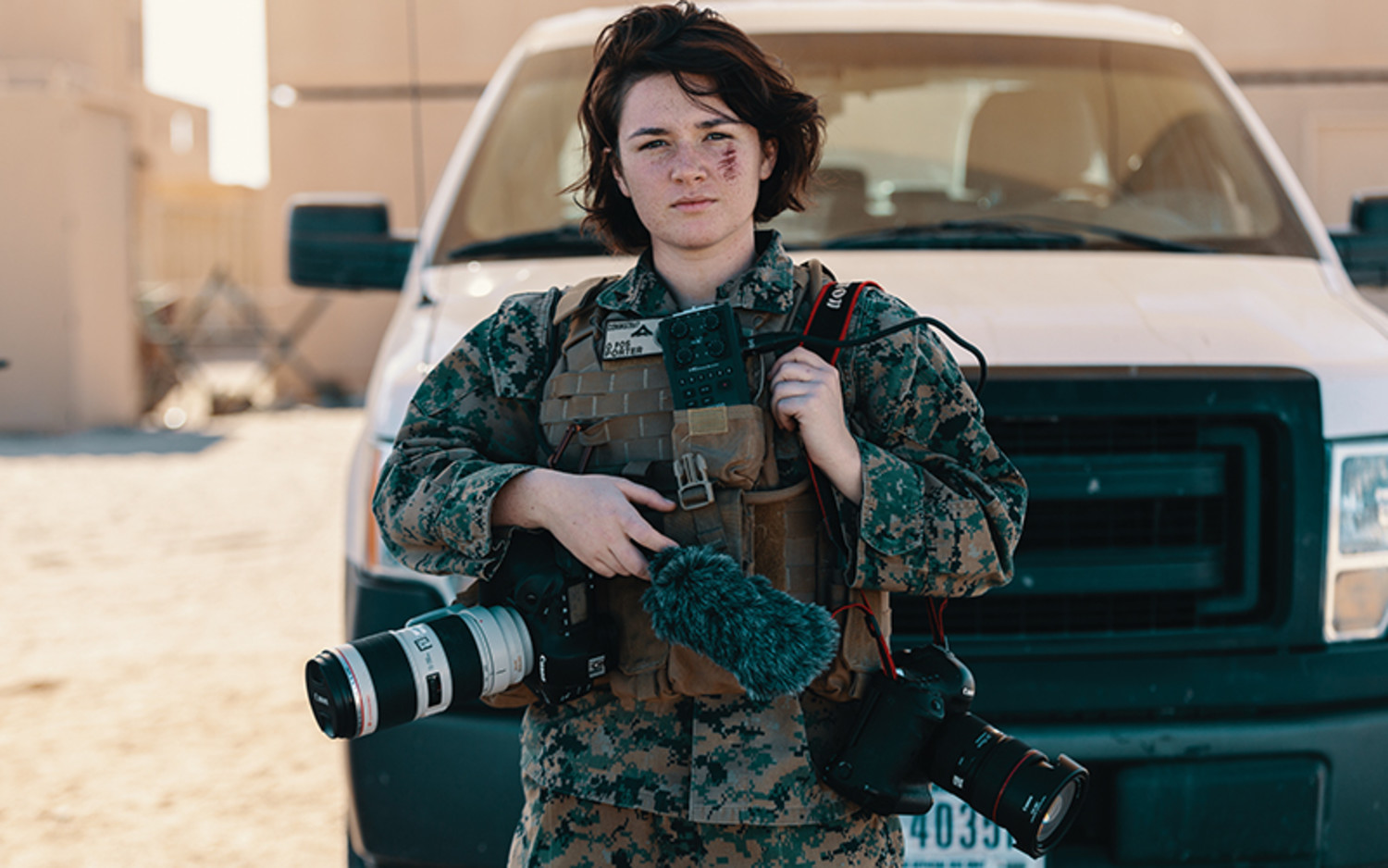
Combat camera Marines capture photos and video in support of operations. Their work documents missions, informs leaders, and shapes public information. Training matters because the job mixes creative craft with tactical demands. You must be able to shoot clean visuals under stress and follow strict security and legal rules.
How long is combat camera training Marines: timeline overview
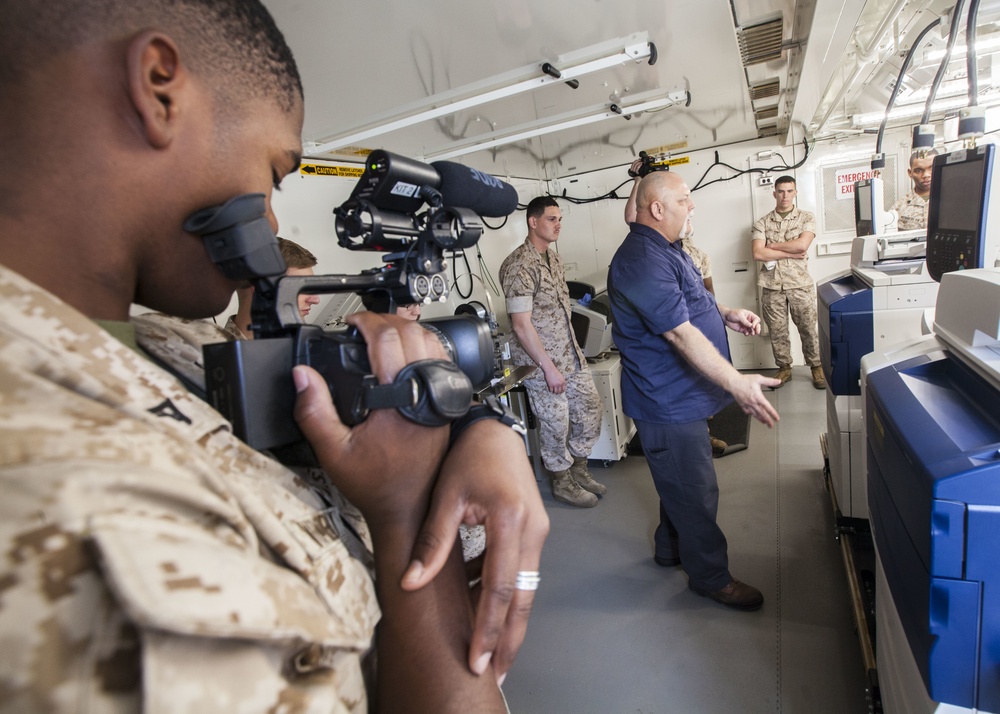
When people ask how long is combat camera training Marines, they want a clear timeline. The full pipeline usually spans several phases and can take from about six months to more than a year. Exact time depends on school schedules, course length, and follow-on qualifications. Below is a practical timeline that reflects common paths.
Typical training pipeline and durations

Here is a breakdown showing how long is combat camera training Marines from enlistment to operational readiness.
- Recruit training (Boot camp): 12 weeks.
All Marines attend this. It builds basic fitness and Marine skills. - Marine Combat Training (MCT) for non-infantry: About 29 days.
This course gives combat fundamentals for non-infantry Marines. - MOS-specific technical school: 8 to 20 weeks typical.
This phase covers camera skills, video, editing, metadata, and mission protocols. Length varies with school and curriculum. - On-the-job training and unit integration: 3 to 9 months.
Hands-on experience with a unit, practicing in real conditions, and earning qualifications. - Advanced and refresher courses: variable.
Units often send Marines to advanced classes, software certification, and mission-specific training.
If you add everything, the practical answer to how long is combat camera training Marines is about 6–12 months to reach baseline operational ability. Some Marines reach readiness faster; others take longer because of course wait times or additional clearances.
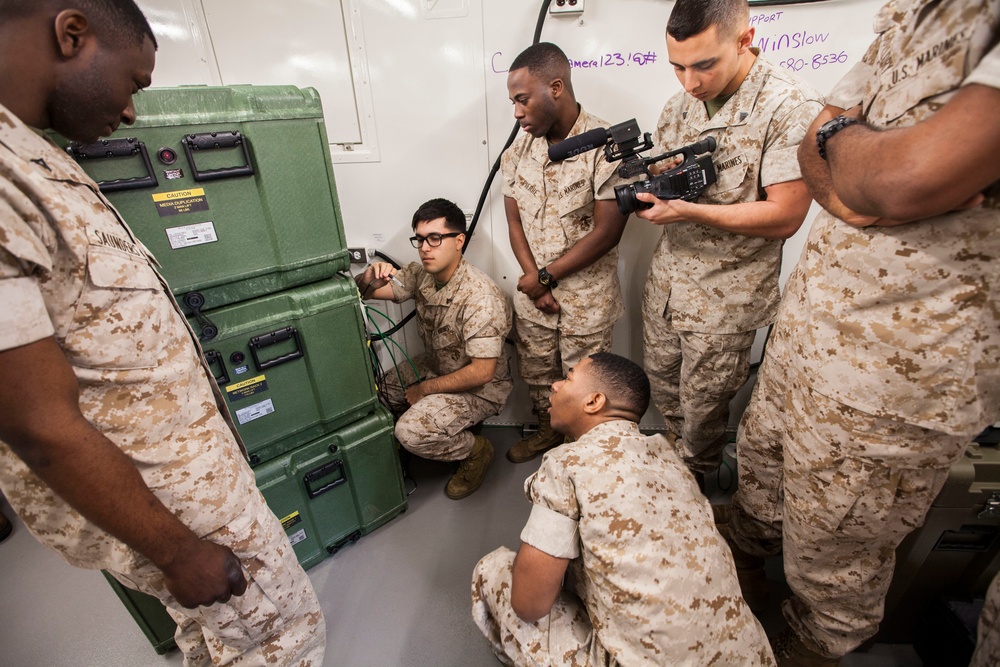
What skills are taught during combat camera training
Training covers technical, tactical, and administrative skills. Key areas include:
- Photography fundamentals.
Composition, exposure, lenses, and low-light work. - Videography basics.
Framing, motion, stabilization, and in-field recording workflows. - Editing and metadata.
Efficient editing, color correction, codecs, and metadata tagging for military archives. - Fieldcraft and safety.
Camouflage, movement, and risk awareness near operations. - Communication and legal issues.
OPSEC, rules of engagement, and handling imagery for public release. - Mission planning and embed protocols.
How to plan shoots, coordinate with commanders, and embed with units.
These skills are combined to prepare Marines for real missions. When people ask how long is combat camera training Marines, understand they are training both craft and combat readiness.
style=”max-width: 100%; height: auto; border: 2px solid black; border-radius: 10px; display: block; margin: 0 auto;”
loading=”lazy”
/>
Requirements and selection process
Before asking how long is combat camera training Marines, candidates must meet entry requirements. Common prerequisites include:
- Meeting general enlistment standards.
Medical clearance, ASVAB testing, and age limits apply. - Aptitude and interest in visual media.
Recruiters often look for prior experience or strong scores in relevant ASVAB areas. - Security and conduct checks.
Many assignments require clearance or background vetting. - Availability for training timelines.
School slots vary, so timing depends on class availability.
Selection can change the timeline. A slot delay can add weeks or months before MOS school begins.

Real-world example and personal insights
From working alongside combat camera teams, I’ve seen two common patterns. First, a motivated recruit with some media experience moves quickly through MOS school and is ready in about six months. Second, Marines who need extra field training or wait for course dates often take 9–12 months. A tip from the field: build a portfolio before enlisting. That can speed placement into relevant courses and help you stand out during unit training.
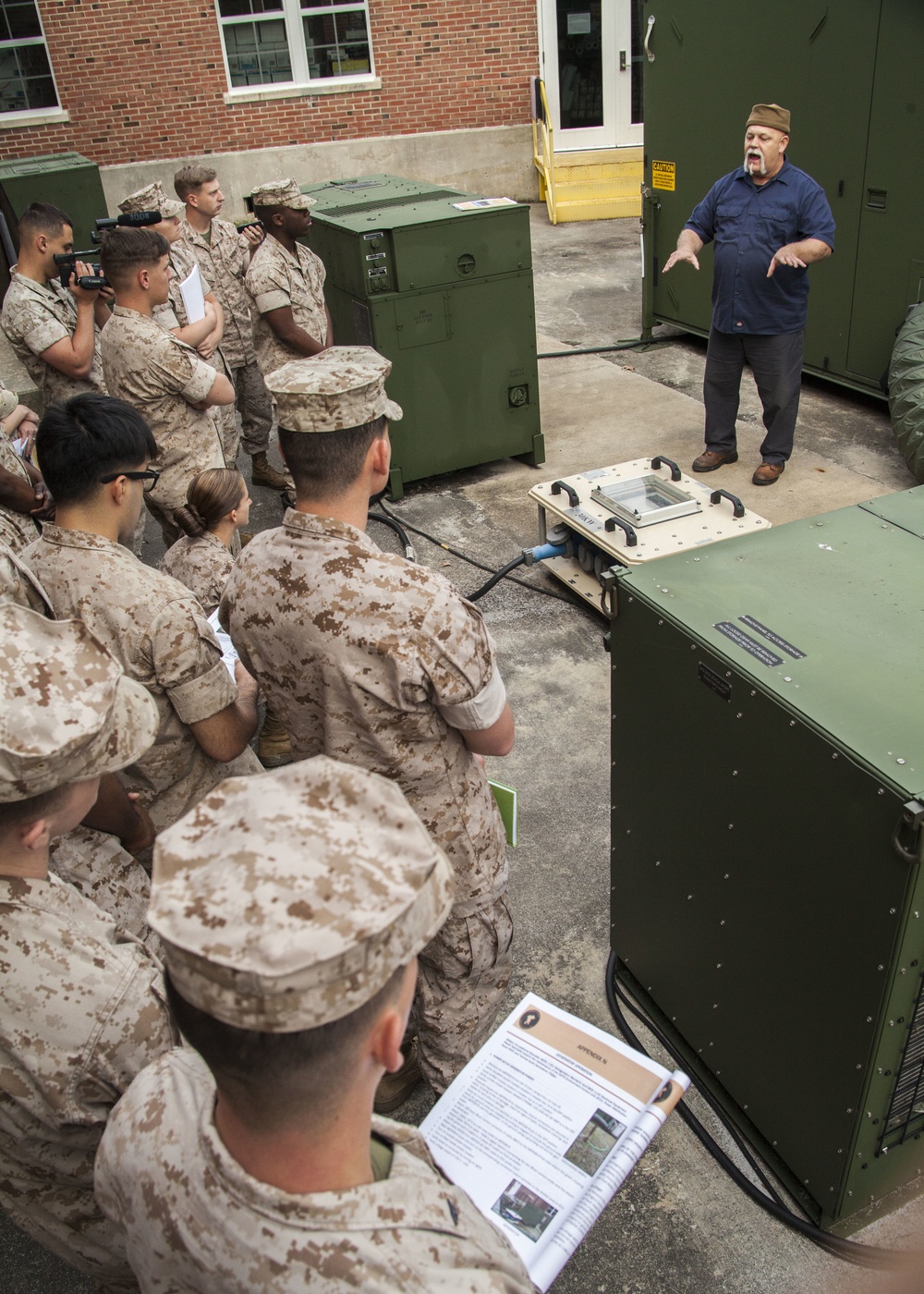
How training prepares you for deployments and civilian careers
Training focuses on mission readiness and future employability. Combat camera Marines learn to:
- Produce publishable visual content under pressure.
This is valuable for public affairs and media jobs. - Manage secure media workflows.
That skill matters in government and private security roles. - Operate equipment and software used in industry.
Hands-on experience with professional cameras and editing suites translates to civilian work.
When considering how long is combat camera training Marines, remember the timeline also builds a portfolio for life after service.
Common delays and factors that extend training time
Several issues can stretch how long is combat camera training Marines:
- Class waitlists and school capacity.
Schools run on set schedules, and space can be limited. - Security clearance processing.
Clearance delays can pause assignment to sensitive roles. - Medical or administrative holds.
Injuries or paperwork can push back start dates. - Need for remedial training.
Additional courses in shooting, editing, or field skills add time.
Plan for a flexible timeline. Expect some delay and use waiting periods to study or build skills.
PAA-style questions (People Also Ask)
Q: Can you complete combat camera training faster if you have prior experience?
A: Yes, prior experience can speed placement and help you advance faster through MOS school and unit tasks.
Q: Is combat camera school the same for all branches?
A: No, each branch has its own programs and schools, so timelines and course content differ by service.
Q: Will I need a security clearance for combat camera work?
A: Often you will. Many combat camera roles require background checks and clearance for operational imagery.
Frequently Asked Questions of how long is combat camera training marines
How long is combat camera training marines from enlistment to MOS school?
From enlistment to MOS school entry, expect about 3 to 4 months, counting boot camp and initial Marine Combat Training. Delays can extend this period.
How long is combat camera training marines for the technical courses?
Technical course length for combat camera training typically ranges from 8 to 20 weeks depending on the curriculum and school. Course availability and scope determine the exact duration.
How long is combat camera training marines before deployment readiness?
Most Marines reach basic deployment readiness in about 6 to 12 months after enlistment, factoring in unit integration and on-the-job training. Some units may require longer qualification cycles.
How long is combat camera training marines if you need additional clearances?
Add several weeks to many months if security clearances are needed, since background checks vary in length. Plan for slower timelines when clearances are required.
How long is combat camera training marines for ongoing professional development?
Advanced and refresher courses happen throughout a career and can be short (days to weeks) or longer specialty schools (weeks to months). Continuous learning is common in this field.
Conclusion
Training for a combat camera Marine combines basic Marine training, MOS-specific schooling, and hands-on unit experience. Expect the full path to take roughly 6–12 months in most cases, though delays and advanced training can extend that window. If you aim for this job, start building a portfolio, practice field skills, and stay flexible with timelines. Ready to learn more or share your experience? Subscribe, comment with questions, or contact a recruiter to see current course schedules and openings.

Everett Ashford is a tech reviewer at mytechgrid.com specializing in SSDs, cameras, TVs, earbuds, headphones, and other consumer electronics. He provides honest, data-driven reviews based on hands-on testing and real-world performance analysis. Everett simplifies complex tech details to help readers make smart, confident buying decisions.