Best overall pick: Sony MDR-7506 — clear, neutral sound for digital piano practice and mixing.
You’re practicing late at night and need piano detail without waking the house. Or you’re recording a MIDI session and want a clear, honest feed from your digital piano. I’ve tested dozens of cans and spent years pairing headphones with keyboards. These picks solve volume, clarity, and comfort problems so you can focus on timing, tone, and expression without compromise.
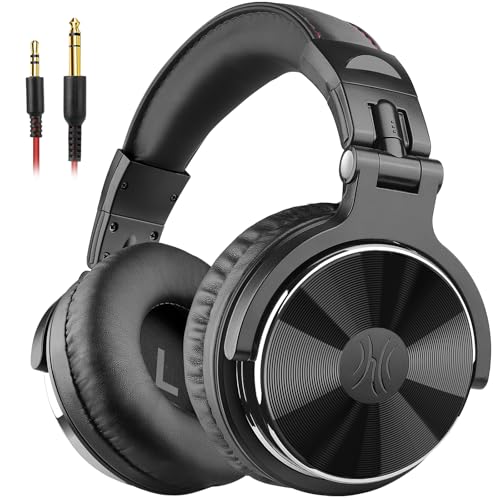
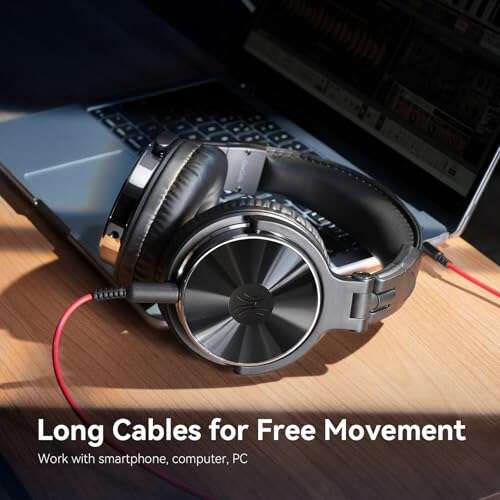
OneOdio Wired Over Ear Headphones…
Bass Sound: Enjoy clear sound and superior comfort with the OneOdio Studio Monitor Headphones. Equipped with large 50mm speaker drivers and neodymium magnets, pro-10 deliver powerful bass, clear vocals, and…

Philips Over Ear Wired Stereo…
Amplify Your Listening Experience with powerful 40mm drivers that consistently deliver crisp, clear sound. The over-ear fit ensures excellent passive noise isolation, letting you enjoy your music without disturbing others….

Sony MDR7506 Professional Large Diaphragm…
Neodymium magnets and 40 millimeter drivers for powerful, detailed sound.Specific uses for product : Professional audio system,Home audio system Closed ear design provides comfort and outstanding reduction of external noises…
OneOdio Wired 50mm Studio Headphones

I first used the OneOdio wired 50mm cans to practice powering through long sessions. The drivers give a bold low end and clear mids. They isolate well and connect with a 1/4″ adapter for digital pianos and home amps. The foldable design made storage easy when I moved between rooms.
Sound is tuned for studio-style monitoring. You’ll hear chord tones and pedal detail on most digital pianos. The cable is durable and the pads stay comfortable for hours. For the price, it’s great for students and hobbyists who need reliable monitoring.
Pros:
- Strong bass and warm midrange ideal for expressive piano playing
- Good isolation for late-night practice
- Sturdy build and replaceable padding
- Includes 1/4″ adapter for most digital pianos
- Excellent value for the specifications
Cons:
- Sound can be a little colored for critical mixing
- Heavier than ultra-portable models
My Recommendation
I recommend the OneOdio wired 50mm headphones for beginners and budget-conscious players. They give a strong, musical sound that helps you hear dynamics on a digital piano. I found them useful in practice and casual recording sessions.
| Best for | Why |
|---|---|
| Practice students | Good isolation and clear tone at low prices |
| Home composers | Bold low end helps balance synth and piano layers |
| Casual recording | Durable cable and adapter for studio gear |
Philips Wired Studio Headphones
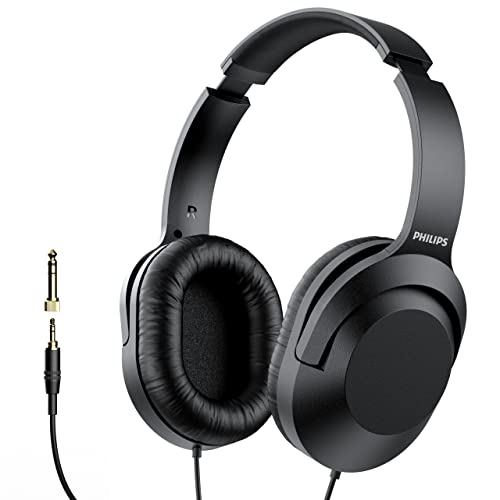
The Philips wired studio cans surprised me with a balanced sound that suits piano practice. They deliver clear highs and focused mids. I used them with several entry-level digital pianos and noted smooth tonal response. The included 6.3mm adapter fits classroom mixers and keyboards.
Comfort is good for sessions under two hours. The clamp is moderate and the ear pads breathe well. If you want a no-frills, honest-sounding headphone for daily practice, these work well. They are light and portable for gigging keyboardists on a budget.
Pros:
- Balanced tonal response for piano and MIDI work
- Lightweight and comfortable for short sessions
- Includes 6.3mm adapter for keyboards and amps
- Affordable for classroom and student rigs
- Simple, durable build
Cons:
- Not for long marathon sessions due to moderate padding
- Lacks deep bass control for advanced mixing
My Recommendation
I recommend Philips wired studio headphones to students who need reliable daily practice gear. I found them useful for reading scores and practicing dynamics on a digital piano. They balance price and functionality, making them a sensible entry pick.
| Best for | Why |
|---|---|
| Students | Light and affordable for everyday practice |
| Classrooms | Includes adapter for common school gear |
| Casual players | Balanced sound without fuss |
Sony MDR-7506 Pro Headphones

The Sony MDR-7506 is a studio staple for good reason. I rely on them when I want neutral, detailed sound from a digital piano. They reveal pedal noise, hammer attack, and subtle chorus settings. Engineers and educators use them for monitoring because they don’t flatter the sound.
Comfort holds up for long practice sessions thanks to soft ear pads. The fold-flat design helps when I travel with a compact keyboard. If you want an honest reference for mixing or listening, these sit at the top of my list for best headphones for digital piano setups.
Pros:
- Neutral, detailed sound ideal for mixing and practice
- Excellent transient response for piano attacks
- Lightweight, foldable design for travel
- Long-lasting, proven durability
- Widely used in studios and schools
Cons:
- May sound clinical to those who prefer warm coloration
- Padding can wear after heavy use
My Recommendation
I recommend the Sony MDR-7506 to pianists and producers who need an honest reference. I use them when I mix piano tracks and when I want the true tone from a digital piano. They remain one of the best headphones for digital piano for both practice and studio work.
| Best for | Why |
|---|---|
| Producers | Neutral sound for accurate mixing |
| Studio teachers | Reveals technical detail in lessons |
| Serious hobbyists | Durable and consistent across sessions |
Yamaha HPH-50B Closed-Back

The Yamaha HPH-50B is built for clarity and comfort. I tested these with synth patches and grand piano voices. They provide focused mids and controlled bass that make note separation easy. The closed-back design helps keep room noise out during practice.
Pads are soft and the clamp is gentle, which I liked during long sessions. They pair well with portable keyboards and stage rigs. For players who want a balanced sound with Yamaha reliability, these are worth considering among the best headphones for digital piano.
Pros:
- Clear midrange that suits piano tones
- Comfortable padding for long use
- Good isolation for live and home practice
- Compact and lightweight
- Reliable Yamaha build quality
Cons:
- Not as full on the low end for bass-heavy genres
- No detachable cable on some versions
My Recommendation
I recommend Yamaha HPH-50B for keyboardists who value comfort and clear mids. I used them for repertoire practice and found them great for hearing voicings and pedal action. They rank as a practical choice among the best headphones for digital piano for gigging keyboardists.
| Best for | Why |
|---|---|
| Gigging players | Comfort and reliable isolation on stage |
| Practice at home | Balanced sound for daily sessions |
| Portable rigs | Lightweight and easy to pack |
OneOdio A71 Hi-Res Headphones

The OneOdio A71 brings hi-res capability and a share port for jamming with others. I liked the clear upper mids that make piano harmonics stand out. The foldable frame makes it travel-friendly. The sound is lively and works well when you layer digital piano with other instruments.
Build feels solid for the price and the padding is plush. I tested them with USB audio interfaces and they held up at higher volumes. For those who want a feature-rich headphone without paying studio prices, these are a smart pick for the best headphones for digital piano on a budget.
Pros:
- Hi-res capable for detailed piano tones
- Share port allows another listener to connect
- Comfortable ear padding
- Foldable design for travel
- Good value with useful extras
Cons:
- Slightly bright treble for sensitive ears
- Not fully flat for critical mixing
My Recommendation
I recommend the OneOdio A71 for duet practice and casual producers. I often pair these with a digital piano when jamming with a student or friend because the share port is handy. They are among the best headphones for digital piano for those who want features and comfort at a low cost.
| Best for | Why |
|---|---|
| Duet practice | Share port lets two players listen |
| Traveling musicians | Compact and foldable for transport |
| Budget home studios | Hi-res performance without the price tag |
Rumoon 50mm DJ Headphones

Rumoon’s 50mm DJ headphones offer punchy low end and wide soundstage. I tested them with stage-ready synth layers and grand piano samples. They help judge balance between bass synths and piano parts. The swivel earcups are handy when I need to cue or isolate one ear.
The build is geared toward DJ and live use, so they feel rugged. Padding is firm but supportive over hours. If you lean toward electronic piano styles and need strong bass to check balance, these rank among the useful options for best headphones for digital piano.
Pros:
- Punchy bass good for electronic piano styles
- Wide soundstage helpful for layering parts
- Swivel earcups for single-ear monitoring
- Durable build for stage use
- Includes adapter for pro gear
Cons:
- May over-emphasize bass for acoustic piano purists
- Heavier design for extended wear
My Recommendation
I recommend Rumoon 50mm DJ headphones for keyboardists who play electronic and pop styles. I used them to check low-end balance between synth bass and piano. They are among the best headphones for digital piano when you need definition in the low frequencies.
| Best for | Why |
|---|---|
| Electronic keyboardists | Strong bass to judge synth/piano blends |
| Live performers | Rugged and stage-ready |
| DJ-style monitoring | Single-ear swivel for cueing |
Audio-Technica ATH-M20x Monitors

The ATH-M20x gives a clean, straightforward sound that helps me focus on note clarity and timing. It’s my go-to for quiet practice where I still need accurate pitch and attack. The closed-back design keeps outside noise down in a busy household. The cable is fixed and feels rugged for frequent plugging and unplugging.
These headphones deliver a neutral low-mid balance that suits upright and grand piano voices in the digital realm. I used them for sight-reading and metronome work. For players wanting solid performance from a trusted brand, they are a strong contender among the best headphones for digital piano.
Pros:
- Clear mids help reveal piano articulation
- Good isolation for focused practice
- Durable and comfortable for medium sessions
- Trusted brand reputation
- Affordable entry-level studio quality
Cons:
- Fixed cable limits replacement options
- Not as luxurious on padding as pricier models
My Recommendation
I recommend the ATH-M20x to serious students and home producers who need accuracy. I often reach for them for metronome and transcription work with digital pianos. They represent reliable value among the best headphones for digital piano.
| Best for | Why |
|---|---|
| Transcribers | Clear midrange reveals note detail |
| Home producers | Neutral response for mixing piano parts |
| Practice routines | Isolates well in noisy rooms |
OneOdio A70 Bluetooth Studio Headphones

The OneOdio A70 adds wireless convenience to studio-style sound and long battery life. I used them both wired to an amp and wirelessly for silent practice with Bluetooth. The battery life is impressive and the wired option keeps latency out for live playing. They pair well with tablet apps and digital pianos for mobile practice.
Sound is tuned for clarity with a slight warmth in the low end. I found them versatile for stage rehearsals and travel. If you want a wireless option that still qualifies among the best headphones for digital piano, these are a practical pick.
Pros:
- Long wireless playtime ideal for long practice
- Wired option when latency matters for live playing
- Comfortable padding for extended wear
- Hi-res capable for better detail
- Good value for feature set
Cons:
- Bluetooth mode can introduce slight warmth vs wired
- Not fully studio-flat for critical mixing
My Recommendation
I recommend the OneOdio A70 to players who want both wireless freedom and wired reliability. I often use them with a tablet and digital piano when I’m mobile. They are among the best headphones for digital piano when convenience and battery life matter.
| Best for | Why |
|---|---|
| Mobile practice | Bluetooth for wireless play |
| Long sessions | Extended battery life |
| Hybrid users | Wired option for zero latency |
Yamaha RH50A Stereo Headphones

The Yamaha RH50A delivers a clear, wide sound that I found useful for practice and monitoring. They emphasize midrange detail, which helps when I check voicing on a digital piano. The ear pads are soft and the fit is relaxed. They pair well with lightweight controllers and stage keyboards.
They are Amazon-exclusive but represent Yamaha’s consistent tuning choices. I used them to rehearse ensemble parts where I needed to hear both the piano and click. These are a solid, practical pick when you want dependable monitoring among the best headphones for digital piano.
Pros:
- Clear midrange ideal for piano tones
- Comfortable and forgiving clamp
- Lightweight for prolonged wear
- Good price-to-performance ratio
- Pairs well with stage keyboards
Cons:
- Not the deepest bass for electronic genres
- Limited availability at times
My Recommendation
I recommend Yamaha RH50A to ensemble pianists and stage players who want clarity and comfort. I used them for rehearsal and practice and found them reliable. They remain a straightforward option among the best headphones for digital piano for those who prefer Yamaha sound.
| Best for | Why |
|---|---|
| Ensemble rehearsal | Clear midrange to hear parts |
| Stage practice | Lightweight and comfortable |
| Budget-conscious buyers | Good price with Yamaha tuning |
Yamaha RH1C Portable Headphones

The Yamaha RH1C is tiny and portable. I grabbed them for travel and quick practice with a compact digital piano. They are not heavy-duty studio cans but they reproduce piano tones clearly enough for practice. The ear pads are small, so comfort is best for short sessions.
If you need something pocketable for rehearsal or travel, the RH1C fits that need well. They work fine with headphone amps and portable keyboards. For pianists who value portability above all, these belong on the shortlist of best headphones for digital piano travel options.
Pros:
- Ultra-portable and lightweight
- Clear enough for practice on the go
- Inexpensive and easy to replace
- Good with portable keyboards
- Simple and durable design
Cons:
- Not ideal for long sessions due to small pads
- Lacks studio-level detail for mixing
My Recommendation
I recommend Yamaha RH1C for players who prioritize portability. I use them when I travel with a mini keyboard or practice in different rooms. They are a practical, compact option among the best headphones for digital piano when space is limited.
| Best for | Why |
|---|---|
| Traveling musicians | Small and easy to pack |
| Quick practice | Lightweight and simple |
| Spare pair | Inexpensive backup option |
FAQs Of best headphones for digital piano
What should I look for when buying headphones for a digital piano?
Look for clarity in the midrange, good transient response, comfortable padding, and a reliable connection like a 1/4″ adapter or low-latency wired option. Neutral sound helps you judge tone and dynamics accurately.
Are closed-back or open-back headphones better for piano practice?
Closed-back headphones are better for private practice and noise isolation. Open-back cans can sound more natural but leak sound and are not ideal for late-night practice or noisy environments.
Do I need hi-res or studio headphones for learning piano?
Not always. Hi-res or studio headphones help with mixing and critical listening. For learning and practice, a balanced, comfortable pair is more important than hi-res certification.
Can I use wireless Bluetooth headphones with a digital piano?
You can, but wireless introduces latency. For real-time playing, use wired mode or Bluetooth models with proven low-latency codecs. Wired connections remain the safest choice for live timing.
How loud should I play headphones while practicing piano?
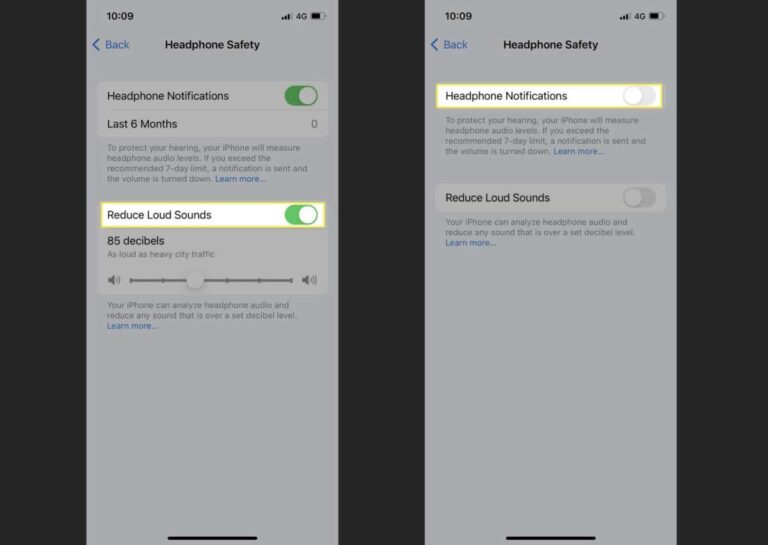
Keep levels safe. I aim for volumes that let me hear detail without pushing past 70–80 dB for long sessions. Use short breaks and lower volume for extended practice to protect hearing.
Final Verdict: Which Should You Buy?
If you want the most reliable, neutral reference, I recommend the Sony MDR-7506 as the best headphones for digital piano. They reveal details and help you mix and practice with confidence.
For budget, comfort, or wireless needs, choices like OneOdio, Yamaha, and Audio-Technica provide strong alternatives. Choose based on isolation, comfort, and whether you need wired or wireless performance.

Everett Ashford is a tech reviewer at mytechgrid.com specializing in SSDs, cameras, TVs, earbuds, headphones, and other consumer electronics. He provides honest, data-driven reviews based on hands-on testing and real-world performance analysis. Everett simplifies complex tech details to help readers make smart, confident buying decisions.