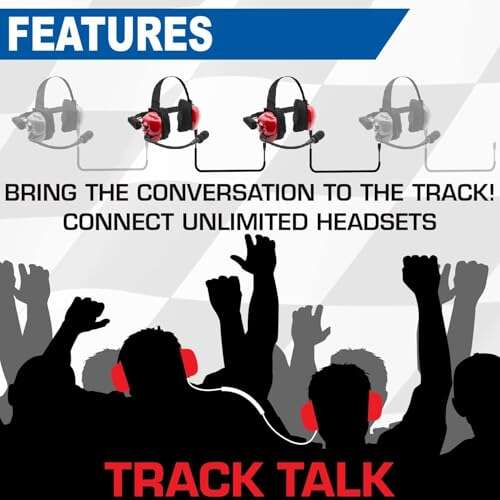
The best headphones for NASCAR races combine clear scanner audio, strong noise control, and a comfortable fit for long race days.
A race track is thrilling, but the engine roar can drown out driver chatter, spotter calls, and race updates. I have found that ordinary earbuds often struggle in this setting. They may slip, distort sound, or fail to block enough noise. The right racing headset acts like a calm bridge through the storm, helping you hear key information without making your ears sore. Below, I compare popular NASCAR race headsets, scanner headphones, ear buds, and useful racing accessories for fans, crew members, and track workers.
Rugged Radios H80 Linkable Headset 2-Pack

The Rugged Radios H80 is a practical choice for two people who want to follow race communication at the same time. Its behind-the-head design leaves less bulk around the back of your neck than a classic over-the-head headset. That can feel better when you wear a cap or sit in a crowded grandstand. The included two-headset setup also makes it useful for couples, parents, or race-day partners.
This headset is built for loud places where clear speech matters more than rich music. I like the linkable design because it supports a shared listening setup instead of forcing each person to manage a separate system. Still, you must confirm compatibility with your scanner, receiver, or track communication setup before race day. A short test at home can prevent a long and frustrating day at the track.
Pros:
- Two headsets offer strong value for couples or teams
- Behind-the-head design works well with caps
- Useful for race scanner and track communication systems
- Helps reduce the strain of loud track noise
- Linkable format supports shared race listening
- Rugged build suits regular track use
Cons:
- May require a compatible radio or scanner
- Behind-the-head fit may not suit every user
- Not designed as a general wireless music headset
My Recommendation
I recommend this 2-pack for two NASCAR fans who attend races together. It is also a smart pick for a small pit or support crew that needs a simple shared headset setup. The main benefit is its practical design, not extra luxury features. If you need the best headphones for NASCAR races for two listeners, this package offers a useful balance of comfort, coverage, and value.
| Best for | Why |
|---|---|
| Two race fans | Includes two headsets for shared listening |
| Cap wearers | Behind-the-head style leaves the crown clear |
| Track communication | Made for loud race environments and radio use |
Rugged Radios H80 Track Talk Headset
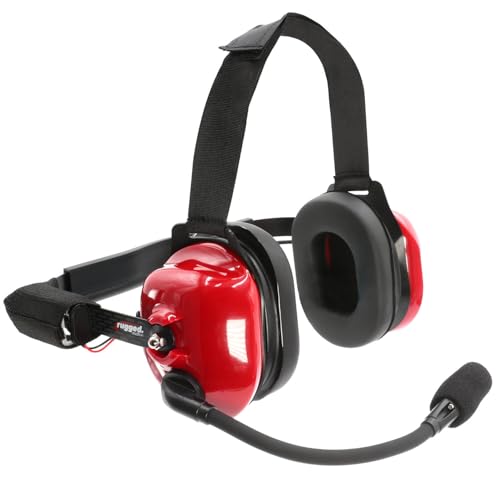
The H80 Track Talk headset targets fans who want a compact behind-the-head fit and clear track audio. This design can be less tiring than a heavy headset when you spend many hours watching practice, qualifying, and the main event. It also works well for people who dislike a headband pressing on their hair. The ear cups help create a more focused listening space around each ear.
I would consider this model when portability matters. It takes up less visual space than a large broadcast-style headset, yet it remains more protective than basic earbuds. As with most racing headsets, the final result depends on the radio or scanner connected to it. Check the plug type and system match before ordering, since racing communication gear is not always universal.
Pros:
- Compact behind-the-head construction
- Comfortable option for users who wear hats
- Designed for track talk and race communication
- Good choice for long viewing sessions
- More stable than loose consumer earbuds
- Easy to pack for travel to the track
Cons:
- Requires a separate compatible source in many setups
- May feel tight on some larger heads
- Limited use for normal Bluetooth music listening
My Recommendation
This headset suits solo NASCAR fans who want a low-profile fit. I especially like it for people who wear a ball cap or dislike a standard top band. It is one of the best headphones for NASCAR races when you want clear race audio without a bulky appearance. Confirm the connector before purchase, then test it with your scanner before leaving home.
| Best for | Why |
|---|---|
| Solo spectators | Offers a simple personal listening setup |
| Hat users | Behind-the-head support avoids the top of the head |
| Long race days | Light, compact design can reduce headset fatigue |
Rugged Radios H20 Racing Scanner Headset

The Rugged Radios H20 uses a familiar over-the-head shape for fans who prefer a traditional headset. Its padded ear coverage helps create a barrier between your ears and the constant sound of engines. The design is straightforward, which is often a strength at a race track. You put it on, connect it to the right scanner, and focus on the action.
An over-the-head headset can feel more secure than small ear buds when you move around the venue. It may also provide a better seal for people who need help hearing radio voices over crowd noise. However, a sealed fit can feel warm during a hot summer race. I suggest taking short breaks and checking the cable path so it does not catch on a seat or bag.
Pros:
- Traditional fit is easy for most users to understand
- Over-ear coverage helps manage loud track sound
- Good match for racing scanner use
- Secure fit for walking through the venue
- Useful for fans who do not like in-ear tips
- Simple design reduces setup confusion
Cons:
- May feel warm during hot races
- Top band can interfere with some hats
- Needs a compatible scanner or receiver
My Recommendation
I recommend the H20 to fans who want a classic racing scanner headset. It is a strong option for users who value ear coverage and a secure fit over a very small design. For many people, it can be among the best headphones for NASCAR races because it keeps the setup simple. It is also a good starting point for first-time scanner users who want a familiar over-the-head style.
| Best for | Why |
|---|---|
| First-time scanner users | Traditional headset design is simple to wear |
| Loud grandstands | Ear coverage helps focus on race audio |
| Walk-around fans | Secure fit stays in place better than loose buds |
Rugged Radios H80 Track Talk Two-Pack

This H80 package adds a race receiver to a two-headset listening setup. That makes it more complete than a headset-only purchase for fans who do not already own a compatible receiver. The two-person format is convenient for a parent and child, a couple, or two members of a race-day group. Its behind-the-head style also helps keep the fit clear of hats.
The receiver is the main reason to consider this bundle. A ready-to-use package can save time when you are preparing for your first race weekend. Still, radio systems can vary by track, series, and channel plan, so I would not assume it covers every possible communication need. Read the current product details and track rules before relying on it for a specific event.
Pros:
- Includes two headsets
- Includes a Nitro Bee race receiver
- Useful bundle for first-time race listeners
- Behind-the-head design works with many caps
- Good choice for shared race-day audio
- Reduces the need to buy separate core items
Cons:
- Bundle may include parts you do not need
- Receiver compatibility still needs checking
- More expensive than a headset-only option
My Recommendation
This is best for two people who want a more complete NASCAR listening kit. I would choose it over a headset-only model when I did not already own a receiver. The bundle has a strong claim as one of the best headphones for NASCAR races for couples and families. Its value depends on whether the included receiver fits your event and listening plan.
| Best for | Why |
|---|---|
| Families | Two headsets let two fans follow the action |
| New scanner users | Includes a receiver for a simpler start |
| Hat wearers | Behind-the-head style leaves room for a cap |
Race Day Electronics RDE-990 Headphones
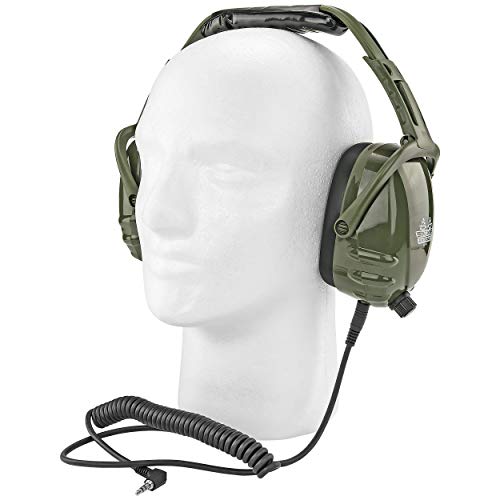
The Race Day Electronics RDE-990 is made for high-noise places, including race tracks, work areas, hunting settings, and shooting ranges. Its earmuff format gives it a broad use case beyond NASCAR. The listing also identifies compatibility with iPhone and scanner use, which may appeal to fans who want more than one listening option. This makes it a flexible choice for race fans with several audio sources.
I like earmuff headphones when I want a familiar fit and strong physical coverage around the ears. They can help make scanner voices easier to follow when the crowd grows loud. The trade-off is size, heat, and cable management compared with small ear buds. Before race day, test the connection with your exact phone or scanner, since device ports and adapters can affect performance.
Pros:
- Designed for loud environments
- Works with suitable iPhone and scanner setups
- Versatile for racing, work, and outdoor use
- Earmuff shape feels familiar and secure
- Useful choice for fans who dislike in-ear products
- Helps separate race audio from general crowd noise
Cons:
- Can feel warm over a long summer event
- Bulkier than ear buds
- Device compatibility may require an adapter
My Recommendation
The RDE-990 is a good fit for fans who want one set of earmuff headphones for several noisy activities. It is especially useful if you switch between a phone and a race scanner. I consider it one of the best headphones for NASCAR races for buyers who want broad everyday use. Choose it when comfort through ear coverage matters more than a lightweight travel size.
| Best for | Why |
|---|---|
| Multi-use buyers | Works across racing and other loud activities |
| Scanner listeners | Earmuff coverage helps focus on speech |
| Phone users | Listing supports suitable iPhone connections |
Rugged Radios H40 Behind-the-Head Headset

The H40 gives NASCAR fans another behind-the-head option for race scanner audio. I see this style as a useful middle ground between full earmuffs and tiny ear buds. It offers a more open feel around the top of the head while keeping the ear pieces in place. That matters when you wear a cap or move often during a long race weekend.
A race headset must do more than play sound. It must stay comfortable while engines, announcements, and crowd noise continue for hours. The H40 focuses on that basic job with a simple design made for racing use. As always, confirm the connector and radio match, because even an excellent headset cannot help if the source is incompatible.
Pros:
- Behind-the-head design suits many hat users
- Made for racing scanner applications
- Less top-of-head pressure than standard headsets
- Compact shape is easy to carry
- Good option for long periods of race listening
- Simple controls and connection reduce distractions
Cons:
- Fit may not work for every head shape
- Usually needs a separate scanner or receiver
- May not provide enough isolation for every grandstand
My Recommendation
I recommend the H40 for race fans who want a simple, low-profile scanner headset. It is a strong match for people who wear hats and dislike a band across the top. Among the best headphones for NASCAR races, it stands out for practical comfort rather than extra features. It offers good value when its connector matches your existing racing audio equipment.
| Best for | Why |
|---|---|
| Cap wearers | Behind-the-head support avoids hat pressure |
| Frequent race visitors | Compact form is easy to pack and reuse |
| Simple setups | Focused design keeps the listening process easy |
Race Radios Direct Challenger 2X Ear Buds

The Challenger 2X uses a semi-custom ear bud shape for fans who want a smaller alternative to earmuffs. The listing highlights louder and clearer sound, a stronger cord, and a softer fit. That combination can work well for spectators who dislike large headsets in warm weather. Ear buds also pack quickly into a small race bag.
In-ear products depend heavily on fit. If the buds seal well, they can deliver clear voice audio with less bulk. If they do not fit your ears, they may loosen or let too much engine sound through. I would try the fit at home and keep a backup set of tips or a spare headset when attending an important event.
Pros:
- Small and easy to carry
- Softer fit may improve long-use comfort
- Strong cord helps with regular track use
- Clear voice audio suits scanner listening
- Less heat than full earmuff headphones
- Two-ear design supports focused listening
Cons:
- Fit varies from one ear shape to another
- Provides less physical coverage than earmuffs
- Wired design needs careful cable handling
My Recommendation
The Challenger 2X is best for fans who want discreet race audio and a soft in-ear fit. I would choose it for warm events, travel, or anyone who dislikes bulky ear cups. It can be one of the best headphones for NASCAR races when portability is the top need. Just make sure the semi-custom shape feels secure before relying on it for a full race day.
| Best for | Why |
|---|---|
| Light travel | Small ear buds fit easily in a race bag |
| Warm weather | Creates less heat than full earmuffs |
| Clear speech | Two-ear fit focuses attention on scanner audio |
Race Day Electronics RDE-058 Pink Headphones

The RDE-058 Pink combines a bright look with noise-reducing race scanner headphone design. Its color can make the headset easier to spot in a busy bag or crowded seating area. The product listing also calls out high-fidelity sound and a comfortable fit. Those details matter because race fans often listen for hours, not minutes.
This model is a good reminder that race gear does not need to look plain. I would consider it for fans who want a personal style choice without giving up the basic benefits of a race headset. Noise reduction can make voices easier to hear, but it does not mean complete silence. Keep the volume at a safe level, and take breaks during long sessions.
Pros:
- Distinctive pink color is easy to identify
- Noise-reducing design suits race venues
- High-fidelity sound supports clear audio
- Comfortable fit for extended listening
- Useful for race scanner systems
- Good gift idea for a NASCAR fan
Cons:
- Pink color may not appeal to every buyer
- Noise reduction is not total sound blocking
- Compatibility with your scanner still needs confirmation
My Recommendation
I recommend the RDE-058 Pink for fans who want a comfortable race headset with a bold look. It is especially appealing as a gift or for anyone who wants to find their gear quickly in a crowded bag. It belongs on a best headphones for NASCAR races shortlist when style and clear scanner sound both matter. Consider another color or shape if a low-profile appearance is more important.
| Best for | Why |
|---|---|
| Style-focused fans | Bright pink finish stands out from plain gear |
| Long listening | Comfort-focused design suits race-day use |
| Gifts | Useful function comes with a fun appearance |
Race Radios Direct Helmet Harness

This Race Radios Direct helmet harness is made for a different job from normal spectator headphones. It targets helmet communication and lists a crystal-clear Gentec microphone for digital NASCAR use. A harness can help keep communication equipment organized inside a racing helmet. That makes it more relevant to drivers, crew members, and serious track users than casual grandstand fans.
Helmet audio must fit the complete communication system, not just the helmet. Before ordering, I would check the radio model, connector, helmet layout, and rules for the series or track. A harness that does not match the rest of the system can create more work than it solves. Proper installation and a full radio test are essential before the car moves.
Pros:
- Designed for helmet communication
- Includes a Gentec microphone system
- Targets digital NASCAR applications
- Helps organize audio parts inside a helmet
- More suitable for active race teams than consumer earbuds
- Useful for clear driver-to-crew communication
Cons:
- Not intended as a simple spectator headset
- Requires careful system compatibility checks
- Installation may need racing communication experience
My Recommendation
This product is best for drivers, crew members, and track workers who need helmet-mounted communication. It is not my first choice for a fan sitting in the stands. For professional or serious amateur use, it may be more valuable than ordinary headphones because it addresses microphone placement and helmet fit. It is only among the best headphones for NASCAR races when your use involves a compatible racing helmet and radio system.
| Best for | Why |
|---|---|
| Drivers | Built around helmet communication needs |
| Race crews | Supports organized radio use in active racing |
| Digital systems | Listing identifies digital NASCAR compatibility |
Arrowmax NASCAR Harness Adapter Cable

The Arrowmax ARCD-IMRF-S-NCRM is an adapter cable rather than a complete pair of headphones. Its purpose is to help connect compatible race car harness systems, with the listing identifying IMSA to NASCAR system compatibility. This type of small accessory can solve a major problem when two communication parts use different connections. It may be useful during setup, repair, or a system change.
I would treat this as a fit-and-connection product, not a plug-and-play audio purchase. Carefully compare the connector shape, wiring standard, and radio equipment before buying. An adapter cannot improve sound if the main headset or radio is wrong. When it does match, however, it can act like the missing puzzle piece that gets a complete racing communication system working.
Pros:
- Useful for compatible IMSA and NASCAR systems
- Can bridge selected harness connections
- Compact accessory is easy to store
- May reduce the need to replace a full harness
- Helpful for race car communication setup changes
- Supports specialized racing equipment needs
Cons:
- Not a headset or headphone by itself
- Compatibility must be checked carefully
- Limited value for ordinary grandstand spectators
My Recommendation
I recommend this cable only for buyers who already understand their race communication system. It can be useful for a team that needs an IMSA-to-NASCAR connection, but it is not a stand-alone answer for fans seeking the best headphones for NASCAR races. Confirm every connector and system detail before ordering. For the right setup, its value comes from solving compatibility trouble, not from adding sound features.
| Best for | Why |
|---|---|
| Race teams | Helps connect compatible harness systems |
| System upgrades | May avoid replacing an entire communication setup |
| Technical users | Useful when connector standards are understood |
How to Choose the Best Headphones for NASCAR Races
Choosing race headphones starts with the audio source. A headset cannot receive NASCAR channels on its own unless the package includes a suitable receiver. Many products work as the listening part of a scanner system. Others include a receiver, microphone, or adapter. I always check the full setup before focusing on comfort or appearance.
Next, think about track noise. NASCAR races can create a steady wall of sound from engines, speakers, people, and track announcements. Earmuff headphones usually offer more physical coverage than ear buds. Behind-the-head models can feel better with hats. Ear buds feel cooler and pack smaller, but their seal depends on your ear shape.
Connector type matters just as much. Some racing systems use specialized plugs, while a phone may need a different port or adapter. Never assume that two products from the same category will connect. Read the product details, compare photos, and test the system before race day. That small step can save hours of stress.
Comfort and Hearing Safety at the Track
Comfort matters because a race day can last from morning practice through the final lap. Look for soft ear contact points, a stable fit, and a cable that does not pull. I also suggest bringing water, taking short breaks, and removing the headset when you do not need race audio. A comfortable headset should help you enjoy the event, not make you forget your ears.
Noise-reducing headphones do not make a race track silent. They lower some sound and help you focus on speech, but the engine noise remains powerful. Keep the volume at the lowest level that lets you understand the broadcast or scanner. If the audio sounds harsh, lower the volume and check the connection instead of turning it higher.
Wired Headsets Versus Wireless Headphones
Wireless headphones look convenient, but most dedicated race systems still favor wired connections. A wired headset does not need a battery during the race. It also avoids Bluetooth pairing problems and delay. For a track scanner, a reliable cable often matters more than wireless freedom.
Wireless headphones can still work for phone audio, streaming, or general travel. They may not connect directly to a racing scanner without the right receiver or adapter. I would choose wireless models for casual media use and dedicated racing headsets for live track communication. The best headphones for NASCAR races are often less flashy than ordinary music headphones, but they fit the job better.
What I Check Before Race Day
I check the plug first. Then I test both ear pieces, inspect the cable, and make sure the ear pads feel comfortable. If the product uses a receiver, I confirm that the receiver has fresh batteries and that I understand its controls. I also pack a spare cable or backup earbuds when the event is important.
I never wait until the green flag to learn how a scanner works. The track is too loud, and the crowd is too busy. A short home test helps me learn the volume wheel, channel control, and connection points. Good preparation turns race audio from a puzzle into part of the fun.
FAQs Of best headphones for nascar races
Do I need a scanner with NASCAR race headphones?
Usually, yes. Many race headsets only provide the speakers and connection. You need a compatible scanner or receiver to hear driver, crew, or track channels. Some bundles include a receiver, but you should still confirm event and channel compatibility.
Are noise-canceling earbuds good for NASCAR races?
They can work for music or phone audio, but they are not always ideal for race scanners. Dedicated racing headsets often offer better connector support and a more secure fit. Ear buds also depend on a good seal in your ears.
Can I wear a hat with a racing headset?
Yes, but the style matters. Behind-the-head headsets usually work better with caps than top-band models. Earmuffs may still fit, but the hat can add pressure or heat.
Are NASCAR racing headsets safe for long use?
Use any headset at a moderate volume and take regular breaks. Noise reduction can help you hear speech without raising the volume too much. It does not remove all track noise, so hearing protection and sensible volume remain important.
What is the best headset for two NASCAR fans?
A two-pack, such as the Rugged Radios H80 Linkable Headset 2-Pack, is the most direct choice. A bundle with two headsets and a receiver may offer more complete value. Always confirm that the receiver matches the race event and your listening needs.
Final Verdict: Which Should You Buy?
For most fans, I would choose the Rugged Radios H20 for its secure over-the-head fit and simple scanner focus. Couples should consider the H80 two-pack or the H80 Track Talk bundle. These are strong choices among the best headphones for NASCAR races.
Choose by fit, connector, and receiver match first. The right racing headset helps every lap sound clearer, from the first green flag to the final checkered flag.

Everett Ashford is a tech reviewer at mytechgrid.com specializing in SSDs, cameras, TVs, earbuds, headphones, and other consumer electronics. He provides honest, data-driven reviews based on hands-on testing and real-world performance analysis. Everett simplifies complex tech details to help readers make smart, confident buying decisions.