Yes, noise-canceling headphones are worth it for frequent travelers, commuters, remote workers, and focused listeners.
The answer depends on how, where, and how often you listen. After looking at active noise cancellation, sound quality, comfort, battery life, hearing safety, and price, the value becomes much clearer. This guide explains when noise-canceling headphones are a smart buy, when they are not, and how to choose the right pair without wasting money.
What Are Noise-Canceling Headphones?
Noise-canceling headphones use small microphones and electronic processing to reduce unwanted sound. The microphones listen to outside noise, such as airplane engines or traffic. The headphones then create an opposing sound wave that lowers the noise you hear.
This process is called active noise cancellation, or ANC. Most models also use passive noise isolation, which comes from the ear cups or ear tips physically blocking sound.
There are two main types:
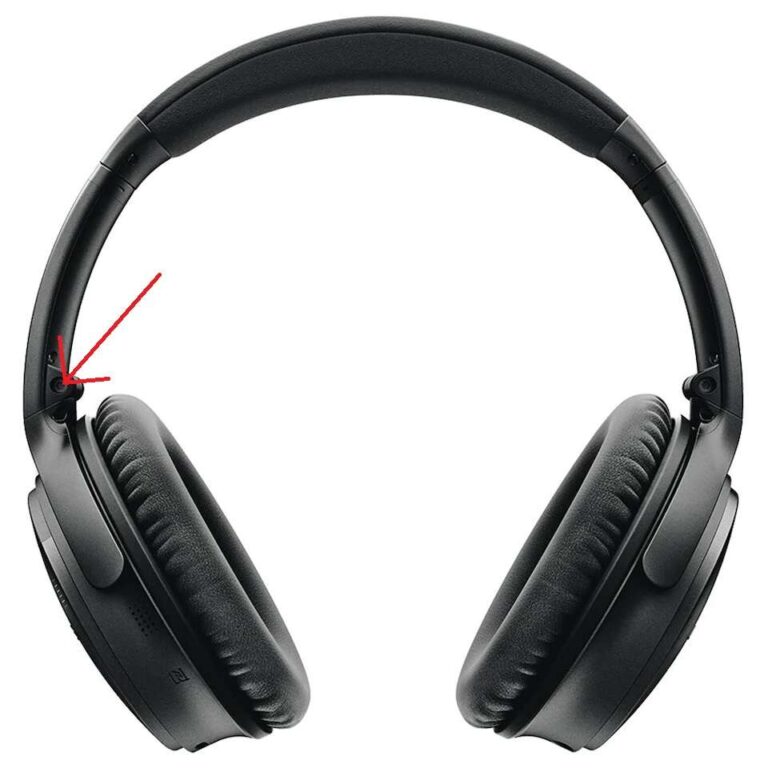
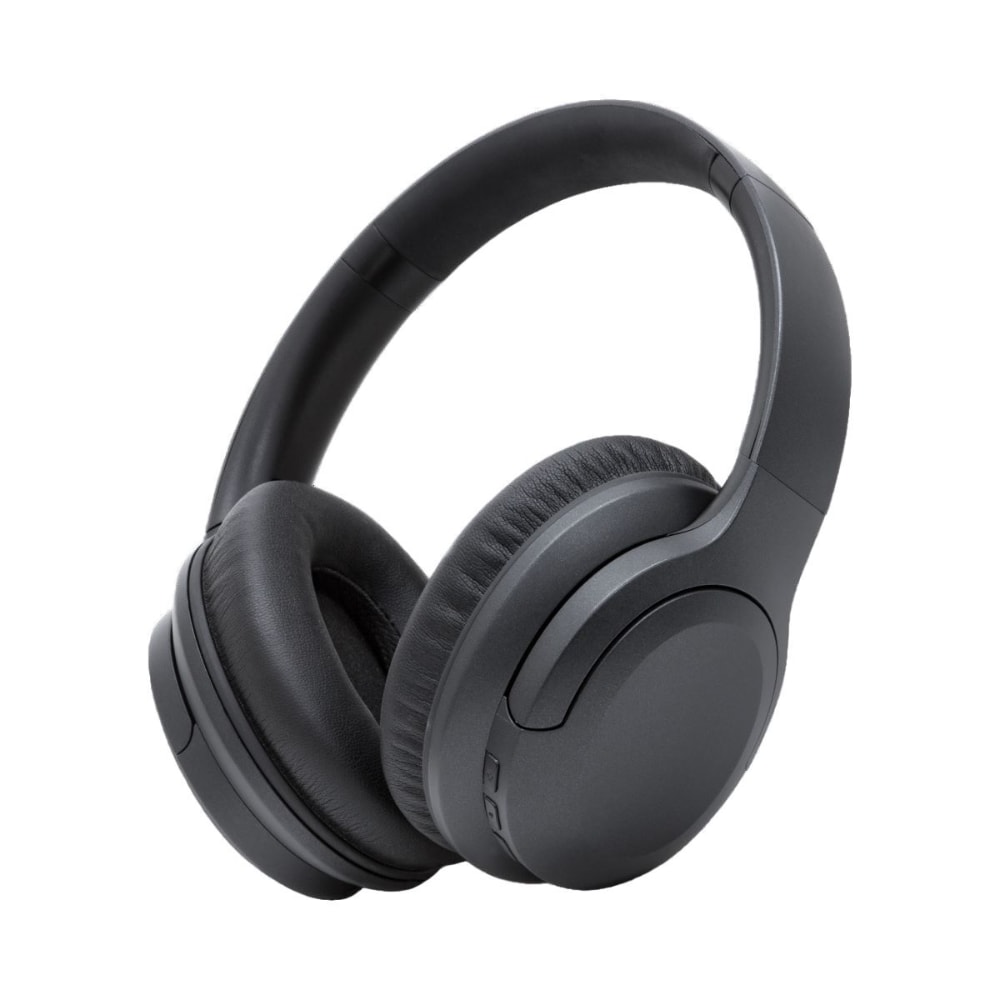
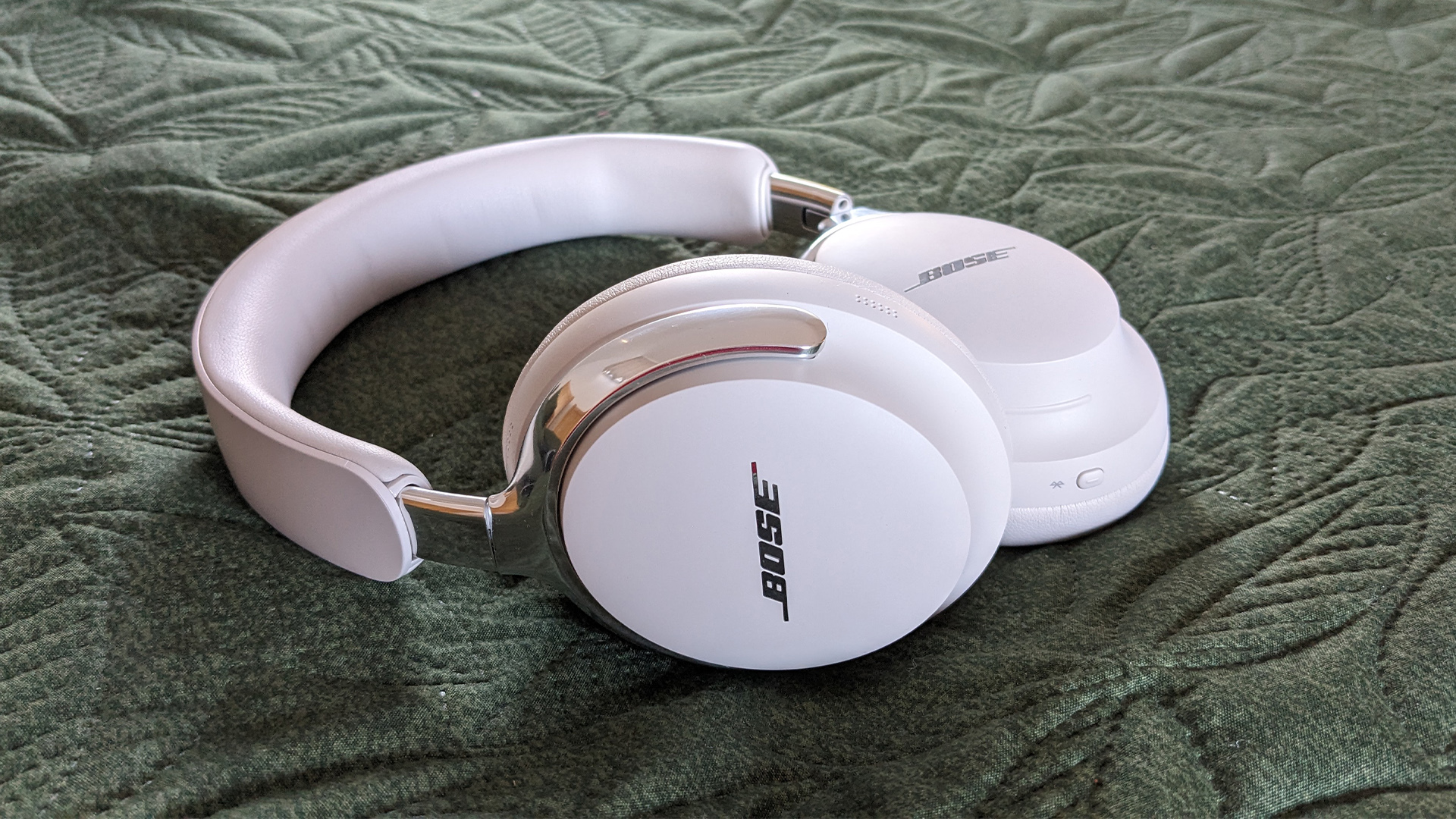
• Over-ear headphones cover your ears with large cushions. They often provide the best comfort and strongest noise reduction.
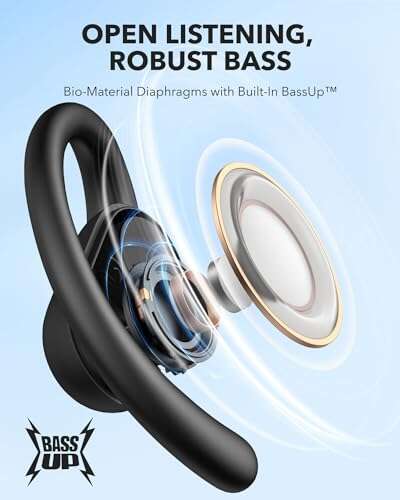
• In-ear earbuds sit inside the ear canal. They are smaller, lighter, and easier to carry.
• On-ear headphones rest against your ears. They can be comfortable, but they often block less sound than over-ear models.
ANC works best with steady, low sounds. It can reduce the hum of an airplane, air conditioner, bus, or train. It is less effective against sudden sounds, speech, clapping, barking, or a crying baby.
Think of ANC as a dimmer switch for background noise, not a magic mute button. It lowers the sound floor so music, podcasts, or silence become easier to enjoy.
Are Noise-Canceling Headphones Worth It for Most People?
For many people, yes. The strongest value comes from regular use in noisy places.
Noise-canceling headphones can make a long flight less tiring, help you focus in a busy office, and make a train ride more peaceful. They may also let you listen at a lower volume because you are not trying to overpower background noise.
However, are noise cancelling headphones worth it if you mostly listen at home in a quiet room? In that case, the answer may be no. You may gain more from better sound quality, comfort, or a lower price.
Consider buying ANC headphones if you:
• Travel by plane, train, or bus often
• Work in a shared office or busy home
• Study near other people
• Live near traffic or constant background noise
• Enjoy podcasts in loud places
• Want fewer distractions during work
• Value wireless convenience and long battery life
You may not need them if you:
• Listen mainly in quiet rooms
• Rarely wear headphones for more than 30 minutes
• Prefer the lowest possible price
• Need to hear people and traffic at all times
• Already own comfortable headphones that meet your needs
The key question is not whether ANC is impressive. It is whether you will use it often enough to notice the benefit.

The Main Benefits of Noise-Canceling Headphones
Better focus
Background noise can break your attention again and again. A steady hum may seem harmless, but it can make reading, writing, or working feel harder.
ANC reduces that mental clutter. It does not make you more disciplined, but it removes one common distraction. For remote workers, students, and writers, that can make a real difference.
More comfortable travel
Airplane cabins create a constant low-frequency rumble. ANC headphones can reduce much of that sound, especially when the fit is good.
Many travelers find that they arrive feeling less worn out. The headphones do not remove all cabin noise, but they can make the trip feel calmer.
Clearer speech and music
When outside noise is lower, you do not need to raise the volume as much. This can make spoken audio easier to understand and music more pleasant.
The benefit is especially clear with podcasts and audiobooks. You can hear quiet words without constantly adjusting the volume.
Lower listening volume
ANC does not make loud listening safe by itself. Still, reducing outside noise may help you avoid turning the volume up to compete with traffic or an airplane engine.
Safe listening still matters. A common rule is to keep the volume moderate and take regular breaks. If you notice ringing, muffled hearing, or discomfort, stop listening and give your ears time to rest.
Useful transparency modes
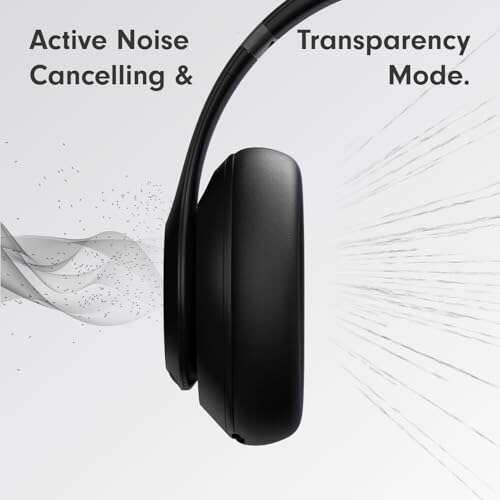
Many ANC headphones include transparency mode. This uses the microphones to bring outside sound into the headphones.
Transparency mode is useful when you need to hear a coworker, a store employee, an airport announcement, or traffic. Good models let you switch between noise cancellation, transparency, and normal listening with a button or touch control.

The Limitations of Noise-Canceling Headphones
Noise cancellation has real limits. Understanding them helps you avoid unrealistic expectations.
ANC does not block every sound
Active noise cancellation is strongest against steady, low-pitched noise. It may reduce the drone of an engine but do little against a nearby conversation.
Passive isolation plays a larger role with high-pitched sounds. A tight seal from ear cushions or ear tips can help block voices, keyboard clicks, and other sharp sounds.
Some people hear a pressure feeling
A few users feel pressure or discomfort when ANC is active. The headphones are not usually changing air pressure inside your ears. The sensation may come from the reduced low-frequency sound or from the brain adjusting to the changed sound environment.
Trying a different model or using a lower ANC setting may help. Earbuds with a poor fit can also create discomfort.
Battery power is required
Wireless ANC headphones need power for active noise cancellation. When the battery runs low, ANC may stop working or the headphones may switch to passive mode.
Battery life varies by model and settings. ANC, high volume, calls, and Bluetooth features can all reduce playback time. A wired listening option is useful during long trips.
Sound quality can vary by mode
Some headphones sound slightly different when ANC is turned on. This happens because the electronics change the signal and the headphones tune their sound for different modes.
Premium models usually handle this well, but no pair sounds perfect to every listener. If music matters to you, test both ANC and normal modes before buying.
They can reduce awareness
Noise cancellation can make it harder to hear a bicycle, car, alarm, or person nearby. Avoid using strong ANC when crossing streets, cycling, walking near traffic, or working in a setting where warnings matter.
Transparency mode helps, but it is not a replacement for staying alert.

Are Noise-Canceling Headphones Worth It for Travel?
For frequent travelers, are noise cancelling headphones worth it in most cases? Yes, they are often one of the best travel accessories you can buy.
Airplanes and trains produce long periods of steady noise. That is the type of sound ANC handles well. A comfortable pair can make it easier to sleep, watch a movie, read, or listen to music.
Look for these features if you travel:
• Strong low-frequency noise reduction
• Comfortable ear cushions
• At least a full day of practical battery life
• A wired listening option
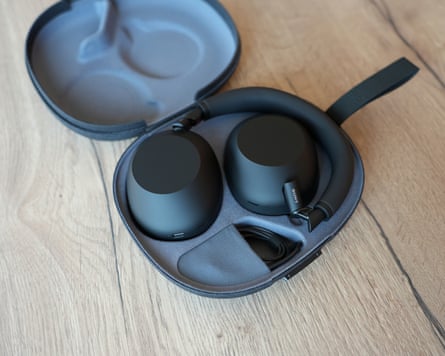
• A compact case
• Multipoint Bluetooth for two devices
• A useful transparency mode
• Physical buttons that are easy to use
Comfort matters more than many shoppers expect. A technically excellent headset can become useless if it feels tight after an hour. Large ear cups, moderate clamping force, and soft padding are often more important than a long feature list.
A good travel test is simple: wear the headphones for at least 30 minutes before buying. Check for pressure on your ears, heat, glasses discomfort, and headband strain.

Are Noise-Canceling Headphones Worth It for Work and Study?
For work and study, are noise cancelling headphones worth it when your space is busy? They can be, especially if you need long periods of concentration.
ANC works well against air conditioners, fans, office equipment, and street noise. These sounds may not seem loud, but removing them can make your workspace feel less tiring.
For calls, microphone quality matters as much as ANC. Some headphones reduce outside noise for you but still send background noise to the person on the other end. Read call-quality tests, not just marketing claims.
Choose a model with:
• A clear microphone
• Comfortable wear for several hours
• Reliable multipoint connections
• Simple mute and call controls
• A stable fit when you move
• Good transparency mode
One practical lesson is to avoid wearing ANC headphones all day without breaks. Even at a safe volume, long wear can cause heat, pressure, or ear fatigue. Short breaks keep the experience comfortable.
Are Noise-Canceling Headphones Worth It for Hearing Protection?
Noise-canceling headphones are not the same as certified hearing protection. This distinction is important.
ANC headphones reduce certain sounds, but they do not usually carry a Noise Reduction Rating, or NRR, like approved earplugs and earmuffs. They should not be used as the only protection around power tools, firearms, loud machinery, or other dangerous noise.
For very loud environments, use hearing protection designed and tested for that purpose. You can wear approved ear protection first and use headphones only when the combination is safe and practical.
ANC may support safer listening in everyday places because it can reduce the urge to increase volume. Still, it does not protect your hearing from loud music played too loudly.

How Much Should You Spend?
The right price depends on your needs. Expensive headphones are not automatically better for every listener.
Budget ANC earbuds can offer useful noise reduction and good sound. Midrange models often provide a better mix of comfort, battery life, microphone quality, and controls. Premium headphones may deliver stronger ANC, better materials, improved sound, and more reliable apps.
Before you buy, rank your priorities:
-
Decide where you will use the headphones most.
-
Set a price limit that feels comfortable.
-
Check the return policy.
-
Compare comfort reviews with sound reviews.
-
Look for replacement ear pads or ear tips.
-
Check how well the model works with your phone and computer.
-
Confirm whether important features require a paid app or subscription.
Replacement parts deserve attention. Ear cushions wear down from sweat, oils, and daily use. A pair with replaceable pads may last longer than a cheaper model that cannot be repaired.
The best value is not the model with the most features. It is the one you will comfortably use for years.
How to Choose the Best Noise-Canceling Headphones
Start with the fit
Fit affects ANC more than many people realize. A loose seal lets outside noise leak in and reduces the effect of noise cancellation.
For over-ear models, the cushions should surround your ears without pressing hard. For earbuds, try different tip sizes. A proper seal should feel secure but not painful.
Check battery life in real use
Manufacturers often measure battery life under specific conditions. ANC strength, volume, calls, and Bluetooth features can change the result.
Look for independent tests when possible. Also check charging speed. A short charge that gives several hours of use can be more valuable than a large battery that charges slowly.
Consider app controls
A good companion app may let you:
• Adjust ANC strength
• Create a custom equalizer
• Control transparency
• Connect to two devices
• Find the headphones
• Install firmware updates
Apps can improve the experience, but they should not be required for basic use. Check privacy settings and permissions before creating an account.
Test for audio delay
Bluetooth delay can affect videos and games. Many modern headphones correct this well, but performance still varies by device and app.
If you play games or edit video, look for a low-latency mode or a wired connection.
Review long-term comfort
A short store test may not reveal hot ear cups or a tight headband. Look for comments from people who wear the headphones for several hours.
Comfort is personal, so give more weight to patterns than to one review.

Common Mistakes to Avoid
People often focus on ANC strength and forget the rest of the experience.
Avoid these mistakes:
• Buying a poor fit because the specifications look impressive
• Assuming ANC blocks voices completely
• Ignoring microphone quality for work calls
• Using ANC headphones as industrial hearing protection
• Forgetting to check return policies
• Choosing touch controls that are hard to use
• Buying a model with no replacement parts
• Listening at high volume because the headphones feel quiet
• Wearing them for hours without comfort breaks
• Ignoring how the headphones perform with your phone or laptop
Another common mistake is expecting premium noise cancellation to create total silence. Even the best models leave some sound behind. The goal is less distraction, not a silent room.
A Simple Test to Decide If You Need ANC
Use this test before spending money.
For three days, notice when outside noise bothers you. Write down the place, the sound, and how often it interrupts you.
Then ask:
• Do I regularly travel in noisy vehicles?
• Do I struggle to focus because of background sound?
• Do I raise volume to hear music or speech?
• Would I wear headphones for at least several hours each week?
• Do I value quiet enough to pay for it?
If you answer yes to several questions, are noise cancelling headphones worth it for your routine? They probably are.
If you rarely face noise, standard headphones may give you better value. You could spend the difference on improved comfort, stronger sound quality, or a better microphone.
Frequently Asked Questions About Are Noise-Canceling Headphones Worth It
Are noise-canceling headphones worth the extra money?
They are often worth the extra cost if you travel, work in noisy places, or need better focus. If you mostly listen in quiet rooms, regular headphones may be a better value.
Do noise-canceling headphones block all sound?
No. ANC mainly reduces steady, low-frequency sounds such as engines, fans, and air conditioners. Ear cup design and ear tips help with voices and sudden sounds, but no consumer model creates complete silence.
Is noise cancellation safe for your ears?
ANC itself is generally considered safe for normal use. However, it does not prevent hearing damage from loud volume, so keep levels moderate and take listening breaks.
Are noise-canceling earbuds better than headphones?
Earbuds are smaller and easier to carry, while over-ear headphones often provide better comfort and stronger noise reduction. The better choice depends on your fit, travel needs, and wearing habits.
Can I use noise-canceling headphones without music?
Yes. Many models can reduce background noise with no audio playing. This can help during travel, work, or rest, although battery power is usually still required.
Are noise-canceling headphones good for studying?
They can help reduce steady distractions in libraries, dorms, offices, and busy homes. They work best when paired with a comfortable fit and sensible listening breaks.
Do noise-canceling headphones protect hearing on an airplane?
They can make an airplane cabin feel quieter, but they are not certified hearing protection. Do not treat ordinary ANC headphones as a substitute for approved protection in dangerous noise.
Conclusion
So, are noise cancelling headphones worth it? For frequent travelers, focused workers, students, and people who spend time around steady noise, they can provide meaningful comfort and convenience. Their benefits are less important if you mainly listen in quiet spaces or rarely wear headphones.
Focus on fit, comfort, battery life, microphone quality, transparency mode, and safe listening habits. Do not choose a model only because it claims to have the strongest ANC. Pick the pair that solves your daily noise problem and feels good enough to wear.
Compare a few models, use the return period, and test them in the places where you need quiet most. Then share your experience or explore more headphone guides to find the best match for your routine.

Everett Ashford is a tech reviewer at mytechgrid.com specializing in SSDs, cameras, TVs, earbuds, headphones, and other consumer electronics. He provides honest, data-driven reviews based on hands-on testing and real-world performance analysis. Everett simplifies complex tech details to help readers make smart, confident buying decisions.