The Nikon Z50 II is the best Nikon mirrorless camera for beginners because it blends simple controls, strong autofocus, and room to grow.
You may want sharper family photos, better travel shots, or easy videos without carrying a heavy DSLR. Yet camera menus, lenses, and sensor sizes can feel like a maze at first. I tested these options by looking at ease of use, image quality, autofocus, lens value, and long-term appeal. This guide will help you choose the best Nikon mirrorless camera for beginners without paying for features you may never use.
Nikon Z50 II Two-Lens Kit

The Nikon Z50 II is my top pick for most new photographers. It uses a 20.9-megapixel APS-C sensor, which gives photos plenty of detail for prints, social posts, and family albums. Its compact body feels less intimidating than a full-frame camera, yet it still offers a clear electronic viewfinder and a useful touch screen. The two-lens kit gives a new user more ways to frame a subject from day one.
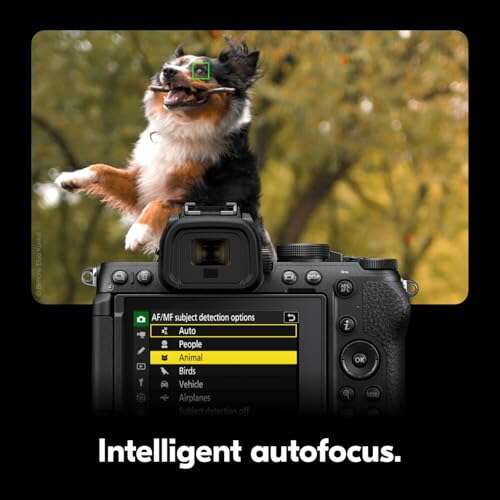
Nikon built this camera for people who want both still photos and video. Its subject detection can help track people, pets, and other moving subjects, so beginners do not need perfect technique right away. Easy picture controls and color presets also make it simple to create attractive images without learning advanced editing. I especially like this kit for travel because the lenses cover everyday scenes and distant subjects without adding much weight.
Pros:
- Fast and reliable autofocus for people, pets, and action
- Simple controls for beginners with advanced options later
- Sharp 20.9MP APS-C image quality
- Two lenses cover portraits, travel, and distant subjects
- Compact body makes daily carrying easier
- Strong choice for both photos and video
Cons:
- No built-in sensor-shift image stabilization
- The small kit lenses may feel limited for low-light work
- Some advanced menu options take time to learn
Nikon D3000 Renewed DSLR

The Nikon D3000 is not a mirrorless camera, but it remains a low-cost way to learn basic photography. Its 10.2-megapixel sensor can still produce pleasing photos in good light. The included 18-55mm lens covers common shots such as meals, pets, landscapes, and family events. A DSLR also gives beginners a bright optical view and a familiar grip.
This is a renewed product, so buyers should check the seller’s condition notes, warranty, and included accessories before ordering. Its older design lacks the modern wireless tools, video features, and compact size found on current Z-series cameras. Still, the simple controls can teach exposure, focus, and composition without overwhelming a new user. I would consider it only when the price is much lower than a current Nikon mirrorless model.
Pros:
- Often available at a very low entry price
- Comfortable DSLR grip for larger hands
- Optical viewfinder shows a natural live view
- 18-55mm lens works for many basic subjects
- Simple layout helps teach core camera skills
- Nikon F-mount offers access to many used lenses
Cons:
- Older 10.2MP sensor has less detail than current models
- It is a DSLR, not a mirrorless camera
- Renewed condition can vary by seller
- Limited video and wireless features
Nikon Z fc With 16-50mm Lens

The Nikon Z fc combines modern mirrorless performance with a classic film-camera look. Its 20.9MP DX sensor delivers crisp images, and the slim 16-50mm lens keeps the kit easy to carry. Physical dials let beginners see shutter speed, ISO, and exposure compensation at a glance. That hands-on layout makes learning feel more like driving a car with clear gauges than using a hidden computer menu.
The flip-out screen is useful for self-portraits, travel photos, and simple video work. The camera also supports Nikon Z lenses, so a beginner can start small and add a portrait or telephoto lens later. Its autofocus works well for everyday people and moving subjects, although it is not as new as the system in the Z50 II. I recommend the Z fc to buyers who care about design as much as image quality.
Pros:
- Attractive retro body encourages regular use
- Sharp 20.9MP DX sensor
- Dedicated dials make exposure easier to understand
- Light 16-50mm kit lens is good for travel
- Vari-angle screen supports selfies and video
- Access to the growing Nikon Z lens system
Cons:
- Grip is less comfortable with large lenses
- No built-in image stabilization
- Retro controls may take practice at first
- Less advanced autofocus than the Z50 II
Nikon Z50 II Wide-Angle Kit

This Z50 II bundle uses the same capable camera body as my main recommendation. The difference is the included wide-angle zoom lens, which suits travel, buildings, landscapes, rooms, and group photos. The 20.9MP DX sensor gives clean detail, while the modern autofocus system helps keep faces and moving subjects sharp. The body remains small enough for a beginner to carry on a walk or vacation.
A wide-angle lens can solve a common beginner problem: standing too close to a subject and cutting off important details. It also helps when you photograph inside a small room or want a broad view of a mountain or city street. Beginners who mostly take portraits may prefer the two-lens kit, but travel shooters can gain more from this bundle. The camera’s easy color controls also reduce the need to edit every photo.
Pros:
- Excellent autofocus in the updated Z50 II body
- Wide view suits travel and landscape photography
- Good choice for rooms, buildings, and group shots
- Compact design remains easy to carry
- Strong 4K video and creator-friendly controls
- Wireless sharing makes phone transfers simple
Cons:
- Wide-angle lens is less useful for distant subjects
- No built-in sensor stabilization
- Beginners may later want a portrait lens
Nikon Z30 Creator’s Kit

The Nikon Z30 is made with creators in mind. It has a 20.9MP DX sensor, a fully articulating screen, and a body that feels light during long recording sessions. Unlike many photo-first cameras, it does not include an electronic viewfinder. That choice keeps the camera smaller, but it also means you frame most shots through the screen.
The 16-50mm lens is a smart match for beginner video. Its wide end works well for handheld talking videos, while the normal range suits product clips and casual portraits. The creator’s kit can also include useful accessories, depending on the exact package listed by the seller. I like it for a new YouTuber, student, or small business owner who values clear video more than traditional viewfinder photography.
Pros:
- Fully articulating screen faces the user during recording
- Compact body is easy to hold for vlogs
- 20.9MP sensor also produces strong still photos
- 16-50mm lens works well for self-recording
- Good microphone and creator-focused design
- Nikon Z mount supports future lens upgrades
Cons:
- No electronic viewfinder for eye-level shooting
- No built-in image stabilization
- Small body may feel less balanced with large lenses
- Video users may need extra batteries
Nikon Z50 With 16-50mm Lens

The original Nikon Z50 remains a well-rounded entry camera. It uses a 20.9MP DX sensor and offers a comfortable grip, a clear electronic viewfinder, and a tilting touch screen. The included 16-50mm lens folds down when stored, so the full kit takes up little room in a bag. For still photos, it offers the balance that many first-time buyers want.
This model is older than the Z50 II, so buyers should compare prices closely. If the discount is strong, the Z50 can deliver excellent value and teach nearly every basic photography skill. Its autofocus is capable for everyday use, though newer cameras handle difficult moving subjects with more confidence. I would choose it for family photos, travel, food, and school events when the budget matters most.
Pros:
- Excellent image quality from the 20.9MP DX sensor
- Comfortable grip and useful electronic viewfinder
- Small 16-50mm lens fits easily in a day bag
- Simple touch controls help new photographers
- Good battery and accessory support
- Often offers strong value when discounted
Cons:
- Older autofocus system than the Z50 II
- No built-in sensor stabilization
- Screen tilts but does not fully rotate forward
- Video tools are less creator-focused
Nikon Z30 Compact Body

The Nikon Z30 body is a useful starting point for buyers who already own a compatible Nikon Z lens. It is one of the smallest choices here, and its 20.9MP sensor can produce detailed photos in daylight. The large hand grip gives it a secure feel despite the compact shape. Its flip-out screen also helps users compose selfies and video without an extra monitor.
Because this listing is a body-focused package, check whether a lens is included before buying. A new photographer who needs a complete kit will usually save time by choosing a bundle with the 16-50mm lens. The Z30 performs best for casual content, online classes, short videos, and everyday snapshots. It can also become a small second body for a Nikon user who already has lenses.
Pros:
- Very small and light for daily use
- High-quality 20.9MP DX sensor
- Front-facing screen supports self-recording
- Comfortable grip improves handheld control
- Good microphone features for simple video
- Uses Nikon’s flexible Z lens mount
Cons:
- No electronic viewfinder
- Body-only packages may need a separate lens
- No built-in image stabilization
- Battery life can limit long recording sessions
Nikon Z30 With Wide-Angle Zoom

This Z30 package adds a wide-angle zoom lens to Nikon’s compact creator camera. The combination works well for vlogs, room tours, travel clips, and group photos. The wide view lets you hold the camera at arm’s length while keeping your face in the frame. It also gives small rooms a more open look without requiring a special action camera.
The Z30’s fully rotating screen is the key feature for beginner video makers. You can see your face, adjust your position, and check the frame before recording. The camera also captures good still images, but the lack of an electronic viewfinder may disappoint users who prefer eye-level photography. I would choose this bundle over the body-only version when the lens price is reasonable.
Pros:
- Wide-angle lens is ideal for handheld vlogging
- Flip-out screen makes framing yourself simple
- Light body reduces arm fatigue
- Strong still image quality for a creator camera
- Useful for travel, rooms, and group scenes
- Simple wireless sharing for online content
Cons:
- No built-in electronic viewfinder
- No sensor-based stabilization
- Wide lenses can stretch faces near the frame edge
- Not the best fit for wildlife or distant action
Nikon Z6 III Full-Frame Camera

The Nikon Z6 III is the most powerful camera in this guide, but it is not the easiest or cheapest first camera. Its full-frame sensor gives photographers strong low-light results, smooth background blur, and broad editing flexibility. It also offers advanced autofocus, a high-quality viewfinder, and professional video features such as internal 6K/60p RAW recording. These tools make it attractive to a serious beginner with a large budget.
The main trade-off is complexity. Full-frame Z lenses cost more and weigh more than the small DX lenses used by the Z50 II and Z30. A new user may also spend money on features that remain unused for months. I recommend the Z6 III only when you already know that photography or video will become a serious hobby, business, or career path.
Pros:
- Excellent full-frame image quality
- Strong low-light performance and background blur
- Advanced autofocus for action and people
- Built-in stabilization helps reduce camera shake
- Powerful 6K video and RAW recording options
- Large lens and accessory upgrade path
Cons:
- Much more expensive than beginner DX cameras
- Full-frame lenses add weight and cost
- Advanced menus may overwhelm a first-time user
- More camera than most casual users need
Canon EOS Rebel T7 DSLR Kit

The Canon EOS Rebel T7 is included as a comparison choice, not as a Nikon mirrorless recommendation. It is an entry-level DSLR with a 24.1MP APS-C sensor and two lenses. The 18-55mm lens handles everyday scenes, while the 75-300mm lens reaches much farther for sports, wildlife, and distant subjects. For a beginner who wants a traditional DSLR kit at a modest price, it can still be useful.
However, the T7 belongs to a different system, and its older design does not match the compact size or modern video features of current Nikon Z cameras. Buyers should also understand that DSLR systems are less central to current camera development than mirrorless systems. I would select this Canon only for a clear price advantage or a strong reason to use Canon lenses. It is not the best Nikon mirrorless camera for beginners because it is neither Nikon nor mirrorless.
Pros:
- 24.1MP sensor gives detailed daylight photos
- Two lenses provide a wide focal-length range
- Comfortable DSLR body and optical viewfinder
- Simple controls suit first-time camera users
- Long telephoto lens helps with distant subjects
- Large used-lens market supports future upgrades
Cons:
- Not a Nikon camera or a mirrorless model
- Older autofocus and video performance
- Large 75-300mm lens adds significant weight
- Limited screen movement and modern creator tools
My Recommendation
For most new users, I recommend the Nikon Z50 II with two lenses. It is the best Nikon mirrorless camera for beginners because it gives you a simple path into photography without closing the door on serious growth. The body is small, the autofocus is helpful, and the lens range covers daily life, travel, portraits, and distant subjects.
Choose the Nikon Z30 if video is your main goal. Its front-facing screen feels like a friendly guide when you record yourself. Choose the Nikon Z fc if you want classic controls and a camera that feels special in your hands. The original Z50 remains a smart bargain when its price falls well below the Z50 II.
| Best for | Why |
|---|---|
| First-time photo and video users | The Z50 II offers simple controls, strong autofocus, and two useful lenses. |
| Beginner vloggers and creators | The Z30 has a flip-out screen, light body, and a wide lens option. |
| Serious hobbyists with a large budget | The Z6 III offers full-frame quality, stabilization, and advanced video tools. |
How I Choose the Best Nikon Mirrorless Camera for Beginners
A beginner camera should feel helpful, not like homework. I look first at the grip, controls, screen, viewfinder, autofocus, and automatic modes. A camera can have impressive specifications, but those numbers matter less if you leave it at home because it feels heavy or confusing. The best model should invite practice.
I also study the lens included in each kit. The lens is the camera’s eye, and it often affects results more than a small difference in megapixels. A 16-50mm lens is useful for travel and everyday photos. A telephoto lens helps with sports and wildlife. A wide-angle lens works best for rooms, landscapes, and self-recorded video.
Sensor Size and Image Quality
Nikon’s DX sensor appears in the Z30, Z50, Z50 II, and Z fc. It is smaller than a full-frame sensor, but it still creates sharp, colorful photos for most families and hobbyists. DX cameras also use smaller lenses, which helps keep the total kit light and affordable. That makes them a strong fit for beginners.
The Z6 III uses a full-frame sensor. Full frame can give cleaner results in dim light and a softer background at similar settings. It also costs more and needs larger lenses. I would not tell every beginner to buy full frame, just as I would not suggest a race car for a first driving lesson.
Autofocus for New Photographers
Autofocus removes much of the guesswork from taking photos. Modern Nikon Z cameras can detect faces and eyes, and some models can recognize pets and moving subjects. This matters when a child runs across a yard or a dog turns its head just as you press the shutter.
The Z50 II has the newest autofocus system among the DX choices listed here. The Z50 and Z fc remain capable for normal use, but the newer model gives beginners more help with motion. If you photograph mostly landscapes, food, or still portraits, the difference may matter less.
Electronic Viewfinder or Flip-Out Screen?
An electronic viewfinder lets you hold the camera to your eye. It can make bright outdoor scenes easier to frame and gives the camera a steady three-point hold. The Z50 II, Z50, Z fc, and Z6 III include a viewfinder.
The Z30 leaves out the viewfinder and uses a fully rotating screen instead. This is excellent for vlogging because you can see yourself while recording. It is less ideal for photographers who enjoy eye-level shooting. Think about how you will use the camera before choosing between these designs.
Why the Nikon Z Mount Matters
Nikon’s Z mount gives you a clear upgrade path. You can begin with a small kit lens, then add a fast prime lens for portraits or a telephoto lens for wildlife. The same basic mount works across Nikon’s DX and full-frame Z cameras, although the balance and field of view can change.
This long-term path is one reason I prefer a current Z camera over an old DSLR for most new buyers. You are not only buying a body. You are entering a system that can support your skills for years. Before buying any lens, check that it uses the Nikon Z mount or is compatible through an approved adapter.
Nikon Z50 II vs. Nikon Z30
The Z50 II is the better all-around camera. It has an electronic viewfinder, stronger subject detection, and a design that suits both photos and video. The Z30 is smaller and better for people who record themselves. Both use a DX sensor and can produce attractive results.
If you take family photos during a sunny vacation, I would choose the Z50 II. You can use the viewfinder and keep the camera steady. If you make cooking clips, tutorials, or travel vlogs, the Z30’s flip-out screen may matter more than its missing viewfinder.
Nikon Z50 II vs. Nikon Z fc
These cameras share a similar DX sensor, so image quality can be close in many situations. The Z50 II focuses more on speed, comfort, and newer autofocus tools. The Z fc focuses more on style, compact design, and hands-on exposure dials.
I would choose the Z fc for a photographer who enjoys the process of making a photo. I would choose the Z50 II for a parent, traveler, or learner who wants the camera to solve more of the technical work. Both can be excellent, but they appeal to different kinds of beginners.
What Accessories Does a Beginner Need?
Start with a spare battery and a fast memory card from a trusted brand. A small camera bag protects the body and gives you room for an extra lens. A simple cleaning cloth and a blower can remove dust without scratching the glass.
You do not need every accessory sold online. Skip cheap filter sets, oversized flashes, and complex cages until you understand your needs. A basic strap, spare battery, and reliable card usually offer more value. Later, a small tripod or an affordable 35mm-style prime lens can help you explore new types of photography.
Tips for Getting Better Photos Quickly
Use the camera often. Take ten photos of the same cup near a window, then move it to a darker room. Change only one setting at a time. This turns abstract camera terms into something you can see.
Keep the focus point on the subject’s eye for portraits. Watch the background before pressing the shutter. A clean background can improve a photo more than an expensive lens. When light is low, hold the camera close to your body and use a faster shutter speed if your subject moves.
Learn three ideas first: shutter speed, aperture, and ISO. Shutter speed controls motion blur. Aperture affects light and background blur. ISO helps the camera work in darker scenes but can add grain. You do not need to master all three in one afternoon.
Buying a Nikon Camera on Amazon
Check the exact model name, lens contents, seller rating, and warranty before ordering. Camera bundles can look similar while including different lenses or accessories. Read the product details instead of relying only on the main photo.
For renewed cameras, inspect the return policy and condition grade. Confirm that the battery, charger, body cap, and lens caps are included. Prices change often, so compare the cost of a body-only listing with a complete kit. A slightly higher price can be worthwhile if it includes the right lens.
Also confirm that the listing is a USA model if that matters to you. Warranty support and included accessories can differ by region. I prefer a clear return policy because even a good camera may not suit your hands or shooting style.
FAQs Of best nikon mirrorless camera for beginners
What is the best Nikon mirrorless camera for beginners?
The Nikon Z50 II is the best choice for most beginners. It offers easy controls, a viewfinder, helpful autofocus, and strong photo and video quality. A two-lens kit gives it even more value.
Is the Nikon Z30 good for a first camera?
Yes, especially for vloggers and video creators. Its flip-out screen and compact body make self-recording simple. It is less suitable if you strongly prefer using an electronic viewfinder.
Is the Nikon Z fc easy for beginners?
Yes. Its automatic modes and touch controls are friendly to new users. Its physical dials also make it useful for learning manual exposure, though the retro layout may require a short adjustment period.
Should beginners buy a full-frame Nikon camera?
Only if they have a clear need and budget for it. The Nikon Z6 III offers excellent quality, but DX models cost less and weigh less. For family, travel, and learning, a Z50 II is often the smarter first step.
Are DSLR cameras still good for beginners?
They can still teach photography well, especially when bought used or renewed at a low price. However, current Nikon mirrorless cameras offer newer autofocus, smaller bodies, and better creator tools. I would choose a Z-series model unless the DSLR price is especially attractive.
Final Verdict: Which Should You Buy?
The Nikon Z50 II with two lenses is the best Nikon mirrorless camera for beginners. It offers the best mix of simple use, autofocus, image quality, and upgrade potential.
Choose the Z30 for vlogging or the Z6 III for serious full-frame work. For most new photographers, the Z50 II is the safest and most rewarding buy.

Everett Ashford is a tech reviewer at mytechgrid.com specializing in SSDs, cameras, TVs, earbuds, headphones, and other consumer electronics. He provides honest, data-driven reviews based on hands-on testing and real-world performance analysis. Everett simplifies complex tech details to help readers make smart, confident buying decisions.