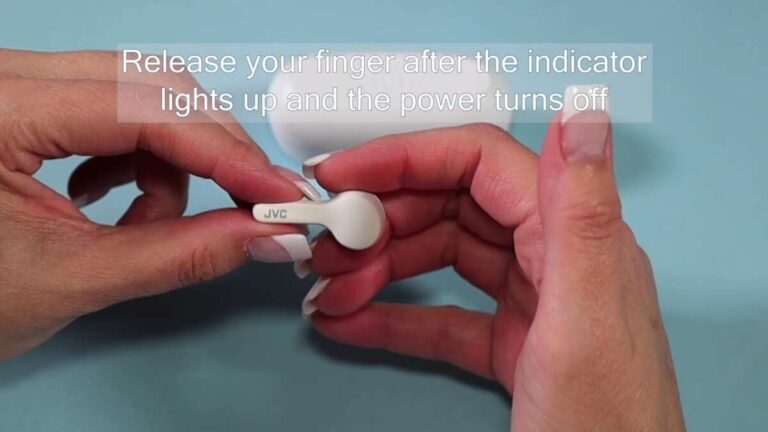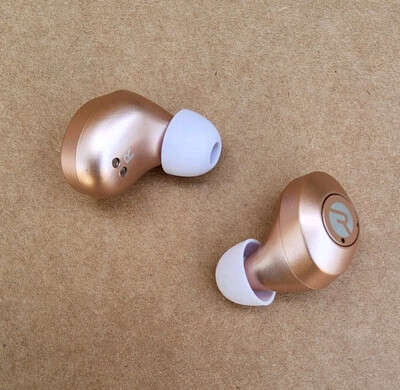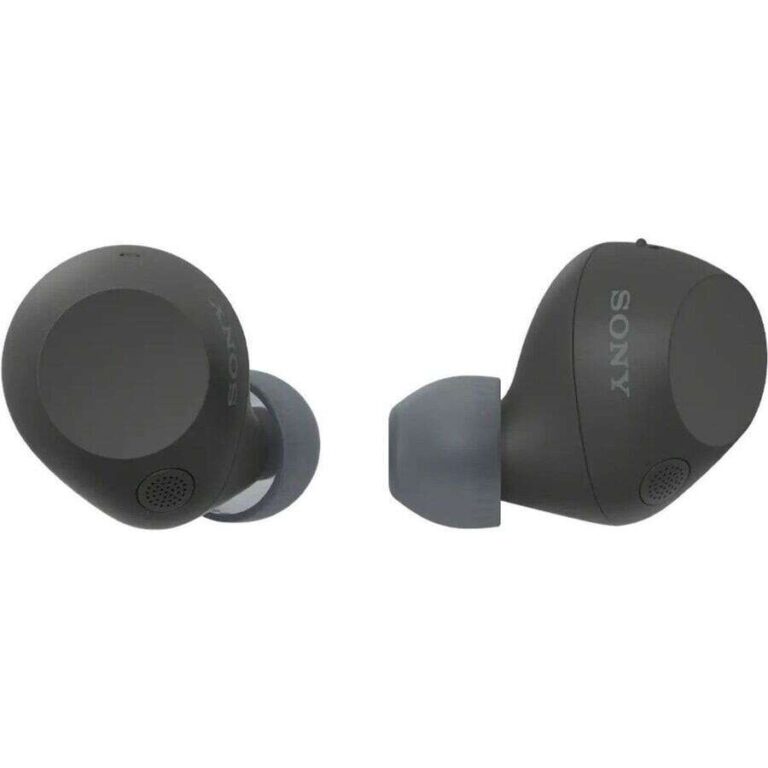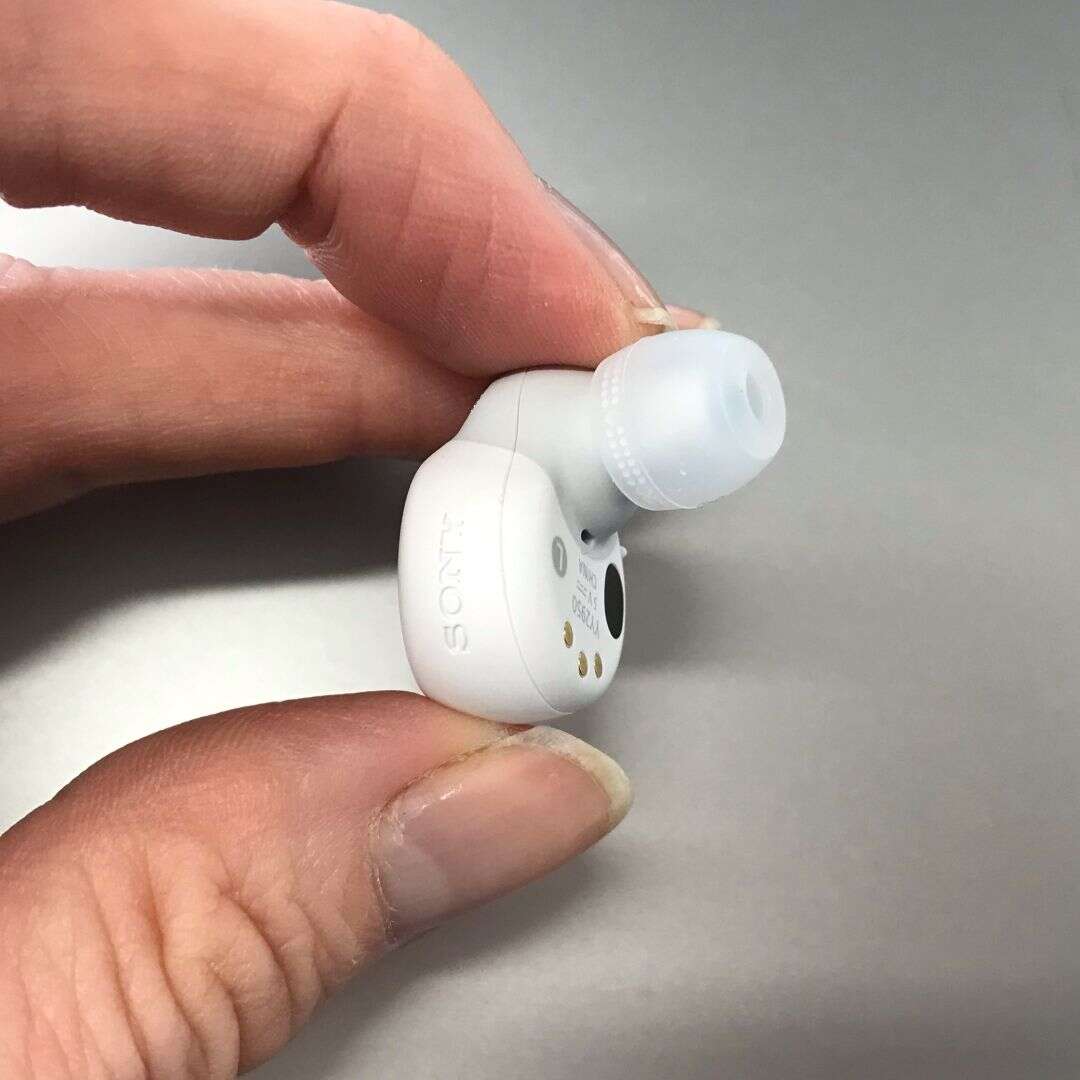
Earbuds with extra-small ear tips, a short nozzle, and a light body are best for small ears.
Finding what earbuds are good for small ears can feel like trying to fit a full-size shoe on a child’s foot. The best models do not simply shrink the earbud; they use smaller tips, a compact shape, and gentle pressure points. This guide explains how to choose a secure, comfortable pair for music, calls, workouts, and long listening sessions.
What makes earbuds comfortable for small ears?
Small ears need more than small ear tips. The entire earbud must match the shape of the outer ear and the size of the ear canal. A bulky model may feel loose, painful, or unstable even when its silicone tip seems to fit.
The most important features include:
• Extra-small ear tips that seal the ear canal without stretching it
• A short nozzle that does not press deep into the ear
• A light housing that creates less pressure
• A smooth outer shell with few sharp edges
• A secure design that does not rely on heavy wing tips
• Several tip sizes, including at least one extra-small option
• A shape that sits inside the concha, the small bowl of the outer ear
The best fit should feel like a gentle seal, not a plug forced into place. If you feel soreness after 15 minutes, the earbud is probably too large, too deep, or using the wrong tip size.

What earbuds are good for small ears?
The best earbuds for small ears are the Apple AirPods Pro 2, Samsung Galaxy Buds FE, Sony WF-1000XM5, Jabra Elite 8 Active, and compact models from Soundcore and EarFun. The right choice depends on your phone, budget, need for noise cancellation, and tolerance for deep in-ear designs.
Apple AirPods Pro 2
The AirPods Pro 2 are among the safest choices for small ears because they include extra-small silicone tips. Their short stem and smooth body also help them sit securely without filling the entire outer ear.
They are especially good for iPhone users who want:
• Strong active noise cancellation
• Easy pairing and device switching
• Clear voice calls
• A comfortable transparency mode
• A compact charging case
The pressure-relief system can make noise cancellation feel more natural. However, some people with very narrow ear canals may still find the body slightly wide. Try the extra-small tips first, and use the Ear Tip Fit Test before judging the fit.
Samsung Galaxy Buds FE
The Galaxy Buds FE are a strong choice for Android users, especially Samsung phone owners. Their smaller shape and removable ear fin can provide a stable fit without requiring a large earbud body.
They work well for people who need:
• Reliable fit during walking and light exercise
• Active noise cancellation
• Simple touch controls
• Good Samsung device integration
• A lower price than many premium earbuds
The ear fin is useful, but it may not suit every small ear. If the fin rubs against the outer ear, remove it and test the smallest ear tip. A secure fit should not depend on pushing the earbud firmly into place.
Sony WF-1000XM5
The Sony WF-1000XM5 is smaller and lighter than earlier flagship Sony models. It offers excellent sound, strong noise cancellation, and useful EQ controls through the companion app.
This model can suit small ears if you prefer a traditional round earbud shape. The foam-style tips may create a good seal, but they can also feel tight for people with sensitive ear canals. Give each tip size time to expand before deciding whether it fits.
Choose the Sony model if you value:
• Detailed sound
• Powerful noise reduction
• Long battery life
• Custom EQ settings
• High-quality microphones
Its main limitation is price. It also sits deeper than some shallow-fitting earbuds, so it may not be ideal if your ears dislike in-ear pressure.
Jabra Elite 8 Active
The Jabra Elite 8 Active is designed for movement and has a grippy outer coating. It can stay in place during workouts without using a large ear hook.
This is a good option for small ears that need stability. Still, the earbud body may feel bigger than the AirPods Pro 2 or Galaxy Buds FE. The fit depends on how well the curved housing matches your outer ear.
It is best for users who want:
• A secure workout fit
• Water and dust resistance
• Strong battery life
• Physical button controls
• Good sound in busy places
Soundcore Liberty and Space A40 models
Soundcore makes several affordable earbuds with multiple tip sizes and useful app controls. Some models, such as the Space A40, have a fairly small and rounded body that works well for many smaller ears.
Their main benefit is value. You often get active noise cancellation, EQ controls, and long battery life at a lower price than premium brands. Sound quality can be very good, though microphone performance and noise cancellation may not match the most expensive models.
Check the included tip sizes before buying. Soundcore product shapes vary, so do not assume every model will fit the same way.
EarFun Air Pro models
EarFun earbuds often include multiple silicone tips and a compact stem-style design. Some are comfortable for small ears because they spread less pressure across the outer ear.
They are worth considering if you want:
• A moderate price
• Good everyday sound
• Noise cancellation
• USB-C charging
• A light design
Model size can vary, so check the product dimensions and return policy. For small ears, a generous return window matters almost as much as the feature list.

Best earbuds for small ears by use
The answer to what earbuds are good for small ears changes based on how you use them. A pair that works for quiet desk listening may slip during a run or feel uncomfortable on a long flight.
Best for iPhone users
The Apple AirPods Pro 2 are the easiest all-around choice for iPhone users. They offer extra-small tips, strong noise cancellation, and smooth access to Apple features.
If you do not need noise cancellation, standard AirPods may feel less intrusive. However, their open design does not seal the ear, so outside noise remains louder and bass may sound weaker.
Best for Android users
The Samsung Galaxy Buds FE are a practical pick for Samsung users. They offer a compact fit, useful controls, and a stabilizing wing that can help during daily movement.
For other Android phones, consider Sony, Soundcore, or EarFun. Check app support before buying because some advanced features may work best with a specific phone brand.
Best for exercise
The Jabra Elite 8 Active and Galaxy Buds FE are strong workout choices. Their designs help prevent movement, but comfort still depends on your ear shape.
For running, focus on both fit and sweat protection. Look for a recognized water-resistance rating, but remember that water resistance can weaken with age, drops, soap, and charging-port damage.
Best for sleeping
Most true wireless earbuds are not ideal for sleeping. Their hard shells can press against the ear when you lie on your side.
If you must listen in bed, choose a small, shallow model with a sleep timer. Soft sleep earbuds or flat sleep headphones may be safer for comfort, though they usually offer weaker sound and noise isolation.
Best for phone calls
The AirPods Pro 2, Sony WF-1000XM5, and newer premium Soundcore models are good choices for calls. Microphone quality depends on wind, traffic, software, and how the earbud sits.
A tiny earbud can still sound poor on calls if its microphones are partly covered by hair, a hat, or your hand. Test calls in a quiet room and outdoors before keeping the pair.
Best budget option
The Galaxy Buds FE, Soundcore Space A40, and selected EarFun models offer strong value. The best budget choice is the one with extra-small tips, a comfortable shell, and a clear return policy.
Do not choose only by battery claims. A 10-hour battery is not useful if the earbuds hurt after 30 minutes.

How to choose earbuds for small ears
Use a simple fit checklist before comparing advanced features. Comfort should come first because a poor fit affects sound, battery life, and stability.
1. Check the ear tip sizes
Look for extra-small tips. Some products list them as XS, while others simply include four or five sizes.
Tip size affects:
• Comfort
• Bass response
• Noise isolation
• Noise cancellation performance
• Stability during movement
A tip that is too small may leak sound and fall out. A tip that is too large may create pressure, soreness, or a blocked feeling.
2. Look for a short nozzle
The nozzle is the small tube that enters the ear canal. A long nozzle can place the earbud too deep, which may cause pain.
Short-nozzle earbuds usually feel less invasive. They may not block as much noise, but many people prefer their lighter, more natural fit.
3. Compare the earbud weight
Small ears can become tired under constant pressure. A difference of only a few grams may matter during a long workday.
Weight is not the only factor. A well-shaped earbud can feel lighter than a smaller model with a poor pressure point. Fit matters more than numbers alone.
4. Consider the outer shape
Round earbuds may work well for some ears but press against the concha in others. Stem-style earbuds can reduce pressure in the outer ear, while winged earbuds may offer more stability.
There is no universal best shape. Your ear is as individual as your fingerprint, so product returns and fit testing are valuable.
5. Check the return policy
Earbuds can look perfect online and still feel wrong within minutes. Buy from a seller that allows returns after a careful fit test.
Keep the packaging clean. Test each tip size at home, and follow the cleaning instructions before returning a product.
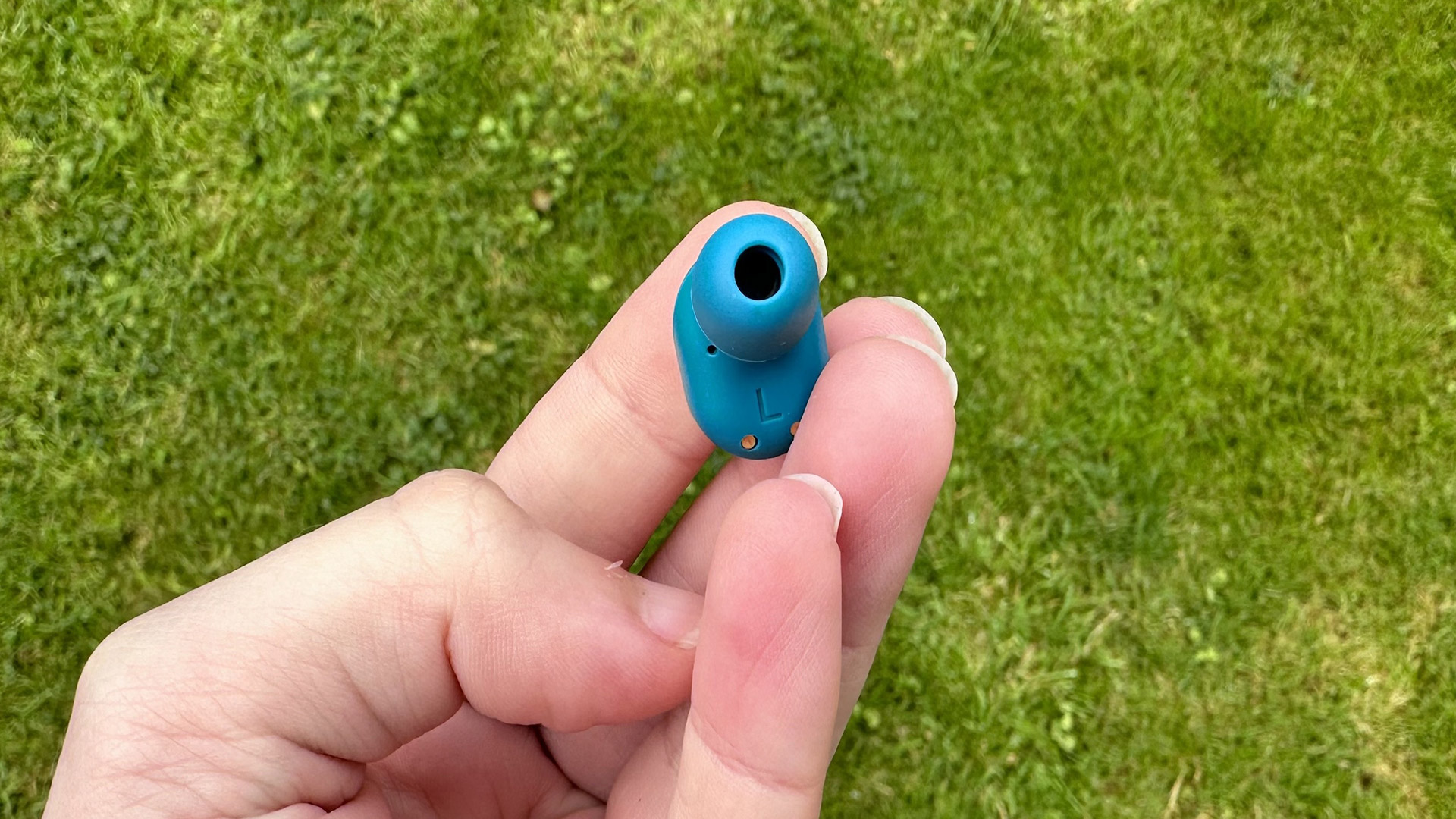
How to fit earbuds correctly
A good fit does not require force. Follow these steps for better comfort and sound.
-
Clean the earbuds and wash your hands.
-
Start with the medium tips, unless you already know you need extra-small tips.
-
Place the earbud at the entrance of the ear canal.
-
Twist it slightly until the body rests in the outer ear.
-
Try the extra-small tip if you feel pressure or pain.
-
Try the next size up if bass sounds weak or outside noise leaks in.
-
Walk, talk, and move your jaw for several minutes.
-
Test both ears separately because one ear may need a different tip size.
Many people make the mistake of pushing earbuds deeper when they feel loose. That can increase discomfort without improving the seal. A slight twist and the correct tip usually work better than force.
Foam tips can help some users because they expand inside the canal. They may improve isolation, but they can feel warm, wear out faster, and collect earwax. Replace worn tips because damaged foam can affect both comfort and sound.

Earbud fit problems and how to fix them
Even good earbuds can cause problems when the fit is wrong. Small adjustments often solve the issue.
Earbuds keep falling out
Try a larger tip or rotate the earbud backward until it locks into the outer ear. If the body is too heavy, choose a smaller model rather than adding more pressure.
For workouts, a wing tip may help. Stop using it if it rubs the skin or causes a sore spot.
Earbuds hurt after a few minutes
Switch to a smaller tip and check whether the housing touches the outer ear. Pain often comes from the body, not the silicone tip.
Remove the earbuds for a break. Never keep wearing them through sharp pain, swelling, or skin irritation.
Music sounds thin
A weak bass response often means the seal is incomplete. Try a slightly larger tip and make sure the earbud sits at the correct angle.
Earwax can also block the speaker opening. Clean the earbuds with a dry, soft tool made for electronics. Do not push debris into the mesh or use liquid inside the earbud.
Noise cancellation feels uncomfortable
Active noise cancellation can feel strange at first. A poor seal may also create uneven pressure between the two ears.
Try transparency mode, reduce the cancellation level in the app, or test another tip size. If you feel pain, dizziness, or nausea, stop using the feature.
One earbud fits better than the other
This is common. Human ears are not perfectly symmetrical.
Use different tip sizes if the earbuds support them. For example, your left ear may need an extra-small tip while your right ear needs a small tip.

Health and safety tips for small ears
Earbuds should be comfortable, but comfort does not remove the need for safe listening. Loud sound can damage hearing over time, even when the earbuds feel comfortable.
The World Health Organization recommends keeping personal listening levels moderate and taking regular breaks. A practical habit is to lower the volume when you can clearly hear the music from a nearby person’s headphones.
Follow these habits:
• Keep the volume below the level you normally use in noisy places
• Take a break every hour
• Clean the tips often
• Do not share earbuds without cleaning them
• Stop using them if your ears become sore or itchy
• Keep the charging case dry
• Avoid inserting earbuds deep into the canal
• Seek medical advice for lasting pain, discharge, ringing, or reduced hearing
Noise cancellation can help because it reduces the need to turn up the volume in planes, trains, and busy streets. It does not make loud listening safe, though. Good hearing protection starts with lower volume and sensible breaks.

Common mistakes when buying earbuds for small ears
Many shoppers focus on brand, bass, or battery life first. For small ears, that order often leads to disappointment.
Avoid these mistakes:
• Buying a popular model without checking its tip sizes
• Assuming a smaller ear tip means a smaller earbud body
• Choosing the strongest noise cancellation over comfort
• Ignoring the earbud nozzle length
• Wearing a painful pair to “break it in”
• Testing only one ear
• Forgetting to check the return policy
• Judging fit after only 30 seconds
• Using the same tip size in both ears without testing
• Buying workout earbuds with large hooks or fins that rub
A product can have excellent reviews and still fail for your ears. Reviews show common experiences, not a guarantee. Treat comfort comments as clues, then test the model yourself.

Are wired earbuds better for small ears?
Wired earbuds can be better if you want a lighter design, a lower price, or no charging case. Many wired in-ear monitors include several tip sizes and use a narrow nozzle.
They also have limits. The cable can tug on a small earbud and pull it loose, especially during exercise. Wired models may also have less advanced noise cancellation and fewer comfort features.
For the smallest ears, a compact wired model with a short nozzle may feel better than a large wireless earbud. However, wireless earbuds offer more freedom and often provide better fit controls through a mobile app.

How I would test earbuds for small ears
A useful real-world test takes more than a quick listen. I recommend treating it like a short fitting session.
Start at a low volume and wear the earbuds for 15 minutes while sitting. Then walk, speak, chew, and turn your head. If they remain comfortable, test them for another 30 minutes during your normal routine.
Pay attention to pressure points. A common mistake is focusing on whether the earbuds stay in place while ignoring soreness near the ear opening. Stability matters, but comfort determines whether you will use the earbuds every day.
I also suggest testing one tip size at a time. Changing the left and right tips together can hide which change helped. Write down what works, especially if one ear needs a different size.
Frequently asked questions about what earbuds are good for small ears
What are the best earbuds for very small ears?
The AirPods Pro 2 and Samsung Galaxy Buds FE are strong starting points because they offer compact designs and extra-small fitting options. Soundcore and EarFun also make affordable models that may work well, but fit varies by model.
Are AirPods Pro good for small ears?
AirPods Pro 2 are often good for small ears because they include extra-small silicone tips and have a relatively compact shape. They may still feel wide for some users, so test the fit with the smallest tip and use the built-in fit test.
How do I stop earbuds from falling out of small ears?
Try a larger tip, rotate the earbud slightly, or choose a model with a small stabilizing wing. If the outer shell feels heavy or presses against your ear, changing to a smaller design usually works better than using more force.
Are smaller ear tips better for small ears?
Not always. Extra-small tips can reduce pressure, but a tip that is too small may lose its seal and fall out. Choose the smallest tip that seals comfortably without causing pain or sound leakage.
Can earbuds damage small ears?
Earbuds can irritate the skin or contribute to discomfort when they are too large, too deep, dirty, or worn at high volume. Take breaks, keep them clean, and stop using them if you notice pain, swelling, ringing, or hearing changes.
Do noise-canceling earbuds work well for small ears?
They can work very well when the ear tip creates a proper seal. A poor fit reduces noise cancellation and may make the feature feel uneven, so tip size and earbud shape matter as much as the technology.
Conclusion
The best earbuds for small ears have extra-small tips, a short nozzle, a light body, and a shape that rests gently inside the outer ear. The AirPods Pro 2, Galaxy Buds FE, Sony WF-1000XM5, Jabra Elite 8 Active, and selected Soundcore or EarFun models are useful places to start.
Fit comes before brand, bass, and battery life. Test both ears, try different tip sizes, wear the earbuds for at least 15 minutes, and use a return policy if possible. Choose comfort first, then compare noise cancellation, call quality, water resistance, and price.
Your ideal pair should disappear into your routine rather than demand your attention. Try the fitting steps above, compare compact models carefully, and share your experience or favorite small-ear earbuds in the comments.

Everett Ashford is a tech reviewer at mytechgrid.com specializing in SSDs, cameras, TVs, earbuds, headphones, and other consumer electronics. He provides honest, data-driven reviews based on hands-on testing and real-world performance analysis. Everett simplifies complex tech details to help readers make smart, confident buying decisions.