Use a wide-angle camera 1 to 10 feet from your subject for rooms, landscapes, groups, and close action.
The answer to “where do you use a wide angle camera what distance” depends on your lens, sensor, subject, and creative goal. A 16mm lens may show a much wider view than a 35mm lens, while a nearby subject can look far larger than the background. This guide explains the best places to use a wide-angle camera, practical shooting distances, common mistakes, and simple ways to get sharp, natural-looking photos.
What Is a Wide-Angle Camera Lens?
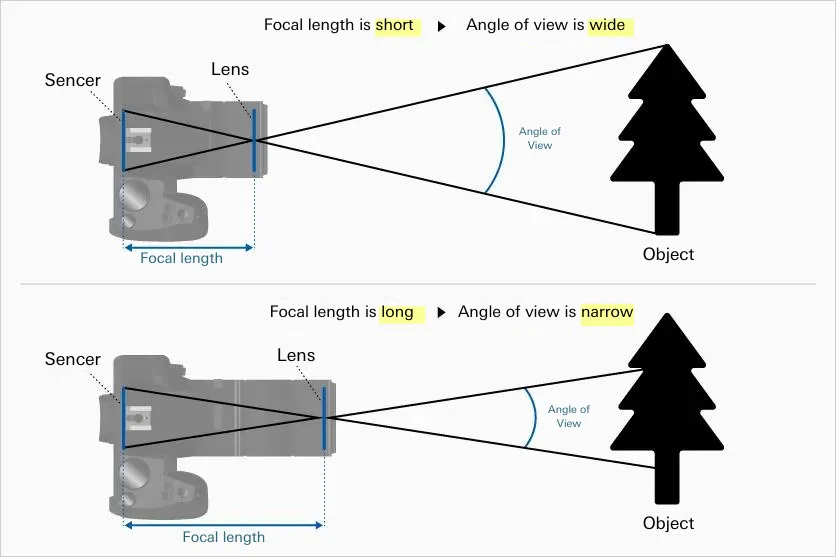
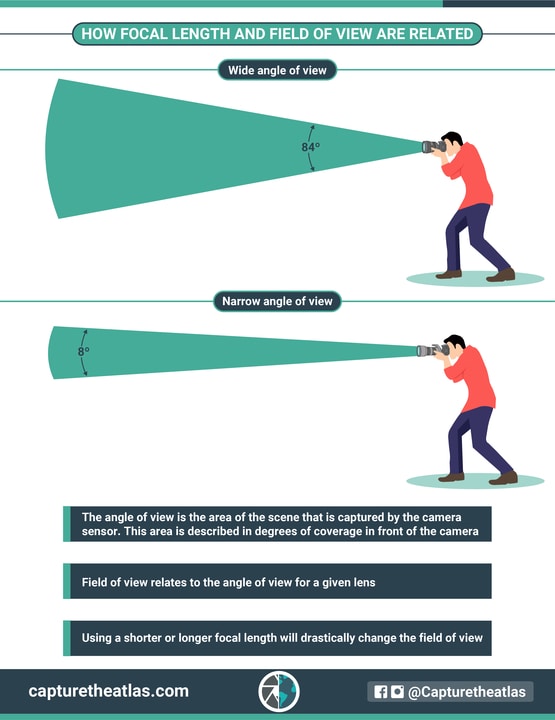
A wide-angle lens captures more of a scene than a standard lens. On a full-frame camera, lenses from about 14mm to 35mm are usually considered wide angle.
The shorter the focal length, the wider the view:
• 14mm to 20mm: Ultra-wide view for architecture, interiors, landscapes, and dramatic action shots
• 21mm to 28mm: Wide view for travel, street scenes, groups, and environmental portraits
• 30mm to 35mm: Mild wide angle for daily photography, documentary work, and natural-looking scenes
On an APS-C camera, the crop factor changes the effective view. For example, a 16mm lens may look similar to a 24mm lens on a full-frame camera, depending on the camera brand and sensor size.
A wide-angle lens does not simply “zoom out.” It also changes the relationship between objects. Items close to the camera look larger, while distant items may appear smaller. This effect is useful, but it can also make faces, buildings, and body parts look stretched.

Where Do You Use a Wide Angle Camera What Distance Works Best?
The best distance depends on the scene. Instead of thinking about one fixed number, consider how much of the frame you need and how large your main subject should look.
Here are practical starting points:
• Interior rooms: 1 to 6 feet from the nearest wall or main subject
• Landscapes: 3 feet to infinity, depending on the foreground
• Group photos: 6 to 15 feet from the group
• Environmental portraits: 3 to 8 feet from the person
• Real estate photography: 4 to 10 feet from walls and furniture
• Architecture: 10 feet to several hundred feet, depending on building size
• Action and sports: 1 to 6 feet when using a safe, protected position
• Vlogging and selfies: 1.5 to 4 feet from the camera
These distances are starting points, not strict rules. Move closer when you want foreground impact. Step back when faces or straight lines begin to look distorted.
When asking where do you use a wide angle camera what distance, the most useful answer is this: use it close enough to include the scene, but not so close that important subjects become distorted.

Wide-Angle Camera Distance for Indoor Photography
Wide-angle lenses are popular indoors because they can make a small room feel open. Real estate photographers often use lenses between 14mm and 24mm on full-frame cameras to show kitchens, living rooms, bedrooms, and bathrooms.
For a small room, begin about 3 to 5 feet from the nearest wall. Keep the camera near chest height, then adjust your position until the room feels balanced.
Use these tips for better indoor photos:
• Keep the camera level to reduce leaning walls.
• Place the camera near a corner when you want to show two walls.
• Avoid standing too close to furniture unless you want it to dominate the image.
• Watch the edges of the frame for stretched lamps, chairs, and doorways.
• Use a tripod when the room is dark.
A very wide lens can make a room look larger than it feels in person. This is why real estate photographers must avoid extreme distortion. A truthful image helps viewers understand the space instead of giving them an unrealistic impression.
For a 16mm lens, 4 to 8 feet often works well in a normal room. For a 24mm lens, you may need to move farther back or accept a smaller field of view.
Using a Wide-Angle Camera for Landscapes
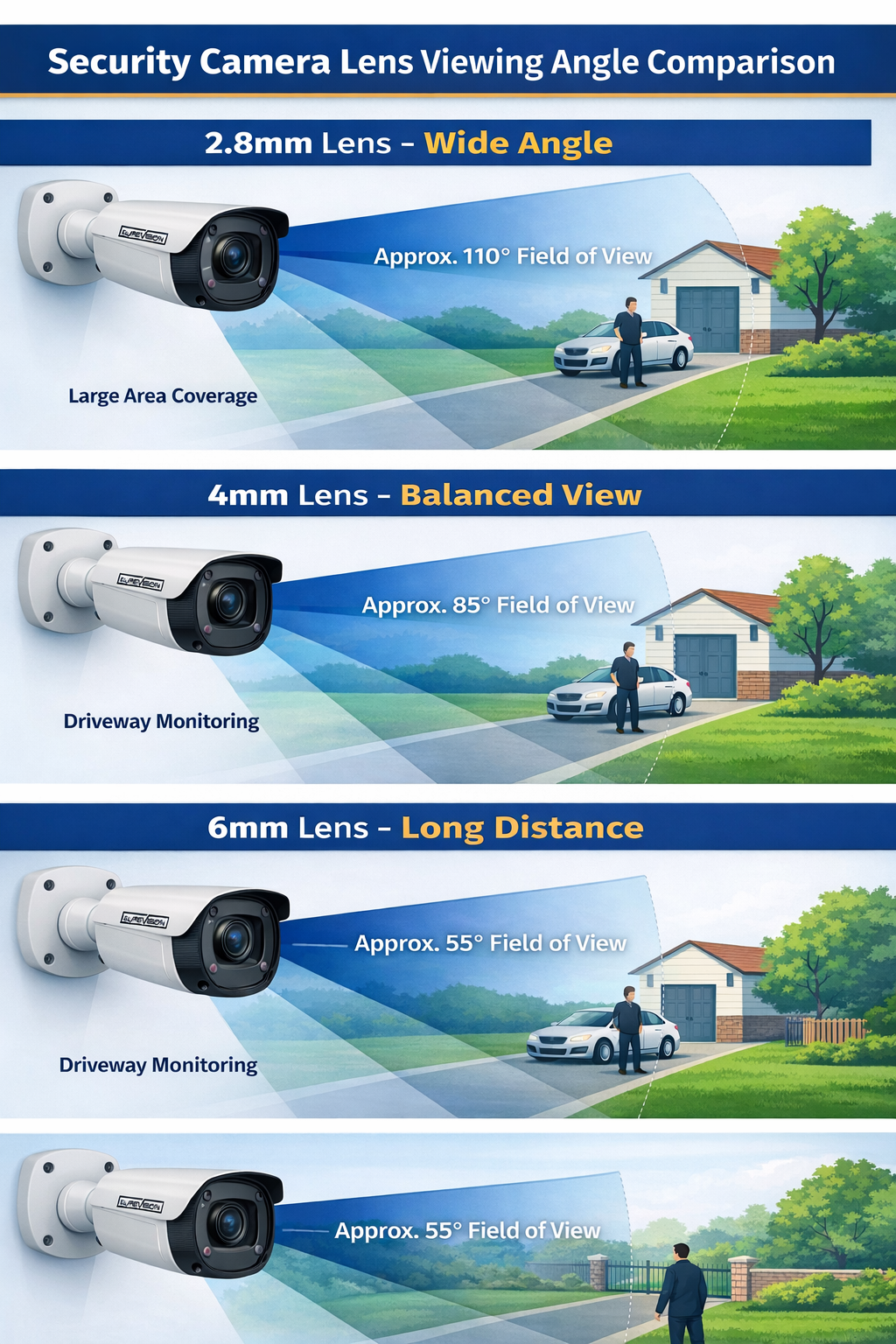
Landscape photography is one of the best uses for a wide-angle camera. The lens can include a broad sky, distant mountains, a winding road, or a large foreground rock.
Distance matters most when you have a strong foreground subject. Move within 1 to 4 feet of a rock, flower, tree, or trail marker to make it feel large and powerful. Keep the background farther away so the image has depth.
A common landscape setup looks like this:
-
Find an interesting foreground object.
-
Move close to it without cutting off important details.
-
Lower the camera slightly if you want the foreground to fill more of the frame.
-
Keep the horizon level.
-
Focus around the foreground or use focus stacking for very close subjects.
A wide lens can make mountains look smaller than they appear to your eyes. This happens because the lens includes a large area around them. To give distant mountains more weight, include a clear foreground subject or use a less extreme focal length, such as 24mm or 35mm.
When deciding where do you use a wide angle camera what distance in nature, think in layers: foreground, middle ground, and background. A good wide-angle photo often needs all three.
Wide-Angle Distance for Portraits and Groups
Wide-angle lenses can work well for portraits, but distance is critical. If you place a 16mm lens close to a person’s face, the nose may look large and the ears may seem pushed back.
For a natural environmental portrait, try these distances:
• 24mm lens: 3 to 6 feet from the person
• 28mm lens: 4 to 7 feet from the person
• 35mm lens: 5 to 8 feet from the person
Place the person near the center of the frame. The edges of a wide-angle image often show more stretching, especially near the corners.
Wide lenses are useful when the setting tells part of the story. A chef can be photographed in a kitchen, a musician can be shown on stage, and a climber can be captured with the rock face behind them.
For group photos, stand about 8 to 15 feet away when possible. Use a wider lens only when you need it. A 24mm or 28mm lens often gives a better balance than an ultra-wide lens.

Wide-Angle Cameras for Architecture and Real Estate
Architecture photography requires both a wide view and careful camera control. A wide-angle lens can show a tall building, a narrow hallway, or an entire room, but it may also create converging vertical lines.
Converging lines appear when you tilt the camera upward or downward. A building may seem to lean inward, and walls may look uneven.
To reduce this effect:
• Keep the camera sensor parallel to the building or wall.
• Use a tripod with a built-in level.
• Leave space around the structure for cropping.
• Correct perspective with editing software when needed.
• Use a tilt-shift lens for demanding professional work.
For a large building, you may stand 20 to 100 feet away. For a small interior, 4 to 10 feet is often enough. The correct answer to where do you use a wide angle camera what distance changes quickly between a hallway and a skyscraper.
Do not use the widest possible lens by default. A 20mm or 24mm lens may produce a more realistic result than a 12mm or 14mm lens.
Wide-Angle Camera Distance for Video and Vlogging
Wide-angle lenses are common in video because they make it easier to keep yourself in the frame. They also make handheld footage feel more dynamic.
For a talking-head setup, place the camera about 2 to 4 feet away. A 16mm to 24mm lens on a full-frame camera can show your face, upper body, and some of the room.
For a smartphone or action camera, 1.5 to 3 feet may be enough. Test the frame before recording because the camera may use digital cropping or electronic stabilization.
A useful video setup includes:
• Eye-level camera placement
• Enough distance to avoid an oversized nose or forehead
• Soft light from the front or side
• A clean background
• Stable support or controlled handheld movement
Wide-angle video can exaggerate movement. Walking toward the camera may feel fast and dramatic. This is useful for travel videos, sports clips, and product demonstrations, but it may feel uncomfortable in a serious interview.

How Distance Changes Wide-Angle Perspective
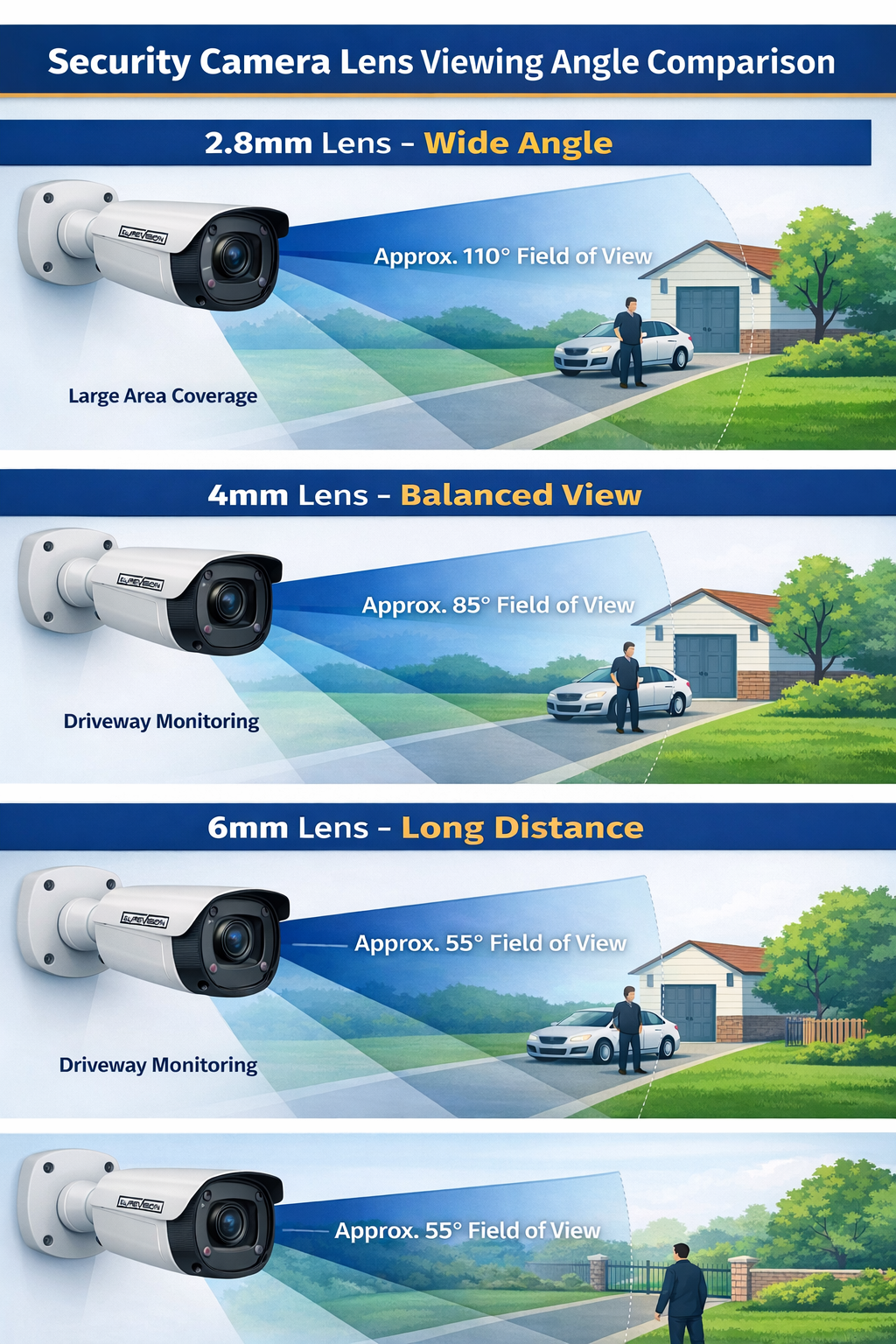
Many people think distance changes only the size of the subject. In reality, distance changes perspective, while focal length changes the angle of view.
If you move closer, nearby objects become much larger compared with distant objects. If you move farther away and use a longer focal length to keep the subject the same size, the background may look more compressed.
This is why a face photographed at 2 feet with a 16mm lens looks different from a face photographed at 6 feet with a 35mm lens, even if the face fills the same amount of the frame.
A simple way to remember this is:
• Focal length controls how much of the scene fits in the frame.
• Camera distance controls the size relationship between near and far objects.
• Aperture controls depth of field and light.
• Sensor size affects the effective field of view.
This principle answers where do you use a wide angle camera what distance more accurately than any fixed distance chart.
Common Wide-Angle Photography Mistakes
Wide-angle lenses are forgiving when you need more space, but they can expose poor composition. The most common mistake is standing too close to a person or object without understanding the distortion.
Avoid these problems:
• Placing faces near the corners
• Tilting the camera too far upward
• Including empty sky or floor without a purpose
• Using an ultra-wide lens in a small portrait space
• Ignoring bright objects at the frame edges
• Forgetting that dust and clutter become more visible
• Expecting distant subjects to look large
A practical lesson from testing wide lenses is to check the frame edges before taking the photo. A stray bag, stretched arm, or bright window can pull attention away from the subject.
Another mistake is relying on autofocus without checking the foreground. When a rock or chair is very close to the camera, autofocus may choose it instead of the main subject. Use a focus point, smaller aperture, or focus stacking when appropriate.
Choosing the Right Wide-Angle Focal Length
The best focal length depends on the subject and the amount of distortion you can accept.
14mm to 20mm
Choose this range for:
• Very small rooms
• Dramatic landscapes
• Large buildings
• Astrophotography
• Action cameras
• Creative close-up shots
This range gives a powerful sense of space, but it requires careful composition. A person close to the lens may look stretched.
21mm to 28mm
This range is a strong all-purpose choice. It works for travel, street photography, interiors, groups, and environmental portraits.
A 24mm lens often gives a wide view without the extreme look of a 14mm lens. It is a useful starting point for photographers who want flexibility.
30mm to 35mm
This range produces a more natural view while still showing extra space around the subject. It works well for documentary work, family photos, food photography, and everyday travel images.
When people search where do you use a wide angle camera what distance, they often need help choosing between these focal lengths. Start with 24mm or 28mm if you want a wide view that remains easy to control.
Practical Wide-Angle Camera Distance Guide
Use this chart as a starting reference. Your exact distance will change with sensor size, lens design, and composition.
| Subject | Suggested lens | Starting distance |
|---|---|---|
| Small bathroom | 14mm to 20mm | 2 to 5 feet |
| Living room | 16mm to 24mm | 4 to 8 feet |
| Group of people | 24mm to 35mm | 8 to 15 feet |
| Environmental portrait | 24mm to 35mm | 4 to 8 feet |
| Landscape foreground | 14mm to 24mm | 1 to 5 feet |
| Large building | 16mm to 28mm | 20 feet or more |
| Vlogging | 16mm to 24mm | 2 to 4 feet |
| Street photography | 24mm to 35mm | 4 to 12 feet |
Use the chart as a guide, not a rule. The best distance is the one that keeps your subject natural and gives the frame a clear purpose.
Before a paid shoot, test the lens in the actual space. Lighting, wall color, furniture, and camera height can change the result more than a few inches of distance.
PAA-Style Questions About Wide-Angle Camera Distance
The key idea behind where do you use a wide angle camera what distance is control. Move closer for impact, move back for natural proportions, and keep the camera level when straight lines matter.
Frequently Asked Questions About Where Do You Use a Wide Angle Camera What Distance
How far should you stand from a subject with a wide-angle lens?
For portraits, stand about 4 to 8 feet away with a 24mm to 35mm lens. With an ultra-wide lens, move farther back to reduce facial distortion.
What distance is best for a wide-angle lens indoors?
Start about 3 to 8 feet from the nearest wall or main subject. Use a tripod and keep the camera level for cleaner lines and more accurate room proportions.
Can I use a wide-angle camera for portraits?
Yes, especially for environmental portraits. Keep the person near the center, avoid placing faces at the corners, and do not hold the camera too close to the face.
What is the best wide-angle lens for real estate photography?
A 16mm to 24mm lens on a full-frame camera is common for real estate work. The best choice depends on room size and how much distortion the lens creates.
Why do people look stretched with a wide-angle lens?
People look stretched when they are close to the lens or near the edge of the frame. Step back, place the subject near the center, and use a less extreme focal length.
How close can you get with a wide-angle camera?
You can get within a few inches if the lens focuses that close, but the result will be highly dramatic. This works for objects, food, and action shots, but it is usually unsuitable for natural-looking faces.
Is a wide-angle lens good for landscape photography?
Yes. It can show a broad view and create strong depth when you include an interesting foreground subject. Distant mountains may look small, so use foreground layers to add scale.
Conclusion
A wide-angle camera is useful for interiors, landscapes, architecture, groups, travel, action, and video. The right distance may range from a few inches for creative foreground shots to hundreds of feet for large buildings.
For natural results, begin 4 to 8 feet away for people and rooms. For landscapes, move close to the foreground. For architecture, step back and keep the camera level. Most importantly, remember that camera distance controls perspective, while focal length controls how much of the scene fits in the frame.
Try your lens at several distances and review the edges of each image. That simple test will quickly show where your wide-angle camera performs best. Share your favorite wide-angle setup or explore more photography guides to improve your next shoot.

Everett Ashford is a tech reviewer at mytechgrid.com specializing in SSDs, cameras, TVs, earbuds, headphones, and other consumer electronics. He provides honest, data-driven reviews based on hands-on testing and real-world performance analysis. Everett simplifies complex tech details to help readers make smart, confident buying decisions.