Yes, open ear earbuds can use noise cancellation, but their open design limits how much outside sound they can block.
The answer to “can open ear earbuds be noise cancelling” depends on the design, the type of cancellation used, and what you mean by noise cancelling. I’ll explain how open-ear audio works, where ANC helps, its limits, and how to choose the right pair for daily use.
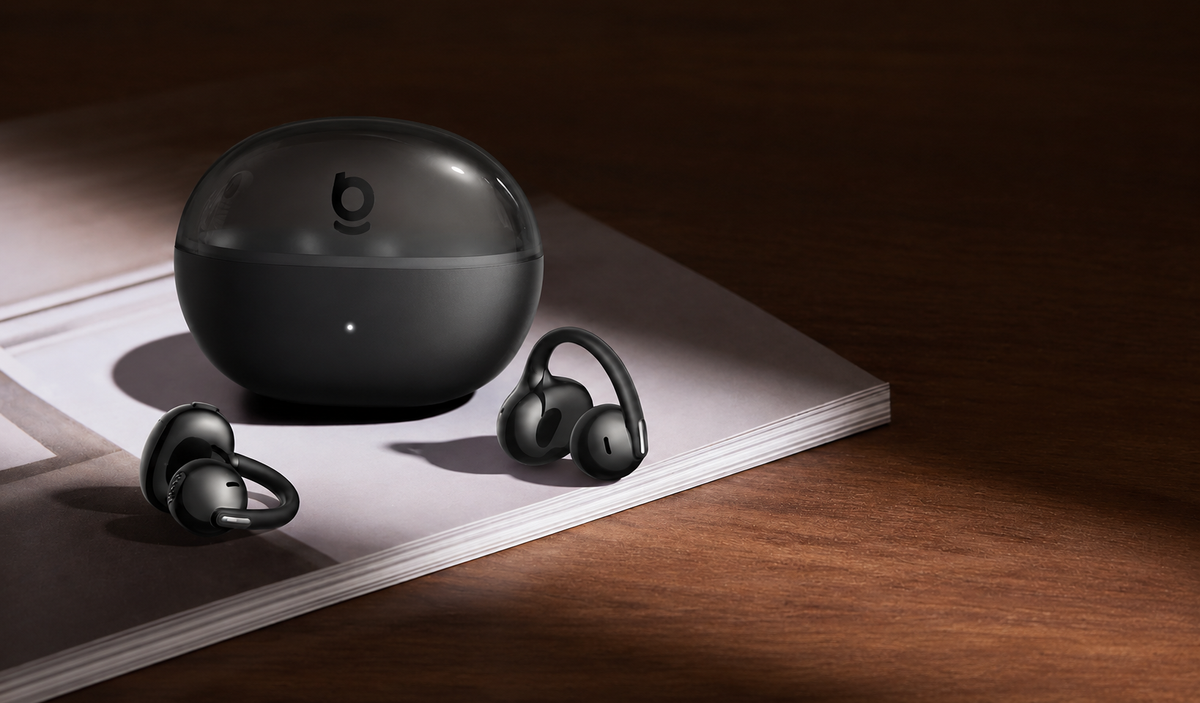
Can open ear earbuds be noise cancelling?
Yes, open ear earbuds can include active noise cancellation, or ANC. However, they cannot usually match the noise blocking of sealed in-ear earbuds or over-ear headphones.
Open ear earbuds sit outside the ear canal. Some use small speakers near the ear, while others use bone conduction to send sound through the cheekbones. Because the ear remains open, outside sounds can still reach your ears naturally.
This creates an important trade-off:
• You hear traffic, people, alarms, and other sounds around you.
• You get more comfort and awareness during outdoor activities.
• You usually get less bass and weaker noise isolation.
• ANC may reduce steady sounds, but it cannot fully block the world around you.
So, can open ear earbuds be noise cancelling? technically, yes. In practice, they are better described as noise reducing or noise managing unless they use a design that partly seals the ear.

How noise cancellation works in open ear earbuds
Active noise cancellation uses microphones and speakers. The microphones listen to outside sound. The earbuds then create an opposite sound wave to reduce it before it reaches your ears.
This works best with steady, low sounds. Examples include:
• Airplane engine noise
• Bus and train rumble
• Air conditioner hum
• Office ventilation noise
ANC is less effective against sudden or changing sounds. A barking dog, a nearby conversation, or a car horn may still be easy to hear.
With open ear earbuds, the challenge is greater. Sound does not enter only through the speaker. It also travels freely around the ear. The earbuds can cancel some sound near the speaker, but they cannot control every sound entering the open ear.
Think of ANC like using an umbrella in light rain. It can protect one area, but it cannot keep every drop away in a strong storm.
Passive noise isolation versus active noise cancellation
These terms are often mixed together, but they are not the same.
• Passive isolation comes from a physical seal, such as silicone ear tips or thick ear cups.
• Active noise cancellation uses microphones and electronic processing to reduce sound.
• Environmental noise reduction improves the microphone’s ability to capture your voice during calls.
• Transparency mode allows more outside sound to pass through sealed earbuds.
Open ear earbuds have little or no passive isolation. That makes ANC less powerful than it is in sealed headphones. A product may still reduce noise, but it should not create silence.
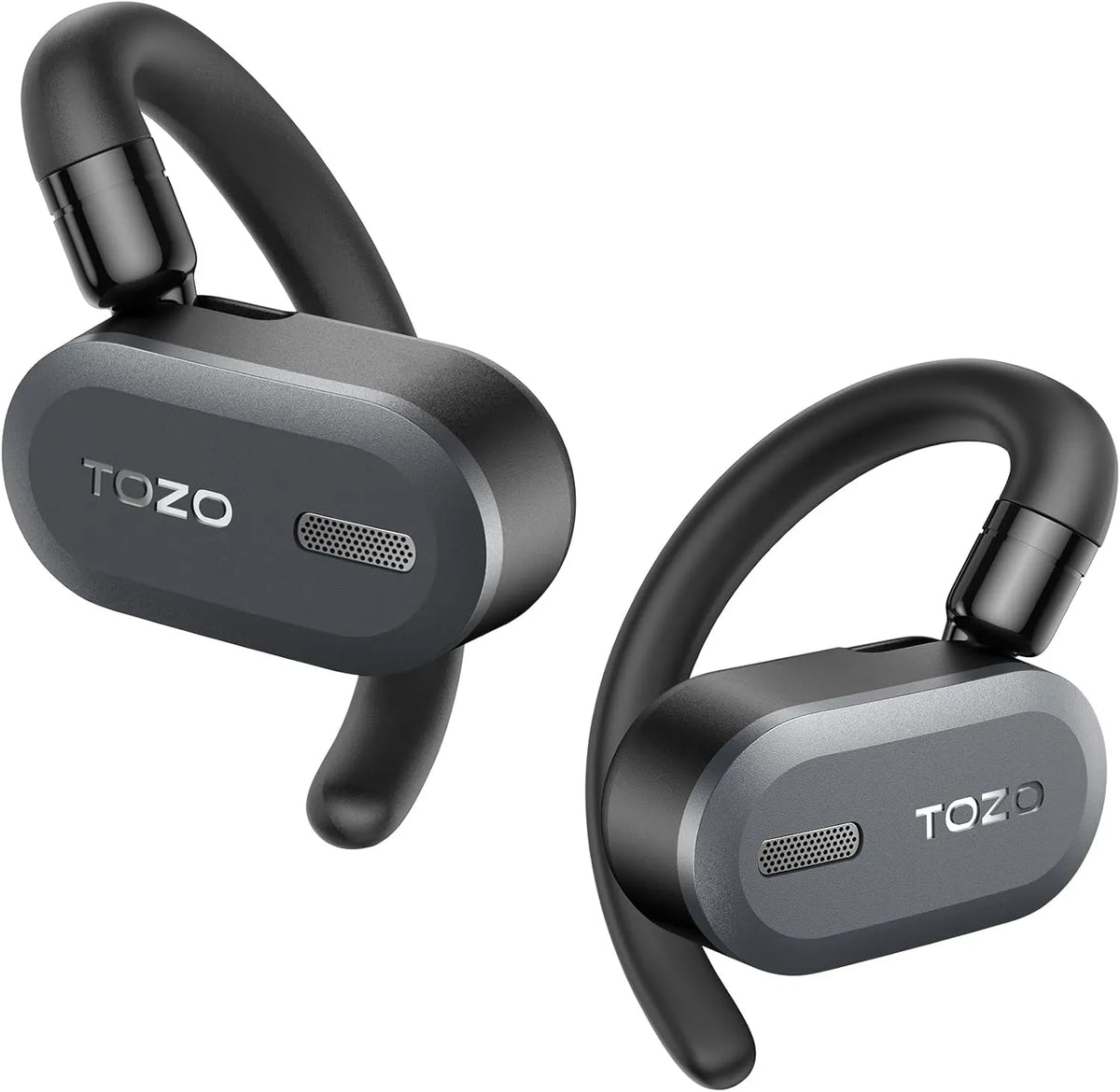
Why open ear earbuds usually cannot block all noise
The main reason is simple: open ear earbuds do not seal the ear canal.
A sealed earbud acts like a closed door. It blocks some sound before ANC even begins. An open ear model is more like a window. Its speaker can shape the sound you hear, but the outside world still comes through.
There are also technical limits. ANC works through careful timing. The system must detect outside noise and create an opposite signal quickly. Since open ear earbuds do not control the entire space around your ear, cancellation may be uneven.
Fit also matters. Small changes in ear shape, hair, glasses, and earbud position can affect sound. If the speaker moves only a few millimeters, bass and volume may change.
This is why two people can test the same earbuds and report very different results. One person may get clear sound on a quiet street. Another may struggle to hear music near a busy road.

Types of open ear earbuds and their noise control
Not every open ear product works in the same way. Knowing the main types makes the answer to “can open ear earbuds be noise cancelling” much clearer.
Air conduction open ear earbuds
Air conduction models use small speakers that sit near the ear canal. They send sound through the air without entering the ear.
These earbuds can offer:
• Clear awareness of nearby sounds
• Better comfort for people who dislike ear tips
• Good voice and podcast quality in quiet places
• Some ANC or digital noise reduction in selected models
Their main weakness is sound leakage. People nearby may hear a little of your music, especially at high volume.
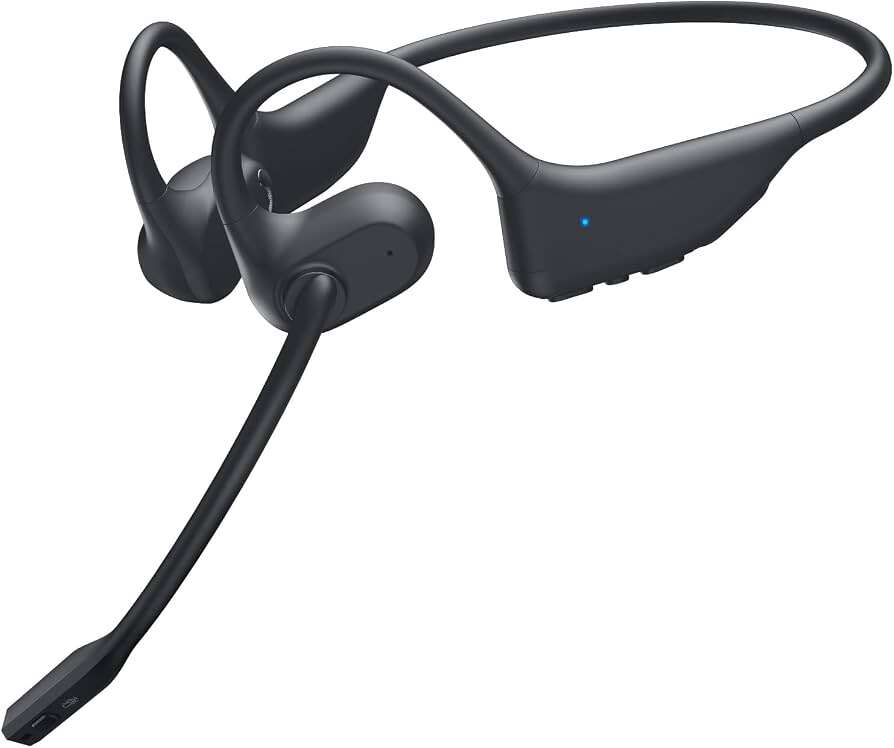
Bone conduction headphones
Bone conduction headphones sit against the cheekbones. They send vibrations through the bones of the skull to the inner ear.
They leave the ear completely open. This makes them useful for running, cycling, and outdoor work. However, they usually have less bass and weaker music detail than air conduction earbuds.
Bone conduction models rarely provide traditional ANC because their design does not create a sealed listening space. Some may offer microphone noise reduction for calls, but that is different from cancelling the sound you hear.
Open-fit earbuds with partial sealing
Some products sit loosely in the ear but still cover part of the opening. These may provide more passive blocking than true open ear earbuds.
A few designs can combine this shape with ANC. They may reduce low background noise better than fully open models. Still, they will not usually perform like deep-sealing earbuds.
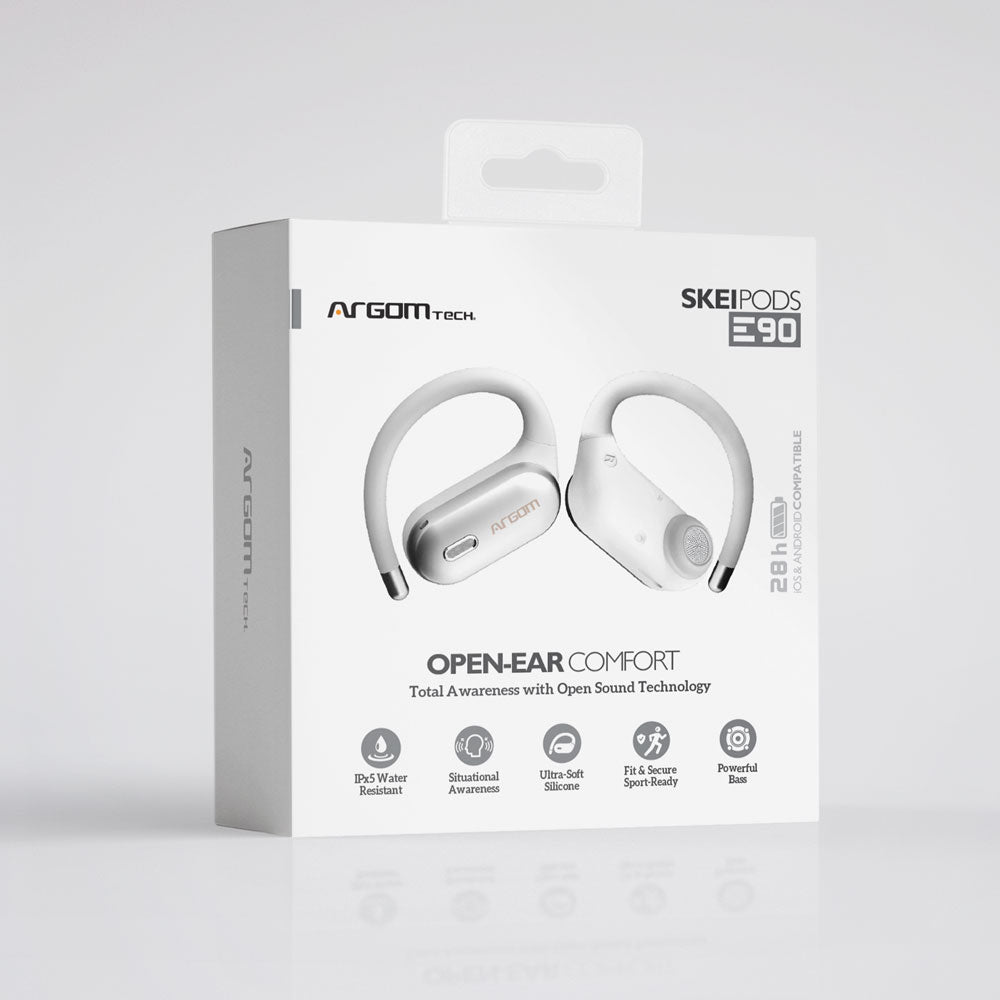
Can open ear earbuds have ANC and transparency mode?
Yes, a product can offer both ANC and transparency features. These modes use microphones and signal processing to change how much outside sound reaches the listener.
However, transparency mode is often less important on open ear earbuds. The ear is already exposed, so you naturally hear much of your surroundings without electronic help.
Manufacturers may still include a listening mode that changes sound balance or microphone behavior. In some cases, the mode improves voice clarity or lowers wind noise. In others, it mainly changes the volume of the music.
Before buying, check the product’s technical details. Look for clear wording such as:
• Active noise cancellation for listening
• Environmental noise cancellation for calls
• Wind noise reduction
• Adaptive noise control
These phrases do not all mean the same thing. “Environmental noise cancellation” often refers to the microphones used during calls. It may not reduce the noise you hear while listening to music.

Benefits of noise-cancelling open ear earbuds
Even limited noise cancellation can be useful. The goal is not always total silence. Sometimes the goal is clearer audio at a safer volume.
Better awareness outdoors
Open ear earbuds let you hear vehicles, cyclists, coworkers, and warning sounds. This can be helpful when walking, jogging, or working in a shared space.
The World Health Organization warns that loud personal audio can harm hearing over time. Staying aware of your surroundings does not make loud listening safe, but it may help you avoid turning the volume up to extreme levels.
More comfortable long-term wear
Many people find sealed earbuds tiring. Ear pressure, heat, sweat, and itchy ear tips can make long listening sessions unpleasant.
Open ear earbuds rest outside the canal. This may work well for users with sensitive ears, hearing aids, or a strong dislike of in-ear products.
Fewer compromises during work
You can listen to music or a podcast while remaining aware of office conversations. This can be useful when you need light background audio but cannot completely disconnect.
Improved call performance
Some open ear models use multiple microphones and digital signal processing. These features can make your voice clearer in wind or mild background noise.
Remember that call noise cancellation mainly helps the person on the other end. It does not necessarily make your own surroundings quieter.
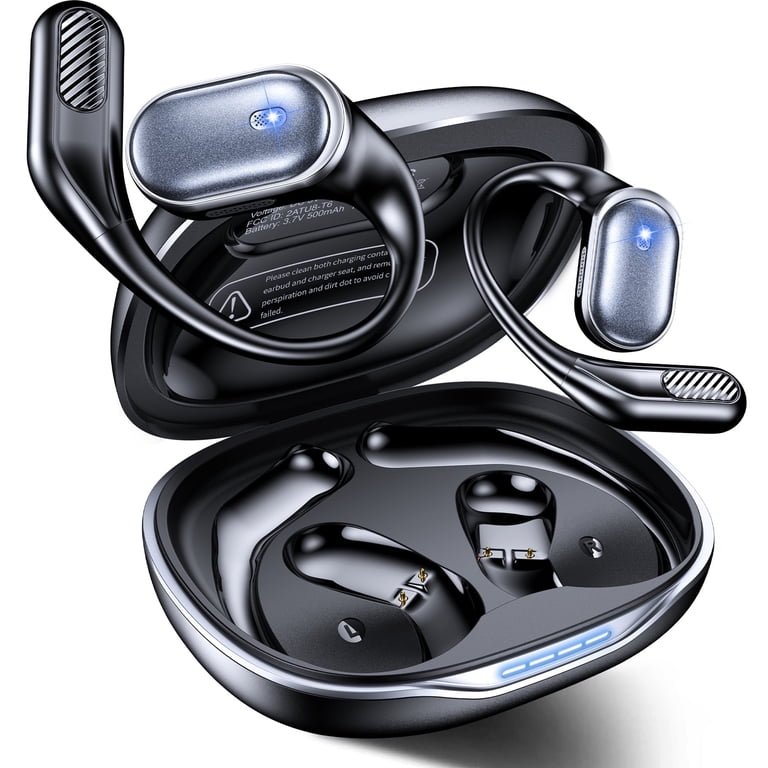
Limitations of open ear noise cancellation
The answer to “can open ear earbuds be noise cancelling” should always include their limitations. Marketing terms can make these products seem more powerful than they are.
They cannot create complete silence
Because the ear remains open, you will still hear conversations, traffic, and other nearby sounds. ANC may reduce a low hum, but it will not erase the entire environment.
Bass can feel weaker
Low frequencies often need a seal to sound strong. Open ear earbuds may produce less deep bass, especially in noisy places.
Some products use software to boost bass. This can help, but it may also reduce battery life or cause sound leakage.
Wind can be a problem
Wind hits the microphones and can create a rushing sound. This is common during cycling or fast walking.
A good fit, wind reduction mode, and a design that shields the microphones can help. None of these solutions works perfectly in strong wind.
High volume remains risky
Open ear earbuds are not automatically safer for hearing. If the environment is loud, you may raise the volume to compete with it.
A useful habit is to keep the volume moderate and take breaks. If you need to increase the volume often, a sealed noise-cancelling model may be the better choice.
How to test noise cancellation in open ear earbuds
You can test a pair in a few simple ways. Do not rely only on the product box or a short store demo.
-
Test them in a quiet room first. Check whether voices and music sound clear at a comfortable volume.
-
Try steady background noise. A fan, air conditioner, or recorded airplane sound can show whether ANC reduces low hum.
-
Test speech nearby. Ask someone to talk while you listen. Good open ear earbuds should let you remain aware, not hide every word.
-
Walk outside carefully. Notice how traffic, wind, and footsteps affect your listening.
-
Make a phone call. Ask the other person whether your voice remains clear with mild background noise.
-
Check sound leakage. Play audio at your normal level and ask someone nearby whether they can hear it.
In my experience with open-style audio tests, the biggest mistake is judging performance in a silent room. A model can sound excellent indoors and feel weak beside a busy street. Always test it in the place where you plan to use it.
Open ear earbuds versus sealed noise-cancelling earbuds
The right choice depends on your surroundings and priorities.
| Feature | Open ear earbuds | Sealed ANC earbuds |
|---|---|---|
| Awareness of surroundings | Excellent | Limited unless transparency mode is active |
| Noise blocking | Low to moderate | Moderate to very high |
| Comfort for some users | Very high | Depends on ear tips and fit |
| Bass response | Often lighter | Usually stronger |
| Outdoor safety awareness | Strong | Requires careful settings |
| Sound leakage | Possible | Usually low |
| Best use | Walking, work, light exercise | Travel, flights, loud offices |
Open ear earbuds make sense when awareness and comfort matter most. Sealed ANC earbuds are usually better for airplanes, subways, loud offices, and deep focus.
Some people keep both types. They use open ear earbuds outdoors and sealed headphones for travel. That is often more practical than expecting one product to do everything.
What to look for when buying open ear earbuds
If you want open ear earbuds with noise control, focus on the whole design rather than one feature.
Check the exact type of noise cancellation
Find out whether the product offers:
• ANC for the listener
• Microphone noise cancellation for calls
• Wind noise reduction
• Passive noise isolation
Do not assume that “noise cancelling microphone” means you will hear less outside noise.
Consider fit and stability
A secure frame matters during exercise. Look for adjustable hooks, flexible bands, or several size options.
The speaker should sit near the ear without pressing hard against it. If it sits too far away, audio may sound thin and people nearby may hear more leakage.
Review battery life with ANC enabled
Battery claims often use ideal conditions. ANC, high volume, calls, and streaming can reduce runtime.
Look for separate battery estimates for normal listening and noise-control modes. A charging case is useful if you travel or spend long hours away from an outlet.
Check water resistance
For workouts, look for an official IP rating. An IPX4 rating generally means resistance to water splashes, while higher ratings may offer more protection. Water resistance does not mean the product is safe for swimming.
Read independent reviews
Pay attention to comments about wind, bass, call quality, sound leakage, and comfort. These details often reveal more than a short feature list.
Common mistakes to avoid
Buying open ear earbuds is easier when you know what often goes wrong.
• Expecting silence from an open design: Choose sealed ANC headphones if silence is your main goal.
• Confusing call noise reduction with listening ANC: Read the feature description carefully.
• Using high volume near traffic: Awareness helps, but loud sound can still damage hearing.
• Ignoring wind: Test outdoor performance if you run, cycle, or work outside.
• Buying only for battery life: Comfort and fit matter more during real use.
• Wearing them in dangerous situations: Do not rely on earbuds while driving or when you need full attention.
One practical lesson is worth remembering: the best earbuds are not always the ones with the longest feature list. They are the ones that fit your routine, your ears, and your environment.
Frequently asked questions about can open ear earbuds be noise cancelling
Can open ear earbuds completely block outside noise?
No. Their open design allows outside sound to reach your ears. Some models can reduce steady background noise, but they cannot provide the same isolation as sealed earbuds or over-ear headphones.
Do all open ear earbuds have active noise cancellation?
No. Many open ear earbuds have no ANC at all. Some offer microphone noise reduction for calls, which is different from active noise cancellation for the listener.
Are open ear earbuds safer than noise-cancelling earbuds?
They can help you stay aware of your surroundings, especially outdoors. However, they are not automatically safer because high volume can still harm hearing, and awareness does not replace careful attention.
Can open ear earbuds be noise cancelling on an airplane?
They may reduce some engine hum, but they are usually not the best choice for air travel. Sealed ANC headphones normally block airplane noise more effectively and provide clearer audio at a lower volume.
Do open ear earbuds leak sound?
Yes, they can. Since the speaker sits outside the ear canal, some sound may be heard by people nearby, especially when the volume is high.
Are bone conduction headphones the same as open ear earbuds?
They are a type of open-ear listening device, but they work differently. Bone conduction headphones send vibrations through the bones near your ear, while air conduction open ear earbuds send sound through the air from a speaker near the ear.
Conclusion
So, can open ear earbuds be noise cancelling? Yes, but their open design places a clear limit on how much noise they can remove. They may reduce steady sounds and improve call quality, yet they will not match the isolation of sealed ANC earbuds.
Choose open ear earbuds for comfort, outdoor awareness, and light listening. Choose sealed noise-cancelling earbuds or headphones for flights, loud commutes, and deep focus. Compare the fit, ANC type, wind handling, battery life, and safety features before you buy.
If you are choosing between these designs, test both in your real listening environment and share your experience or questions in the comments.

Everett Ashford is a tech reviewer at mytechgrid.com specializing in SSDs, cameras, TVs, earbuds, headphones, and other consumer electronics. He provides honest, data-driven reviews based on hands-on testing and real-world performance analysis. Everett simplifies complex tech details to help readers make smart, confident buying decisions.