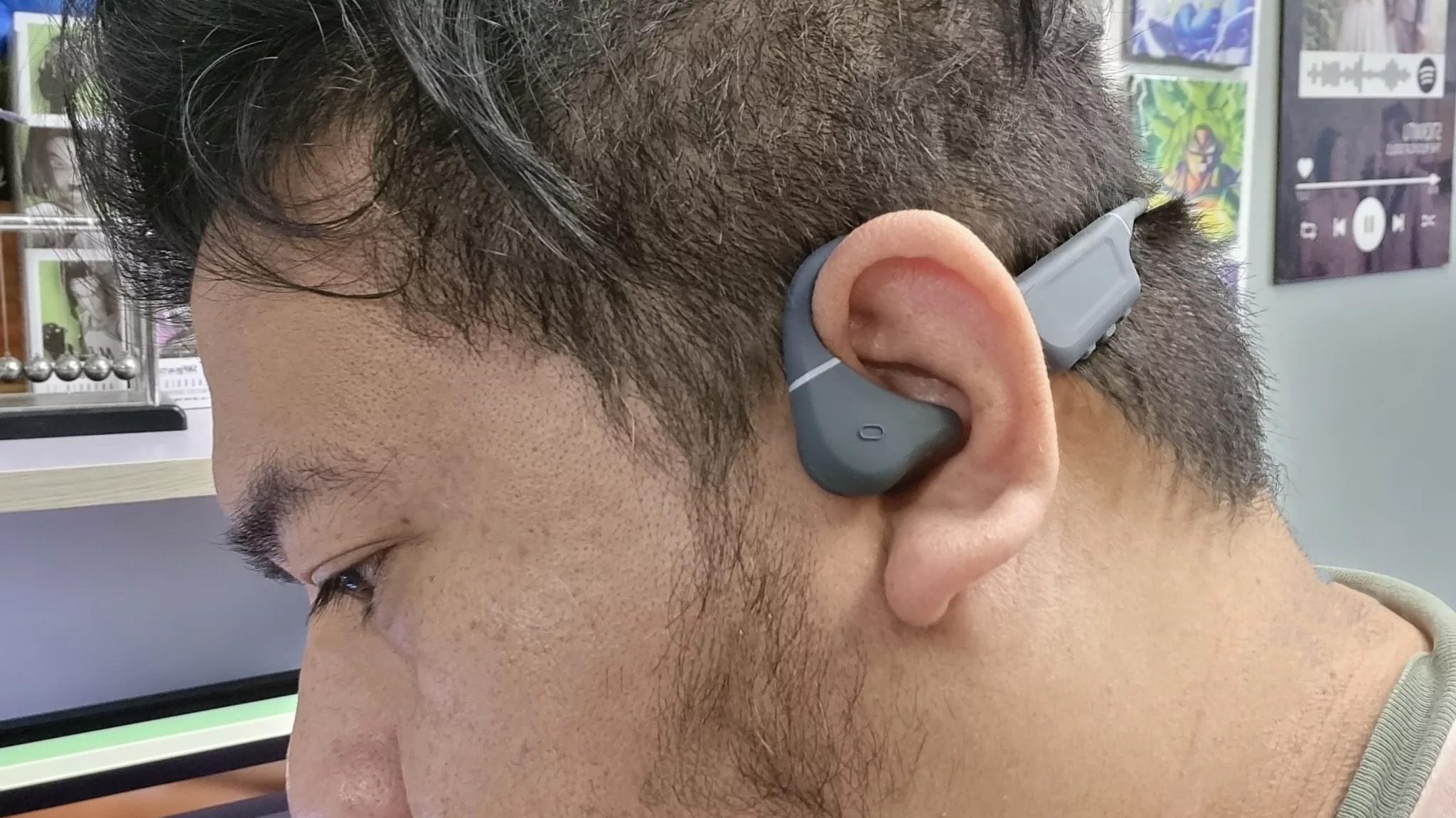
Yes. In most cases, you can wear bone conduction headphones with earplugs at the same time. Bone conduction headphones sit outside the ear canal and send sound through vibrations in the skull, while earplugs block sound from entering the ear canal.
This setup is common in the United States for work, travel, studying, swimming, and noisy outdoor activities. However, earplugs may make music sound different, reduce your awareness of nearby sounds, and create a poor fit if the headphones press against them.
The best result depends on the type of earplugs, the noise around you, the headphone design, and why you need hearing protection.

How Bone Conduction Headphones Work With Earplugs
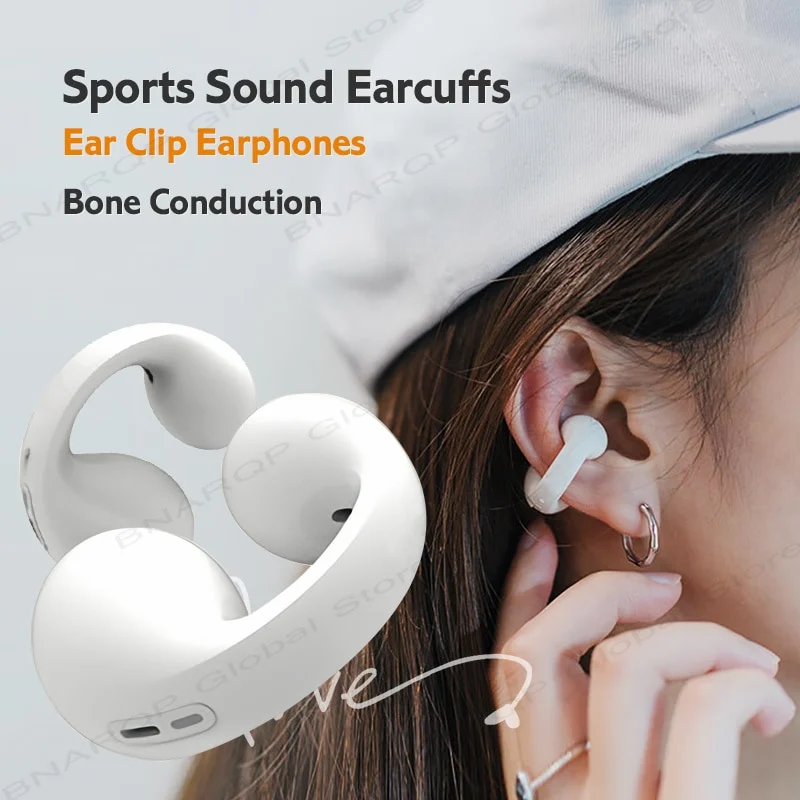
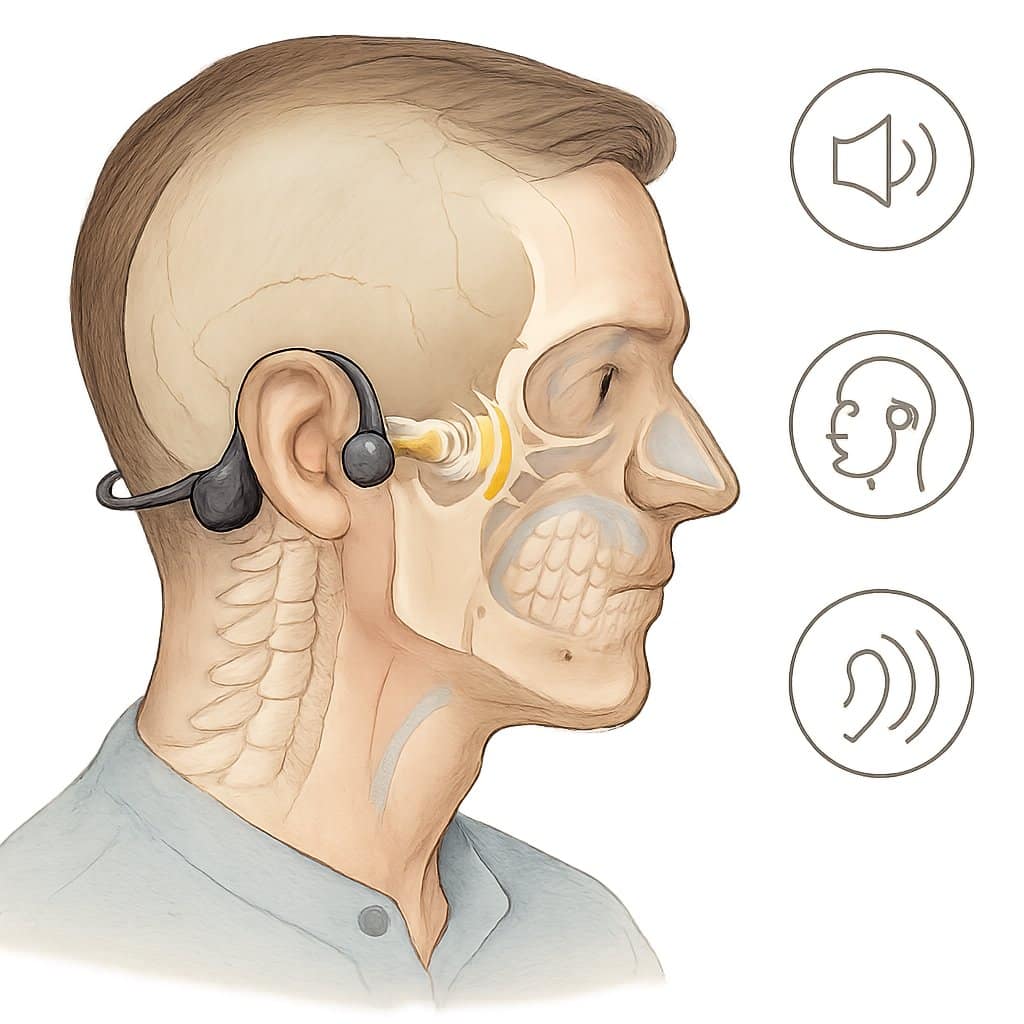
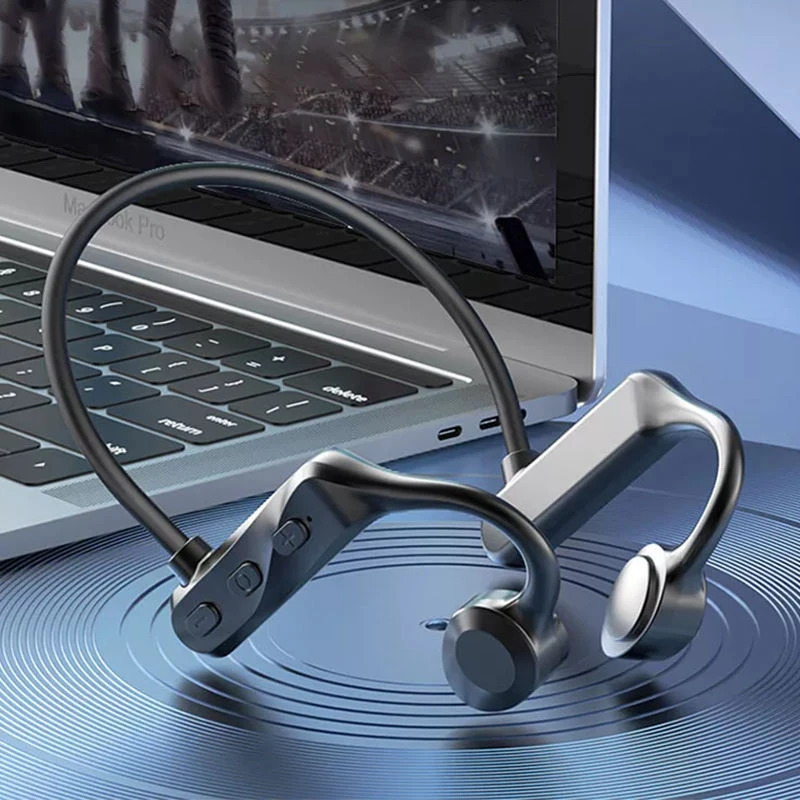
Bone conduction headphones use small transducers that rest near the cheekbones, usually in front of the ears. These transducers vibrate the bones of the skull. The vibrations reach the inner ear, where they are processed as sound.
Traditional headphones send sound through the ear canal. Bone conduction headphones do not need to seal or cover the canal. That is why earplugs and bone conduction headphones can usually be used together.
Earplugs still block sound that travels through the air. They may reduce:
- Traffic noise
- Machinery noise
- Wind noise
- Voices
- Airplane cabin noise
- General background sound
The music or speech from the bone conduction headphones can still reach the inner ear through bone vibration. Yet the experience may not sound exactly the same. Earplugs can reduce outside sound and may make the audio seem quieter, less clear, or more “inside your head.”
Bone conduction headphones are not the same as hearing protection. Their ability to transmit sound through bone does not give them a certified Noise Reduction Rating (NRR). If you need workplace protection, use earplugs or earmuffs approved and supplied for that setting. The National Institute for Occupational Safety and Health (NIOSH) and the Occupational Safety and Health Administration (OSHA) provide U.S. workplace noise guidance.
When This Combination Is Useful
Wearing bone conduction headphones with earplugs can work well when you need both audio and some noise reduction. The right use depends on the situation.
Outdoor exercise
Earplugs can reduce wind and road noise while bone conduction headphones let you listen to music or navigation prompts. This may help during running or cycling near loud roads.
Use care around traffic. Earplugs can reduce your ability to hear cars, horns, cyclists, sirens, and other warnings. If you need to hear your surroundings, use low-attenuation plugs, transparency-style hearing protection, or no earplugs.
Air travel
Earplugs can reduce cabin noise, while bone conduction headphones provide audio without placing an earbud inside the ear. This may be more comfortable for people who dislike in-ear headphones.
For airplane pressure changes, earplugs marketed for travel may help some people feel more comfortable. They do not guarantee protection from ear pain or pressure injury. If you have repeated severe pain during flights, ask a medical professional for advice.
Work and industrial settings
This combination may be useful only if it follows your employer’s hearing conservation rules. Earplugs must fit correctly, and some workplaces may ban personal audio devices because they can distract workers or interfere with communication.
Bone conduction headphones do not replace required hearing protection. They also may make it harder to hear alarms or spoken instructions when earplugs are in place.
Ask your supervisor or safety officer before using them at work. A workplace noise assessment is more useful than guessing from how loud the area feels.
Studying in a noisy place
Earplugs can lower background noise, while bone conduction headphones provide spoken lessons, calls, or quiet music. This can be comfortable for people who do not like sealed earbuds.
The trade-off is that bone conduction headphones may need a higher volume in a loud room. Avoid turning them up to overcome noise. Move to a quieter area instead.
Swimming
Some bone conduction headphones are designed for swimming, but not every model is waterproof. Regular earplugs may also affect comfort and sound quality.
Use only headphones rated for the planned water exposure. Check the manual for the water-resistance rating, depth limit, pool use, and Bluetooth restrictions. Bluetooth signals do not travel well through water, so swimming models often store audio internally rather than stream it from a phone.

What Earplugs Work Best?
The best earplugs depend on your goal. Fit matters more than appearance.
| Earplug type | Best use | Effect with bone conduction headphones |
|---|---|---|
| Foam earplugs | Strong general noise reduction | May make audio sound muffled and reduce awareness |
| Silicone or reusable plugs | Travel, comfort, and repeated use | Often comfortable, but fit can vary |
| Flanged plugs | A firm seal and easy removal | May press against the headphone band or feel bulky |
| Musician’s earplugs | Lower, more even sound reduction | Often preserve speech and music better |
| Swim plugs | Water protection | May block speech and change audio balance |
| Custom-molded plugs | Frequent use and a precise fit | Can be comfortable, but need professional fitting |
Foam earplugs usually provide a stronger seal when inserted correctly. That can help in loud settings, but it may also make bone conduction audio seem strange or overly internal.
Musician’s earplugs often reduce sound more evenly across frequencies. They may preserve speech and music better than basic foam plugs, but they are not automatically suitable for high-noise workplaces. Check their stated attenuation and workplace approval.
Swim plugs are designed to keep water out, not necessarily to reduce hazardous noise. Do not assume that a swim plug provides the same protection as a certified hearing protector.

How to Wear Bone Conduction Headphones With Earplugs
Follow these steps to improve comfort and reduce the chance of a poor fit.
-
Insert the earplugs first.
Follow the package instructions. For foam plugs, roll them thin, pull the ear slightly up and back, insert the plug, and hold it in place while it expands. -
Check the seal.
Your voice may sound slightly louder or more echo-like. Outside noise should sound quieter. If one ear sounds much louder than the other, remove and refit the plugs. -
Place the headphones correctly.
The transducers should sit on the cheekbones in front of the ears. The band should rest behind the head or neck according to the manufacturer’s instructions. -
Start at a low volume.
Earplugs can change the way the audio sounds. Give your ears time to adjust instead of raising the volume at once. -
Test speech and alarms.
Make sure you can hear what you must hear in that environment. If you cannot hear warnings, do not use the setup there. -
Move your jaw and head.
Talk, chew, look up, and turn your head. The headphones should stay in place without digging into the earplugs. -
Stop if you feel pain or pressure.
Pain usually signals a poor fit, excessive clamp force, an earplug problem, or an ear condition. Do not keep wearing the devices to “break them in.”
A good fit feels stable but not tight. The headphones should not push the plugs deeper into the ear canal. If they do, try a different plug shape or adjust the headphone band.
Why Does the Sound Change When You Add Earplugs?
Earplugs change the sound that reaches your ear through the air. They do not necessarily stop the vibration delivered through the skull. This difference can produce an effect called occlusion.
Occlusion happens when a sealed ear canal makes internal sounds seem louder. Your voice, chewing, breathing, and footfalls may become more noticeable. Bone conduction audio can also feel stronger or more direct because outside sounds are reduced.
You may notice:
- More bass or a “booming” voice
- Less awareness of the room
- A louder perception of chewing or footsteps
- More difficulty judging the true music volume
- A need to adjust the headphone position
- Lower speech clarity in some settings
Do not use the changed sound as a reason to turn the volume up sharply. The CDC recommends keeping personal listening devices at no more than 60% of maximum volume as a general way to reduce risk. That setting is not a precise safety limit because device output, fit, music type, and listening time vary.
NIOSH uses an occupational exposure limit of 85 dBA averaged over an eight-hour workday, with exposure time cut in half for each 3 dB increase. Consumer devices often do not display a reliable sound level at the listener’s ear, so lower volume and shorter listening time are sensible controls.

Are Bone Conduction Headphones Safe With Earplugs?
For many people, this combination is physically safe when the volume is moderate and the earplugs fit properly. It is not risk-free in every situation.
The main risks are:
- Listening too loudly because the earplugs reduce outside sound
- Missing alarms, vehicles, or spoken warnings
- Irritating the ear canal with dirty or poorly fitted plugs
- Developing soreness from pressure between the headphones and ears
- Using unsuitable plugs in a high-noise workplace
- Wearing wet or dirty earplugs for long periods
Earplugs do not make loud audio safe. They also do not prevent all sound from reaching the inner ear through bone conduction. If the headphones are loud enough to cause discomfort, ringing, muffled hearing, or fatigue, lower the volume and stop listening.
Clean reusable earplugs as directed. Replace foam plugs after they become dirty, lose their shape, or no longer expand well. Do not share earplugs.
Seek medical care for persistent ear pain, drainage, sudden hearing loss, strong dizziness, or ringing that does not go away. A hearing professional can also help if you need custom protection or have a history of ear disease.
Bone Conduction Headphones and Earplugs: Pros and Cons
The combination has clear benefits, but it is not right for every setting.
Advantages
- Keeps the ear canal free from earbuds
- Can reduce background noise
- May feel more comfortable for people who dislike in-ear headphones
- Allows audio playback while using some types of hearing protection
- Can reduce wind noise during outdoor activities
- May work well for spoken audio in moderately noisy places
Limitations
- Earplugs may change music quality
- Bone conduction audio can sound less full than sealed headphones
- Awareness of alarms and traffic may decrease
- Headphone pressure may make some earplugs uncomfortable
- The setup does not automatically meet workplace safety rules
- High volume can still damage hearing
- Some earplugs block too much sound for safe communication
The deciding factor is your purpose. If your main goal is comfort, this setup may work well. If your main goal is certified hearing protection, choose protection based on the measured noise and the requirements of your workplace—not on the headphone type.

Common Mistakes to Avoid
Assuming bone conduction headphones do not affect hearing
Bone conduction headphones still stimulate the inner ear. Loud sound, whether delivered through air or bone, can contribute to hearing damage.
Treating any earplug as certified protection
Decorative plugs, basic swim plugs, and loosely fitted reusable plugs may not provide the protection you need. Look for the product’s stated attenuation and follow the fitting instructions.
Turning up the volume to beat the noise
This is one of the most important mistakes. If the audio is hard to hear with earplugs, reduce the surrounding noise, use a quieter location, or choose audio with clearer speech.
Wearing the wrong size
A plug that is too large may hurt. A plug that is too small may not seal. Foam plugs should expand inside the canal, not sit loosely at the opening.
Ignoring the safety rules at work
Some employers prohibit headphones, even when they do not cover the ears. Follow the site’s rules and ask before using personal audio equipment.
Using earplugs to solve an ear problem
Earplugs may hide discomfort without fixing its cause. Stop using them if you have pain, discharge, infection symptoms, or a sudden change in hearing.
Quick Decision Guide
Use this guide to decide whether the combination makes sense:
- Quiet room: Earplugs are usually unnecessary. Bone conduction headphones alone may be more comfortable.
- Moderate background noise: Earplugs may improve comfort, but keep the volume low and test speech awareness.
- Loud workplace: Use the hearing protection required by your employer. Do not rely on bone conduction headphones as protection.
- Running near traffic: Use only enough protection to manage noise while preserving needed awareness.
- Air travel: The combination may improve comfort, but it will not solve every pressure problem.
- Swimming: Use only equipment rated for swimming and follow the manufacturer’s instructions.
- Ear pain or hearing symptoms: Stop and seek medical guidance.
Can you wear bone conduction headphones with foam earplugs?
Yes. Foam earplugs usually fit under or inside the headphone arrangement because the headphones sit outside the ear canal. They may reduce outside sound strongly and make the audio seem more internal.
Do earplugs block bone conduction headphones?
Usually, no. Earplugs block sound entering through the ear canal. Bone conduction headphones send much of their signal through vibrations near the cheekbones. The earplugs may still reduce overall clarity because they remove outside sound.
Can you use this setup for shooting or loud tools?
Only if the earplugs are suitable for the measured noise and your local or workplace safety rules allow the headphones. For very loud impulse noise, use the hearing protection specified by a qualified safety professional. Bone conduction headphones are not a substitute for rated protection.
Will earplugs damage your ears when worn with bone conduction headphones?
The combination itself does not usually damage the ears. Problems can occur when plugs are inserted too deeply, kept dirty, worn during an ear infection, or forced into place by a tight headphone fit.
Can people still hear me when I talk?
Usually, yes. Bone conduction headphones may include microphones, but microphone quality varies by model and environment. Earplugs can also make your own voice sound louder, which may change how loudly you speak. Test calls in a quiet place before relying on the setup.
Final Answer
You can wear bone conduction headphones with earplugs because the two devices use different sound paths. The headphones sit outside the ear canal, while the earplugs seal the canal.
Use the combination at a moderate volume, check that the earplugs fit, and make sure you can hear necessary warnings. For hazardous noise, follow U.S. workplace guidance and use certified hearing protection. Bone conduction headphones can provide audio, but they do not turn loud sound into safe sound.

Everett Ashford is a tech reviewer at mytechgrid.com specializing in SSDs, cameras, TVs, earbuds, headphones, and other consumer electronics. He provides honest, data-driven reviews based on hands-on testing and real-world performance analysis. Everett simplifies complex tech details to help readers make smart, confident buying decisions.