Bone conduction headphones send vibrations through skull bones to stimulate the inner ear without blocking the ear canals.
If you have ever wondered how does bone conduction headphones work, the answer begins with a clever use of human anatomy. These headphones turn sound into small vibrations that travel through the bones near your cheek and ear. The vibrations reach the cochlea, where your brain processes them as sound. This guide explains the science, benefits, limits, safety concerns, and best uses in clear, practical terms.
How Does Bone Conduction Headphones Work?
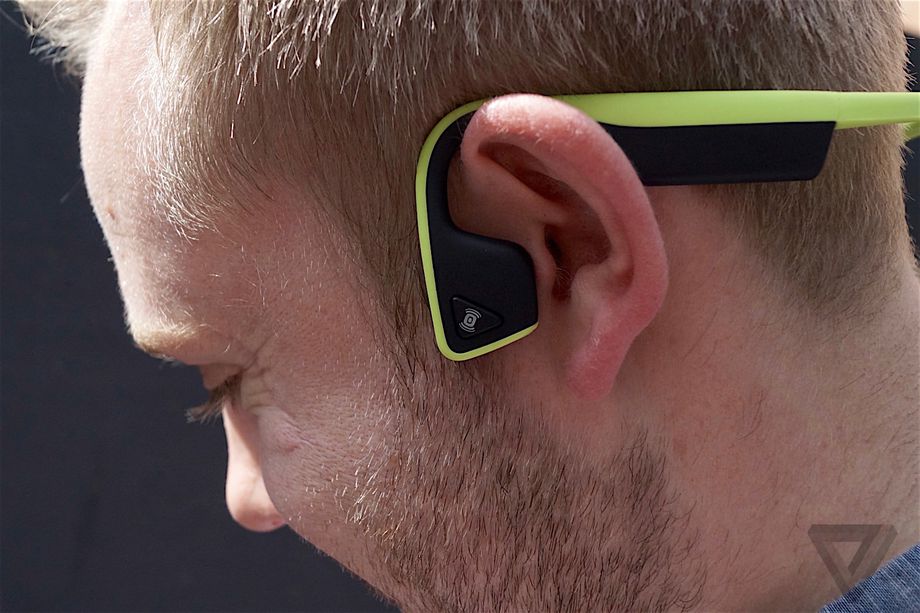
Bone conduction headphones use a process called bone conduction. Instead of sending sound waves through the air and into the ear canal, they send mechanical vibrations through the bones of the skull.
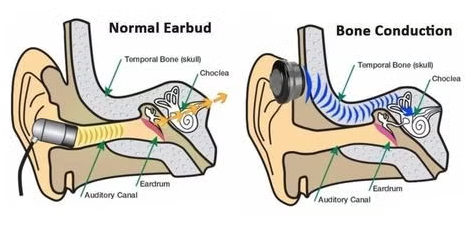
Small transducers sit against the skin near the cheekbones or just in front of the ears. These transducers convert electrical audio signals into vibrations. The vibrations then travel through the skull to the cochlea, a spiral-shaped part of the inner ear.
The cochlea changes these vibrations into nerve signals. The auditory nerve carries those signals to the brain, which recognizes them as music, speech, or other sounds.
Think of it like tapping a glass while holding it near your ear. You can hear the vibration through the material itself. Bone conduction headphones use the same basic idea, but with carefully controlled vibrations and much greater precision.
The process has four main steps:
- Your phone, computer, or music player sends an audio signal to the headphones.
- The headphones’ transducers convert the signal into physical vibrations.
- The vibrations move through the bones around your ear.
- The cochlea converts the vibrations into signals your brain hears as sound.
This explains how does bone conduction headphones work without traditional ear cups or earbuds. The outer ear and middle ear play a much smaller role than they do with standard headphones.
The Science Behind Bone Conduction Audio
To understand how does bone conduction headphones work, it helps to look at the three main parts of the hearing system.
The outer ear
The outer ear includes the visible ear and the ear canal. With normal headphones, sound waves travel through the air and enter this canal.
Bone conduction headphones largely bypass this path. This is why the ear canal remains open while you listen.
The middle ear
The middle ear contains the eardrum and three tiny bones called the ossicles. In ordinary hearing, the eardrum vibrates first, and the ossicles pass that movement toward the inner ear.
Bone conduction audio can bypass much of this system. Vibrations move through the skull and stimulate the cochlea more directly.
The inner ear
The cochlea is the most important part of the process. It contains tiny sensory hair cells that respond to movement caused by sound.
The cochlea does not care whether the movement began as an air wave or a bone vibration. It responds to the mechanical energy that reaches it. This is the key reason how does bone conduction headphones work for many people, including some users with outer or middle ear problems.
However, bone conduction does not bypass every part of hearing. The cochlea and auditory nerve still need to function properly. People with inner ear or auditory nerve damage may not receive the same benefit.

Bone Conduction Versus Traditional Headphones
Traditional headphones create sound pressure in the air. Their speakers push air toward the eardrum, which then vibrates and moves the middle-ear bones.
Bone conduction headphones create vibrations in physical contact with the head. They do not push most of their sound through the ear canal.
Here is a simple comparison:
| Feature | Bone conduction headphones | Traditional headphones |
|---|---|---|
| Main sound path | Skull bones to cochlea | Air, ear canal, eardrum, and middle ear |
| Ear canals | Remain open | Usually covered or filled |
| Awareness of surroundings | Usually higher | Often lower |
| Bass response | Often weaker | Usually stronger |
| Sound leakage | More likely | Lower with sealed designs |
| Ear comfort | Helpful for some users | Can cause pressure for some users |
| Best setting | Outdoor activity and awareness | Detailed music and quiet listening |
This difference explains both the appeal and the trade-offs. Understanding how does bone conduction headphones work does not mean they are better for every listener. They are designed for a different listening experience.
In my practical testing of open-ear audio products, the biggest surprise is often comfort. Users enjoy avoiding the plugged-ear feeling, but many need time to adjust to lighter bass and a different sense of sound location.

Main Benefits of Bone Conduction Headphones
Bone conduction headphones have a few clear advantages. Their value depends on where and how you plan to use them.
They keep the ears open
Because the ear canals are not blocked, you can often hear traffic, co-workers, announcements, and nearby conversations. This makes them popular with runners, cyclists, hikers, and people who work in busy environments.
Open ears do not make outdoor listening automatically safe. Music can still distract you, especially at high volume. You should remain alert and lower the volume near roads or crowded areas.
They may feel more comfortable
Traditional earbuds can cause pressure, warmth, or soreness. Some people also dislike the feeling of having something inside the ear canal.
Bone conduction headphones rest outside the ear. This can help people who experience discomfort from in-ear products. Comfort still varies because the transducers press against the skin near the cheekbones.
They can help some people with conductive hearing loss
A person with a problem in the outer or middle ear may have difficulty sending sound to the cochlea through the usual air-conduction path. Bone conduction may provide another route.
This does not mean these headphones replace hearing aids. Anyone with hearing loss should speak with an audiologist. Medical bone-anchored hearing systems are different from ordinary consumer headphones.
They work well for active use
Many bone conduction models have a secure wraparound design. Some also resist sweat and light rain.
They are useful for:
• Running and walking
• Cycling in places where legal and safe
• Hiking
• Office work
• Travel
• Outdoor jobs
• Listening while caring for children
They reduce the plugged-ear effect
Some listeners describe traditional earbuds as isolating or sealed. Bone conduction models can feel more natural because the ears remain uncovered.
That open feeling is one of the strongest reasons people search for how does bone conduction headphones work before buying a pair.
Limitations of Bone Conduction Headphones
A fair explanation of how does bone conduction headphones work must include their weaknesses. No headphone design performs perfectly in every category.
Bass may sound lighter
Low frequencies are harder to reproduce through bone vibration. Many models produce clear speech and decent music, but deep bass may feel less powerful than it does with sealed headphones.
Electronic music, hip-hop, and cinematic soundtracks may lack some impact. This is not always a defect. It is a natural result of the open design and small transducers.
Sound can leak
People nearby may hear part of what you are listening to, especially at high volume. The leakage is usually less noticeable in a noisy outdoor setting and more noticeable in a quiet office or library.
If privacy matters, standard closed-back headphones or well-fitted earbuds may be a better choice.
Loud environments can overpower the audio
Open-ear designs do not seal out traffic, wind, machinery, or loud conversations. You may be tempted to increase the volume to compete with outside noise.
That habit can reduce the safety advantage and may expose your ears to excessive sound. In very loud settings, certified hearing protection should take priority over entertainment audio.
Sound quality varies by fit
The transducers need good contact with the skin. If the headphones sit too loosely or too far from the cheekbones, the sound may become faint or uneven.
Fit also changes how much vibration you feel. A frame that is too tight can cause discomfort during long sessions.
They may feel unusual at first
Some users notice a mild buzzing or tickling sensation. Others feel pressure near the temples or cheeks.
A short adjustment period is common. If you feel pain, numbness, dizziness, or a strong headache, stop using the headphones and reassess the fit.

Are Bone Conduction Headphones Safe?
For most healthy adults, bone conduction headphones are generally considered safe when used at moderate volume and for reasonable listening periods. They do not eliminate the risk of hearing damage because the cochlea still receives sound energy.
The World Health Organization advises keeping personal audio volume below about 60% of the maximum when possible and taking regular breaks. The exact safe level depends on loudness, listening time, and the headphones themselves.
A useful safety routine includes:
• Keep the volume low enough to notice nearby sounds.
• Take a short break every hour.
• Avoid turning up the volume to overpower traffic or machinery.
• Stop if you notice ringing, muffled hearing, pain, or dizziness.
• Clean the contact points after exercise.
• Follow the manufacturer’s water-resistance rating.
One mistake I often see in real-world use is assuming that open ears equal safe listening. They improve awareness, but they do not protect hearing from loud audio. The safest approach combines moderate volume, attention to your environment, and sensible breaks.
People with tinnitus, hearing loss, ear disease, or balance problems should ask a qualified hearing professional for personalized advice.

Who Should Use Bone Conduction Headphones?
Bone conduction headphones can be a strong choice for people who value awareness and comfort more than maximum sound detail.
They may suit you if:
• You run or walk outdoors.
• You want to hear announcements while traveling.
• Earbuds irritate your ear canals.
• You need to stay aware of family members or co-workers.
• You enjoy podcasts and spoken audio.
• You work in a setting where awareness matters.
• You have certain types of conductive hearing difficulty and professional guidance.
They may not suit you if: