Noise-canceling earbuds use microphones and sound waves to reduce unwanted noise before it reaches your ears.
Understanding how does noise cancelling work on earbuds makes it easier to choose the right model and use it well. The technology is not magic, and it does not erase every sound. Instead, it measures outside noise, creates an opposite sound wave, and lowers the noise you hear. This guide explains the science, benefits, limits, and best ways to get clear, calm audio in daily life.
What Is Noise Cancellation on Earbuds?
Noise cancellation is a system that reduces unwanted sound. Most modern earbuds use active noise cancellation, also called ANC. ANC uses small microphones, electronic circuits, and speakers to fight external noise.
Passive noise isolation works in a simpler way. The earbud tip blocks sound by forming a seal in your ear canal. Foam and silicone tips can reduce voices, traffic, and other outside sounds without using power.
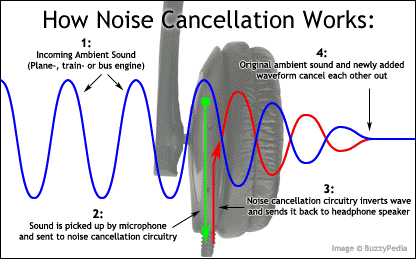
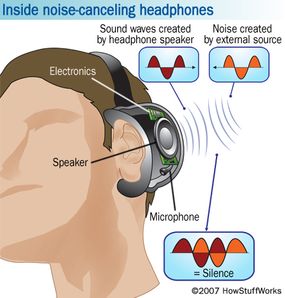
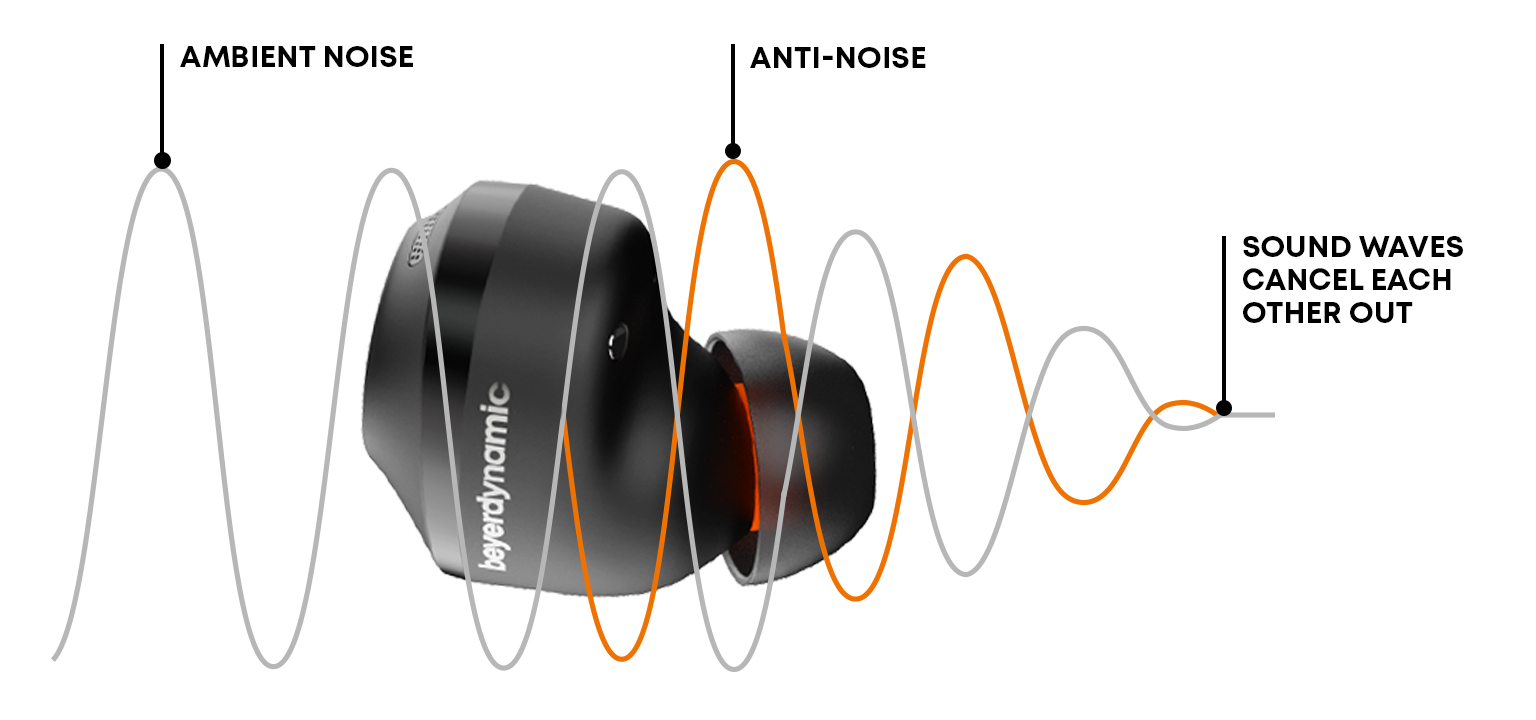
Active noise cancellation adds another layer. It listens to the noise around you and produces a matching sound wave with the opposite phase. When the two waves meet, they partly cancel each other.
This is the basic answer to how does noise cancelling work on earbuds: the earbuds hear outside noise, process it, and play an inverse sound wave to reduce it.

How Does Noise Cancelling Work on Earbuds?
To understand how does noise cancelling work on earbuds, imagine two ocean waves moving toward each other. If one wave rises while the other falls, they can reduce each other. Sound waves behave in a similar way.
Noise is made of changes in air pressure. A microphone inside or outside the earbud detects those changes. The earbud chip then creates an opposing signal, often called anti-noise.
The anti-noise does not remove sound from the room. It reduces the sound pressure that reaches your eardrum. The result is a quieter listening space.
The process happens very quickly:
- External microphones pick up surrounding sound.
- A digital signal processor analyzes the sound.
- The processor creates an inverse sound signal.
- The earbud speaker plays the anti-noise.
- The original noise and anti-noise meet near your ear.
- Their energy is reduced through destructive interference.
The timing must be extremely accurate. If the anti-noise arrives too late or at the wrong level, it may not cancel the sound well. This is why premium earbuds often use fast chips, careful tuning, and several microphones.
The Main Parts of an ANC Earbud
The answer to how does noise cancelling work on earbuds also depends on the parts inside the earbuds. Each part has a specific job.
Microphones
ANC earbuds may use two or more microphones per earbud. One microphone faces outward and listens to the environment. Another may face inward and measure the sound inside your ear.
Outside microphones help the earbuds react to traffic, engines, fans, and air conditioners. Inside microphones check what you actually hear. This allows the system to correct errors and improve accuracy.
Digital Signal Processor
The digital signal processor, or DSP, acts as the brain of the system. It studies the sound captured by the microphones and calculates the anti-noise signal.
The DSP must work in real time. Even a small delay can weaken cancellation or create an odd echo. Modern processors can make these calculations thousands of times per second.
Earbud Speakers
The speaker plays both your music and the anti-noise signal. It must reproduce a wide range of frequencies with good control.
A strong speaker does not automatically mean strong ANC. The microphones, processor, software, speaker, and ear tip must work as one system.
Ear Tips and Earbud Housing
The ear tip creates a seal in your ear canal. A poor seal lets outside sound leak in and makes ANC less effective.
This is one reason the same earbuds can sound very different for two people. Ear shape, tip size, insertion depth, and comfort all affect the result.
Feedforward, Feedback, and Hybrid ANC
Manufacturers use different microphone designs to control noise. These designs explain why one pair of earbuds may handle voices well while another performs better with airplane engines.
Feedforward ANC
Feedforward ANC uses a microphone on the outside of the earbud. It hears sound before that sound reaches your ear.
This design can react quickly to outside noise. However, it may be more affected by wind and may not know exactly what sound reaches your ear.
Feedback ANC
Feedback ANC uses a microphone inside the earbud. It measures the sound near your eardrum and adjusts the anti-noise based on that reading.
This can improve accuracy and help the earbud adapt to your ear. However, the microphone has less time to react because it hears the noise later.
Hybrid ANC
Hybrid ANC combines outside and inside microphones. It can predict incoming noise and check the result inside your ear.
Many high-end earbuds use hybrid ANC because it offers better control across a wider range of sounds. The design also helps manufacturers tune noise reduction for different environments.

What Sounds Do Noise-Canceling Earbuds Reduce Best?
Knowing how does noise cancelling work on earbuds also means knowing its limits. ANC works best on steady, low-pitched sounds.
Common examples include:
- Airplane engine rumble
- Bus and train noise
- Air conditioners
- Office ventilation systems
- Computer fans
- Road noise during a commute
- Some lawn equipment
These sounds have patterns that the microphones can detect and predict. The earbuds can then create a close opposite signal.
ANC is less effective against sudden and irregular sounds. A clap, dropped object, dog bark, or nearby shout may happen too quickly for the system to cancel fully.
Human speech can also be difficult. Voices change quickly in pitch and volume. Good earbuds may reduce voices, but they usually will not make a busy café silent.
Active Noise Cancellation Versus Passive Isolation
People often use “noise cancellation” and “noise isolation” as if they mean the same thing. They are related, but they work in different ways.
Passive isolation comes from physical barriers. The ear tip blocks part of the sound before it enters your ear. Larger tips, memory foam, and a better seal can improve this effect.
Active noise cancellation uses electronics. It creates anti-noise to reduce sound that passes through the earbud.
The best earbuds use both methods. A good seal reduces higher-pitched noise, while ANC handles much of the low-frequency rumble. Together, they create a more peaceful listening experience.
Here is a simple comparison:
| Feature | Active noise cancellation | Passive noise isolation |
|---|---|---|
| Main method | Uses microphones and anti-noise | Uses physical barriers |
| Power needed | Yes | No |
| Best for | Low, steady sounds | Higher sounds and sound leakage |
| Works when music is off | Usually yes | Yes |
| Depends on ear tip fit | Somewhat | Very strongly |
| Can create pressure sensation | Sometimes | Rarely |

Why Do Noise-Canceling Earbuds Sometimes Feel Strange?
Some people notice ear pressure, a hollow sound, or mild discomfort when ANC turns on. This does not usually mean that the earbuds are creating harmful physical pressure inside your ear.
The sensation may come from the sudden reduction of low-frequency sound. Your brain is used to hearing a certain balance of sound, and ANC changes that balance. The ear tips may also create a physical feeling of fullness.
In my own earbud testing, comfort improved when I changed the tip size and reduced the ANC strength. A strong setting is not always the best setting for a long flight or workday.
Try these steps if ANC feels uncomfortable:
- Test a different ear tip size.
- Clean the microphones and speaker openings.
- Lower the ANC level in the companion app.
- Use transparency mode for part of your listening time.
- Take short breaks during long sessions.
- Stop using the earbuds if you feel pain, dizziness, or lasting discomfort.
Pain or ongoing hearing changes deserve attention from a qualified health professional. ANC should feel useful, not painful.
Benefits of Noise-Canceling Earbuds
The value of how does noise cancelling work on earbuds becomes clear in everyday situations. ANC can make music, podcasts, and calls easier to hear without constant background noise.
Better Listening in Noisy Places
ANC reduces the need to raise the volume in places such as buses, planes, and cafés. Lower listening levels may be more comfortable for your ears.
Still, noise cancellation is not hearing protection. Many consumer earbuds are not rated for loud industrial environments. Use proper certified hearing protection around dangerous noise.
Improved Focus
Steady background noise can make reading, studying, or working harder. Reducing that noise may help you focus on the task in front of you.
ANC will not remove every distraction. It can, however, lower the constant hum that slowly drains your attention.
Clearer Calls
Some earbuds use microphones and software to reduce background noise during calls. This can help your voice sound clearer to another person.
Call noise reduction and ANC are not exactly the same feature. ANC protects what you hear, while call processing mainly improves what the other person hears.
More Enjoyable Travel
Airplane and train noise can cover quiet details in music and speech. ANC helps bring those details forward without requiring extreme volume.
A practical tip is to turn on ANC before boarding. This gives your ears time to adjust and helps you notice whether the seal is comfortable.
Limitations and Disadvantages of ANC Earbuds
A realistic explanation of how does noise cancelling work on earbuds must include the drawbacks. ANC is useful, but it is not perfect.
Battery Use
Active microphones and signal processing need power. Turning on ANC usually reduces battery life compared with passive listening.
Many earbuds offer an ANC-off mode to extend battery life. A charging case can help, but the total listening time still depends on the model and settings.
Wind Noise
Wind can strike the outside microphones and create a rushing sound. Some earbuds use wind reduction software, but strong wind remains a challenge.
Wearing a hat or using a hood may sometimes help. You can also switch to a lower ANC mode when walking outdoors.
Fit Problems
Poorly fitted earbuds cannot block sound well. They may also produce weak bass, unstable ANC, and more sound leakage.
Do not assume the largest ear tip is best. The right tip should seal the ear without causing pain or pressure.
Audio Artifacts
Some ANC earbuds create a faint hiss, soft pumping sound, or change in audio tone. These effects often appear when the system works hard to handle changing noise.
Better models reduce these artifacts, but no design is perfect in every environment.
Safety Awareness
ANC can make it harder to hear vehicles, alarms, announcements, cyclists, or people near you. This matters when walking near roads or working in public places.
Use transparency mode when you need environmental awareness. Never rely on earbuds alone for safety.
How to Get Better Noise Cancellation
The best answer to how does noise cancelling work on earbuds includes proper setup. Small changes can make a large difference.
- Choose the correct ear tip. Test each size and select the one that seals without pain.
- Run the fit test. Many companion apps use a short test to check the seal.
- Insert the earbuds correctly. Twist them gently if the design requires it.
- Clean the ear tips and microphone openings. Wax, dust, and skin oil can affect performance.
- Update the firmware. Manufacturers may improve ANC through software updates.
- Select the right mode. Use strong ANC for engines and a lighter mode for general background noise.
- Control the volume. ANC is not a reason to play music loudly.
- Use transparency mode when you need to hear speech or traffic.
- Keep the charging case ready. Low battery can disable or reduce some features.
- Test the earbuds in real conditions. A quiet store cannot show how they perform on a bus or plane.
In testing different earbuds, fit has often mattered more than small differences in advertised ANC claims. A midrange pair with a great seal can outperform an expensive pair that does not fit your ears.
Can Noise Cancellation Damage Your Hearing?
Noise cancellation itself does not normally damage hearing. It reduces outside sound rather than exposing your ears to more sound.
The main risk comes from listening too loudly or for too long. A quiet background can make it easier to keep the volume low, but some listeners increase the volume to uncomfortable levels.
Use a simple safety habit:
- Keep the volume at a comfortable level.
- Take breaks during long listening sessions.
- Avoid using earbuds to block extremely loud workplace noise.
- Watch for ringing, muffled hearing, or ear pain.
- Seek medical advice if symptoms continue.
Some people follow a general “60/60” habit: listen at about 60 percent of maximum volume for no more than 60 minutes at a time. This is not a guarantee of safety, since devices and listening environments differ, but it encourages restraint.
How ANC Affects Sound Quality
Noise cancellation can improve sound quality because it lowers the noise floor. You may hear bass lines, speech details, and quiet instruments more clearly.
However, ANC can also change the sound signature. Some earbuds boost or reduce certain frequencies when ANC is active. This may make music sound warmer, thinner, or less open.
Transparency mode can create another change. The earbuds use microphones to bring outside sound into your music, and that processed sound may not feel completely natural.
When comparing earbuds, test these modes:
- ANC on with music playing
- ANC off with music playing
- Transparency mode with music playing
- ANC on with no music
- A phone call in a noisy place
This test shows more than a product box or a single online rating. Good sound depends on your ears, your fit, your music, and your daily setting.
How to Choose Noise-Canceling Earbuds
When shopping, look beyond the phrase “advanced noise cancellation.” Check how the earbuds perform in the situations that matter to you.
Consider these factors:
- Fit: The earbuds should stay secure and form a comfortable seal.
- ANC control: Adjustable levels are more useful than a single on-or-off mode.
- Transparency mode: Natural ambient sound is valuable for travel and safety.
- Battery life: Compare battery life with ANC enabled, not only the maximum claim.
- Call quality: Check microphone performance in wind and traffic.
- Comfort: Weight, shape, and tip material affect long-term use.
- App support: A good app may offer equalization, fit tests, and custom modes.
- Water resistance: Choose a suitable rating for exercise, rain, or sweat.
- Repair and support: Warranty service and replacement tips can matter over time.
- Device compatibility: Some features work best within one phone ecosystem.
Independent testing is useful, but treat all results as a guide. Ear shape, firmware, and test conditions can change the experience.
Frequently Asked Questions About How Does Noise Cancelling Work on Earbuds
Does noise cancellation block all outside sound?
No. Noise cancellation works best with steady, low-frequency sounds such as engines and fans. Sudden sounds, voices, and high-pitched noises may still be heard.
Do noise-canceling earbuds work without music?
Yes. ANC can operate when music is paused, as long as the earbuds have enough battery. The earbuds still use microphones and speakers to create anti-noise.
Is active noise cancellation the same as noise isolation?
No. Noise isolation uses the physical earbud and ear tip to block sound. Active noise cancellation uses microphones, electronic processing, and an opposing sound wave.
Why does ANC work better on airplanes than in busy offices?
Airplane engine noise is often steady and low in pitch, which makes it easier to predict and cancel. Office noise includes changing voices and sudden sounds that are harder for ANC to reduce.
Can noise-canceling earbuds reduce hearing damage?
They may help you avoid raising the volume in noisy places, but they are not certified hearing protection by default. Safe listening still requires moderate volume, breaks, and proper protection in dangerous noise.
Why does noise cancellation feel like pressure?
ANC changes the low-frequency sound reaching your ears, which can feel like pressure or fullness. A different ear tip or lower ANC setting may improve comfort.
Does better ANC always mean better earbuds?
No. ANC is only one feature. Comfort, sound quality, call performance, battery life, transparency mode, and fit all affect the overall experience.
Conclusion
Noise-canceling earbuds use microphones, a signal processor, and speakers to create anti-noise. That anti-noise reduces unwanted sound through destructive interference, while the ear tips provide passive isolation. The system works best against steady low sounds, such as airplane engines and fans, but it cannot erase every voice or sudden noise.
The most important practical lesson is simple: fit matters. Choose the right ear tips, keep the microphones clean, use moderate volume, and switch to transparency mode when you need to hear your surroundings. Now that you understand how does noise cancelling work on earbuds, compare real-world comfort and performance before you buy, and share your own ANC experience in the comments.

Everett Ashford is a tech reviewer at mytechgrid.com specializing in SSDs, cameras, TVs, earbuds, headphones, and other consumer electronics. He provides honest, data-driven reviews based on hands-on testing and real-world performance analysis. Everett simplifies complex tech details to help readers make smart, confident buying decisions.