
For most people, a mirrorless camera offers the best mix of image quality, size, speed, and future growth.
Choosing what type of digital camera should I get depends on how you shoot, where you travel, and how much control you want. After comparing camera systems, sensor sizes, lenses, autofocus, and real-world handling, I find that the best choice is rarely the camera with the most features. It is the one you will enjoy carrying and using often.
Start With How You Plan to Shoot
Before comparing brands, ask what you want to photograph. A camera for family trips has very different needs from one for wildlife, sports, portraits, or video.
Your ideal camera should match your habits, not just your ambitions. Many buyers choose a large professional body because it looks impressive, then leave it at home because it feels heavy. A smaller camera that you carry every day can produce better results simply because it is available when the moment happens.
Think about these questions:
• Will you take the camera on trips or mostly use it at home?
• Do you want to change lenses?
• Will you photograph children, pets, sports, landscapes, or people?
• Do you need strong video features?
• Are you comfortable learning manual settings?
• What is your total budget, including lenses, batteries, and memory cards?
If you are still asking what type of digital camera should I get, your answers to these questions will narrow the choice faster than brand comparisons. A camera is a tool. The right tool should fit your hand, your routine, and your creative goals.
The Main Types of Digital Cameras
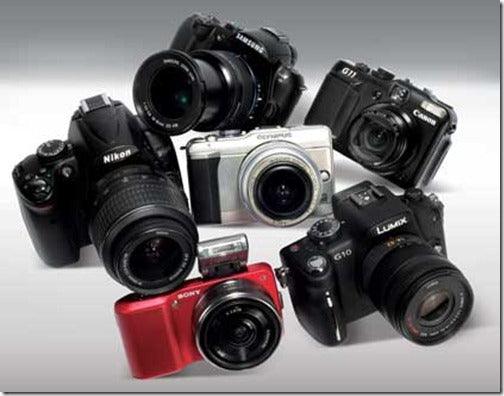
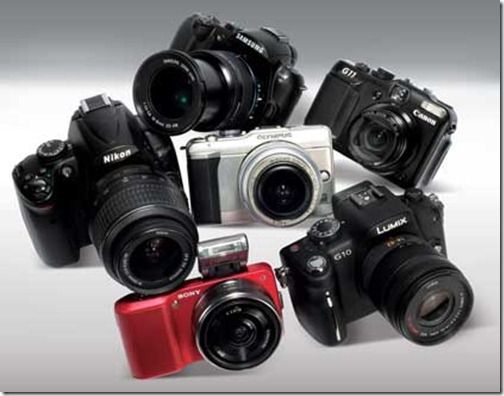
Digital cameras fall into four main groups: smartphone cameras, compact cameras, mirrorless cameras, and DSLRs. Each type has clear strengths and limits.
Smartphone Cameras
A modern smartphone is the best camera for convenience. It is always with you, starts quickly, and uses computer processing to improve exposure, color, sharpness, and low-light images.
Phone cameras work well for:
• Social media photos
• Family snapshots
• Travel memories
• Quick videos
• Scanned documents
Their small sensors limit natural background blur and low-light detail compared with larger cameras. Phones also rely heavily on software. This can create clean images, but fine textures may look artificial when you zoom in.
If convenience matters most, your smartphone may already answer what type of digital camera should I get. You may not need to buy a separate camera at all.
Compact Point-and-Shoot Cameras
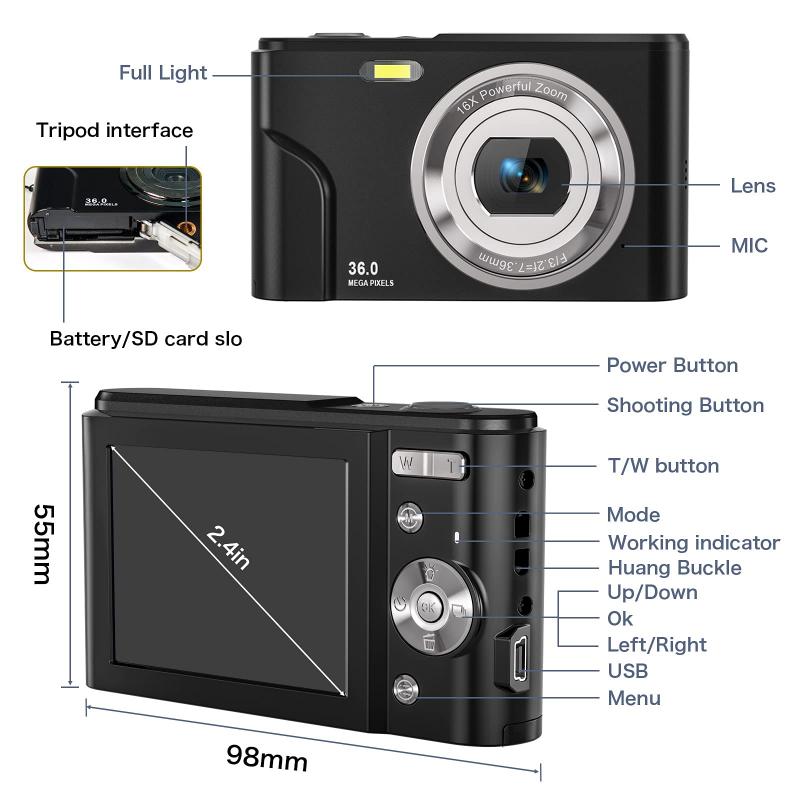
Compact cameras have a built-in lens and usually offer more optical zoom than a phone. They are simple to use and often lighter than interchangeable-lens cameras.
A compact camera can make sense for:
• Travel photography
• Concerts and events
• Family use
• Long zoom photography
• People who want physical camera controls without changing lenses
Basic compact cameras often struggle to compete with current smartphones. Premium compact models are more appealing because they may include a larger one-inch sensor, a bright lens, or a long optical zoom.
DSLR Cameras
DSLRs use a mirror and optical viewfinder. They have excellent battery life, strong grip designs, and access to many affordable used lenses.
A DSLR may suit you if:
• You prefer an optical viewfinder
• You want long battery life
• You plan to buy used equipment
• You enjoy traditional camera controls
• You want a large selection of older lenses
The main weakness is size. DSLRs are often larger and heavier than newer mirrorless models. Many manufacturers now focus most of their development on mirrorless systems, but good DSLRs remain capable tools.
Mirrorless Cameras
Mirrorless cameras remove the internal mirror and optical viewfinder system. This allows a smaller body and gives you an electronic preview of exposure, color, and white balance.
Mirrorless cameras are strong choices for:
• Beginners who want room to grow
• Portrait photography
• Travel photography
• Sports and wildlife
• High-quality video
• Fast autofocus
• Quiet shooting
The electronic viewfinder uses battery power, and some small bodies can feel cramped with large lenses. Still, mirrorless models offer the best balance for many people today.
Mirrorless vs. DSLR: Which One Is Better?
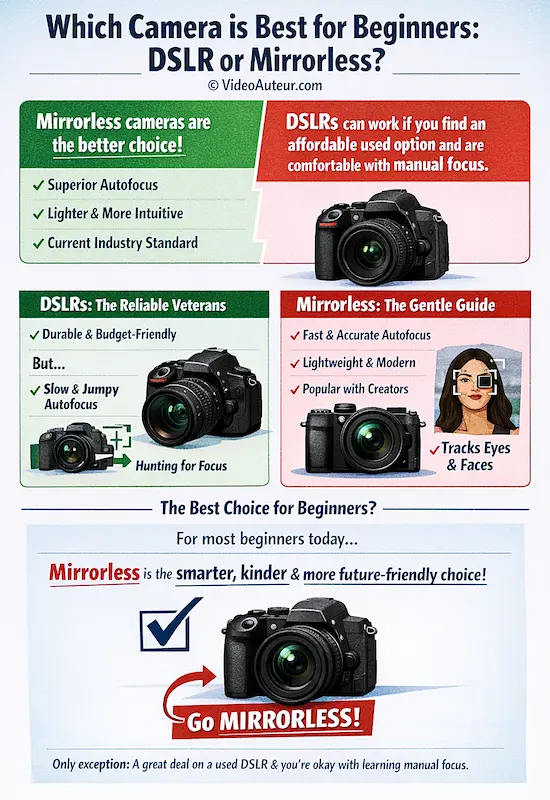
For most new buyers, mirrorless is the better long-term choice. It offers newer autofocus systems, strong video tools, electronic viewfinders, and usually a smaller body.
A DSLR still makes sense in specific cases. Used DSLR bodies and lenses can offer excellent value. An optical viewfinder also shows the scene directly through the lens without displaying an electronic image.
Here is a simple comparison:
| Feature | Mirrorless | DSLR |
|---|---|---|
| Size | Usually smaller | Usually larger |
| Viewfinder | Electronic | Optical |
| Video | Usually stronger | Varies by model |
| Autofocus | Very advanced on newer models | Strong, but varies |
| Battery life | Often lower | Often higher |
| Used prices | Vary | Often very affordable |
| Lens growth | Excellent | Excellent, especially used |
The best answer to what type of digital camera should I get may be a used DSLR if your budget is tight. It may be a mirrorless camera if you want the newest design and plan to build a system over several years.
Try both types in a store if possible. A camera should feel comfortable before you spend money on it.

Choose the Right Sensor Size
The image sensor is one of the most important parts of a digital camera. It collects light and affects image quality, low-light performance, depth of field, and camera size.
Full-Frame Sensors
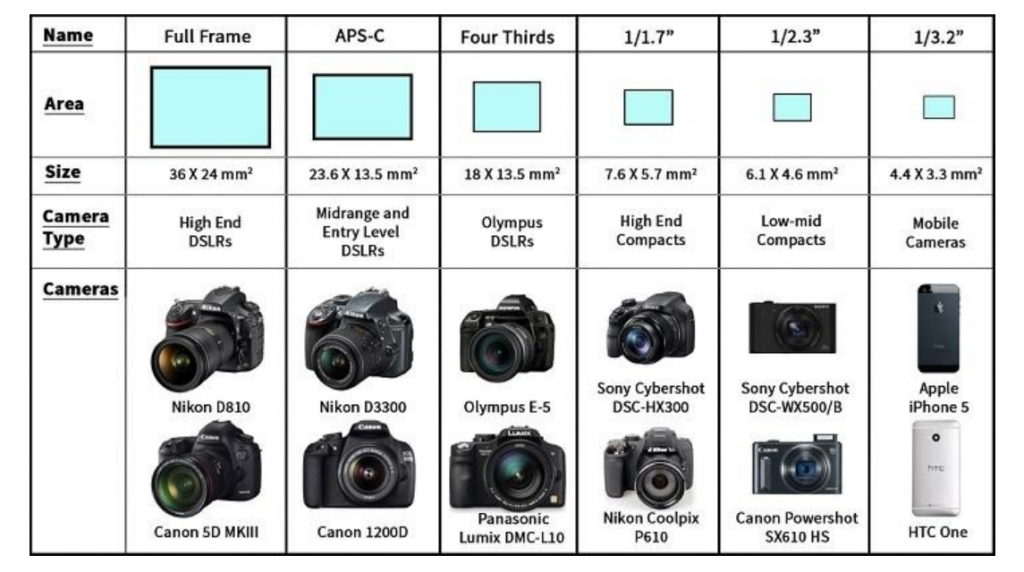
Full-frame sensors are similar in size to 35mm film. They usually provide strong low-light performance, wide dynamic range, and more control over background blur.
Full-frame cameras suit:
• Professional portrait work
• Weddings and events
• Landscape photography
• Night photography
• Commercial work
The limitations are price, size, and lens cost. A full-frame body is not automatically better for every photographer. It may be more camera than a beginner needs.
APS-C Sensors
APS-C sensors are smaller than full-frame sensors. They offer a useful balance between image quality, price, size, and lens selection.
APS-C cameras are excellent for:
• Beginners
• Travel
• Street photography
• Family photos
• Wildlife and sports
• General-purpose photography
Because APS-C cameras have a crop factor, a telephoto lens gives more effective reach. This can help when photographing birds or distant subjects.
Micro Four Thirds Sensors
Micro Four Thirds sensors are smaller than APS-C sensors but still deliver very good image quality. The system is known for compact bodies and lightweight lenses.
This format is useful for:
• Hiking
• Travel
• Wildlife
• Video
• Everyday photography
Smaller sensors may show more noise in very dark conditions and provide less natural background blur. However, the smaller size can be a major advantage when you carry your camera for hours.
One-Inch and Smaller Sensors
One-inch sensors are common in premium compact cameras and bridge cameras. They offer better quality than many basic compact cameras while keeping the camera small.
They are a good middle ground for people who want more reach than a phone but do not want interchangeable lenses.
Sensor size matters, but it is not the only measure of quality. Lens design, lighting, autofocus, camera technique, and editing also affect the final image.
What Type of Digital Camera Should I Get for Different Uses?
The best camera depends on your main subject. Your needs change when the subject moves quickly, stays far away, or appears in poor light.
For Beginners
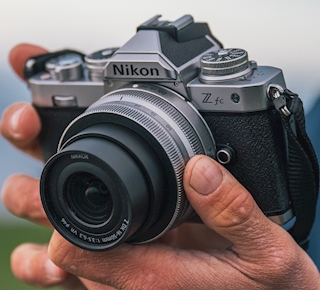
A beginner should usually look for an entry-level mirrorless or APS-C camera. Choose a model with simple automatic modes, a comfortable grip, a viewfinder, and affordable lenses.
A kit lens is a good starting point. It often covers common focal lengths for family photos, travel, and landscapes. You can add a fast prime lens later for portraits and low-light work.
Do not buy the most advanced body you can afford. Spend enough to get good controls and reliable autofocus, then reserve part of the budget for a lens and practice.
For Travel
Travel photographers should prioritize size, battery life, weather protection, and lens flexibility. A small APS-C or Micro Four Thirds camera can be easier to carry than a full-frame system.
A useful travel setup may include:
• One camera body
• A versatile zoom lens
• One spare battery
• A small charger
• Two memory cards
• A compact strap or bag
A bridge camera can also work well for travel because its built-in lens may cover wide-angle and telephoto views. The trade-off is a smaller sensor and less control over background blur.
For Portraits
Portrait photographers often value a large sensor and a bright lens. An APS-C or full-frame camera with a 50mm, 85mm, or similar prime lens can create attractive background separation.
Good portrait results depend on more than the camera. Soft light, a thoughtful background, focus on the eyes, and a relaxed subject often matter more than a small difference in sensor resolution.
For Sports and Wildlife
Sports and wildlife require fast autofocus, high burst speed, good subject tracking, and a long lens. APS-C cameras can be especially useful because they offer extra reach with smaller lenses.
Look for:
• Reliable continuous autofocus
• Fast electronic or mechanical shutter options
• A comfortable grip
• Good battery life
• A deep image buffer
• A telephoto lens that fits your budget
A high frame rate is helpful, but it does not replace timing. Learn to predict movement and press the shutter at the right moment.
For Video
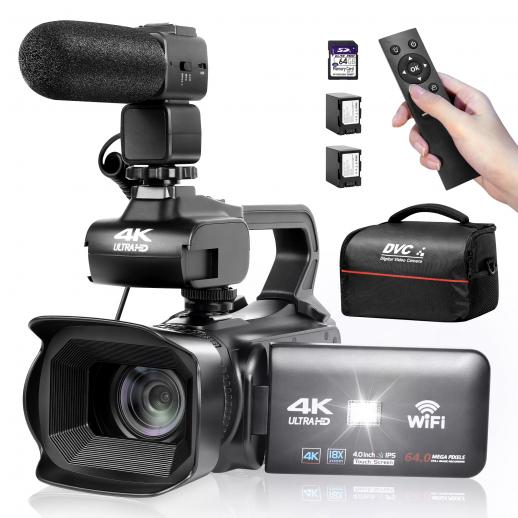
For video, look beyond photo resolution. Important features include autofocus tracking, microphone input, headphone monitoring, image stabilization, overheating control, and recording limits.
A camera that records 4K video may still be a poor video choice if it overheats or has weak autofocus. Check real-world tests before buying, especially if you plan to record long interviews, events, or performances.
For Street Photography
Street photographers often prefer a small, quiet camera with quick controls. A compact camera or small mirrorless body can draw less attention than a large professional system.
A tilting screen, silent shooting, and a fixed or small prime lens can make street work easier. The best street camera is usually the one you can carry all day.
How Much Should You Spend?
Your camera budget should include the entire system, not only the body. Lenses, batteries, memory cards, a bag, and basic protection can add a significant amount.
A practical budget structure looks like this:
• Entry level: Spend enough for a reliable used or new body and one useful lens.
• Midrange: Add better autofocus, improved controls, stronger video, and more durable construction.
• Advanced: Invest in specialized lenses, weather sealing, fast burst shooting, and professional support.
Used cameras can be excellent value. Check the shutter count when available, inspect the sensor and lens mount, test every control, and ask about damage or repairs. Buy from a seller with a clear return policy whenever possible.
One common mistake is spending nearly the entire budget on the camera body. A modest body with a high-quality lens can often produce more pleasing images than an expensive body with a poor or unsuitable lens.
When deciding what type of digital camera should I get, think about the cost of ownership. Some systems have affordable lenses, while others become expensive as soon as you add a telephoto or bright prime lens.
The Lens Matters More Than Many Buyers Expect
The lens controls your angle of view, light intake, magnification, and background blur. It also affects the size and weight of your kit.
A kit zoom lens is flexible. A prime lens has one focal length but often offers a wider aperture and sharper results in low light.
Common lens types include:
• Wide-angle lenses for landscapes, architecture, and indoor spaces
• Standard lenses for everyday scenes
• Short telephoto lenses for portraits
• Long telephoto lenses for wildlife and sports
• Macro lenses for close-up subjects
A wide aperture, such as f/1.8, allows more light to reach the sensor. It can also create a softer background. However, wide-aperture lenses may cost more and produce a thinner area of sharp focus.
Before buying a lens, consider how you actually photograph. A travel photographer may prefer one versatile zoom. A portrait photographer may prefer a bright prime. A wildlife photographer may need to spend more on reach than on a small camera body.
Important Camera Features to Compare
Camera specifications can feel like a maze. Focus on features that affect your work.
Autofocus
Modern autofocus systems use face, eye, animal, vehicle, and subject tracking. These features can help with moving subjects, but performance varies by model and situation.
For people and pets, eye detection is useful. For sports and wildlife, tracking speed and consistency matter more than a long list of focus modes.
Image Stabilization
In-body image stabilization can reduce blur caused by hand movement. It helps with still subjects in low light and can improve handheld video.
It cannot freeze a moving person or animal. A faster shutter speed is still needed for motion.
Resolution
More megapixels can provide extra cropping room and fine detail. They also create larger files and may reveal lens flaws or camera shake.
For online sharing and everyday printing, nearly any current interchangeable-lens camera has enough resolution. Choose higher resolution when you regularly make large prints or crop heavily.
Weather Sealing
Weather sealing can protect a camera from dust and light rain, but it is not the same as full waterproofing. The lens must also provide suitable protection, and you should avoid unnecessary exposure to water.
Ergonomics
Buttons, dials, menus, grip shape, and screen movement affect your experience every time you use the camera. These details may matter more than a small difference in image quality.
Hold the camera before buying. If the controls feel confusing or the grip feels weak, you may use it less.
Common Mistakes to Avoid
The wrong purchase often comes from choosing based on specifications alone. A camera can look impressive online and still be a poor fit in real life.
Avoid these mistakes:
• Buying more camera than you can comfortably carry
• Ignoring lens prices
• Choosing a system without checking available lenses
• Assuming more megapixels always mean better photos
• Forgetting to budget for batteries and memory cards
• Buying a camera without testing its grip and controls
• Expecting automatic modes to solve poor lighting
• Failing to learn basic exposure and composition
• Choosing a camera for a hobby you may not actually pursue
A useful rule is to buy for your current needs with a little room to grow. Do not buy based only on the photographer you hope to become.
Many new photographers also worry about choosing the “perfect” camera. There is no perfect model. Every camera involves trade-offs between cost, size, speed, image quality, and convenience.
A Simple Buying Process
Use this process to decide what type of digital camera should I get without feeling overwhelmed.
-
Write down your three main subjects.
-
Set a total budget for the body, lens, and accessories.
-
Choose between fixed-lens and interchangeable-lens cameras.
-
Select a sensor size that matches your needs.
-
Compare two or three camera systems, not ten.
-
Check lens prices and availability.
-
Read independent reviews focused on autofocus, battery life, and handling.
-
Hold the camera or buy from a seller with a return policy.
-
Start with one useful lens.
-
Practice before adding more equipment.
This process keeps the decision practical. It also prevents you from spending weeks comparing tiny specification differences that may never affect your photos.
If you are unsure, an entry-level APS-C mirrorless camera with a kit zoom is a safe starting point for many beginners. It offers useful image quality, simple controls, and access to a growing lens system.
How to Get Better Results With Any Camera
A better camera can help, but technique has a larger effect than many people expect. Learn how light changes across the day. Move closer when possible. Keep the background clean and focus on the subject’s eyes.
Start with these habits:
• Hold the camera steadily
• Learn when to use aperture priority
• Keep the shutter speed high enough for moving subjects
• Check focus before pressing the shutter
• Use natural window light
• Review your images and identify what went wrong
• Practice one skill at a time
A basic camera used with care can create memorable images. A professional camera used without attention can still produce weak results.
The best camera is like a good pair of walking shoes. It should support the journey without making the journey harder.
Frequently Asked Questions About What Type of Digital Camera Should I Get
What type of digital camera should I get as a beginner?
Most beginners should consider an entry-level mirrorless or APS-C camera with a kit zoom lens. It offers better control and image quality than a phone while remaining easier to learn than a professional system.
Is a mirrorless camera better than a DSLR?
Mirrorless cameras usually offer newer autofocus, stronger video features, and smaller designs. DSLRs can still be excellent, especially when buying used, and they often provide long battery life and affordable lenses.
What type of digital camera should I get for travel?
Choose a small mirrorless, Micro Four Thirds, APS-C, or premium compact camera. Prioritize low weight, reliable battery life, a versatile lens, and controls you can use quickly.
Do I need a full-frame camera?
You do not need full frame for most family, travel, street, or hobby photography. Full frame is useful when you need strong low-light performance, shallow depth of field, wide dynamic range, or professional lens options.
Is a phone camera good enough?
A phone camera is good enough for many casual photos, travel memories, and social media posts. A dedicated camera becomes more useful when you want a real zoom lens, better low-light detail, natural background blur, or more control.
How many megapixels should a camera have?
Most current cameras provide enough resolution for online sharing and normal prints. Choose higher resolution if you make large prints or crop images often, but remember that lens quality, light, focus, and technique also matter.
Should I buy a camera body or a better lens?
A better lens is often the wiser upgrade after you own a capable camera body. A suitable lens can improve low-light performance, background blur, sharpness, and framing more noticeably than a small body upgrade.
Conclusion
The answer to what type of digital camera should I get starts with your subjects, budget, comfort, and willingness to carry the camera. For many people, an APS-C mirrorless camera offers the best balance of quality, size, price, and future growth. A premium compact, DSLR, Micro Four Thirds model, or even a smartphone may be better for specific needs.
Choose a camera you will use often, then invest time in light, composition, focus, and practice. Compare complete systems rather than body specifications alone, and leave room in your budget for a useful lens. Explore trusted camera reviews, visit a local retailer if possible, and share your photography goals or questions in the comments.

Everett Ashford is a tech reviewer at mytechgrid.com specializing in SSDs, cameras, TVs, earbuds, headphones, and other consumer electronics. He provides honest, data-driven reviews based on hands-on testing and real-world performance analysis. Everett simplifies complex tech details to help readers make smart, confident buying decisions.