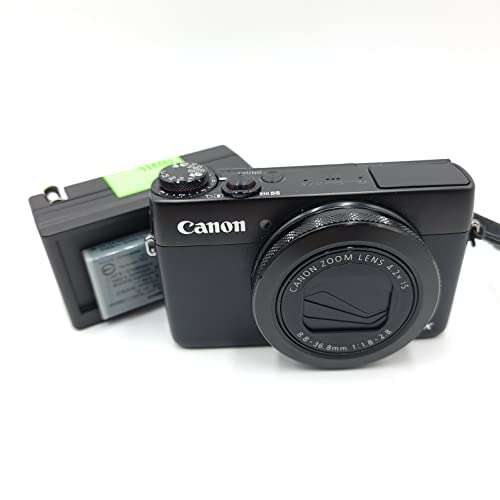
A DSLR can have anywhere from 6 to 61 megapixels, with most models ranging between 18 and 30 MP.
If you are asking how many MP is a DSLR, the answer depends on the camera model, sensor, and release year. This guide explains what megapixels mean, how much resolution you really need, and why image quality depends on far more than the number printed on the box.
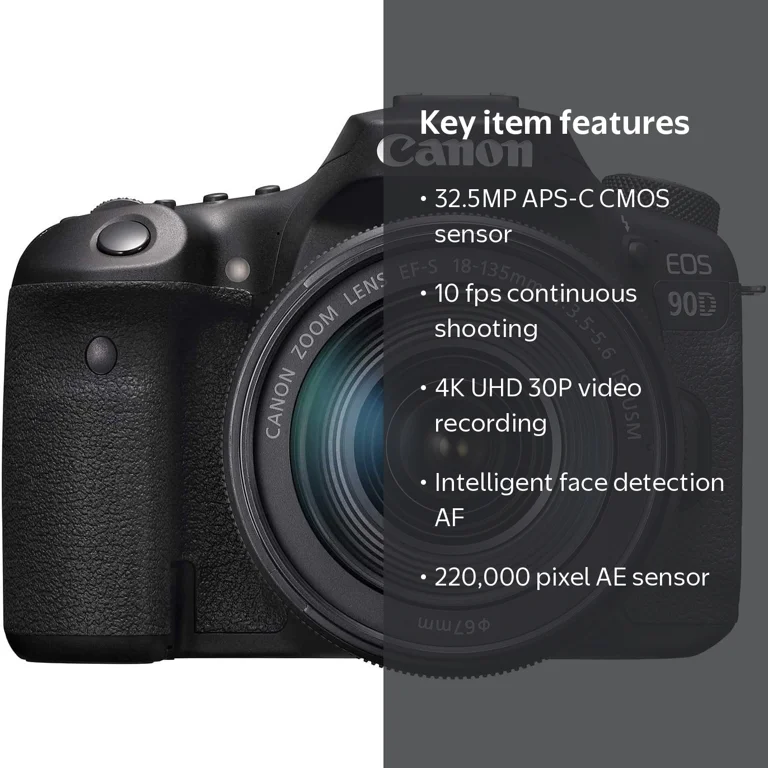
What Does MP Mean in a DSLR?
MP means megapixels. One megapixel equals one million pixels, which are the tiny color points that form a digital image.
A 24 MP DSLR creates an image with about 24 million pixels. For example, a typical 24 MP photo may measure around 6,000 × 4,000 pixels. This gives you enough detail for large prints, online use, and moderate cropping.
When people ask how many MP is a DSLR, they often expect one standard number. However, DSLR is a camera design, not a resolution rating. Different DSLRs can use very different sensors and image processors.
A DSLR may have:
• 6 to 12 MP in older entry-level models
• 16 to 24 MP in many popular consumer cameras
• 24 to 32 MP in newer enthusiast models
• 36 to 51 MP in high-resolution full-frame cameras
• Up to 61 MP in some professional full-frame systems
Megapixel count tells you the size of the image. It does not fully describe sharpness, color, dynamic range, low-light performance, or autofocus quality.

Common DSLR Megapixel Ranges
The answer to how many MP is a DSLR changes based on the camera’s age and intended use. A basic DSLR from the mid-2000s may have only 6 or 10 MP, while a modern professional camera may offer more than 45 MP.
Entry-level DSLR cameras
Entry-level DSLRs often use 18 MP, 20 MP, 24 MP, or similar sensors. These cameras are made for beginners, students, families, travel photographers, and hobbyists.
A 24 MP entry-level DSLR can produce detailed photos for:
• Social media
• Family albums
• Photo books
• 8 × 10-inch prints
• 12 × 18-inch prints
• Moderate cropping
For most new photographers, 24 MP is more than enough. The camera may become limited by the kit lens or poor lighting before the sensor runs out of detail.
Mid-range DSLR cameras
Many enthusiast DSLRs use sensors between 20 MP and 32 MP. These models usually offer better autofocus, faster shooting, stronger bodies, and improved controls compared with entry-level cameras.
A 20 MP or 24 MP mid-range DSLR works well for weddings, travel, portraits, sports, and general photography. A 32 MP model gives you more room to crop while keeping good detail.
Professional DSLR cameras
Professional DSLRs may use moderate or very high resolutions. Some sports cameras stay near 20 to 25 MP because they prioritize speed, low-light quality, and smaller file sizes.
High-resolution models may offer 36 MP, 45 MP, 50 MP, or more. These cameras suit studio work, landscapes, commercial photography, fine art, and large prints.

How Many MP Is a DSLR by Camera Type?
A simple way to understand how many MP is a DSLR is to look at the type of DSLR rather than the brand alone.
| DSLR type | Common megapixel range | Typical users |
|---|---|---|
| Older entry-level DSLR | 6 to 12 MP | Beginners and casual users |
| Modern entry-level DSLR | 18 to 24 MP | Families, students, and hobbyists |
| Enthusiast DSLR | 20 to 32 MP | Serious hobbyists and creators |
| Full-frame DSLR | 20 to 50 MP | Professionals and advanced users |
| High-resolution DSLR | 36 to 51 MP | Studio and landscape photographers |
| Flagship sports DSLR | 16 to 25 MP | Sports and wildlife photographers |
These ranges are general. A camera’s exact resolution depends on its sensor and model.
For example, the Canon EOS 5D Mark II has 21.1 MP, while the Nikon D850 offers 45.7 MP. Both are full-frame DSLRs, but they serve different needs and use different generations of sensor technology.
An older 12 MP DSLR can still create attractive photos. Good light, a sharp lens, accurate focus, and careful exposure often matter more than having the newest sensor.

Does More Megapixels Mean Better Photos?
Not always. More megapixels can capture more fine detail, but only when the lens, focus, lighting, and camera technique support that detail.
Think of megapixels as the number of tiles in a mosaic. More tiles can create a finer picture, but poor tiles or a blurry design will not become beautiful simply because there are more of them.
High megapixel cameras can provide several benefits:
• More detail in well-focused images
• Greater flexibility when cropping
• Larger prints
• Better ability to reframe a photo
• More room for editing and sharpening
However, higher resolution can also create challenges:
• Larger memory card files
• More storage needs
• Slower file transfers
• Greater demand on computer hardware
• More visible camera shake
• Stronger need for high-quality lenses
A 45 MP photo with motion blur may look worse than a sharp 20 MP photo. This is one of the most important lessons when considering how many MP is a DSLR.

How Many Megapixels Do You Need?
The right answer depends on what you photograph and how you use your images.
For social media
You usually do not need more than 12 to 24 MP. Social platforms resize and compress images, so the extra pixels from a 50 MP camera may not be visible online.
A 16 MP or 24 MP DSLR is already more than capable for Instagram, Facebook, websites, and digital portfolios.
For family and travel photos
A DSLR with 18 to 24 MP is a strong choice. It gives you plenty of detail while keeping file sizes manageable.
Good composition, natural light, and a useful lens will improve your photos more than upgrading from 24 MP to 36 MP.
For portraits
Between 20 and 30 MP is suitable for most portrait work. This range captures skin detail while still allowing reasonable editing and cropping.
Studio photographers may choose 40 MP or more when they need very large prints or detailed commercial images.
For wildlife and sports
Resolution helps when you need to crop distant subjects. A 24 MP to 45 MP DSLR can be useful, especially with a sharp telephoto lens.
Still, autofocus speed, burst rate, shutter speed, and high-ISO performance often matter more than maximum resolution. A fast 20 MP camera may be a better sports tool than a slower 50 MP camera.
For landscapes and large prints
Landscape photographers often benefit from 30 MP or more. The extra resolution can preserve tiny details in rocks, trees, buildings, and distant scenery.
A high-resolution camera is most useful when you use a tripod, a sharp lens, low ISO, and careful focusing.
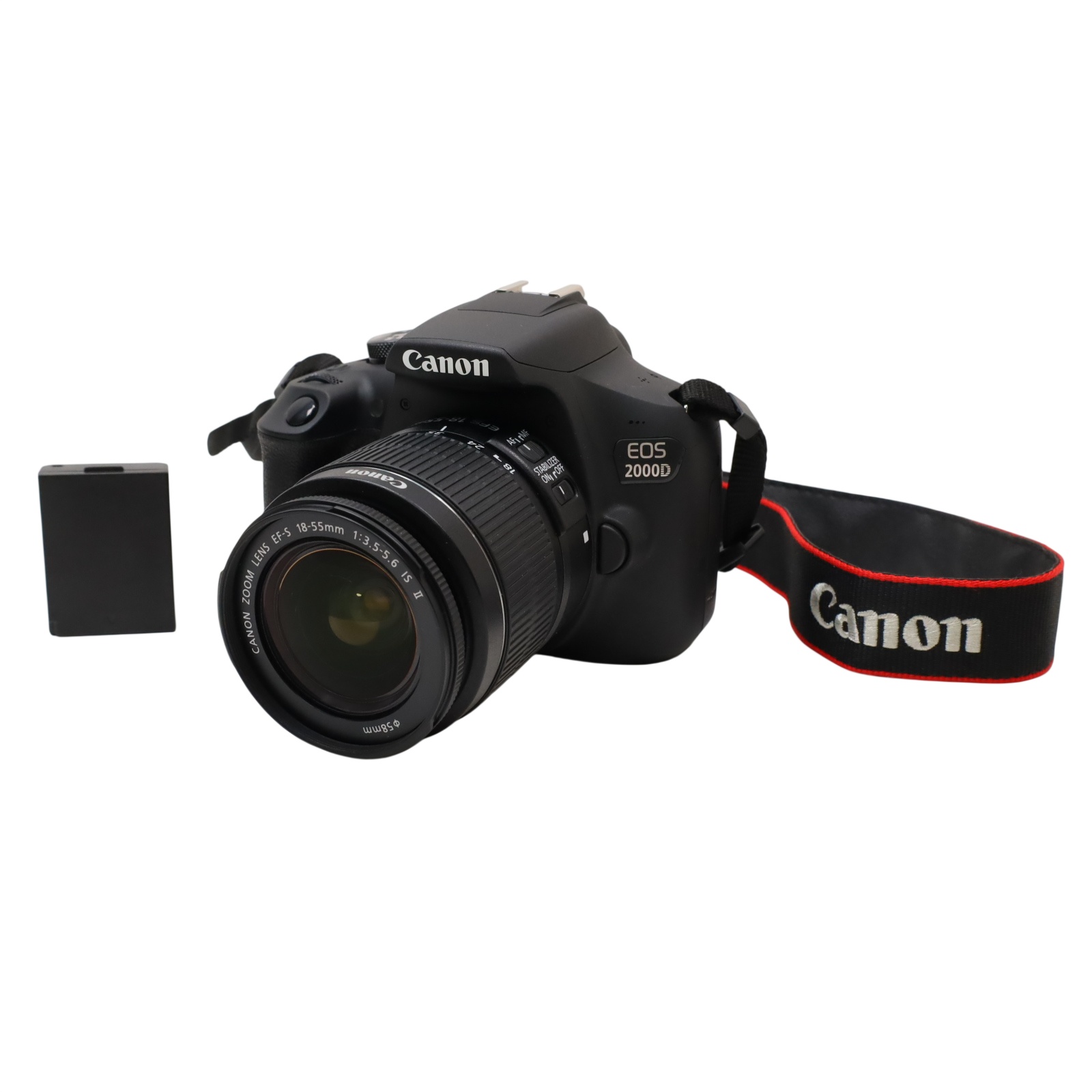
DSLR Megapixels Compared With Mirrorless Cameras
A DSLR does not automatically have more or fewer megapixels than a mirrorless camera. Both camera types can use APS-C, full-frame, or other sensor sizes.
A 24 MP full-frame DSLR and a 24 MP full-frame mirrorless camera have the same basic pixel count. Image quality may still differ because of sensor design, processor technology, lens quality, and software.
Mirrorless cameras often include newer features, such as:
• Electronic viewfinders
• Real-time exposure previews
• Advanced subject detection
• Improved video tools
• Smaller body designs
Many DSLRs remain valuable because they offer long battery life, optical viewfinders, strong ergonomics, and access to a large used lens market.
When comparing how many MP is a DSLR with how many MP is a mirrorless camera, megapixels alone do not decide which camera is better.
APS-C DSLR vs. Full-Frame DSLR Megapixels
Sensor size and megapixel count are separate specifications.
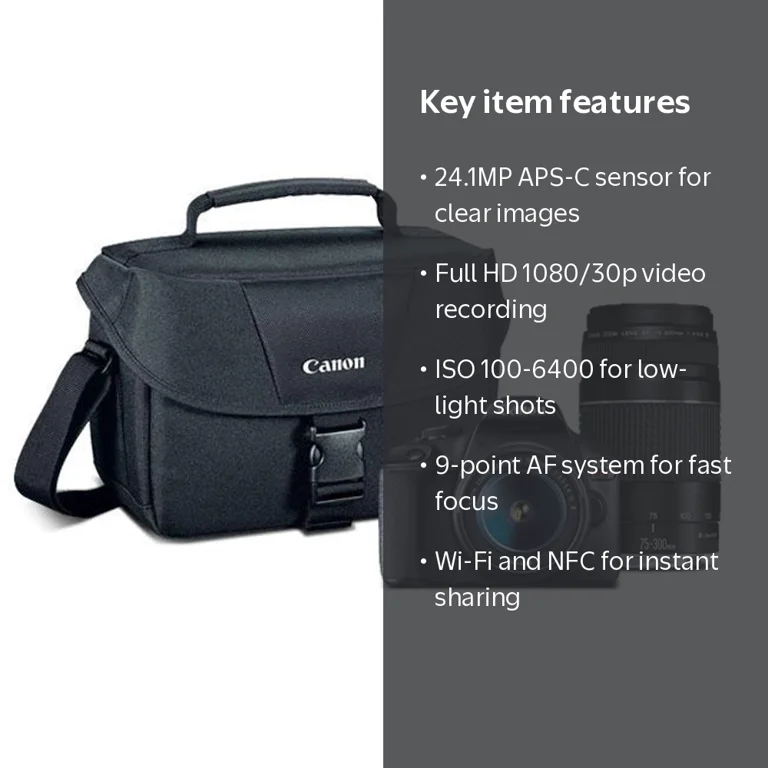
An APS-C DSLR may have 24 MP, while a full-frame DSLR may also have 24 MP. The full-frame sensor is physically larger, so its pixels may be larger depending on the design.
A full-frame camera often offers:
• Better low-light performance
• Greater control over depth of field
• Wider views with the same lens
• Stronger dynamic range in many models
An APS-C camera may offer:
• Lower purchase cost
• Smaller lenses
• A useful crop factor for wildlife
• Lower system weight
A 24 MP APS-C sensor and a 24 MP full-frame sensor can both produce excellent images. The best choice depends on your budget, lenses, subject, and shooting style.
What Matters More Than DSLR Megapixels?
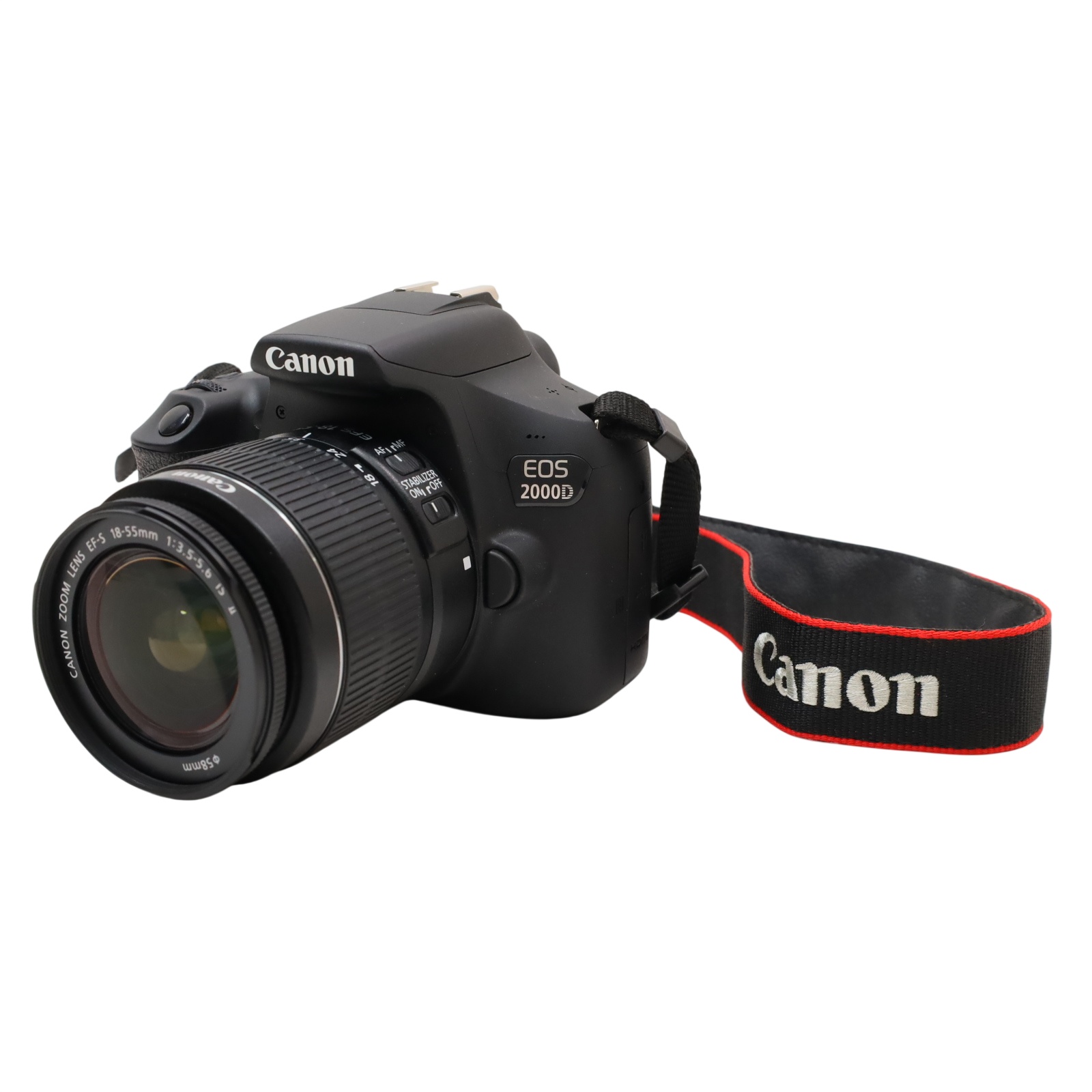
If you want better photos, consider these features before chasing a higher MP number:
• Lens sharpness: A quality lens helps the sensor record fine detail.
• Autofocus: Accurate focus is vital for moving subjects and portraits.
• Dynamic range: This helps preserve detail in bright skies and dark shadows.
• High-ISO performance: Better noise control helps in low light.
• Image stabilization: Stabilization can reduce blur from camera movement.
• Sensor size: Larger sensors often offer advantages in light gathering and depth of field.
• Ergonomics: A comfortable camera is easier to use well.
• Shooting speed: Fast burst rates help with sports and wildlife.
• Weather sealing: Protection matters for outdoor work.
• Battery life: Long battery life helps during travel and events.
In real-world shooting, a steady grip and correct shutter speed often produce a bigger improvement than a higher megapixel count. Many photographers learn this after buying a high-resolution camera and discovering that technique still controls the final result.
Advantages of a High-Megapixel DSLR
A high-resolution DSLR can be an excellent tool when you use its strengths properly.
Better cropping
Extra pixels let you crop into an image while keeping more detail. This helps with wildlife, events, and travel photos when you cannot get closer to the subject.
Larger prints
More pixels can support larger prints, especially when the image is sharp and viewed from a reasonable distance.
More editing freedom
A high-resolution file gives you more room to straighten, reframe, and adjust composition. You can remove empty areas without reducing the final image too much.
Detailed commercial work
Product, architecture, fashion, and landscape photographers may need fine detail for brochures, posters, signs, and advertising displays.
Still, the camera must be used correctly. A tripod, remote release, low ISO, and careful focus can help high-resolution sensors show their full potential.
Limitations of High Megapixel DSLRs
A high megapixel count is not free of trade-offs.
Large files use more storage. A single RAW file from a 45 MP DSLR may take much more space than a 20 MP RAW file. This affects memory cards, hard drives, cloud storage, and editing speed.
High-resolution sensors can also reveal small flaws. Slight camera shake, missed focus, dust, and weak lenses become easier to see when you zoom in.
Another common mistake is assuming that a high MP camera always performs better in low light. Pixel count is only one part of sensor design. Noise depends on exposure, sensor technology, processing, and how large you display the final image.
For many users, 24 MP offers a practical balance of detail, speed, file size, and cost.
How to Check the MP of Your DSLR
You can find your DSLR’s megapixel count in several simple ways:
-
Check the camera model on the manufacturer’s website.
-
Read the camera manual or original product box.
-
Look at the image size listed in the camera menu.
-
Open a full-resolution photo and check its pixel dimensions.
-
Search the model number in a trusted camera database.
To estimate megapixels, multiply the image width by its height, then divide by one million.
For example:
6,000 × 4,000 pixels = 24,000,000 pixels
24,000,000 ÷ 1,000,000 = 24 MP
The usable JPEG size may be smaller than the sensor’s full resolution if you select a reduced image setting. RAW files normally use the camera’s full sensor resolution, although exact file dimensions vary by model.
Common Mistakes When Choosing DSLR Resolution
Many buyers focus only on the number of megapixels. That can lead to an expensive camera that does not match their needs.
Avoid these mistakes:
• Buying the highest MP model without checking lens costs
• Ignoring autofocus and burst speed for action photography
• Assuming more pixels guarantee sharper photos
• Forgetting the cost of storage and backup
• Choosing a camera that feels uncomfortable in your hands
• Comparing megapixels without considering sensor size
• Using a slow shutter speed and blaming the camera for blur
A useful test is to think about your final images. Will you post them online, print them at home, sell large artwork, or crop distant subjects? Your answer will tell you how many MP is a DSLR for your needs.
Frequently Asked Questions About How Many MP Is a DSLR
How many megapixels does a typical DSLR have?
Most modern consumer DSLRs have between 18 and 24 MP. Enthusiast and professional models may range from about 20 MP to more than 50 MP.
Is a 24 MP DSLR good enough?
Yes, 24 MP is enough for social media, family photos, travel, portraits, events, and many large prints. It also provides useful cropping space without creating extremely large files.
Is a 12 MP DSLR still useful?
Yes, a 12 MP DSLR can still produce sharp and attractive photos when paired with a good lens and proper technique. It may offer less cropping freedom, but it works well for web images, albums, and moderate prints.
Is a 36 MP DSLR better than a 24 MP DSLR?
A 36 MP DSLR can record more detail and provide more cropping room, but it is not automatically better for every photographer. A 24 MP model may perform better for speed, storage needs, low-light work, or everyday use.
Do more megapixels improve low-light photos?
Not necessarily. Low-light performance depends on sensor design, pixel size, image processing, lens aperture, and exposure settings. More MP can help retain detail, but it can also produce larger files and reveal noise more clearly.
What DSLR megapixel count is best for beginners?
A DSLR with 18 to 24 MP is a strong choice for most beginners. It offers plenty of detail while leaving more money for lenses, batteries, memory cards, and photography lessons.
Conclusion
So, how many MP is a DSLR? The answer can range from about 6 MP in older models to more than 50 MP in high-resolution professional cameras. For most people, a 20 to 24 MP DSLR provides an excellent balance of image detail, file size, price, and performance.
Choose your camera based on your subjects, print size, lenses, autofocus needs, and shooting style. Do not let megapixels distract you from the basics: good light, accurate focus, steady technique, and thoughtful composition. Compare real samples from the models you like, then choose the DSLR that fits your work and budget.

Everett Ashford is a tech reviewer at mytechgrid.com specializing in SSDs, cameras, TVs, earbuds, headphones, and other consumer electronics. He provides honest, data-driven reviews based on hands-on testing and real-world performance analysis. Everett simplifies complex tech details to help readers make smart, confident buying decisions.