The best compact camera matches your subject, travel style, budget, sensor needs, and comfort with manual controls.
Learning how to choose a compact camera is less about finding the most expensive model and more about matching the camera to real life. A pocket camera for travel has different needs than a premium model for street photography, family moments, or video. This guide explains the key features, trade-offs, and common mistakes so you can buy with confidence.

What Is a Compact Camera?
A compact camera is a small digital camera with a built-in lens. Unlike a mirrorless or DSLR camera, its lens usually does not come off. Many compact cameras fit in a jacket pocket or small bag, making them useful for travel, events, street photos, and daily snapshots.
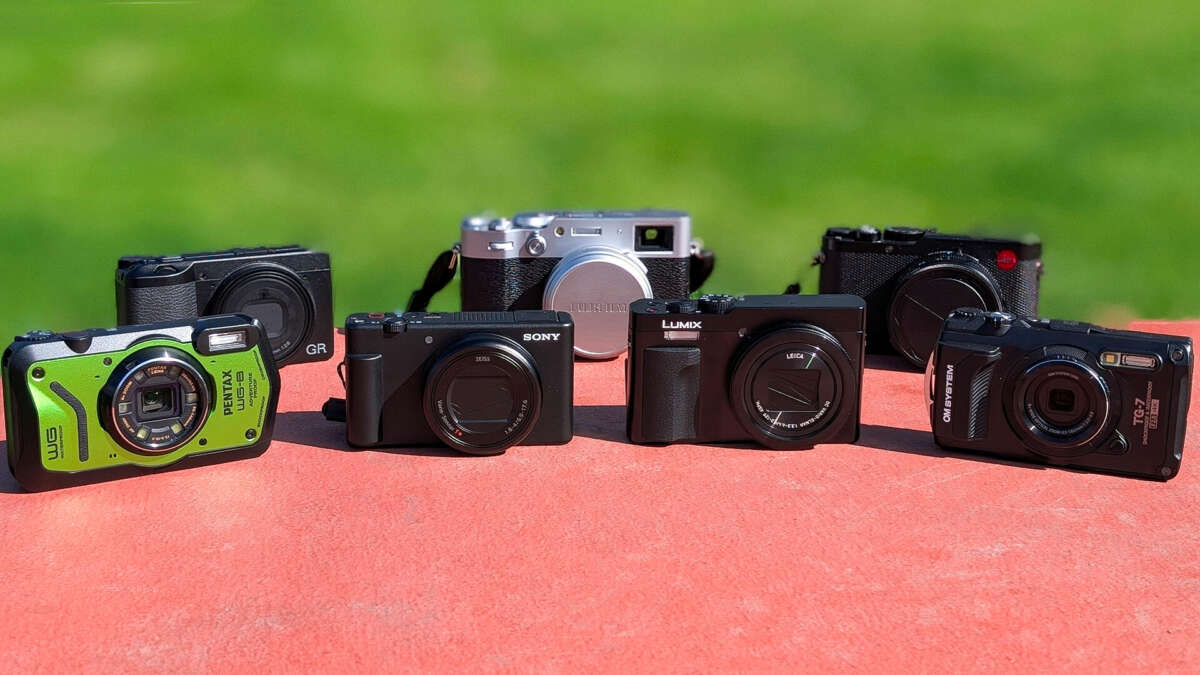
Compact cameras range from simple point-and-shoot models to advanced cameras with large sensors, fast lenses, electronic viewfinders, and manual controls. Some are designed for convenience, while others can produce image quality close to entry-level interchangeable-lens cameras.
The term “compact camera” can describe several types:
• Basic point-and-shoot cameras with automatic controls
• Travel zoom cameras with wide focal-length ranges
• Premium compact cameras with larger sensors
• Rugged cameras made for water, dust, and impact
• Compact cameras designed mainly for video and vlogging
The right choice depends on what you plan to photograph. A camera with a huge zoom may suit wildlife trips, while a small camera with a bright lens may work better for night streets and indoor family photos.
Start With Your Main Use
Before comparing megapixels, zoom ranges, and camera brands, ask one simple question: What will I photograph most often?
This question prevents many poor buying decisions. A camera can have excellent specifications and still feel wrong if it does not suit your habits.
For travel photography
Travel photographers often need a camera that is light, reliable, and flexible. A wide-angle lens helps capture buildings, landscapes, and group shots. A moderate zoom helps frame distant details without changing lenses.
Look for:
• A 24mm equivalent wide-angle view or wider
• A zoom range around 24–100mm for general use
• Strong battery life
• USB charging
• Built-in stabilization
• Weather resistance if you travel outdoors often
A small camera is most useful when you carry it every day. A slightly less powerful model that stays in your bag can create more photos than a larger model left at home.
For family and everyday photos
For children, pets, and casual events, autofocus speed matters more than extreme resolution. A camera should start quickly, focus accurately, and respond when a subject moves.
Look for:
• Face and eye detection
• Continuous autofocus
• A fast lens
• Simple automatic modes
• A comfortable grip
A built-in flash can also help at indoor events. However, flash light may look harsh, so a bright lens and good high-ISO performance are often more useful.
For street photography
Street photography rewards small size and quiet operation. A compact camera can attract less attention than a large camera with a long lens.
Useful features include:
• Silent shooting
• A fast lens
• Quick manual controls
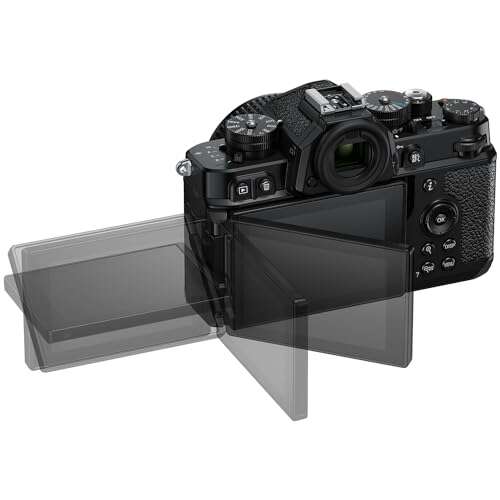
• A tilting screen or viewfinder
• Good low-light autofocus
A fixed-lens compact camera can be a strong choice here. Its single focal length may seem limiting, but that limit can help you move, observe, and compose with more purpose.
For wildlife and sports
Small cameras can photograph wildlife and sports, but they have limits. You need reach, fast autofocus, and a quick burst rate. A long travel zoom can help, but image quality may drop at the longest focal lengths.
Look for:
• A long optical zoom
• Phase-detection autofocus if available
• A fast burst mode
• Effective image stabilization
• A comfortable grip
For serious sports or wildlife work, a mirrorless camera with a telephoto lens often performs better. Compact cameras are best when portability matters more than maximum speed and detail.
For video and vlogging
Video needs differ from still photography. A camera may take sharp photos but produce poor video if it lacks good autofocus, sound options, or stabilization.
Look for:
• 4K video if you want room to crop
• Reliable face and eye autofocus
• A flip or tilting screen
• A microphone input
• Headphone monitoring when possible
• USB power or charging
• Good heat control
A built-in microphone is acceptable for casual clips, but an external microphone can make a much bigger difference than a small increase in video resolution.

Choose the Right Sensor Size
Sensor size is one of the most important parts of how to choose a compact camera. The sensor captures light, and a larger sensor usually gives you better image quality in dim conditions.
Common sensor sizes include:
• 1/2.3-inch sensors
• 1-inch sensors
• Micro Four Thirds sensors
• APS-C sensors
• Full-frame sensors
A 1/2.3-inch sensor is common in inexpensive point-and-shoot and superzoom cameras. It can produce good images in bright daylight, but it may show more noise indoors or at night.
A 1-inch sensor is larger and often offers a useful balance of size and quality. Many premium compact cameras use this format. These cameras can create cleaner images, better background blur, and stronger detail than basic pocket models.
APS-C and full-frame compact cameras can deliver excellent image quality. However, the camera and lens may be larger, heavier, and more expensive. A larger sensor does not automatically make a camera better for every user.
Why sensor size matters
A larger sensor can provide:
• Better low-light performance
• More natural background blur
• Greater editing flexibility
• Improved dynamic range in difficult light
Dynamic range describes how well a camera records bright highlights and dark shadows in the same scene. This matters when photographing a person near a bright window or a sunset with dark foreground objects.
Still, sensor size is only one part of the image-quality equation. Lens quality, image processing, autofocus, and your shooting technique also matter.
Understand Lens Types and Zoom
The lens determines how much of a scene you can see and how close you can appear to a distant subject. Understanding focal length makes how to choose a compact camera much easier.
Compact camera lenses are usually described with 35mm-equivalent focal lengths. A lower number gives a wider view. A higher number gives a narrower view and more apparent magnification.
Common focal-length ranges
• 24mm to 70mm: Good for landscapes, travel, portraits, and daily use
• 24mm to 100mm: A flexible range for general photography
• 24mm to 200mm: Useful for travel and distant subjects
• 24mm to 600mm or more: Designed for wildlife, sports, and extreme reach
Wide lenses are helpful for interiors, architecture, and group photos. Telephoto lenses are better for distant subjects, portraits, and details.
Optical zoom versus digital zoom
Optical zoom uses the lens to magnify the subject. It can preserve most of the camera’s detail.
Digital zoom crops and enlarges the image. It may make the subject look closer, but it usually reduces detail. When comparing cameras, focus on optical zoom and treat digital zoom as a minor extra.
Fixed lens versus zoom lens
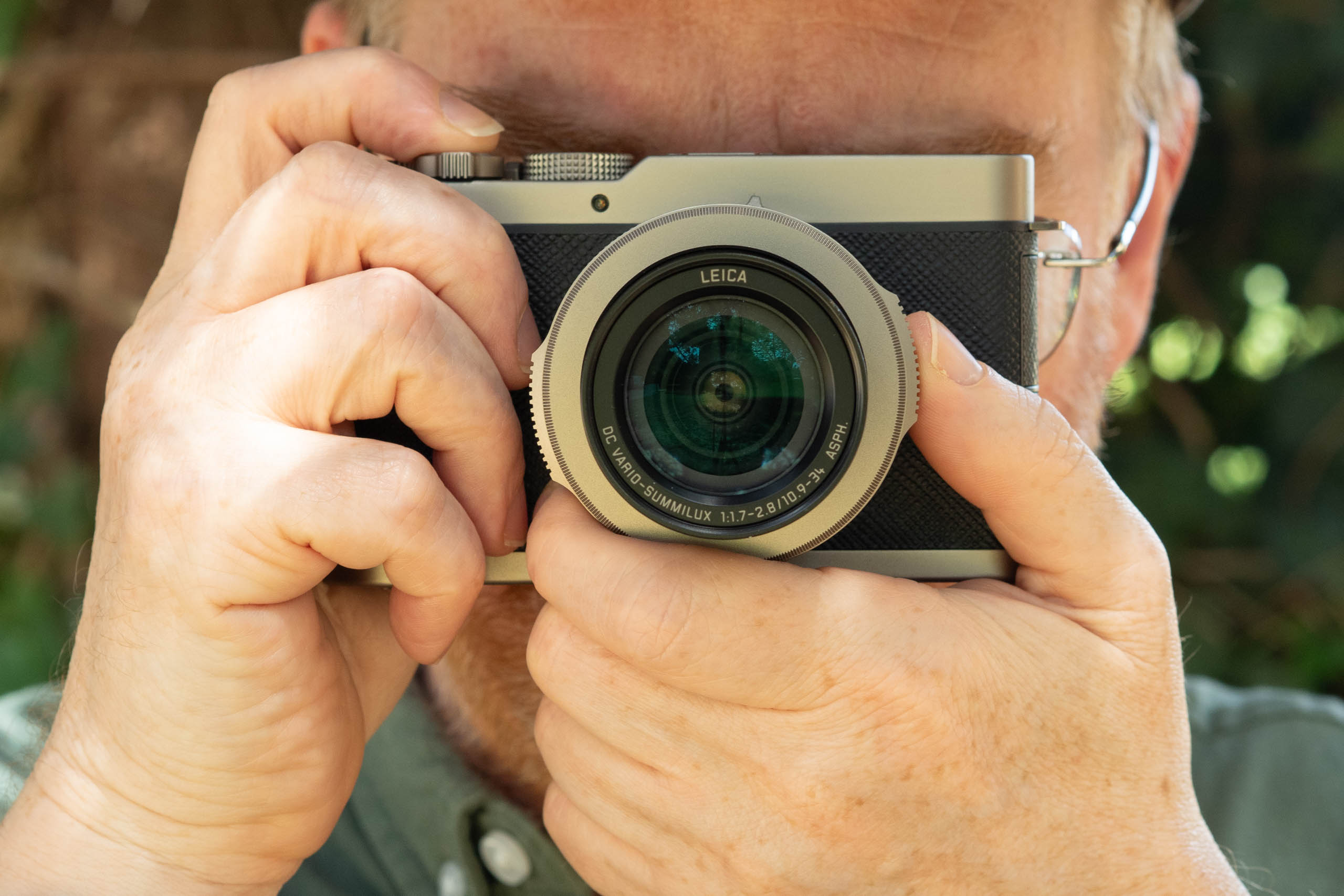
A fixed lens offers one focal length. It cannot zoom, but it may be sharper, brighter, and smaller.
A zoom lens offers more framing choices. It is more flexible but may be slower or larger. Neither design is best for everyone.
A fixed-lens camera suits photographers who value image quality, simplicity, and a small body. A zoom compact suits travelers who want one camera for many subjects.
Check the Lens Aperture
The aperture controls how much light enters the camera. It also affects background blur and shutter speed.
A lens with a wide maximum aperture, such as f/1.8 or f/2.0, is useful for:
• Indoor photos
• Evening street scenes
• Portraits with soft backgrounds
• Faster shutter speeds
• Lower ISO settings
A lens with a smaller maximum aperture, such as f/3.5–6.3, may still work well in daylight. However, it may struggle in dim light, especially at the telephoto end of the zoom range.
Some compact cameras have a bright lens but a short zoom. Others have a long zoom with a slower aperture. This is a major trade-off.
Think of the lens as the camera’s window. A large window lets in more light, but it may take up more space. A long zoom gives you a wider view of the world, but its smaller aperture may need more light.

Evaluate Autofocus Performance
Autofocus can matter more than megapixels. A sharp 12-megapixel photo is more useful than a blurry 40-megapixel photo.
Modern compact cameras may offer:
• Contrast-detection autofocus
• Phase-detection autofocus
• Face detection
• Eye detection
• Subject tracking
• Animal and vehicle detection
Phase-detection systems often track moving subjects more confidently, though performance varies by model. Face and eye detection can help with people, but they are not perfect in poor light or crowded scenes.
When possible, test the camera in a store. Point it at a moving person, a nearby object, and a dim area. Notice how quickly it locks focus and whether it loses the subject.
One practical lesson is to avoid judging autofocus from a menu description alone. Terms such as “advanced tracking” sound impressive, but real performance depends on lighting, subject contrast, lens speed, and camera software.
Decide Whether You Need a Viewfinder
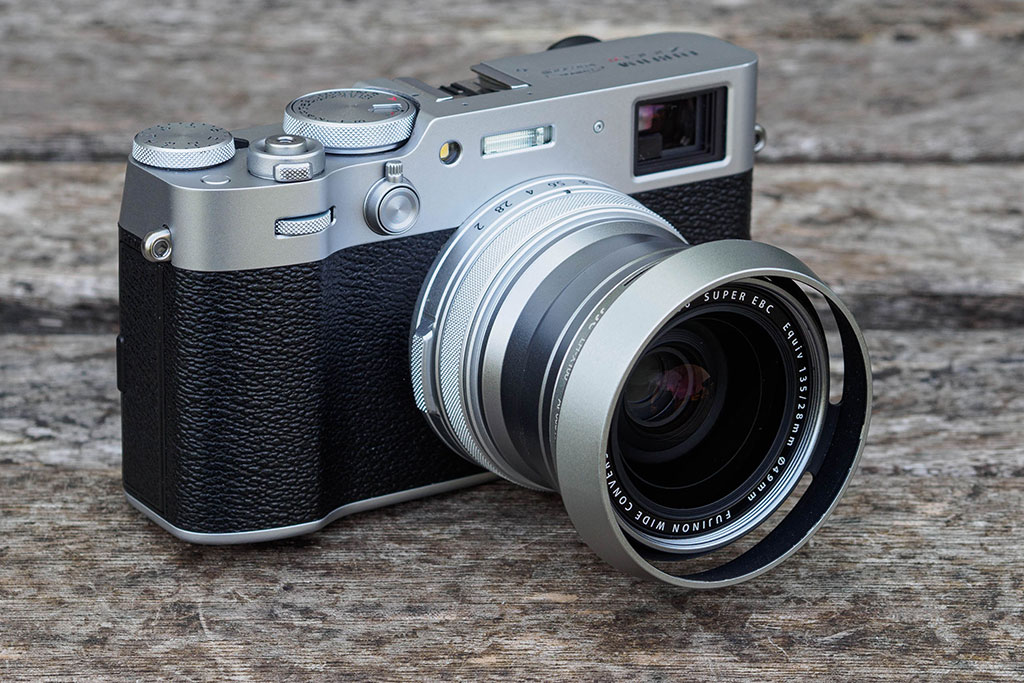
Many compact cameras use only a rear LCD screen. Others include an electronic viewfinder, often called an EVF.
An LCD screen is easy to use and works well for casual photos. It also helps when shooting from high or low angles.
A viewfinder becomes valuable when:
• Sunlight makes the screen hard to see
• You want steadier handling
• You photograph quickly
• You prefer traditional camera control
• You shoot in bright outdoor conditions
Holding a camera to your eye can provide three points of contact: both hands and your face. This may reduce camera shake.
A viewfinder can make the body larger, though. If maximum pocketability is your top priority, an LCD-only camera may suit you better.
Consider Image Stabilization
Image stabilization helps reduce blur caused by camera movement. It is especially useful in low light and when using a longer zoom.
There are two common forms:
• Optical image stabilization moves lens elements or the sensor
• Electronic stabilization uses software and cropping, mainly for video
Stabilization cannot freeze a moving person. If your subject moves, you still need a fast shutter speed. It only helps with movement from your hands.
For example, stabilization may keep a still building sharp at a slow shutter speed. It will not stop a running child from becoming blurry.
When learning how to choose a compact camera, treat stabilization as helpful support rather than a replacement for a bright lens or fast autofocus.
Compare Photo Resolution and Image Quality
Megapixels describe image resolution, not complete image quality. More megapixels can help when cropping or making large prints, but they may also create larger files.
For most people:
• 12 to 20 megapixels is enough for social media and normal prints
• 20 to 30 megapixels offers more cropping room
• Higher resolution helps with large prints and detailed editing
A camera with fewer pixels may perform better in low light if it has a larger sensor and strong image processing. This is why comparing megapixel numbers alone can lead to the wrong purchase.
Also check whether the camera records RAW files. RAW files preserve more information for editing than JPEG files, but they require software and storage space.
JPEG files are ready to share. RAW files are like undeveloped film: they need work, but they give you more control over exposure, color, and shadows.
Look at Video Features Carefully
If video is important, review the full feature list rather than looking only for “4K.” Resolution is just one part of video quality.
Check for:
• Frame rates such as 24p, 30p, and 60p
• Video autofocus
• Stabilization
• Microphone input
• Screen movement
• Recording time limits
• Overheating reports
• File formats and memory card support
4K video contains more detail than Full HD, but it uses more storage and may require a faster computer for editing. Full HD can still look excellent for social media, family clips, and online videos.
A compact camera with dependable autofocus and good sound may be more useful than one with high resolution but poor handling.
Review Battery Life and Storage
A camera is only useful when it has power and space to save photos. Battery life varies with the screen, viewfinder, autofocus, flash, wireless features, and temperature.
Look for:
• Replaceable batteries
• USB-C charging
• The ability to charge while in use
• Affordable spare batteries
• Standard SD or microSD card support
Carry a spare battery for day trips and travel. Wireless sharing can also drain power, so turn it off when you do not need it.
Check the camera’s card requirements before buying. Some models need faster cards for 4K video or high-speed bursts. A reliable card from a known brand is safer than choosing the cheapest option.
Think About Size, Weight, and Handling
The best compact camera is one you enjoy carrying. Size affects more than convenience. It also affects grip, button spacing, battery size, and heat control.
A very small camera may fit in a pocket but feel difficult to hold. A slightly larger model may offer a better grip and faster controls.
Before buying, check:
• Whether your fingers fit around the grip
• Whether you can reach the shutter button easily
• Whether the control dials feel comfortable
• Whether the camera fits your usual bag or pocket
• Whether the screen is easy to view
Do not choose based on product photos alone. Two cameras with similar dimensions can feel very different in your hands.
A useful buying habit is to imagine carrying the camera for six hours. If the thought feels annoying, the camera may be too heavy or bulky for your lifestyle.
Check Weather Resistance and Durability
Weather sealing can protect a camera from light rain, dust, and moisture. It does not always mean the camera is waterproof.
Read the manufacturer’s limits carefully. A weather-resistant camera may still need protection during heavy rain, sandstorms, or near salt water.
Rugged compact cameras are built for tougher conditions. Many are waterproof, shockproof, freezeproof, and dustproof. They are useful for:
• Beach trips
• Swimming and snorkeling
• Hiking
• Kayaking
• Outdoor work
• Family activities with young children
Rugged models often use smaller sensors and less powerful lenses. Their strength is durability, not maximum image quality.
Compare Manual Controls and Automatic Modes
Automatic modes make photography easy. Manual controls give you more creative control over brightness, motion, and background blur.
Useful controls include:
• Aperture priority
• Shutter priority
• Manual exposure
• Exposure compensation
• Manual focus
• Custom buttons
Beginners do not need to master every control on day one. However, a camera with room to grow can save you from upgrading too soon.
Exposure compensation is especially useful. It lets you make a photo brighter or darker without using full manual mode.
A simple camera can teach strong habits. Start with automatic or program mode, then learn one control at a time. This approach feels less like studying and more like opening doors.
Set a Realistic Budget
Compact camera prices vary widely. The cheapest models may offer convenience but limited low-light performance. Premium models cost more because of their sensors, lenses, autofocus systems, materials, and controls.
Your budget should include accessories such as:
• A memory card
• A spare battery
• A protective case
• A small camera strap
• A charger if one is not included
• A microphone for serious video
Used cameras can offer excellent value. Buy from a seller with a clear return policy, and inspect the lens, screen, battery compartment, buttons, and card slot.
Check the shutter, zoom motor, and autofocus. Look for fungus or haze inside the lens. Also confirm that the original battery and charger are available.
A lower price is not always a bargain if the battery is weak or the lens has damage.
Avoid These Common Buying Mistakes
Learning how to choose a compact camera also means learning what to ignore.
Chasing the highest megapixel count
More resolution does not guarantee better photos. Sensor size, lens quality, lighting, and technique often matter more.
Choosing the longest zoom
A huge zoom range can be useful, but it may come with a slow lens, weaker edge detail, and a larger body.
Ignoring low-light performance
A camera that looks great in bright daylight may struggle indoors. Check sample photos taken at higher ISO settings.
Buying without checking handling
A camera can have excellent specifications and still feel uncomfortable. Try it in your hand before paying when possible.
Forgetting video needs
If you plan to vlog, confirm that the camera has the screen, sound input, stabilization, and autofocus you need.
Expecting a compact camera to replace every system
Compact cameras have limits. A small body cannot always match a full-size camera with a large lens, especially for sports, wildlife, or professional video.
A Simple Step-by-Step Buying Process
Use this process when comparing models.
-
Write down your main subjects, such as travel, family, street scenes, wildlife, or video.
-
Choose the sensor size that fits your image-quality needs and budget.
-
Select a focal-length range that matches your subjects.
-
Decide whether you need a viewfinder, weather resistance, or a flip screen.
-
Check autofocus, stabilization, battery life, and video features.
-
Hold the camera or watch hands-on reviews that show real operation.
-
Compare sample images from trusted reviewers.
-
Add the cost of batteries, cards, and protection.
-
Check the return policy and warranty.
-
Choose the camera you are most likely to carry and use.
This method keeps the decision practical. Specifications help you compare cameras, but your habits should make the final choice.
Compact Camera Features That Matter Most
If you feel overwhelmed by specifications, focus on these features first:
• Sensor size for low-light quality and background blur
• Lens range for framing flexibility
• Maximum aperture for dim scenes and subject separation
• Autofocus for moving subjects
• Stabilization for handheld shooting
• Size and grip for comfort
• Battery life for travel and events
• Screen and viewfinder design for composition
• Video and audio features if you record clips
• Weather protection for outdoor use
No single camera wins every category. The best compact camera is a balance of image quality, portability, speed, controls, and price.
Frequently Asked Questions About How to Choose a Compact Camera
Is a compact camera better than a smartphone?
A compact camera can offer a larger sensor, optical zoom, better handling, and more manual control than a smartphone. A smartphone may be more convenient, especially for quick sharing and computational photography.
What sensor size should a compact camera have?
A 1-inch sensor is a strong middle choice for many users because it balances image quality and portability. Choose a larger sensor if low-light quality and background blur matter more than pocket size.
How much zoom do I need in a compact camera?
A 24–100mm equivalent range suits travel, family photos, and daily use. Choose a longer zoom for wildlife or distant subjects, but remember that long zoom lenses may be slower and less sharp at their longest setting.
Are compact cameras good for beginners?
Yes. Compact cameras are often easier to carry and use than larger interchangeable-lens systems. Choose a model with automatic modes, clear menus, and simple controls, then learn advanced features over time.
Do compact cameras take better photos than phones?
They can, especially in low light, at longer optical zoom levels, or when you want natural background blur. Modern phones can still perform extremely well in bright light and may produce more polished results through computational processing.
Is image stabilization important in a compact camera?
Yes, it helps reduce blur from hand movement when you shoot still subjects in dim light or use a longer zoom. It cannot fully prevent blur caused by moving people, animals, or vehicles.
Should I buy a compact camera with a viewfinder?
A viewfinder is helpful in bright sunlight and can make the camera steadier. If you mainly shoot casually and want the smallest body possible, a high-quality LCD screen may be enough.
Is buying a used compact camera safe?
Buying used can be safe if you inspect the camera carefully and use a reputable seller with a return policy. Test the lens, autofocus, flash, buttons, battery, screen, and memory card slot before keeping it.
Conclusion
Knowing how to choose a compact camera starts with your real needs. Think about your subjects, lighting, travel habits, desired zoom, video plans, and budget before comparing models.
Prioritize the sensor, lens, autofocus, stabilization, handling, and battery life. Do not let megapixels or extreme zoom numbers make the decision for you. The right camera is the one that fits your life and makes you want to take more photos.
Write down your top three needs, compare a few suitable models, and try them in your hands if possible. Then explore more photography guides, test your new camera in different light, and share your questions or experience in the comments.

Everett Ashford is a tech reviewer at mytechgrid.com specializing in SSDs, cameras, TVs, earbuds, headphones, and other consumer electronics. He provides honest, data-driven reviews based on hands-on testing and real-world performance analysis. Everett simplifies complex tech details to help readers make smart, confident buying decisions.