The best ways to hide a TV in a living room include art panels, built-in cabinets, sliding doors, and projector screens.
A television can be useful without becoming the main feature of your home. After planning living rooms with different layouts, I have found that the best solution depends on your wall space, viewing habits, budget, and design style. This guide explains how to hide TV in living room spaces while keeping the screen easy to use, safe, and simple to access.
Why Hide a TV in the Living Room?
A large black screen can act like a dark window when it is turned off. It may pull attention away from artwork, furniture, or architectural details. Learning how to hide TV in living room design helps create a calmer and more balanced space.
Hiding the TV can also help with:
• Reducing visual clutter
• Protecting the screen from children and pets
• Making a small room feel more open
• Improving the look of a fireplace wall
• Creating a more formal living room
• Keeping cables and devices out of sight
The goal is not always to make the TV completely invisible. In many homes, the best approach is to make it blend into the room when not in use.
:strip_icc()/bhg-how-to-hide-tv-cords-hero-3x2-0064_6GhgO9RVqy9AtzqwJ3gOea-b8df79009e2a4438995493d536250fe4.jpg)
Choose the Best Hiding Method for Your Room
Before deciding how to hide TV in living room areas, study the wall, furniture, light, and viewing distance. A solution that looks great in a large custom home may feel bulky in a small apartment.
Ask yourself these questions:
• How often do you watch TV?
• Do you need access to a cable box, game console, or streaming device?
• Is the TV above a fireplace?
• Do you own or rent the home?
• Can you build into the wall?
• Does sunlight create glare on the screen?
• Do you want the TV hidden all the time or only when guests visit?
Measure the TV, wall, nearby furniture, and walking paths. Leave enough room for ventilation and service access. A hidden TV still needs airflow, power, and a clear signal from the remote.
Match the solution to your lifestyle
If you watch TV every night, choose a fast and easy system. A cabinet door that takes several minutes to open may become annoying. If you watch only on weekends, decorative art or sliding panels may work well.
For renters, use removable art, a freestanding screen, or a media cabinet. Homeowners may consider built-ins, motorized lifts, or in-wall installation.

Use Artwork to Cover the Television
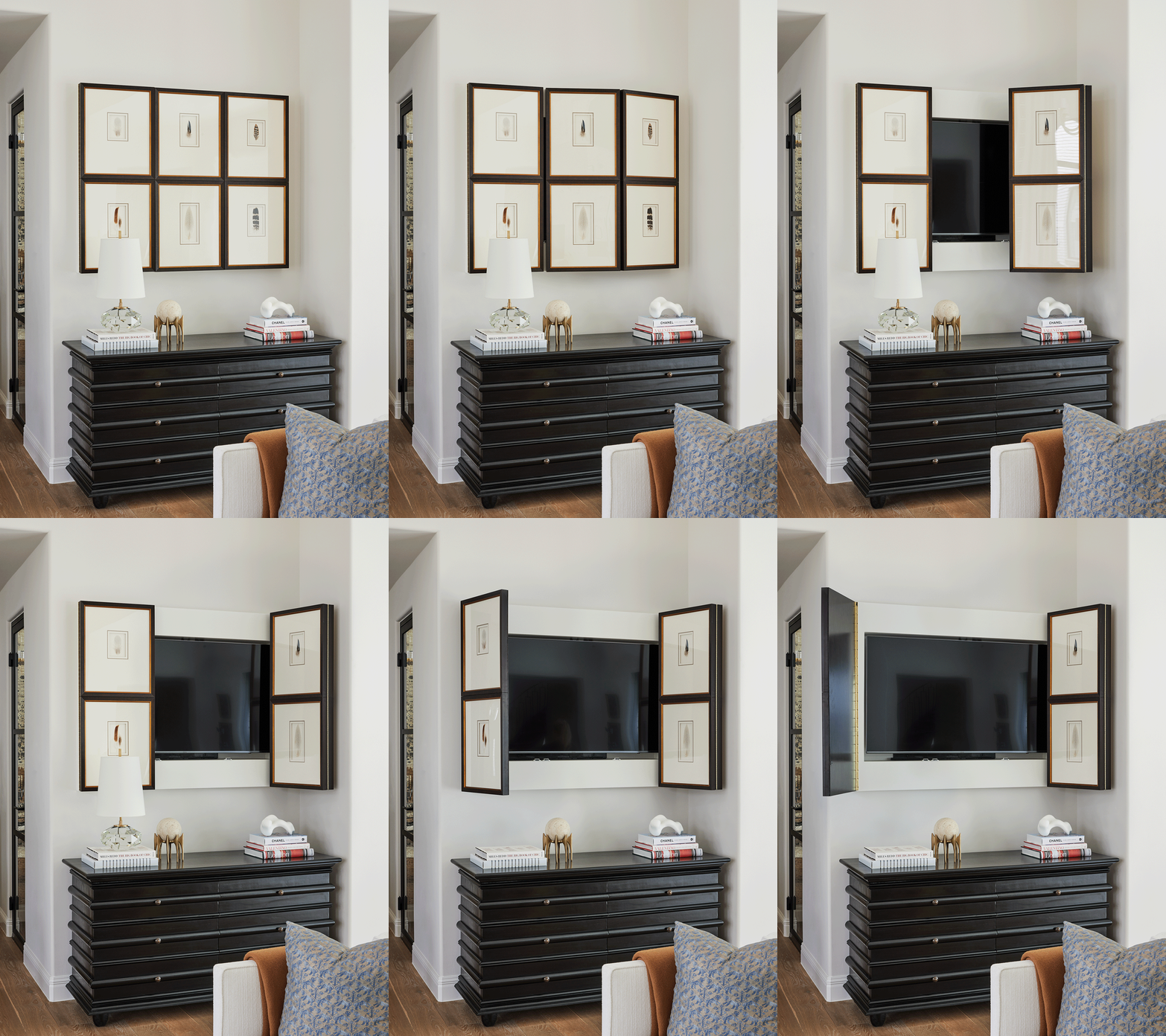
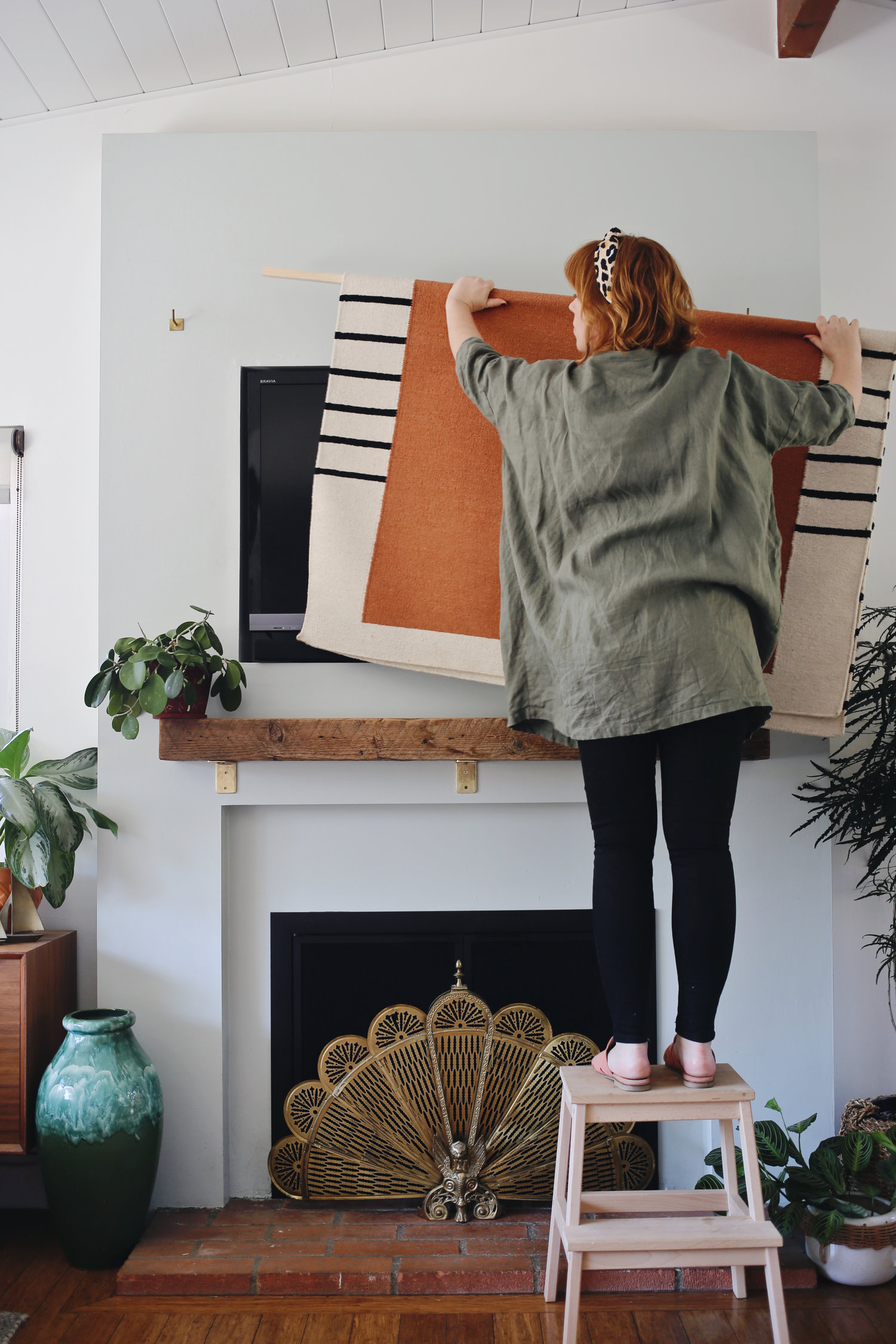
One of the easiest ways to hide TV in living room spaces is to place artwork over the screen. This method works best when the art matches the size and shape of the TV.
You can use:
• A framed canvas
• A large photograph
• A lightweight textile
• A hinged art panel
• A decorative folding screen
• A framed TV designed to display artwork
A hinged panel attaches to the wall or cabinet and swings open when you want to watch. Use strong hinges and keep the panel light enough to handle safely. The panel should not press against the screen.
A smart TV with an art mode can display paintings or photographs when it is not in use. This does not physically hide the television, but it reduces the harsh black rectangle effect. Choose a low-brightness setting at night to limit glare and energy use.
How to make art look natural
Choose art with colors that already appear in the room. A bright red print may highlight the TV instead of hiding it. Neutral tones, soft landscapes, and textured pieces often blend more easily.
Keep the frame slightly larger than the screen. This creates a finished look and hides the edges. Check the artwork from the main seating area before installing it.
Install a Sliding Barn Door or Panel
Sliding doors offer a stylish way to hide TV in living room layouts. They work well over wall-mounted screens and can add warmth through wood, fabric, or painted panels.
Common materials include:
• Natural wood
• Painted plywood
• MDF with trim
• Cane or rattan
• Frosted acrylic
• Perforated metal
A sliding panel moves along a track mounted above the TV. When closed, it covers the screen. When open, it rests beside the television.
Make sure the open panel does not block a doorway, window, or artwork. The track must attach to strong framing, not only drywall. Use a stud finder before drilling, and choose hardware rated for the panel’s weight.
Design tips for sliding panels
Use two smaller panels for a wide television. They can meet in the center and create a balanced look. Match the panel color to the built-in shelves, trim, or flooring for a unified design.
Avoid heavy doors that may sag or become hard to move. Add soft-close hardware if possible. It reduces noise and protects the wall.

Hide the TV Inside a Cabinet
A media cabinet is a practical choice for anyone learning how to hide TV in living room spaces without major remodeling. The cabinet can hold the screen, soundbar, game systems, remotes, and other equipment.
Choose a cabinet that is:
• Wider and taller than the television
• Deep enough for the screen and cables
• Strong enough to support the TV
• Ventilated at the back or sides
• Easy to open and clean
Avoid placing a TV inside a fully sealed cabinet. Electronic devices create heat. Without airflow, heat can shorten the life of the TV or connected equipment.
You can use doors that open outward, slide sideways, or lift upward. Bi-fold doors save space because they fold near the cabinet sides. Sliding doors need less space in front but may cover part of the screen when open.
Give the remote a clear path
Some cabinet doors block infrared signals from remotes. You can solve this with an infrared repeater, a radio-frequency remote, or a small opening for the sensor.
Test the remote before finishing the installation. This simple step prevents a common mistake: building a beautiful cabinet that does not respond to commands.
Build a Custom Wall Unit
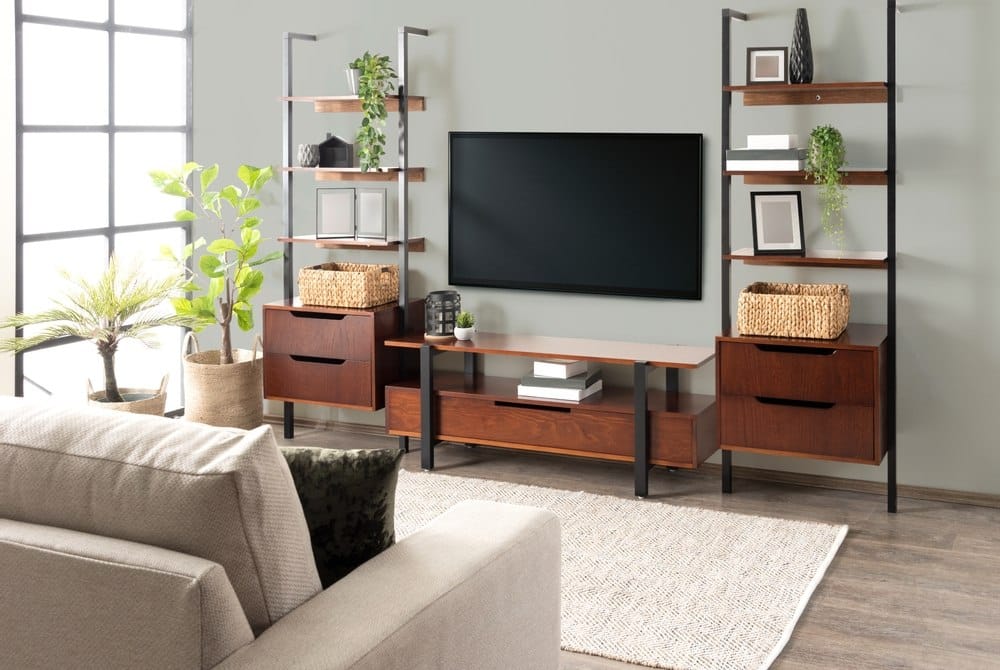
A built-in wall unit provides one of the most polished ways to hide TV in living room designs. It can combine storage, display shelves, lighting, and a concealed television in one structure.
A wall unit may include:
• Closed storage below the TV
• Open shelves on each side
• A lift-up or sliding panel
• A recessed screen niche
• Cable channels
• Space for a soundbar
• Adjustable shelves
Use consistent materials throughout the unit. For example, oak shelves with cream cabinet doors can make the TV wall feel like furniture rather than an entertainment center.
A custom wall unit costs more than a ready-made cabinet, but it uses the available space better. It can also hide awkward corners and improve storage in small rooms.
Important built-in safety details
Never place a TV in a tight recess without checking the manufacturer’s ventilation requirements. Keep power connections accessible. Do not bury extension cords inside walls unless they are approved for in-wall use.
Electrical work should follow local codes. When adding a new outlet or running wires through a wall, hire a licensed electrician when required. This protects your home and reduces fire risk.

Place the TV Behind a Curtain
A curtain is a flexible and affordable option for how to hide TV in living room areas. It works especially well in eclectic, traditional, and relaxed homes.
Install a ceiling track or slim curtain rod above the screen. Use fabric that is thick enough to hide the television but light enough to move easily.
Good choices include:
• Linen blend
• Cotton canvas
• Velvet
• Woven fabric
• Blackout fabric
Keep fabric away from heat sources and electrical equipment. Do not let it touch a fireplace, heater, or hot light fixture.
A curtain can soften a media wall, but it may not look as neat as a hard panel. It also needs regular cleaning because dust can collect on the fabric.
Use a TV Lift or Motorized System
A motorized lift lets you hide TV in living room furniture, a cabinet, the ceiling, or the floor. The screen rises when needed and disappears when you finish watching.
Common lift types include:
• Cabinet lifts
• Ceiling drop-down lifts
• Floor lifts
• Pop-up countertop lifts
A cabinet lift is often the most practical home option. It keeps the TV protected and works with a remote control. A ceiling lift can save wall space but needs careful structural planning.
Motorized systems cost more and have more parts that can fail. Leave service access for the motor and wiring. Follow the product instructions for weight limits and mounting.
This option is best for homeowners who want a clean look and use the TV often. It is less suitable for renters or people working with a small budget.

Hide the TV in a Fireplace Wall
Many people ask how to hide TV in living room spaces when the screen sits above a fireplace. This layout needs extra care because heat can damage electronics and create an uncomfortable viewing angle.
First, check the fireplace manufacturer’s instructions. The wall above the fireplace may become too warm for a television. A mantel can help deflect heat, but it does not guarantee that the screen is safe.
You can hide the TV with:
• A cabinet above the mantel
• Sliding artwork
• A motorized lift
• A side-mounted TV cabinet
• A separate media wall
Avoid placing the TV too high simply to make the fireplace and screen fit on one wall. A high screen may cause neck strain. The center of the screen should usually sit near seated eye level, although room layout and personal comfort matter.
Make a Small Living Room Feel Less Crowded
In a compact home, how to hide TV in living room planning is mainly about saving visual and physical space. Large furniture can make the room feel tight, even when the floor plan is open.
Try these ideas:
• Mount the TV on a slim wall panel
• Use a shallow cabinet
• Choose a light-colored cover
• Store devices in closed drawers
• Use wall-mounted speakers
• Place the TV inside a bookcase with doors
• Use a projector only when the wall is suitable
A short-throw projector can replace a television in some rooms. It sits close to the wall and displays a large image when needed. However, it needs a clear wall, controlled light, and a separate screen or smooth surface.
Projectors are not always a better choice. They may need lamp or laser maintenance, and image quality can drop in bright rooms. Compare the total cost before switching from a TV.
Manage Cables and Devices
A hidden screen can still look messy if cables hang below it. Cable management is a key part of how to hide TV in living room design.
Use:
• In-wall cable kits approved for that purpose
• Cable raceways painted to match the wall
• Cord covers
• Adhesive cable clips
• A media box
• Wireless streaming devices
• A power strip with surge protection
Label each cable before moving the TV. This saves time later, especially when several HDMI cables look alike.
Do not run regular extension cords inside walls. Use listed in-wall power products or ask an electrician to install a proper outlet. Keep ventilation around receivers, consoles, and streaming boxes.
Improve the Hidden TV’s Viewing Quality
A concealed TV should still provide a comfortable picture and sound. Do not place the screen where direct sunlight creates strong glare.
Before installing the cover, check:
• Viewing distance
• Screen height
• Side viewing angles
• Window reflections
• Soundbar clearance
• Remote control access
• Wi-Fi signal strength
A matte wall or fabric panel can reduce reflections, but it may affect sound if it covers a speaker. If you use a soundbar, leave space around it or create an acoustically open section in the cover.
Test the entire setup while sitting in the usual viewing spot. Designers often make the mistake of judging the TV from a standing position. Your eyes, neck, and ears experience the room from the sofa.
Common Mistakes to Avoid
The most useful lessons about how to hide TV in living room projects often come from mistakes. A stylish idea can fail if it ignores heat, weight, access, or daily use.
Avoid these problems:
• Covering the TV with a heavy panel
• Blocking the remote sensor
• Sealing equipment in an unventilated cabinet
• Mounting the TV too high
• Forgetting access to outlets
• Using weak drywall anchors
• Placing fabric near heat
• Ignoring soundbar clearance
• Building a cabinet that is too shallow
• Hiding the television before testing the cables
One common design error is making the cover too perfect for the screen size. If you replace the TV later, the panel may no longer fit. Leave a small amount of flexibility when possible.
Another mistake is choosing a complex motorized system for a room that rarely uses the TV. Simple solutions are often easier to repair and more enjoyable to live with.
A Simple Step-by-Step Plan
Use this process to decide how to hide TV in living room spaces with less stress.
-
Measure the television, wall, furniture, and viewing distance.
-
Decide whether you need full concealment or a softer visual effect.
-
Check heat, power, ventilation, and cable access.
-
Choose artwork, a cabinet, sliding panels, curtains, or a lift.
-
Test the viewing height and glare before permanent installation.
-
Select hardware based on the screen and cover weight.
-
Install cable management and remote control solutions.
-
Open and close the cover several times.
-
Check ventilation after the TV has been running for an hour.
-
Add finishing touches, such as lighting, shelves, or decorative objects.
When in doubt, start with a removable solution. You can learn how the room functions before investing in custom work.
Frequently Asked Questions About How to Hide TV in Living Room
What is the easiest way to hide a TV in a living room?
The easiest method is to place the TV inside a media cabinet or cover it with a lightweight framed art panel. Both options require little construction and can provide quick access when you want to watch.
Can I hide a TV behind a picture frame?
Yes, you can hide a TV behind a picture frame or hinged artwork. Make sure the frame is lightweight, secure, and large enough to cover the screen without touching it.
Is it safe to put a TV inside a cabinet?
A TV can sit inside a cabinet if the cabinet allows proper airflow and follows the manufacturer’s clearance rules. Leave access to the power connection and avoid sealing heat-producing devices in a tight space.
How do I hide TV wires in a living room?
You can hide TV wires with an approved in-wall cable kit, a painted cable raceway, or a media box. Never place a standard extension cord inside a wall.
Can I hide a TV above a fireplace?
You can, but you must check the fireplace heat limits and consider the viewing height. A separate media wall may be safer and more comfortable than mounting the screen directly above the fire.
Are TV lifts worth the cost?
A TV lift can be worth the cost if you want full concealment and use the television often. It may not be practical for renters, tight budgets, or rooms where a simple cabinet would work just as well.
Does hiding a TV affect sound quality?
It can affect sound if the cover blocks the speakers or soundbar. Use an open section, acoustic fabric, or a properly placed soundbar to keep dialogue clear.
Conclusion
The best way to hide TV in living room spaces is the method that fits your room, budget, and daily habits. Artwork, sliding panels, cabinets, curtains, built-ins, and TV lifts can all reduce visual clutter when installed with proper ventilation, cable access, and viewing comfort.
Start by measuring the space and testing a simple option before choosing a permanent design. A hidden TV should make your room feel calmer, not make movie night harder. Try one of these ideas, share your results, and explore more living room design solutions for a home that works beautifully every day.

Everett Ashford is a tech reviewer at mytechgrid.com specializing in SSDs, cameras, TVs, earbuds, headphones, and other consumer electronics. He provides honest, data-driven reviews based on hands-on testing and real-world performance analysis. Everett simplifies complex tech details to help readers make smart, confident buying decisions.