The Ricoh GR III is the best digital compact camera for most photographers who value image quality and pocket size.
Choosing the best digital compact camera is not just about counting megapixels. The right model must balance sensor size, lens quality, autofocus, battery life, controls, and true portability. After comparing leading models and considering how they perform for travel, street photos, family moments, and video, this guide will help you choose with confidence.
What Is the Best Digital Compact Camera?
For most people, the Ricoh GR III is the best digital compact camera overall. It has a large APS-C sensor, a sharp 28mm-equivalent lens, fast startup, excellent image quality, and a body small enough to carry every day.
The GR III is not perfect for everyone. Its lens is fixed, its battery is modest, and its autofocus is not as advanced as the best Sony cameras. Still, it delivers a rare mix of serious image quality and true pocket size.
Here are the best choices by need:
• Best overall: Ricoh GR III
• Best for street photography: Ricoh GR IIIx
• Best compact zoom camera: Sony Cyber-shot RX100 VII
• Best for travel zoom: Panasonic Lumix ZS200
• Best for casual users: Canon PowerShot G7 X Mark III
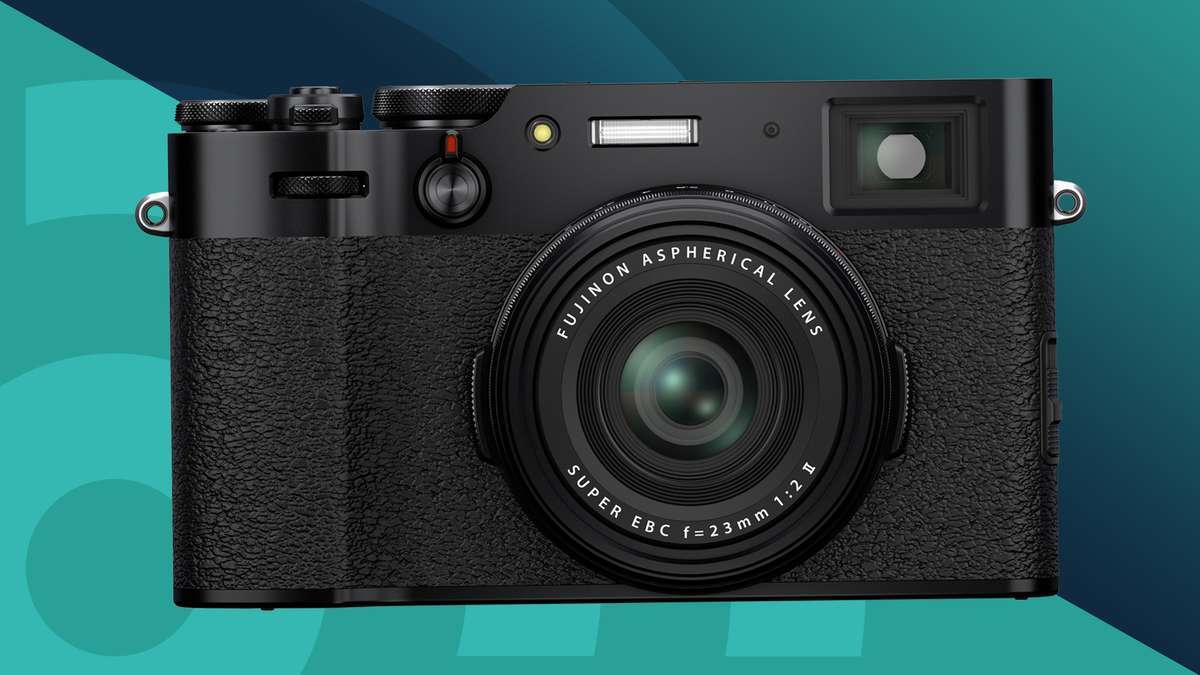
• Best premium image quality: Fujifilm X100VI
• Best low-cost option: Used Sony RX100 IV or Canon G5 X
The best digital compact camera for you depends on how you shoot. A street photographer may prefer a simple fixed lens, while a traveler may need a long zoom for distant subjects.
How to Choose the Best Digital Compact Camera
A compact camera should make photography easier, not add more work. Before buying, focus on the features that affect real photos rather than marketing terms.
Sensor size
The sensor captures light and image detail. A larger sensor usually produces cleaner images, stronger background blur, and better results indoors.
Common compact camera sensor sizes include:
• 1/2.3-inch: Very small and common in basic point-and-shoot cameras
• 1-inch: A strong balance of size and image quality
• Micro Four Thirds: Larger, but less common in pocket cameras
• APS-C: Excellent quality, usually with a fixed lens
• Full frame: Rare in compact cameras and often much larger
A 1-inch sensor is good for travel and family photos. An APS-C sensor is better when you want rich detail and a softer background.
Lens and focal length
The lens decides how wide or close your photos look. A 24mm-equivalent lens is wide and useful for landscapes, rooms, and group photos. A 28mm lens feels natural for street photography. A 35mm lens gives a more focused view and works well for people and daily scenes.
Zoom cameras offer more flexibility. You can photograph a building, then zoom in on a distant detail without changing lenses. Fixed-lens cameras offer fewer framing options, but their lenses are often brighter and sharper.
Aperture
A lens with a wide aperture, such as f/1.8 or f/2.8, lets in more light. This helps in restaurants, homes, and evening streets.
A wide aperture can also create background blur. However, the amount of blur depends on the sensor size, focal length, and distance from your subject. A compact camera with a large sensor can create more natural blur than a phone with a small sensor.
Autofocus
Modern compact cameras vary widely in autofocus performance. Phase-detection autofocus is usually faster and more reliable than basic contrast detection, especially for moving people.
Look for:
• Face and eye detection
• Tracking autofocus
• Quick subject acquisition
• Reliable focus in low light
• Touchscreen focus control
For still subjects, almost any good compact camera will work well. For children, pets, sports, or birds, autofocus performance becomes much more important.
Image stabilization
Optical or sensor-shift stabilization helps reduce blur caused by hand movement. It does not freeze a moving person, but it can help you use slower shutter speeds in low light.
The Ricoh GR III includes in-body image stabilization. This is one reason it performs well during evening walks and indoor snapshots.
Battery life
Small cameras have small batteries. A compact camera may produce excellent photos but still need a spare battery during a full day of travel.
Plan to carry:
• One spare battery
• A USB charger or power bank
• A fast memory card
• A small wrist strap or case
Battery ratings are based on test conditions. Real use with the screen, flash, wireless features, and video can reduce battery life.

Best Digital Compact Camera Overall: Ricoh GR III
The Ricoh GR III is the best digital compact camera for photographers who want high image quality in a truly small body.
Its 24.2-megapixel APS-C sensor captures detailed images with natural color and good low-light performance. The fixed 18.3mm f/2.8 lens gives a 28mm-equivalent field of view, which works well for travel, street scenes, food, interiors, and everyday life.
The camera also starts quickly. That matters when a moment lasts only a few seconds. You can turn it on, frame your subject, and shoot before the scene changes.
Why the Ricoh GR III stands out
• Large APS-C sensor
• Sharp 28mm-equivalent lens
• Compact, lightweight body
• Built-in image stabilization
• Fast startup
• Excellent controls for experienced users
• Touchscreen operation
• Strong RAW files for editing
The GR III is also quiet. Its leaf-style shutter makes it useful for candid photos, museums, cafés, and quiet streets.
Limitations to consider
The 28mm view is wide. Some people love it, while others find it too wide for portraits. The camera also lacks a built-in electronic viewfinder, and its battery life is not impressive.
The autofocus is suitable for daily photography, but it is not the best choice for fast sports or unpredictable action. Video features are useful, but vloggers may prefer a camera with a fully articulating screen and a stronger microphone setup.
In practical use, the GR III rewards photographers who slow down and pay attention. It feels less like a tiny automatic camera and more like a small notebook for visual ideas.

Best Digital Compact Camera for Street Photography: Ricoh GR IIIx
The Ricoh GR IIIx is the best digital compact camera for photographers who prefer a slightly tighter view. Its 40mm-equivalent f/2.8 lens shows less of the scene than the GR III.
This focal length is excellent for:
• Candid portraits
• Street details
• Travel moments
• Food and café photos
• Everyday storytelling
The 40mm view feels close to how many people naturally see a scene. It gives your subject more presence without making the background feel too compressed.
The GR IIIx shares many strengths with the GR III, including its APS-C sensor, small body, stabilization, and fast operation. The main decision is the lens angle.
Choose the GR III if you photograph buildings, groups, and wide scenes. Choose the GR IIIx if you often photograph people, details, and more focused compositions.
Best Digital Compact Camera With a Zoom: Sony RX100 VII
The Sony RX100 VII is the best digital compact camera for people who want a pocket-sized zoom with strong autofocus.
Its 24–200mm-equivalent lens covers wide landscapes and distant subjects. This range is far more flexible than a fixed lens. You can photograph a city skyline, then zoom in on a performer or bird.
Its 1-inch sensor is smaller than the APS-C sensor in the Ricoh GR III. Image quality is still very good, especially in daylight, but low-light photos may show more noise.
Strengths of the Sony RX100 VII
• 24–200mm-equivalent zoom
• Fast phase-detection autofocus
• Eye detection for people and animals
• Electronic viewfinder
• 4K video
• Compact body
• Tilting screen
• Strong burst performance
The RX100 VII is a smart choice for vacations, theme parks, family events, and situations where changing lenses is not practical.
Its main weakness is price. It can cost as much as a larger interchangeable-lens camera. The small grip and complex menu system may also take time to learn.
For travelers who want one small camera that can do almost everything, the RX100 VII is one of the strongest options available.
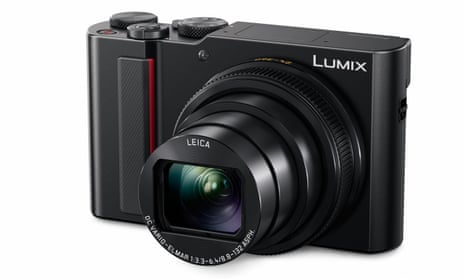
Best Digital Compact Camera for Travel: Panasonic Lumix ZS200
The Panasonic Lumix ZS200 is the best digital compact camera for travelers who value a long zoom and simple handling.
Its 15x optical zoom covers a wide range, from landscapes to distant subjects. The 1-inch sensor produces better quality than most basic point-and-shoot cameras, while the built-in electronic viewfinder helps in bright sunlight.
The ZS200 is especially useful for:
• City trips
• National parks
• Cruises
• Family vacations
• Outdoor events
• Museum and architecture photos
The lens is not as bright as the lens on the Ricoh GR III or Canon G7 X Mark III. This means it may need higher ISO settings indoors or at night.
Still, travel photography often requires flexibility more than maximum background blur. A long zoom can save the day when you cannot move closer to your subject.
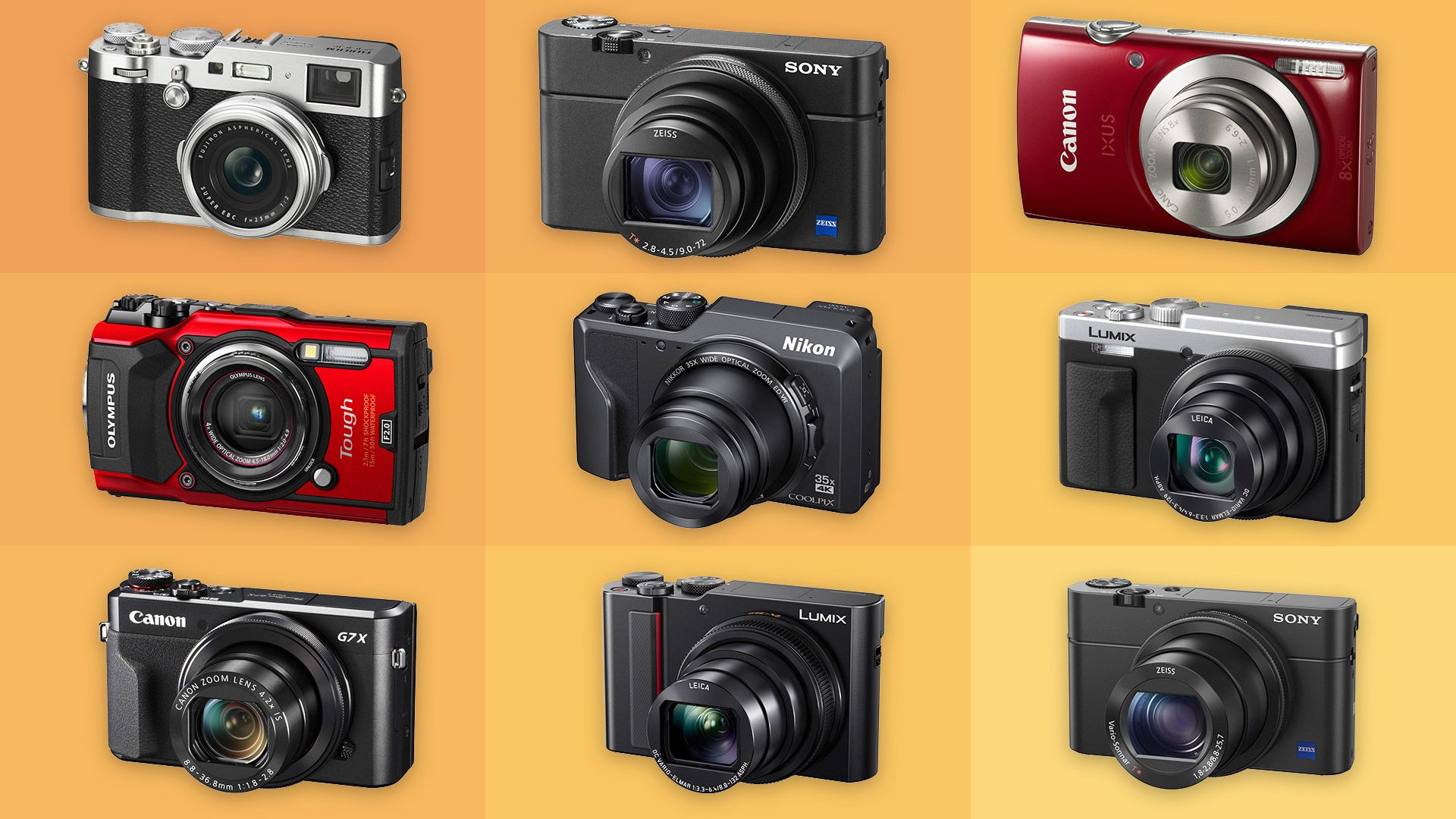
:max_bytes(150000):strip_icc()/tal-best-compact-cameras-of-2023-tout-eb2318653de34655b83c6b578f14b6c0.jpg)
Best Digital Compact Camera for Casual Photography: Canon PowerShot G7 X Mark III
The Canon PowerShot G7 X Mark III is a strong choice for casual photographers, vloggers, and people who want a simple camera with a bright lens.
It uses a 1-inch sensor and a 24–100mm-equivalent f/1.8–2.8 lens. That range is useful for wide scenes, portraits, food photos, and indoor snapshots.
Important features include:
• Bright zoom lens
• Tilting touchscreen
• 4K video
• External microphone input
• Easy controls
• Compact body
• Good JPEG color
Canon’s color science is often pleasing straight from the camera. This matters if you do not want to edit every image.
The G7 X Mark III is not the best digital compact camera for fast action. Its autofocus is less advanced than the Sony RX100 VII, especially when tracking moving subjects. But for social media, family life, travel, and casual video, it remains a practical option.
Availability and pricing can change. Check the current price before buying, since popular compact cameras sometimes sell above their original list price.
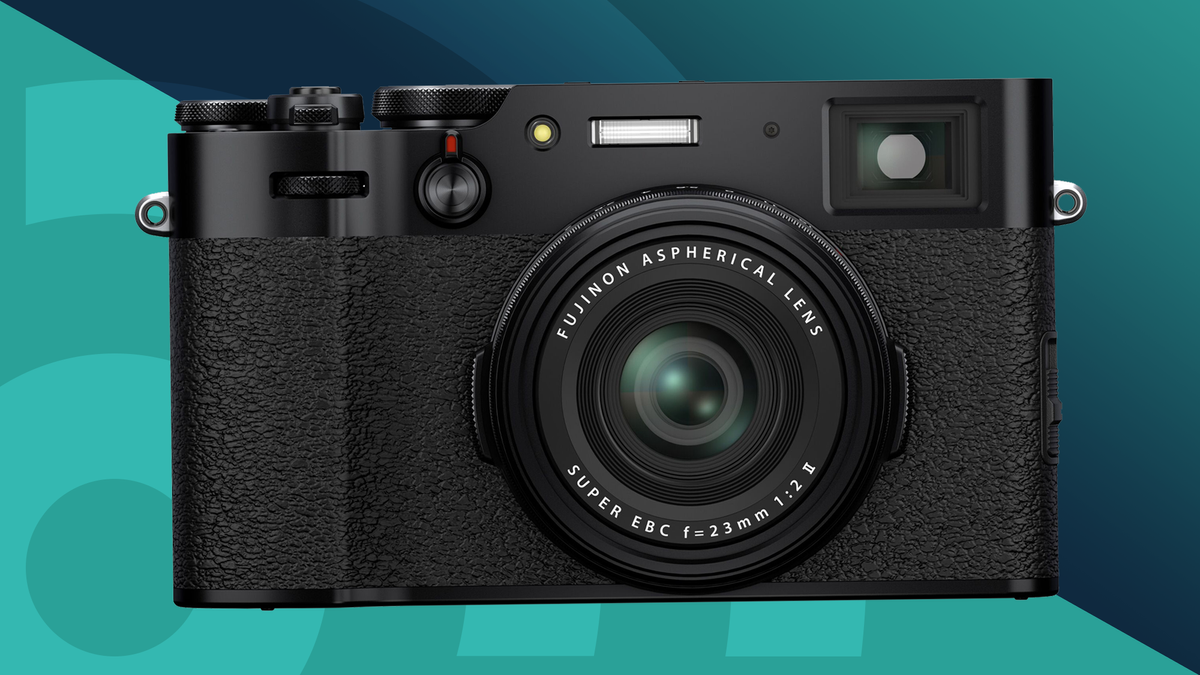
Best Premium Compact Camera: Fujifilm X100VI
The Fujifilm X100VI is the best digital compact camera for photographers who want premium controls, a classic design, and high image quality.
It has an APS-C sensor and a fixed 35mm-equivalent f/2 lens. This focal length is excellent for street photos, portraits, travel, and documentary-style images.
The X100VI offers:
• High-resolution APS-C sensor
• Built-in image stabilization
• Hybrid optical and electronic viewfinder
• Film Simulation modes
• Strong manual controls
• High-quality lens
• Attractive, durable design
Its Film Simulation modes are popular because they create attractive JPEG files with little or no editing. The camera also encourages deliberate shooting through its dials and viewfinder.
The main drawback is size and price. It is compact compared with a mirrorless camera, but it is not as pocketable as the Ricoh GR III. Demand can also affect availability.
If you want a camera that feels special to use and produces excellent files, the X100VI is a compelling choice. It is less about convenience and more about enjoying the photographic process.

Compact Camera Versus a Smartphone
A modern phone is often the most convenient camera. It is always with you, handles HDR automatically, and shares photos instantly. For many people, a phone is enough.
A dedicated compact camera still has important advantages:
• Larger sensor
• Real optical zoom
• Better physical controls
• Longer shooting sessions
• More natural depth of field
• Higher-quality RAW files
• Less dependence on computational processing
• Better grip and handling
Phones often produce bright, sharp photos through software. A dedicated camera gives you more control over how the image is made.
The best digital compact camera is worth buying when you want a more direct photography experience. It is also helpful when you want optical zoom, better low-light detail, or files that offer more editing freedom.
My practical advice is simple: use your phone for convenience and a compact camera when the image matters. The best camera is still the one you carry.

Fixed Lens or Zoom Lens: Which Is Better?
A fixed lens is attached permanently to the camera. A zoom lens lets you change the view without moving your feet.
Choose a fixed lens if you want:
• The highest image quality in a small body
• A simple creative process
• Better low-light performance
• Street and documentary photography
• A camera you can carry every day
Choose a zoom lens if you want:
• More framing options
• Better travel flexibility
• Wildlife and distant subject coverage
• Easier family photography
• One camera for many situations
There is no universal winner. A fixed lens is like having one excellent cooking knife. A zoom is like carrying a complete travel kit. The best digital compact camera depends on which tool fits your habits.
Common Mistakes When Buying a Compact Camera
Many buyers focus on megapixels and ignore the features they will use every day. A 20-megapixel camera with a good lens can produce better photos than a 30-megapixel camera with a weak lens.
Avoid these common mistakes:
• Buying a camera that is too large to carry
• Choosing a long zoom without checking low-light performance
• Ignoring battery life
• Assuming 4K video means excellent video quality
• Buying an old model without checking autofocus
• Forgetting to budget for batteries and a memory card
• Choosing a focal length you do not enjoy
• Paying an inflated price because of low stock
Try to hold the camera before buying when possible. Comfort matters. A camera that feels awkward may stay at home, no matter how good its specifications look.
Also check whether the manufacturer still provides firmware updates, repairs, and batteries. A reliable support system adds value over the camera’s full life.
How Much Should You Spend?
Prices vary by sensor size, lens range, autofocus, and demand. A basic compact camera may cost less than $250, while premium models can exceed $1,500.
A useful budget guide looks like this:
• Under $300: Basic point-and-shoot or older used model
• $300 to $700: Used premium compact or entry-level new model
• $700 to $1,000: Strong 1-inch sensor camera
• $1,000 to $1,500: Premium APS-C compact camera
• Over $1,500: High-end compact or interchangeable-lens alternative
Buying used can be smart. Check the lens for scratches, test the zoom, inspect the screen, and confirm that the battery door and card slot work properly.
Do not spend more than you need. If you mainly take daylight travel photos, a midrange zoom camera may serve you better than a premium fixed-lens model.
A Simple Buying Checklist
Use this checklist before choosing the best digital compact camera:
- Decide whether you need a fixed lens or zoom.
- Choose the smallest camera you will actually carry.
- Pick a sensor size that fits your light and quality needs.
- Check the lens range and maximum aperture.
- Test the grip, controls, and screen.
- Review autofocus performance for your subjects.
- Check battery availability and charging options.
- Compare current prices with used models.
- Read reviews that include real image samples.
- Leave room in your budget for accessories.
The most expensive model is not automatically the best digital compact camera. The best choice is the one that fits your subjects, habits, and budget.
Best Accessories for a Compact Camera
A few small accessories can make a big difference:
• Spare battery: Useful for travel and long walks
• Memory card: Choose a reliable card from a trusted brand
• Small case: Protects the lens and screen
• Wrist strap: Adds security without bulk
• Screen protector: Helps prevent scratches
• Compact tripod: Useful for night scenes and self-portraits
• Power bank: Helpful for USB charging
• Cleaning cloth: Removes fingerprints from the lens
Avoid bulky accessories that defeat the purpose of a compact camera. The goal is to keep the kit light and ready.
Frequently Asked Questions About What Is the Best Digital Compact Camera
What is the best digital compact camera for most people?
The Ricoh GR III is the best digital compact camera for many photographers because it combines an APS-C sensor, sharp lens, stabilization, and a very small body. The Sony RX100 VII is better if you need a versatile zoom and advanced autofocus.
Is a compact camera better than a smartphone?
A compact camera can offer a larger sensor, optical zoom, better controls, and higher-quality RAW files. A smartphone is more convenient and may be better for quick sharing and automatic processing.
What is the best digital compact camera for travel?
The Sony RX100 VII is a strong travel choice because its 24–200mm-equivalent zoom covers wide scenes and distant subjects. The Panasonic Lumix ZS200 is another good option for travelers who want a longer zoom at a lower price.
Is the Ricoh GR III good for beginners?
Yes, but beginners may need time to learn its fixed lens and controls. It is easy to use in automatic mode, yet it also gives room to grow through manual settings and RAW photography.
Is a 1-inch sensor good enough for low-light photography?
A 1-inch sensor can produce good low-light images, especially with a bright lens and image stabilization. An APS-C sensor usually provides cleaner files and more editing flexibility in dark scenes.
Should I buy a fixed-lens or zoom compact camera?
Choose a fixed lens for image quality, simplicity, and street photography. Choose a zoom lens for travel, family events, wildlife, and subjects that may be far away.
How many megapixels should a compact camera have?
Around 20 megapixels is enough for most photos, prints, and online use. Sensor quality, lens sharpness, focus, and lighting often matter more than the megapixel count.
Conclusion
The Ricoh GR III is the best digital compact camera overall if you want excellent image quality in a pocket-sized body. The GR IIIx suits street photographers who prefer a 40mm view, while the Sony RX100 VII is better for zoom range and autofocus. The Panasonic ZS200 and Canon G7 X Mark III offer useful alternatives for travel and casual shooting.
Start by choosing your lens type, sensor size, and main subjects. Then pick the smallest camera that meets those needs, because a camera in your bag is far more useful than one left at home. Compare current prices, handle your top choices if possible, and explore more photography guides before making your final decision.

Everett Ashford is a tech reviewer at mytechgrid.com specializing in SSDs, cameras, TVs, earbuds, headphones, and other consumer electronics. He provides honest, data-driven reviews based on hands-on testing and real-world performance analysis. Everett simplifies complex tech details to help readers make smart, confident buying decisions.