Most users should pick an SSD for speed, while HDDs still win for cheap, large storage.
I’ve spent years building, testing, and advising on storage upgrades for laptops and desktops. This guide covers real-world pros and cons, clear use-case advice, and practical steps so you can decide: should i get ssd or hdd for your needs. Read on for hands-on tips, benchmarks explained in plain terms, and a simple checklist to make the right pick.
Should I get SSD or HDD? Quick overview and simple rule
If you want speed, responsiveness, and quieter operation, choose an SSD. If you need maximum space for the lowest cost, choose an HDD.
SSDs give fast boot times and snappy apps. HDDs give lots of storage per dollar. Your answer depends on budget, capacity needs, and whether you value speed over cost. Keep reading for the full comparison and easy recommendations so you can choose with confidence.
What are SSDs and HDDs?
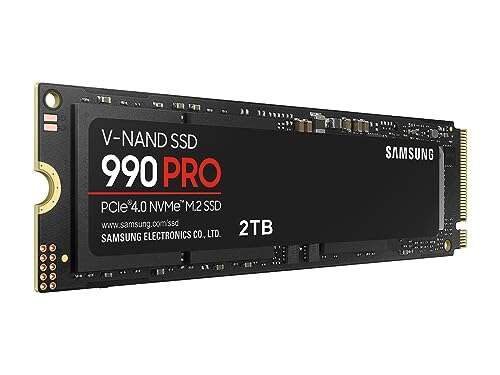
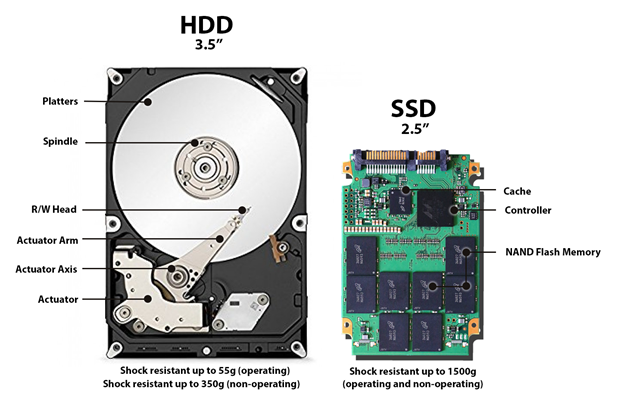
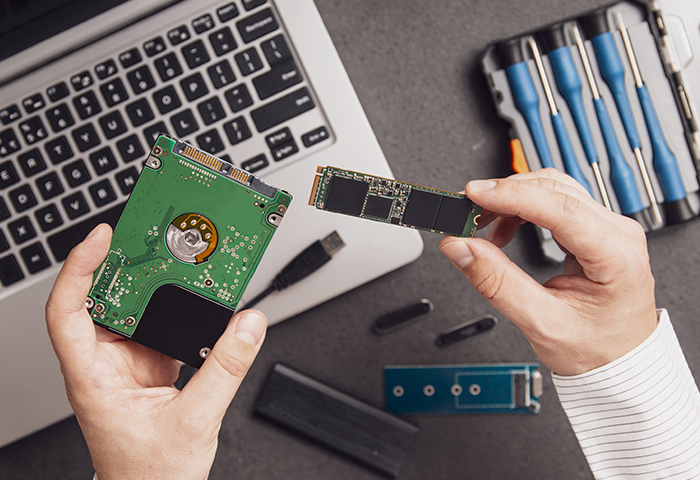
Solid-state drives (SSD) store data on flash memory. They have no moving parts. That makes them fast, quiet, and shock-resistant.
Hard disk drives (HDD) store data on spinning platters. A read/write head moves to access data. That design is older but cost-effective for large storage.
If you ask "should i get ssd or hdd" the first step is to know these basic differences. SSDs use NAND flash and controllers. HDDs use mechanical parts and magnetic media. Both can store the same file types and work in most PCs.

Speed and performance: why SSDs feel faster
SSDs beat HDDs in real-world tasks. Examples:
- Boot time starts in seconds on SSDs. HDD boots often take much longer.
- Programs and files open almost instantly on SSDs.
- Random reads and writes are far faster on SSDs, which helps multitasking and databases.
When deciding "should i get ssd or hdd" for speed, SSDs are the clear winner. NVMe SSDs on PCIe lanes give the fastest speeds. SATA SSDs still outpace HDDs by a wide margin.
PAA-style question: How much faster is an SSD than an HDD?
SSDs can be 3 to 20 times faster in everyday tasks. For random I/O and boot times, the difference is most noticeable.
Capacity and cost: where HDDs still matter
HDDs offer more gigabytes per dollar. Typical use cases:
- Bulk photo, video, and backup archives
- Cheap larger drives for home NAS and media servers
- Long-term cold storage where access speed is not critical
If you ask "should i get ssd or hdd" and your budget is tight or you need many terabytes, HDDs often make sense. Prices change, but HDDs remain the budget option for high capacity.
Durability, lifespan, and reliability
SSDs have limited write cycles measured as TBW (terabytes written). Modern SSDs have high TBW and last many years for most users. They also handle shock and drops better.
HDDs can fail due to mechanical wear, drops, or motor issues. They may be more predictable in long-term writes but are vulnerable to impact.
When thinking "should i get ssd or hdd," weigh durability needs: portable laptops benefit from SSDs. For static, cooled servers, HDDs are common.

Power, noise, and heat
SSDs use less power and produce less heat. They are silent since there are no moving parts.
HDDs use more power and spin constantly, producing noise and heat. This impacts laptop battery life and quiet workspaces.
If you wonder "should i get ssd or hdd" for a laptop or quiet office, SSD is the right choice.
Use cases: match drive type to tasks
Here are practical recommendations based on common needs:
- Laptops for daily use
- Choose SSD for speed, battery life, and durability.
- Gaming rigs
- Choose SSD for fast load times; use an HDD for large game libraries if needed.
- Video editing and content creation
- Use NVMe SSDs for active projects and HDDs for archival storage.
- NAS and backups
- HDDs for large backups; consider SSD cache if using a NAS that supports it.
- Budget desktop for storage
- HDD for mass storage; add a small SSD for OS/apps if possible.
From my experience upgrading dozens of laptops, a 500 GB SSD plus a larger HDD often gives the best balance for many users.
Personal experience and practical tips
I upgraded a 5-year-old laptop from a 5400 RPM 1 TB HDD to a 1 TB NVMe SSD. Boot time dropped from about 90 seconds to 8 seconds. Everyday apps opened instantly. That change felt like getting a new machine.
Lessons learned:
- Clone the OS if you want a quick swap, but always have a backup.
- Check laptop drive interfaces before buying (M.2 NVMe vs SATA).
- Use an SSD for OS and apps, HDD for mass files if you need both.
These hands-on tips will help if you still ask "should i get ssd or hdd" after the theory.
How to choose: a simple checklist
Follow these steps to decide:
- Define your top need: speed, capacity, or price.
- Check your device: available slots, form factors, and interfaces.
- Pick sizes: common SSDs are 256 GB to 2 TB; HDDs go 1 TB to 16 TB.
- Consider hybrid setups: SSD for OS, HDD for archive.
- Budget for backups: always keep critical files on a second drive or cloud.
If you still ask "should i get ssd or hdd" this checklist will narrow your choice quickly.
Upgrading and migration basics
Steps to upgrade without stress:
- Back up everything to an external drive or cloud.
- Clone the existing disk to the new SSD using cloning software, or clean install the OS.
- Physically install the new drive. For laptops, check screw sizes and caddy needs.
- Verify the BIOS/UEFI recognizes the drive and set boot order.
Form factors matter:
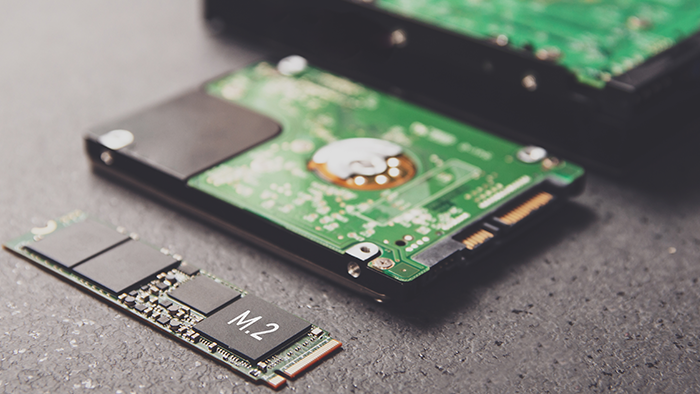
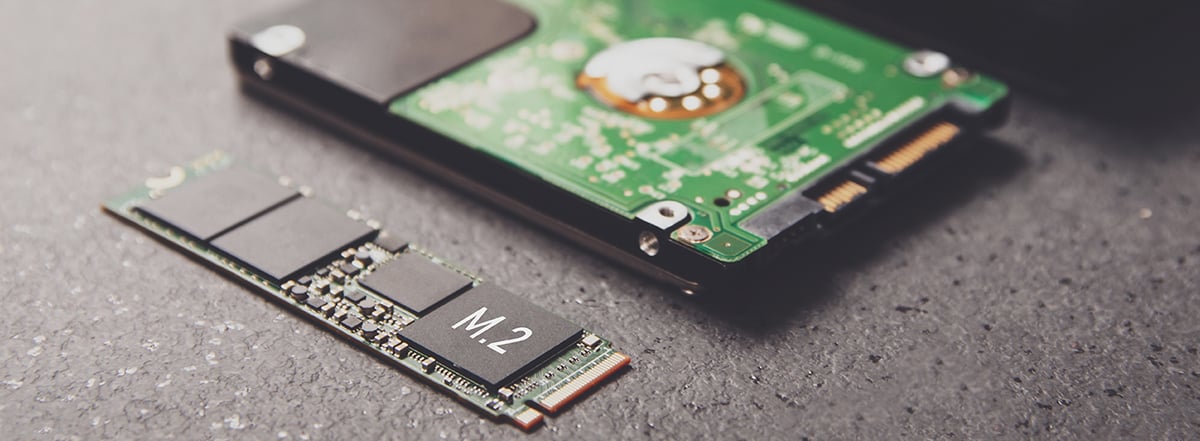
- M.2 NVMe: very fast, small, and common in modern laptops.
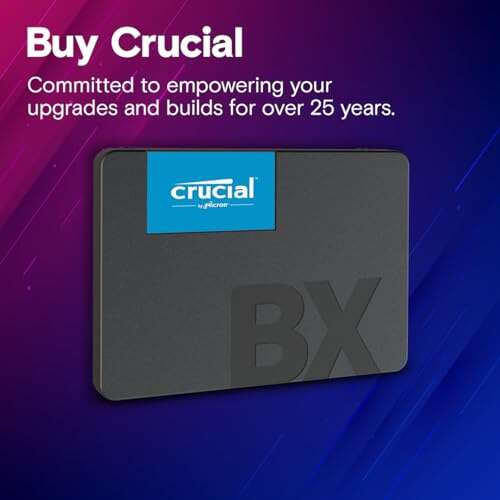
- 2.5 inch SATA: fits many laptops and desktops.
- 3.5 inch HDD: standard for desktops and NAS.
If you ask "should i get ssd or hdd" and plan to upgrade, this migration plan will make it smooth.
Pros and cons at a glance
SSDs
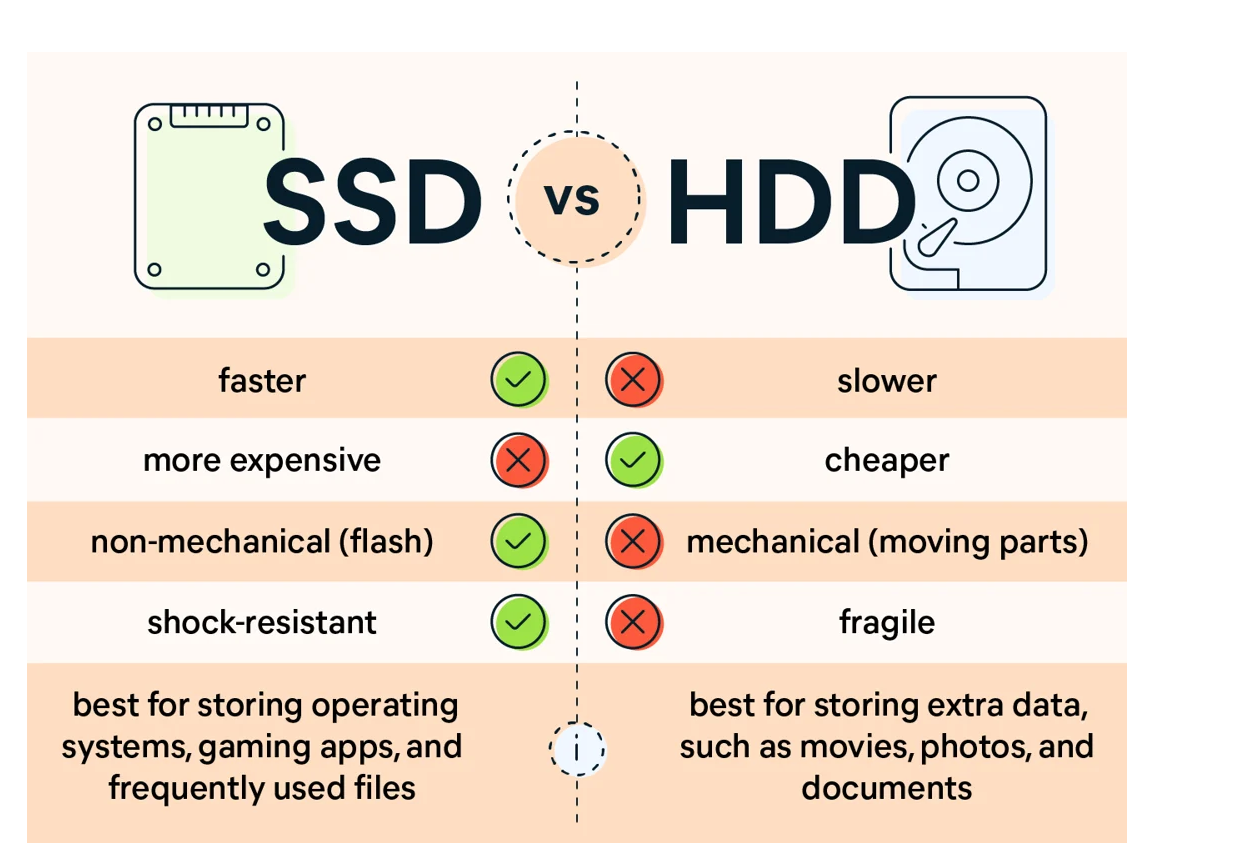
- Pros: fast, quiet, low power, shock-resistant.
- Cons: higher cost per GB, write-cycle limits (practical life is long).
HDDs
- Pros: cheap per GB, plenty of capacity.
- Cons: noisy, slower, fragile if dropped.
Knowing these pros and cons helps answer "should i get ssd or hdd" for your exact needs.
Frequently Asked Questions about should i get ssd or hdd
Will an SSD make my old laptop feel new?
Yes. An SSD typically speeds up boot, app launch, and general responsiveness. For many older machines, it delivers the biggest perceived upgrade.
Is an HDD still useful in 2026?
Yes. HDDs remain useful for backups, large media libraries, and budget storage needs. They are cost-effective for multi-terabyte storage.
Can I mix an SSD and HDD in one PC?
Yes. Use an SSD for the operating system and programs, and an HDD for large files and backups. This hybrid setup balances speed and cost.
How long do SSDs last compared to HDDs?
Modern SSDs last many years under normal use due to improved endurance. HDDs can also last years but are more prone to mechanical failure. Both need backups.
Is NVMe worth the extra cost over SATA SSD?
If you need maximum speed for tasks like video editing or heavy file transfers, NVMe is worth it. For general use, a SATA SSD still delivers major improvements over HDDs.
Conclusion
Choosing between SSD and HDD comes down to priorities. Pick SSD for speed, battery life, and reliability in portable or performance-focused systems. Pick HDD for the cheapest cost per gigabyte when you need lots of storage. A combined SSD for OS and an HDD for bulk storage often offers the best balance.
Take action now: list your needs, check your device's drive slots, and choose the setup that matches your budget and use. If you’re unsure, start with an SSD for the system drive — it’s the change most users notice first. Share your setup or questions below and I’ll help you choose.

Jamie Lee is a seasoned tech analyst and writer at MyTechGrid.com, known for making the rapidly evolving world of technology accessible to all. Jamie’s work focuses on emerging technologies, product deep-dives, and industry trends—translating complex concepts into engaging, easy-to-understand content. When not researching the latest breakthroughs, Jamie enjoys exploring new tools, testing gadgets, and helping readers navigate the digital world with confidence.