DSLR cameras are best for high-quality still photos, interchangeable-lens shooting, long sessions, and hands-on control. In the United States, they remain useful for portraits, weddings, school sports, wildlife, landscapes, studio work, and photography classes.
A DSLR may be a strong choice if you want an optical viewfinder, long battery life, a wide lens selection, and clear control over focus, exposure, and image quality. It may not be the best fit for silent shooting, advanced video, or a very small travel kit. Mirrorless cameras now lead in several of those areas.

What Is a DSLR Camera?
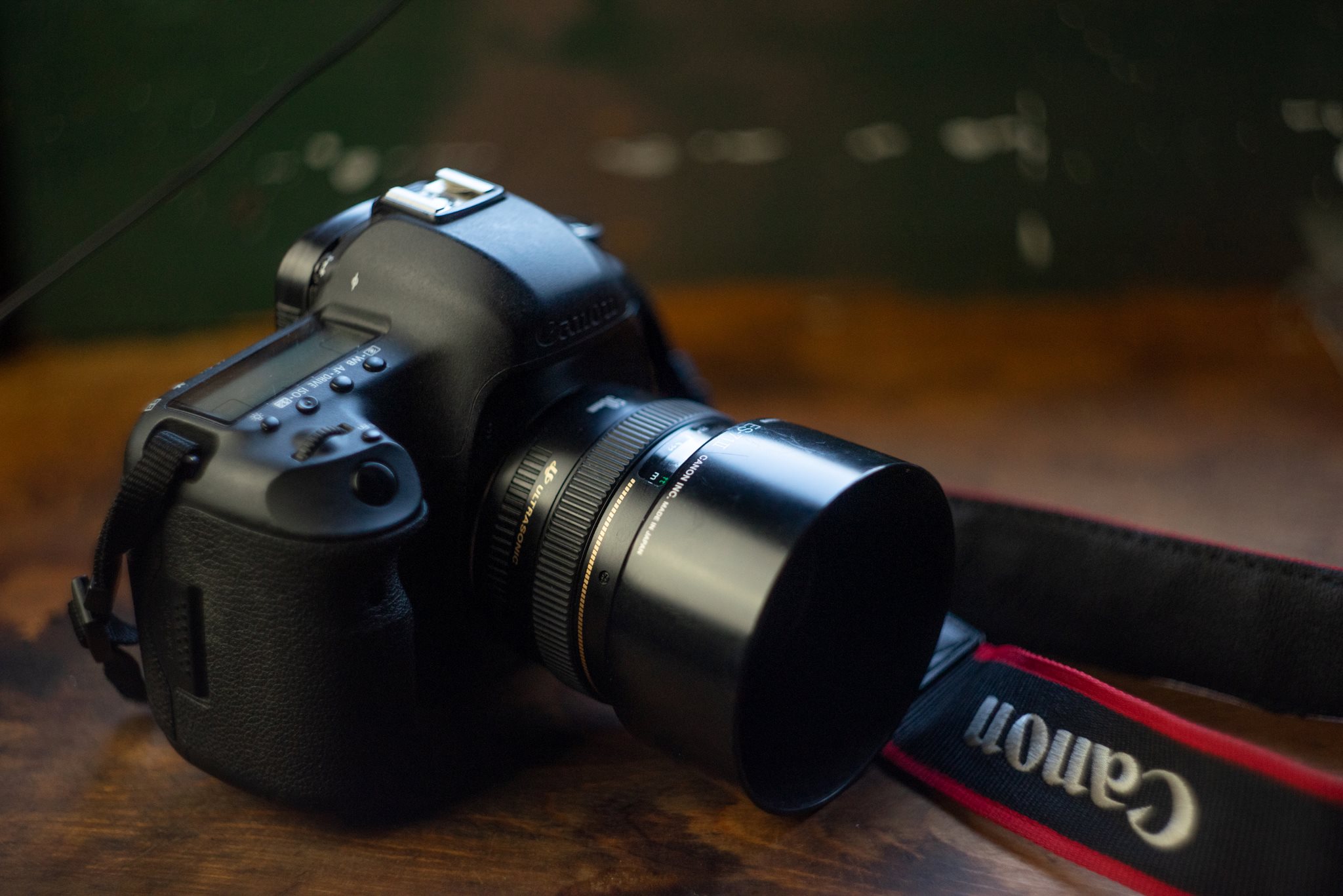
A DSLR, or digital single-lens reflex camera, uses a mirror and a prism to send light from the lens to an optical viewfinder. When you take a photo, the mirror moves up so light can reach the digital sensor.
This design gives a DSLR a direct, real-time view through the lens. The viewfinder does not need to show an electronic screen image. You see the scene with your eyes through the lens itself.
Most DSLRs include these core parts:
- A digital image sensor
- An interchangeable lens mount
- A reflex mirror
- An optical viewfinder
- A shutter
- Manual exposure controls
- An autofocus system
- A battery and memory card
The two most common DSLR sensor types are APS-C and full frame. APS-C cameras often cost less and weigh less. Full-frame cameras use a larger sensor and may offer better low-light performance, wider dynamic range, or more control over background blur, depending on the model and lens.
A DSLR is not the same as a point-and-shoot camera. You can change the lens, set the shutter speed, control the aperture, and adjust the ISO. These controls make it easier to shape the final image instead of relying only on automatic settings.
What Are DSLR Cameras Best For?
DSLR cameras are best for photographers who value still-image quality, lens choice, battery life, and direct control. They work especially well when the camera will be used for planned shoots or long sessions.
Portrait photography
DSLR cameras are well suited to portraits because they support a wide range of lenses. A short telephoto lens, such as an 85mm lens on a full-frame camera, can help create a natural perspective and soft background.
A DSLR also gives you control over:
- Aperture and background blur
- Skin tones and exposure
- Flash power
- Focus points
- Lens perspective
- Image file type
Portrait photographers can use a wide aperture to separate a person from the background. The result depends on the lens, distance, sensor size, and lighting—not just the camera body.
For studio portraits, a DSLR can also connect to external flashes, softboxes, light meters, and wireless triggers. Many older DSLR systems have broad accessory support, which can be useful for photographers building a kit over time.
Landscape photography
DSLRs are strong tools for landscapes because they can produce detailed files and work with wide-angle, telephoto, and specialty lenses.
A landscape photographer may use:
- A wide-angle lens for large scenes
- A telephoto lens to isolate distant features
- A tripod for slow shutter speeds
- A polarizing filter to reduce some reflections
- A graduated filter for bright skies
- Manual focus for careful framing
the optical viewfinder can be useful in bright sunlight. It does not suffer from screen glare in the same way as a rear display or electronic viewfinder.
For landscape work, camera resolution matters, but technique matters just as much. A stable tripod, careful focus, good light, and accurate exposure can have a greater effect than a small difference in megapixels.
Wildlife photography
DSLR cameras can be very effective for wildlife photography when paired with a long lens. Their strong battery life and optical viewfinders are useful during long periods outdoors.
A wildlife setup may include:
- An APS-C DSLR for extra reach from its smaller sensor field of view
- A telephoto zoom lens
- A fast shutter speed
- Continuous autofocus
- High-speed burst shooting
- A sturdy monopod or tripod
The smaller sensor in an APS-C DSLR does not truly increase the focal length of a lens. It gives the lens a narrower field of view. This can make a distant animal fill more of the frame, but it also changes how wide the scene appears.
Modern mirrorless cameras often offer stronger subject detection and live-view autofocus. Still, a DSLR can perform well for wildlife when the photographer understands the autofocus system and uses a suitable lens.
Sports and action photography
DSLR cameras are best for sports when they offer reliable autofocus, a fast shutter, and a useful burst rate. A long lens is often more important than the camera body because the photographer may need to work from the edge of a field, court, or track.
For action photos, use:
- A shutter speed fast enough to reduce subject movement
- Continuous autofocus
- A focus area suited to the subject
- A telephoto lens
- A fast memory card
- Enough battery power for the event
A shutter speed around 1/1000 second may help freeze fast outdoor action, but the right setting depends on the sport, lighting, lens, and desired motion blur. Indoor sports may require a wider aperture or higher ISO.
Mirrorless cameras now offer advantages in some action situations, such as subject recognition and electronic viewfinder previews. A DSLR remains a practical choice if you already own compatible lenses and know how to use its autofocus system.
Weddings and events
DSLRs have long been popular for weddings, concerts, graduations, and other events. They can provide dependable image quality in changing light and support two memory card slots on some professional bodies.
They are useful for event work because they offer:
- Fast lens changes
- External flash support
- Strong battery life
- Manual exposure control
- Quiet, low-light lenses
- Wide and telephoto lens options
A backup body is important for paid events. A spare battery, memory card, and flash can also reduce the impact of equipment failure.
Some DSLRs can be loud because of the mirror and shutter mechanism. For a quiet ceremony, a mirrorless camera with an electronic shutter may be a better fit. Electronic shutters have their own limits, including possible distortion with fast motion or certain artificial lights.
Studio and product photography
DSLR cameras are very good for studio work because studio photography often uses controlled light, a fixed setup, and deliberate composition.
A studio photographer may value:
- Manual exposure
- Tethered shooting
- Flash synchronization
- High-resolution files
- A wide lens selection
- Consistent color and focus
Product photography does not always require the newest camera. A stable tripod, even lighting, a suitable lens, and accurate color control may matter more.
DSLRs can also work well for food photography, catalog images, real estate photos, and small-business content. A wide lens can help with interiors, but the photographer must avoid excessive distortion and tilted vertical lines.
Learning photography
DSLRs are useful for students and new photographers who want to understand how photography works. The physical controls make the link between settings and results easy to see.
A beginner can learn how these settings affect an image:
- Aperture: Controls lens opening and affects depth of field.
- Shutter speed: Controls exposure time and affects motion blur.
- ISO: Changes sensor sensitivity and can increase image noise.
- Focal length: Changes the angle of view and apparent perspective.
- Focus mode: Determines how the camera tracks or locks focus.
A DSLR does not make learning automatic. It can, however, provide a clear path from automatic modes to manual exposure.

Why Do Photographers Still Choose DSLRs?
The main reasons are the optical viewfinder, battery life, lens availability, handling, and lower used-market prices.
Optical viewfinder
An optical viewfinder shows the real scene through the lens. It has no electronic display delay and does not need to simulate exposure.
This can feel natural when tracking moving subjects. It also avoids the electronic viewfinder battery drain found in mirrorless cameras. However, an optical viewfinder cannot preview the final exposure, white balance, or picture style in the same way an electronic viewfinder can.
Long battery life
Many DSLRs can take a large number of photos on one battery, especially when the rear screen is used less often. This helps during:
- Long hikes
- Weddings
- Sports events
- Travel days
- Outdoor wildlife sessions
Battery performance varies by model, temperature, autofocus use, flash use, and live-view operation. Carrying a spare battery is still wise.
Broad lens and accessory support
Popular DSLR systems from Canon and Nikon have large lens markets in the United States. Pentax also supports DSLR users with its own camera and lens system.
A used DSLR may work with older lenses, but compatibility is not always simple. Check the exact camera mount, autofocus support, exposure control, and sensor coverage before buying.
A full-frame lens can usually work on a camera with an APS-C sensor, though the field of view becomes narrower. An APS-C lens may not cover a full-frame sensor without dark corners or a crop mode.
Strong handling and physical controls
Many DSLRs have a deep grip, clear buttons, and a top display. These features can help photographers change settings without taking the camera away from the eye.
The larger body can also balance better with a long telephoto lens. The trade-off is weight. A DSLR and lens kit may be less comfortable for long walks than a smaller mirrorless or fixed-lens camera.
Lower purchase cost on the used market
Used DSLRs can offer strong value because many photographers have moved to mirrorless systems. A used body may cost much less than a new camera with similar basic image quality.
Before buying used, check:
- Shutter count, if available
- Sensor condition
- Lens mount condition
- Battery health
- Autofocus performance
- Memory card slots
- LCD and viewfinder condition
- Signs of water or impact damage
- Return policy from the seller
A low price does not make a damaged camera a good deal. A tested camera from a reputable used dealer may be safer than the cheapest private listing.

DSLR vs. Mirrorless: Which Is Better for Your Use?
Neither camera type is best for every photographer. The right choice depends on what you shoot, what lenses you own, and how much size matters.
| Need | DSLR strength | Mirrorless strength |
|---|---|---|
| Optical viewing | Direct view with no electronic display | Electronic preview of exposure and color |
| Battery life | Often longer during viewfinder use | Often shorter, model dependent |
| Size and weight | Often larger and heavier | Often smaller and lighter |
| Video | Usable, but live-view limits vary | Usually stronger autofocus and video tools |
| Silent shooting | Mechanical operation can be audible | Electronic shutter options are common |
| Used value | Often strong | Varies by model and lens system |
| Long lenses | Stable handling and broad used market | Newer autofocus and lens designs may help |
| Learning basics | Clear physical controls | Immediate exposure preview can help |
Choose a DSLR if you already own DSLR lenses, prefer an optical viewfinder, want long battery life, or find a good used kit.
Choose mirrorless if you want a smaller system, strong video tools, silent shooting, an electronic viewfinder, or newer subject-detection features.
Choose a smartphone if convenience, sharing, and pocket size matter more than lens control and optical reach.
The camera type matters less than the complete system. A camera body is only one part of the result. The lens, light, shooting position, focus technique, and editing choices also shape the image.

Are DSLRs Good for Video?
DSLRs can record good video, but they are usually not the easiest choice for modern video work.
A DSLR may work well for:
- Interviews from a fixed position
- Short films
- Basic YouTube videos
- Product demonstrations
- Time-lapse projects
- Controlled studio scenes
Common limits include weaker live-view autofocus, limited recording features, no built-in stabilization on some bodies, and less convenient monitoring. Some models also have recording time limits or heat limits.
For handheld video, a camera with reliable continuous autofocus, image stabilization, a microphone input, a headphone output, and a fully articulating screen may be more useful. These features vary by model, so check the manual before purchase.
If your main goal is video, compare a DSLR with current mirrorless cameras and dedicated camcorders. Do not buy a DSLR only because it has a large sensor or interchangeable lenses.

Are DSLRs Good for Travel?
DSLRs are good for travel when image quality and lens choice matter more than low weight.
They can be a good fit for:
- Road trips
- National park photography
- Planned city photography
- Family trips with room for a camera bag
- Travel focused on wildlife or landscapes
They may be a poor fit for:
- Lightweight airline travel
- Long urban walks
- Backpacking with strict weight limits
- Discreet street photography
- Trips where you want to use only one small device
A travel DSLR kit can stay manageable with one camera body and a versatile zoom lens. Carrying several lenses adds creative options but increases weight and the chance of damage or loss.
Protect the camera from rain, sand, extreme heat, and rapid temperature changes. When moving from a cold outdoor setting into a warm building, condensation can form. Keep the camera in a closed bag until it warms gradually.
How to Choose a DSLR for Your Needs
Start with the subject, not the megapixel count. The best DSLR for portraits may not be the best one for wildlife or video.
Match the camera to the subject
| Main use | Features to prioritize |
|---|---|
| Portraits | Lens selection, flash support, good high-ISO files |
| Landscapes | Resolution, dynamic range, tripod and remote support |
| Wildlife | Autofocus tracking, telephoto lens support, battery life |
| Sports | Fast autofocus, burst speed, buffer capacity |
| Weddings | Low-light performance, dual card slots, flash support |
| Studio work | Tethering, flash control, resolution, color control |
| Travel | Weight, battery life, weather protection, versatile lens |
| Beginner learning | Manual controls, clear menus, affordable lenses |
These categories overlap. A single DSLR can handle many subjects when paired with the right lens and settings.
Choose the sensor size
An APS-C DSLR is often a sensible choice for beginners, students, and wildlife photographers who want a smaller body or lower cost.
A full-frame DSLR may suit photographers who need:
- Wider views with wide-angle lenses
- Strong low-light performance
- More background blur with the same framing
- High-resolution files for large prints
- A professional lens system
A larger sensor does not guarantee better photos. It usually changes the trade-offs in size, cost, depth of field, and low-light performance.
Budget for the lens
The lens often affects the image more than a modest difference between camera bodies. Set aside money for the lens, battery, memory card, and protection.
A basic kit might include:
- DSLR body
- Standard zoom lens
- Spare battery
- Memory card
- Camera bag
- Simple tripod
Add a prime lens for portraits, a wide-angle lens for landscapes, or a telephoto lens for wildlife only when your subjects require it.
Check the system before buying
Before purchasing a DSLR, confirm:
- Which lens mount it uses.
- Whether the lens provides autofocus on that body.
- Whether the lens covers the sensor size.
- Whether batteries and chargers are still available.
- Whether the camera supports your preferred flash or remote.
- Whether the memory card format is easy to find.
- Whether the seller offers a return period.
The camera body may be inexpensive, but replacing several lenses later can cost much more. Think about the full system rather than one bargain item.

Common DSLR Mistakes to Avoid
Many poor results come from setup or technique, not from the camera itself.
Buying the body without checking lenses
A camera body is not useful without compatible lenses. Check the mount and sensor coverage first.
Using the wrong shutter speed
A slow shutter speed can blur a moving person or animal. A fast shutter speed can require a higher ISO or wider aperture. Set the shutter speed based on subject movement, not only on how bright the scene looks.
Expecting automatic mode to solve every problem
Automatic modes can work well in simple light. They may struggle with backlighting, fast motion, dark scenes, or subjects that blend into the background.
Use exposure compensation when the camera makes the subject too bright or too dark. Move to manual settings when you need repeatable results.
Ignoring the lens
A kit lens may be useful, but it cannot replace a long telephoto lens for distant wildlife or a wide-aperture lens for strong background blur.
Failing to back up photos
Memory cards can fail, be lost, or become corrupted. Copy important photos to a computer and a separate backup drive. For paid work, use a backup plan before the event begins.
Buying an old camera without checking support
An older DSLR may still produce excellent photos. It may also have worn batteries, outdated wireless features, limited video tools, or a difficult-to-find charger.
Ask whether the camera meets your current needs before assuming age alone makes it a bargain.

DSLR Pros and Cons at a Glance
A DSLR makes the most sense when its strengths match your work.
Advantages
- Optical viewfinder with a direct view
- Often strong battery life
- Wide selection of new and used lenses
- Manual controls for learning and creative work
- Good still-photo quality
- Comfortable handling with large lenses
- Strong used-market value
- Broad support for flashes and accessories
Disadvantages
- Usually larger and heavier than a comparable mirrorless camera
- Mechanical mirror and shutter can make noise
- Live-view autofocus may be less advanced
- Video features vary and may feel dated
- New lens development may focus more on mirrorless systems
- Some older models lack modern wireless and connectivity tools
- Used equipment may have wear or limited support
The key trade-off is simple: DSLRs favor optical viewing, battery life, and a mature lens market, while mirrorless cameras often favor smaller designs, electronic previews, video, and newer autofocus tools.

Frequently Asked Questions
Are DSLR cameras still worth buying?
Yes, if you want a capable still camera at a lower used price, prefer an optical viewfinder, or already own compatible lenses. A DSLR is less attractive if you need the newest autofocus, advanced video, or the smallest possible kit.
Are DSLRs better than phone cameras?
DSLRs are better when you need interchangeable lenses, optical reach, manual control, fast flash work, or large files for editing and printing. Phones are better for convenience, automatic processing, quick sharing, and carrying almost no extra weight.
Are DSLR cameras good for beginners?
Yes. A DSLR can teach aperture, shutter speed, ISO, focus, and lens choice. A beginner should select an affordable body with a reliable standard lens rather than spend most of the budget on a professional body.
What lens should I buy first for a DSLR?
Start with a standard zoom if you want flexibility. Choose a wide-aperture prime lens if you mainly shoot portraits, indoor scenes, or low-light subjects. Choose a telephoto zoom if you photograph sports, wildlife, or distant subjects.
How long can a DSLR last?
A DSLR can last for many years when stored dry, protected from impact, and maintained properly. The shutter, battery, buttons, and card slots can wear over time. Used-camera condition and repair support matter more than age alone.
Should I buy a DSLR or mirrorless camera?
Buy a DSLR if you value an optical viewfinder, long battery life, low used prices, and existing DSLR lenses. Buy mirrorless if you value small size, silent shooting, modern video, electronic exposure previews, or newer autofocus features.
Final Recommendation
DSLR cameras are best for still photography with interchangeable lenses and hands-on control. They are especially useful for portraits, landscapes, wildlife, sports, weddings, studio work, and learning photography.
Choose one when its strengths fit your priorities. If you need quiet operation, advanced video, a compact kit, or the newest autofocus features, compare mirrorless cameras before deciding.
Your next step is to name your main subject, set a total budget for the body and lens, and check the full lens system before buying.

Everett Ashford is a tech reviewer at mytechgrid.com specializing in SSDs, cameras, TVs, earbuds, headphones, and other consumer electronics. He provides honest, data-driven reviews based on hands-on testing and real-world performance analysis. Everett simplifies complex tech details to help readers make smart, confident buying decisions.