For buyers in the United States, the newest Canon cameras include the Canon EOS R50 V, Canon PowerShot V1, Canon EOS R1, and Canon EOS R5 Mark II. Canon also has newer cinema cameras, such as the EOS C80 and EOS C400.
The right model depends on what you shoot:
- Best new Canon camera for pro sports and news: EOS R1
- Best new high-resolution hybrid camera: EOS R5 Mark II
- Best new camera for creators and video: EOS R50 V
- Best new compact Canon camera: PowerShot V1
- Best new Canon cinema camera for many productions: EOS C80
Canon releases cameras for different users, so “newest” does not always mean “best.” A full-frame sports camera may be a poor fit for a travel vlogger, while a small creator camera may not suit a wedding photographer.
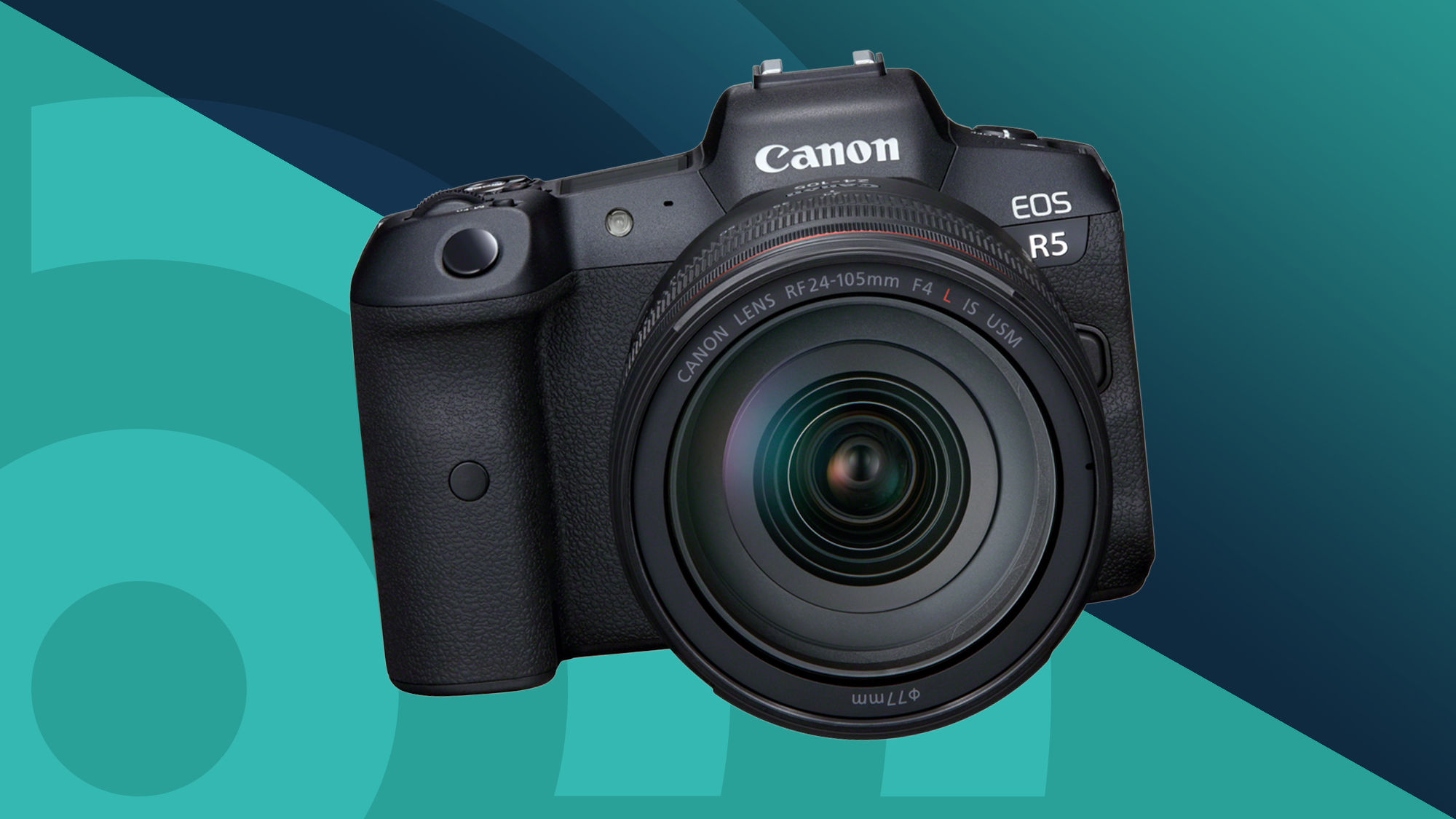


The newest Canon cameras in the United States
The table below lists Canon’s most recent major camera releases and their main uses. Release timing can vary by retailer, stock level, and Canon USA availability.
| Camera | Camera type | Sensor format | Best suited to |
|---|---|---|---|
| Canon EOS R50 V | Mirrorless creator camera | APS-C | YouTube, streaming, short-form video, beginner creators |
| Canon PowerShot V1 | Fixed-lens compact camera | 1.4-inch type | Travel video, vlogging, family clips |
| Canon EOS R1 | Professional mirrorless camera | Full frame | Sports, news, action, fast assignments |
| Canon EOS R5 Mark II | High-resolution mirrorless camera | Full frame | Commercial work, landscape, weddings, hybrid photo/video |
| Canon EOS C80 | Cinema camera | Full frame | Film, television, documentary, commercial video |
| Canon EOS C400 | Cinema camera | Full frame | Professional cinema and broadcast production |
The EOS R50 V and PowerShot V1 are the newest Canon models aimed at everyday creators. The EOS R1 is Canon’s flagship stills camera, while the EOS R5 Mark II offers a higher-resolution sensor and broader hybrid use.
Canon’s cinema cameras follow a separate product line. They are not direct alternatives to the EOS R1 or EOS R5 Mark II because they use different bodies, controls, recording systems, and workflows.

Canon EOS R50 V: the newest Canon camera for creators
The Canon EOS R50 V is a small APS-C mirrorless camera designed around video creation. It uses Canon’s RF lens mount, so it can use RF and RF-S lenses. With the correct adapter, it can also use many EF and EF-S lenses.
Its main features include:


- A 24.2-megapixel APS-C sensor
- 4K video recording
- 4K video at up to 60 frames per second with a crop
- Canon Log 3 for compatible video workflows
- A fully articulating screen
- A front-facing record button
- A built-in tally lamp
- Vertical-video support
- USB streaming and webcam functions
- Interchangeable lenses
The R50 V is different from the standard EOS R50. The standard R50 is a general-purpose entry-level mirrorless camera with an electronic viewfinder. The R50 V places more emphasis on video controls and creator tools.
Who should buy the EOS R50 V?
The R50 V makes sense for a US buyer who wants to create:
- YouTube videos
- TikTok and instagram clips
- Product reviews
- Live streams
- Interviews
- Travel videos
- Educational videos
- Vertical social content
Its interchangeable lens system gives it more room to grow than a fixed-lens compact camera. You can start with a small kit lens, then add a wide lens for indoor work or a bright lens for portraits.
Limits to consider
The R50 V has an APS-C sensor, not a full-frame sensor. That is not a flaw, but it affects lens angle, low-light performance, and background blur.
The 4K60 mode also uses a crop. This narrows the view compared with 4K30. For indoor filming, a wide lens may be helpful. Buyers should also check the lens field of view before choosing a camera for small rooms.
The R50 V is mainly a video camera for creators. Photographers who rely on an electronic viewfinder may prefer the standard EOS R50 or a higher model in Canon’s lineup.

Canon PowerShot V1: the newest compact Canon camera
The Canon PowerShot V1 is a fixed-lens compact camera made for video creators who want a simple setup. It has a built-in lens, so you do not need to buy or change lenses.
Its key features include:
- A 1.4-inch type sensor
- A built-in wide-angle zoom lens
- A 16–50mm equivalent field of view for video
- Optical image stabilization
- A built-in microphone
- A cooling fan
- A fully articulating screen
- 4K video recording
- Slow-motion recording in Full HD
- A built-in neutral-density filter
The built-in lens is one of the camera’s main advantages. It gives the V1 a useful range for talking-head video, travel clips, and handheld shooting. The wide end helps when you hold the camera at arm’s length.
Who should buy the PowerShot V1?
The V1 is a strong fit for people who want:
- A small camera for travel
- A simple vlogging setup
- Better video control than a phone
- A built-in microphone and screen
- No lens-shopping process
- A compact camera for family or personal projects
It may also suit creators who move often. A fixed lens removes one common source of dust, missed shots, and extra cost.
PowerShot V1 versus EOS R50 V
The choice is straightforward:
- Choose the PowerShot V1 for the smallest, simplest kit.
- Choose the EOS R50 V for interchangeable lenses and a larger APS-C sensor.
- Choose the V1 if you want to start filming with no lens purchase.
- Choose the R50 V if you expect your skills and lens needs to grow.
The V1 is not a full replacement for an interchangeable-lens camera. Its lens and sensor are fixed. That makes it easy to use, but less flexible over time.


Canon EOS R1: the newest flagship Canon camera
The Canon EOS R1 is Canon’s flagship full-frame mirrorless camera. It is built for professional action, sports, press, and event work where speed, autofocus, and reliability matter more than very high resolution.
Important features include:
- A 24.2-megapixel full-frame stacked sensor
- Up to 40 frames per second for still images
- Electronic and mechanical shutter options
- Advanced subject detection
- Eye-control autofocus selection
- 6K RAW video recording
- 4K video at high frame rates
- Dual card slots
- A rugged professional body
- A high-resolution electronic viewfinder
A stacked sensor reads image data quickly. In practice, that can reduce rolling-shutter distortion and help the camera respond quickly during fast action. It does not remove distortion in every situation, but it is useful for sports, cars, wildlife, and other moving subjects.
Who should buy the EOS R1?
The R1 is mainly for photographers who need:
- Fast bursts
- Reliable tracking autofocus
- Strong subject detection
- A durable professional body
- Dual-card recording
- A familiar Canon professional control layout
- Good high-ISO performance
It is especially relevant to professional sports and news photographers. For these users, a 24.2MP file can be enough, while the speed and autofocus system may matter more than extra resolution.
Why the R1 is not the best choice for everyone
The R1 has less resolution than the EOS R5 Mark II. That gives the R5 Mark II more room for cropping, large prints, and detailed landscape work.
The R1 also costs more than Canon’s enthusiast models. Its professional build and speed are valuable only if you need them. A casual photographer may get better value from a lower-priced EOS R model and an additional lens.

Canon EOS R5 Mark II: the newest high-resolution hybrid camera
The Canon EOS R5 Mark II is a full-frame mirrorless camera for photographers and filmmakers who need high resolution, fast performance, and advanced video features.
Its headline features include:
- A 45-megapixel full-frame stacked sensor
- Up to 30 frames per second with the electronic shutter
- 8K RAW video
- 4K video at high frame rates
- Subject-detection autofocus
- Eye-control autofocus selection
- An electronic viewfinder
- Dual card slots
- A magnesium-alloy body
- Compatibility with Canon RF lenses
The R5 Mark II sits between the R1 and Canon’s more specialized models. It has more resolution than the R1 and more speed than many traditional high-resolution cameras.
Who should buy the EOS R5 Mark II?
The R5 Mark II is a good match for:
- Wedding photographers
- Commercial photographers
- Landscape photographers
- Wildlife shooters who crop images
- Studio photographers
- Filmmakers who need 8K capture
- Hybrid shooters who take both photos and video
Its 45MP files can preserve fine detail, but large files also require more storage and faster computers. Buyers should budget for high-capacity memory cards, backup drives, and a capable editing system.
EOS R5 Mark II versus EOS R1
Choose the EOS R5 Mark II when resolution and cropping matter most. Choose the EOS R1 when speed, autofocus response, and professional action work matter most.
Neither camera is universally better. They solve different problems:


| Need | Better fit |
|---|---|
| Large prints | EOS R5 Mark II |
| Heavy cropping | EOS R5 Mark II |
| Fast sports work | EOS R1 |
| News assignments | EOS R1 |
| 8K production | EOS R5 Mark II |
| Maximum burst speed | EOS R1 |
| General hybrid use | EOS R5 Mark II |

New Canon cinema cameras: EOS C80 and EOS C400
Canon’s EOS C80 and EOS C400 are newer professional cinema cameras. They belong to Canon’s Cinema EOS line, not the regular EOS R mirrorless range.
Canon EOS C80
The EOS C80 is a compact full-frame cinema camera designed for professional video work. It supports internal RAW recording, advanced autofocus, professional audio, and cinema-focused connections.
It is suited to:
- Independent film
- Documentary work
- Commercial video
- Live production
- Gimbal work
- Small production crews
The C80 offers more dedicated video controls than a stills-focused mirrorless camera. It also supports professional accessories and production workflows that may be inconvenient on a basic mirrorless body.
Canon EOS C400
The EOS C400 is a full-frame cinema camera for larger and more demanding productions. It supports high-quality internal recording, professional monitoring, and broadcast-friendly workflows.
It is suited to:
- Television production
- Commercials
- Narrative film
- Documentary production
- Multi-camera work
- Professional crews
These cameras are usually excessive for casual YouTube work. They become more useful when a production needs professional audio, timecode, SDI, RAW workflows, or long recording sessions.
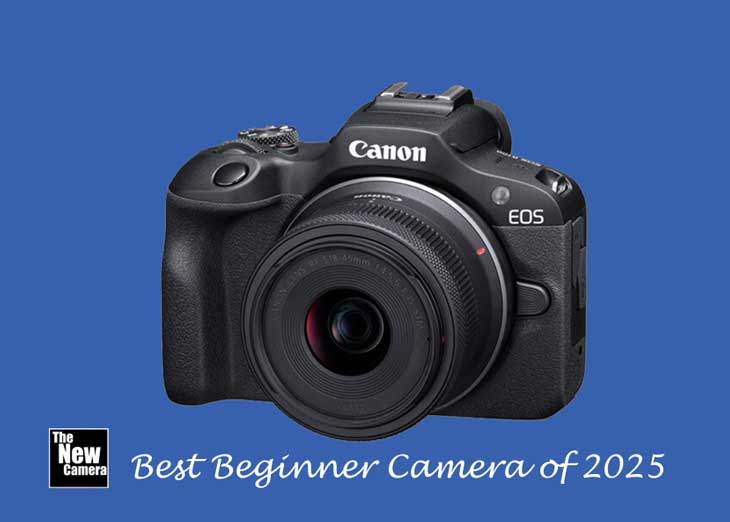
Which new Canon camera should you choose?
Start with your main subject and workflow rather than the release date.
Choose the Canon EOS R50 V if:
- You make online video.
- You want interchangeable lenses.
- You need a small creator camera.
- You want a front-facing screen and video controls.
- You are moving up from a phone or webcam.
Choose the Canon PowerShot V1 if:
- You want a fixed-lens camera.
- You value a simple setup.
- You travel often.
- You want a wide lens for handheld video.
- You do not want to buy extra lenses.
Choose the Canon EOS R1 if:
- You shoot professional sports.
- You photograph fast action.
- You need very fast bursts.
- You need a rugged body and dual cards.
- Your work depends on autofocus tracking.
Choose the Canon EOS R5 Mark II if:
- You need high-resolution stills.
- You shoot photos and video.
- You crop wildlife or sports images.
- You make large prints.
- You need 8K recording.
Choose the Canon EOS C80 or C400 if:
- You work on paid video productions.
- You need professional video connections.
- You use external audio and monitoring systems.
- You need cinema recording formats.
- Your camera must fit a crew-based workflow.

What should you check before buying a new Canon camera?
Check the lens system first. The EOS R50 V, EOS R1, and EOS R5 Mark II use Canon’s RF mount, while the PowerShot V1 has a built-in lens. A camera body is only one part of the system, and lenses often affect image quality, size, and cost more than the body.
Then check the recording mode you plan to use. A camera may support 4K or 8K, but different frame rates can change the crop, autofocus behavior, heat level, and storage needs.
Also check these points:
- Lens cost: A low-priced body can become expensive after adding lenses.
- Battery life: Video, high frame rates, and electronic viewfinders use more power.
- Storage: High-resolution video needs fast, large cards.
- Heat: Long video sessions may need cooling or shorter recording times.
- Stabilization: Lens stabilization and in-body stabilization are not the same.
- Autofocus: Confirm that the camera detects the subjects you actually shoot.
- Audio: Built-in microphones are useful, but serious work may need an external mic.
- Screen and viewfinder: Vloggers may prefer an articulating screen; photographers may prefer an electronic viewfinder.
- Warranty: Check Canon USA warranty terms and the seller’s return policy.
Do not buy based on resolution alone. A 45MP camera does not automatically produce better photographs if the lens, light, focus, or technique is poor.


Common mistakes when comparing the newest Canon cameras
Treating every “new” Canon camera as a direct rival
The EOS R1, PowerShot V1, and EOS C400 serve different users. Comparing them only by megapixels or video resolution can lead to a poor choice.
Ignoring lens costs
The R50 V body may look compact and affordable, but a creator may still need a wide lens, microphone, tripod, spare battery, and memory card. Estimate the full kit price before buying.
Confusing 4K30 with 4K60
Higher frame rates can introduce a crop or other limits. If you film in a small room, the crop may make the camera feel less wide than expected.
Buying professional features without a professional need
RAW video, 8K recording, and high burst rates can be useful. They also create larger files and more complex workflows. Choose them when they solve a real problem.
Forgetting the computer and storage
High-resolution photos and video can fill drives quickly. A camera upgrade may require faster storage, more backup space, and newer editing software.

Frequently asked questions about the newest Canon cameras
What is the newest Canon camera for beginners?
The Canon EOS R50 V is one of the newest Canon cameras aimed at beginners who want to make video. The PowerShot V1 is simpler because its lens is built in. For still photography, the standard EOS R50 may be a better fit than the R50 V because it includes a more traditional photo-camera design.
What is Canon’s newest flagship camera?
The Canon EOS R1 is Canon’s newest flagship mirrorless camera. It is designed mainly for professional sports, news, and action photographers. Its strengths are speed, autofocus, durability, and workflow reliability.
Is the Canon EOS R5 Mark II newer than the EOS R1?
No. Both were introduced in 2024, but the EOS R1 is Canon’s flagship model, while the EOS R5 Mark II is the higher-resolution hybrid model. The R5 Mark II is usually the better fit for detailed stills and 8K work.
Is the Canon PowerShot V1 good for photography?
It can take still photos, but its design favors video. The fixed lens and compact body make it useful for casual photographs, travel records, and family clips. Photographers who want interchangeable lenses and a viewfinder should consider an EOS R model instead.
Should I buy a new Canon camera or wait?
Buy now if the current model meets your needs and the camera solves a clear problem. Waiting makes sense if you do not need an upgrade, if the model is hard to find in the United States, or if you want to compare Canon’s next announcements. Camera prices and availability can change, so check Canon USA and authorized dealers before ordering.
Key takeaways
- The EOS R50 V is Canon’s newest creator-focused interchangeable-lens camera.
- The PowerShot V1 is Canon’s newest compact fixed-lens camera for video.
- The EOS R1 is the newest flagship for professional action photography.
- The EOS R5 Mark II is the stronger choice for high-resolution hybrid work.
- The EOS C80 and EOS C400 are newer cinema options for professional video crews.
- The best choice depends on lens needs, subject, recording mode, budget, and workflow—not release date alone.
Conclusion
The newest Canon camera for most creators is either the EOS R50 V or PowerShot V1. The R50 V offers more room to grow through interchangeable lenses, while the V1 keeps the setup small and simple.
For professional photographers, the choice is mainly between the fast EOS R1 and the high-resolution EOS R5 Mark II. Video professionals should look at the EOS C80 or EOS C400 instead.
Before buying, confirm current US availability, lens compatibility, memory-card needs, warranty coverage, and the exact recording modes you plan to use. That short check can matter more than choosing the newest model by name.

Everett Ashford is a tech reviewer at mytechgrid.com specializing in SSDs, cameras, TVs, earbuds, headphones, and other consumer electronics. He provides honest, data-driven reviews based on hands-on testing and real-world performance analysis. Everett simplifies complex tech details to help readers make smart, confident buying decisions.