The best running headphones are secure, sweat-resistant, comfortable, and safe enough to keep you aware of traffic.
Knowing what headphones are good for running depends on your route, phone, fit, and need for outside sound. After comparing open-ear, bone-conduction, and in-ear designs, I found that comfort and safety matter just as much as sound quality. This guide will help you choose with confidence, avoid common mistakes, and find headphones that stay put from your first mile to your final sprint.

What headphones are good for running?
The best headphones for running are not always the ones with the biggest bass or the most advanced noise cancellation. A good running pair should feel light, stay secure, handle sweat, and let you focus on your pace.
For most runners, these are the strongest choices:
• Shokz OpenRun Pro 2 for open-ear comfort, road awareness, and long runs
• Shokz OpenRun for a lighter and more affordable bone-conduction option
• Bose Ultra Open Earbuds for clear sound and excellent awareness of your surroundings
• Beats Fit Pro for runners who prefer a sealed in-ear fit and strong bass
• Jabra Elite 8 Active for a durable, secure in-ear design
• AirPods Pro 2 for iPhone users who want transparency mode, good sound, and useful controls
The right answer depends on where you run. Open-ear headphones are often best for roads, city sidewalks, and group runs. In-ear headphones can be better for gyms, treadmills, and quiet trails where outside noise is less important.

How to choose running headphones
When deciding what headphones are good for running, focus on practical features rather than a long list of technical terms. Your headphones should solve real problems, such as slipping, sweat, poor battery life, or blocked traffic noise.
1. A secure fit
Running creates repeated movement. Every foot strike sends a small shock through your body. Loose earbuds may slowly move, even if they feel secure while you stand still.
Look for:
• Ear hooks that wrap around the ear
• A flexible neckband
• Several ear tip sizes
• Wing tips that lock into the outer ear
• A light design that does not pull downward
Try the headphones with fast walking, stair climbing, and head turns. If they move during these simple tests, they may become annoying during a run.
2. Sweat and water resistance
Sweat can damage charging contacts, microphones, and internal circuits. Choose headphones with at least an IPX4 rating for basic sweat protection. A higher rating gives you more protection from rain and heavy sweat.
Water resistance does not mean waterproofing. Most running headphones should not be submerged unless the manufacturer clearly says they can handle it. Wipe them dry after use, and let them air out before placing them in the case.
3. Awareness of your surroundings
Traffic, bicycles, dogs, and other runners can appear quickly. Headphones that block every outside sound may increase risk when you run near roads.
Open-ear headphones play sound near, rather than inside, the ear canal. Bone-conduction headphones send sound through vibrations in the cheekbones. Both designs let you hear more of your environment than sealed earbuds.
Noise cancellation can be useful in a gym or on a treadmill. It is less suitable near traffic unless you use an awareness or transparency mode.
4. Battery life
A short battery can ruin a long run. Look for at least six hours of listening time, or choose a case that adds several full charges.
Remember that battery claims vary. High volume, phone calls, voice assistants, and noise cancellation can reduce play time. For marathon training, a pair with eight or more hours of battery life offers more comfort.
5. Comfort over long distances
A pair may feel fine for 20 minutes but become painful after 90 minutes. Test the headphones during an easy run before using them for a race.
Pay attention to:
• Pressure inside the ear canal
• Soreness behind the ears
• Heat around the ear
• Glasses or hat interference
• Skin irritation from rubber or plastic
Comfort is personal. Small earbuds may suit one runner, while an open-ear band may feel better for someone else.
6. Simple controls
Sweaty fingers make tiny touch controls hard to use. Physical buttons are often easier to operate while moving.
Useful controls include:
• Play and pause
• Volume adjustment
• Skip track
• Answer or reject calls
• Awareness mode
• Voice assistant access
Avoid changing settings while crossing a street. Stop first, then adjust the controls.
7. Stable Bluetooth performance
Bluetooth connection drops are rare with modern headphones, but they can still happen near crowded gyms, train stations, or large events. Choose a newer Bluetooth version and keep your phone in a stable pocket or running belt.
A watch with music storage can reduce the need to carry a phone. However, not every watch supports every headphone, so check compatibility before buying.

Best types of headphones for running
The best headphone style depends on your route and how much outside sound you need. Each type has clear benefits and limits.
Open-ear headphones
Open-ear headphones sit outside the ear canal. They use directed speakers to send sound toward the ear without sealing it.
Benefits include:
• Strong awareness of traffic and nearby people
• No pressure inside the ear canal
• Comfortable use for many runners
• Less concern about earwax or trapped moisture
The main limitation is sound leakage. People close to you may hear some music, especially at high volume. Bass may also feel less powerful than it does with sealed earbuds.
Bose Ultra Open Earbuds are a premium example. Their design sits beside the ear and delivers a wide, natural sound. They work well for runners who want to hear music while staying connected to the environment.
Bone-conduction headphones
Bone-conduction headphones rest near the cheekbones. They transmit vibrations through the bones instead of sending sound directly through the ear canal.
They are popular with runners because they leave the ears open. Shokz has become a leading name in this category, with models such as the OpenRun and OpenRun Pro 2.
Benefits include:
• Excellent awareness
• No ear tips to loosen or fall out
• Good comfort for long outdoor runs
• A secure fit around the head
Limitations include:
• Less deep bass than sealed earbuds
• Noticeable sound leakage at high volume
• Possible pressure near the temples or cheekbones
• Less immersive sound in loud places
Bone conduction is not automatically better than other designs. It is best for runners who value safety and awareness more than rich bass.
In-ear earbuds
In-ear earbuds fit inside the ear canal. They usually provide the strongest bass, the best passive noise isolation, and the smallest overall size.
They can be an excellent choice for treadmills, gyms, and quiet paths. They also tend to offer the best music detail for people who enjoy podcasts, audiobooks, or high-quality recordings.
The main issue is fit. If the ear tip does not match your ear, the earbud may slip, cause pressure, or block too much outside sound.
Beats Fit Pro uses ear wings to improve stability. Jabra Elite 8 Active also focuses on a secure fit and durable construction. AirPods Pro 2 offers strong transparency mode for people who want in-ear sound with more environmental awareness.
Over-ear headphones
Over-ear headphones usually sound excellent, but they are not ideal for most runners. They are heavy, warm, and more likely to move during fast exercise.
They can work for light walking or indoor cycling. For road running, their size and noise isolation can reduce awareness. Sweat may also shorten their life.

Best running headphones by use case
The answer to what headphones are good for running changes with your workout. A safe choice for a quiet trail may not be right for a busy city street.
Best for road running
Choose open-ear or bone-conduction headphones. They allow you to hear cars, bikes, horns, and people nearby.
Top options include:
• Shokz OpenRun Pro 2
• Shokz OpenRun
• Bose Ultra Open Earbuds
Keep the volume low enough to hear your surroundings. Even open-ear headphones can reduce awareness if the music is too loud.
Best for treadmill running
In-ear earbuds can work very well on a treadmill. You do not face traffic, and strong noise isolation can help you focus on music or a training podcast.
Good options include:
• Beats Fit Pro
• AirPods Pro 2
• Jabra Elite 8 Active
Noise cancellation can make a gym feel calmer. Still, keep one ear aware of announcements, equipment sounds, and people around you.
Best for trail running
Trail runners need to hear other runners, cyclists, animals, and changes in the terrain. Open-ear designs are often a smart choice.
Bone-conduction headphones can be especially useful on shared trails. They offer sound without fully closing off your ears.
On remote trails, keep your phone charged and consider carrying a small safety device. Headphones should support your run, not make you less prepared.
Best for runners who wear glasses
Glasses can affect the fit of ear hooks and neckbands. Try the headphones with your usual glasses before buying.
Small in-ear earbuds may be the easiest choice. Bose Ultra Open Earbuds can also work well for some glasses wearers, but the fit depends on the shape of your frames.
Best for long-distance training
Long runs require comfort, battery life, and reliable controls. A pair that feels slightly tight at mile one may become painful at mile 15.
Open-ear models are often comfortable for long outdoor sessions. If you prefer in-ear earbuds, choose soft tips and test them on several shorter runs first.
Best for rainy weather
Look for a strong water-resistance rating and a secure fit. Rain can make touch controls unreliable, so physical buttons may be useful.
No pair should be treated as fully waterproof unless the manufacturer clearly lists that protection. Dry the headphones and charging case before storing them.
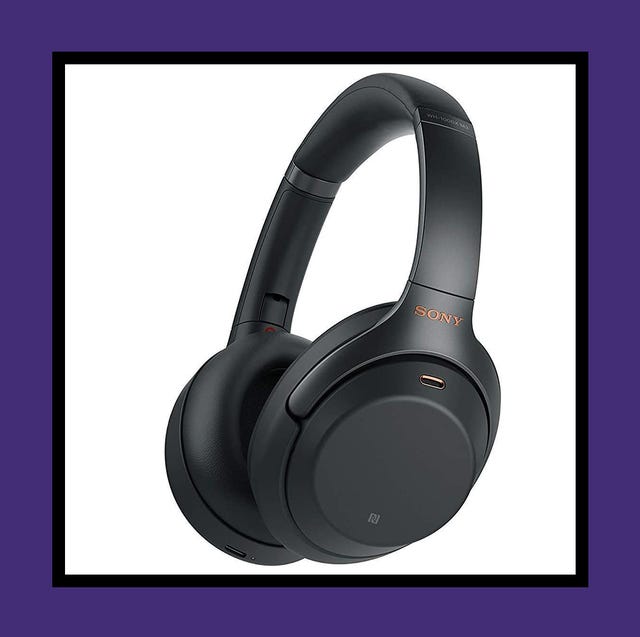
Recommended running headphones compared
Here is a simple comparison of popular choices.
| Headphones | Design | Best for | Main strength | Main limitation |
|---|---|---|---|---|
| Shokz OpenRun Pro 2 | Open-ear bone conduction | Outdoor road running | Awareness and secure fit | Limited deep bass |
| Shokz OpenRun | Open-ear bone conduction | Everyday runners | Light design and comfort | Less rich sound than premium earbuds |
| Bose Ultra Open Earbuds | Open-ear speaker | Premium outdoor listening | Natural awareness and clear sound | Higher price |
| Beats Fit Pro | In-ear with wing tips | Treadmills and gym workouts | Secure fit and strong bass | Less outside sound |
| Jabra Elite 8 Active | In-ear | Active training | Durable build and stable fit | Availability may vary |
| AirPods Pro 2 | In-ear with transparency mode | iPhone users | Strong transparency and controls | Fit may not suit every runner |
Product features and prices can change. Check current specifications before buying, especially for water resistance, battery life, and included ear tips.

Open-ear versus in-ear headphones for running
The open-ear versus in-ear debate has no single winner. It comes down to your environment and personal comfort.
Open-ear headphones are like having a conversation while walking. You hear your music, but the world remains present. This makes them a strong match for outdoor running.
In-ear headphones are more like closing a door. They create a focused sound space, which can be helpful in a gym or on a treadmill. However, that closed feeling may be unsafe near traffic.
Choose open-ear headphones if:
• You run beside roads
• You want to hear other people
• Earbuds often fall out
• You dislike ear pressure
• You train on shared trails
Choose in-ear headphones if:
• You run indoors
• You want stronger bass
• You need noise cancellation
• You prefer a small charging case
• You can use transparency mode safely
One common mistake is buying the most expensive design without testing the fit. A lower-priced pair that stays comfortable may serve you better than a premium pair that causes pain.

Are noise-canceling headphones safe for running?
Noise-canceling headphones are not automatically unsafe. The risk comes from losing awareness of your surroundings, especially near moving vehicles or other hazards.
Use noise cancellation in controlled places such as:
• A treadmill
• An indoor gym
• A home workout area
• A quiet indoor track
Use transparency mode or an open-ear design outdoors. If you must use in-ear headphones outside, keep the volume moderate and consider using only one earbud when local rules and safety conditions allow it.
Noise cancellation does not protect you from every sound. It can reduce engine noise, but it cannot replace visual awareness. Look up from your phone, watch crossings, and stay alert.

How loud should running headphones be?
There is no perfect volume level for every person or headphone. A safer rule is to keep the volume low enough that you can still notice important sounds around you.
Health guidance often uses the 60/60 approach: listen at about 60 percent volume for no more than 60 minutes at a time, then take a break. This is a simple guide, not a guarantee, because headphone output differs between models.
Signs that your volume may be too high include:
• Ringing in your ears
• Muffled hearing after a run
• Ear pain
• Needing to raise the volume in quiet places
• Other people hearing your music clearly
If you notice ringing or hearing changes that continue, stop using the headphones and speak with a medical professional. Hearing damage can develop slowly, so prevention matters.

How to make running headphones stay in place
Even the best running headphones can move if they are fitted poorly. Use these steps before your next workout.
-
Clean your ears and the headphones. Sweat and oil can make ear tips slide.
-
Try every included ear tip. The largest tip is not always the most secure.
-
Twist in-ear earbuds slightly backward after inserting them. This can help lock them into the ear.
-
Place ear hooks behind the ear without pulling them too tightly.
-
Keep hair, hats, and glasses from pressing against the controls.
-
Test the fit with jumping jacks or a short sprint.
-
Do not force an earbud deeper into the ear canal. A secure fit should not hurt.
If headphones still move, change the design rather than constantly adjusting them. Someone who cannot keep in-ear earbuds secure may have a much better experience with bone conduction or open-ear headphones.
Running headphone mistakes to avoid
Many buying mistakes are easy to prevent. The biggest error is shopping only by sound quality.
Avoid these problems:
• Buying heavy headphones for fast running
• Ignoring the water-resistance rating
• Using maximum noise cancellation beside traffic
• Skipping the fit test before a race
• Leaving wet earbuds inside a closed case
• Charging with dirty or damp contacts
• Choosing touch controls that are hard to use while moving
• Assuming “water resistant” means safe for swimming
I have seen runners blame a headphone brand when the real issue was the wrong ear tip or an unsuitable design. Fit is not a minor detail. It is the foundation of a good running experience.
Another lesson is to avoid testing new headphones on race day. Use them during several normal runs first. This gives you time to find pressure points, connection issues, and battery problems.
How to care for running headphones
Sweat and dust build up quickly during regular training. A few simple habits can extend the life of your headphones.
• Wipe the earbuds and case with a soft, dry cloth after each run.
• Remove silicone ear tips and wash them only as the manufacturer allows.
• Let all parts dry before placing them in the charging case.
• Clean charging contacts with a dry cotton swab.
• Do not leave the case in a hot car.
• Store the headphones away from keys, coins, and sharp objects.
• Update the firmware when the manufacturer recommends it.
Avoid using alcohol, water, or cleaning sprays directly on the speaker openings. If you are unsure, follow the care instructions that came with the headphones.
How much should you spend on running headphones?
You can find usable running headphones at several price levels. Spending more may improve sound, comfort, microphones, battery life, and durability, but price alone does not guarantee a good fit.
Budget models may offer:
• Basic sweat resistance
• Acceptable sound
• Simple buttons
• Shorter battery life
Midrange models often add:
• Better stability
• Improved microphones
• More reliable water protection
• Stronger companion apps
Premium models may include:
• Advanced transparency or noise cancellation
• Better sound balance
• Multipoint connection
• Wireless charging
• More durable materials
Set your budget after deciding which features matter most. If you run beside traffic, awareness is more important than advanced bass. If you train indoors, sound isolation may matter more.
PAA-style questions about running headphones
What headphones are good for running outdoors?
Open-ear and bone-conduction headphones are usually good for outdoor running because they help you hear traffic and people nearby. Shokz OpenRun Pro 2, Shokz OpenRun, and Bose Ultra Open Earbuds are popular examples.
Are AirPods good for running?
AirPods can be good for running if they fit your ears securely. AirPods Pro 2 is especially useful because its transparency mode helps you hear outside sounds, but runners should test the fit before using them for long sessions.
Are bone-conduction headphones better for running?
Bone-conduction headphones are better for runners who value awareness and dislike ear tips. They are not always better for sound quality, since in-ear headphones usually provide deeper bass and stronger noise isolation.
Should runners use noise-canceling headphones?
Runners can use noise cancellation in controlled places such as treadmills and indoor gyms. Outdoors, transparency mode or open-ear headphones are safer choices because they preserve more awareness of nearby sounds.
How do I stop running earbuds from falling out?
Use the correct ear tip, insert the earbuds carefully, and test them with fast movement. If they still fall out, try earbuds with wing tips or ear hooks, or switch to a bone-conduction design.
Can sweat damage running headphones?
Sweat can damage headphones over time, especially if they have a low water-resistance rating. Wipe them after each run, let them dry fully, and never place wet earbuds inside the charging case.
How long should running headphones last?
Many running headphones can last for several years with proper care, but battery capacity often declines first. Regular cleaning, safe storage, and avoiding extreme heat can help extend their useful life.
Conclusion
The best answer to what headphones are good for running depends on your route, fit, and need for awareness. Open-ear and bone-conduction models are strong choices for outdoor runners, while secure in-ear earbuds often work best for treadmills and gyms.
Prioritize comfort, sweat protection, stable fit, battery life, and safe volume. Test any new pair on normal training runs before trusting it on race day. Choose the style that helps you stay motivated without disconnecting you from your surroundings, then explore more running gear guides and share which headphones work best for you.

Everett Ashford is a tech reviewer at mytechgrid.com specializing in SSDs, cameras, TVs, earbuds, headphones, and other consumer electronics. He provides honest, data-driven reviews based on hands-on testing and real-world performance analysis. Everett simplifies complex tech details to help readers make smart, confident buying decisions.