Introduction
In the United States, a refurbished Canon camera is a pre-owned or returned Canon camera that has been inspected, tested, and prepared for resale by Canon or an authorized seller. It may show minor signs of handling, but it should work as intended and include clear warranty and return terms.
A refurbished camera is not always the same as a used camera. The main difference is the inspection and support behind the sale. A used camera may come directly from another owner with little or no service history. A Canon-refurbished camera has usually passed a company or seller inspection before it reaches the next buyer.
The exact condition, included items, warranty, and return period depend on the seller and the individual listing. Read those terms before you buy.


What Does “Refurbished” Mean?
“Refurbished” means a camera was returned, repaired, exchanged, displayed, or previously sold, then checked for resale. The process can vary by seller.
A refurbished Canon camera may have been:
- Returned during a trial period
- Used as a store display model
- Sent back for a small fault
- Repaired after a customer return
- Repackaged because the original box was damaged
- Sold as part of a prior kit or bundle
Canon or the seller may inspect the camera, clean it, replace faulty parts, update its software, and test its main functions. However, “refurbished” does not mean the camera is brand new. It also does not guarantee that every internal part is new.
The word can describe several levels of condition:
| Term | What it usually means | What to verify |
|---|---|---|
| Canon-refurbished | Prepared and sold through Canon’s own refurbished program | Canon warranty, included items, return rules |
| Seller-refurbished | Checked or repaired by a retailer or third-party service | Who did the work and what warranty applies |
| Used | Previously owned and sold as-is or after a basic check | Shutter count, defects, return period |
| Open-box | Opened or returned but often lightly used | Whether it was fully tested |
| Demo model | Used for display or customer handling | Wear, battery condition, warranty |
| Gray-market camera | Imported through a seller outside Canon’s authorized U.S. distribution network | U.S. warranty and service eligibility |
These terms are not interchangeable. A Canon-refurbished camera may offer more consistent support than a camera labeled only “seller refurbished,” but the listing still controls the final terms.


How Is a Refurbished Canon Camera Different From a New One?
A new Canon camera has not been sold as a customer-returned or previously used unit. A refurbished Canon camera may have a prior history, even if that history was brief.
The most important differences are usually condition, price, packaging, and warranty.
Condition
A new camera should arrive without signs of use. A refurbished camera may have small marks, light wear, or replacement packaging. These signs do not automatically mean the camera has a problem.
The important question is whether the camera works correctly. Check the shutter, autofocus, sensor, screen, ports, card slot, battery compartment, and included accessories during the return period.
Price
Refurbished cameras often cost less than new units. The discount varies by model, stock, condition, and seller. Do not assume every refurbished listing is a good deal. Compare the final price with a new camera that includes a full warranty and the same accessories.
A simple comparison is:
True refurbished cost = camera price + required accessories + shipping + possible repair risk
For example, a camera body may look inexpensive until you add a battery, charger, memory card, lens, and sales tax.
Packaging
A refurbished Canon camera may arrive in a plain box or a box different from the standard retail package. Some listings include the original accessories. Others include compatible replacements.
Check whether the package contains:
- Battery
- Battery charger
- Body cap
- Neck strap
- USB cable
- Instruction materials
- Lens, if sold as a kit
- Original or replacement packaging
Warranty
Warranty coverage is one of the biggest differences between a good refurbished purchase and a risky one. Canon USA refurbished listings may include a limited warranty, but coverage depends on the product and current terms. A third-party seller may provide its own warranty instead.
Confirm:
- Who provides the warranty
- How long it lasts
- What parts and labor it covers
- Whether shipping is included
- Whether the warranty applies in the United States
- Whether the seller requires registration or proof of purchase
A warranty does not cover every type of damage. Accidental drops, liquid damage, sand, unauthorized repairs, and misuse may be excluded.
Is a Refurbished Canon Camera Worth Buying?
A refurbished Canon camera can be worth buying when the discount is meaningful, the seller is trustworthy, and the warranty and return policy are clear.


It may suit:
- Students learning photography
- Families seeking a lower-cost camera
- Travelers who want a spare body
- Hobbyists upgrading from an older camera
- Creators who need a second camera
- Photographers who do not need the newest model
A new camera may be the better choice when:
- The price difference is small
- You need the longest possible service life
- You want the newest autofocus or video features
- You need a specific lens or accessory bundle
- The refurbished listing has unclear warranty terms
- You cannot return the camera if it fails inspection
The age of the model also matters. A refurbished camera can be reliable but still lack features found on newer models. Compare the camera’s sensor, autofocus system, video modes, card type, wireless features, battery life, and lens mount with your actual needs.
A lower price does not make an older camera a poor choice. It simply changes the trade-off. You may save money but give up newer processing, faster subject tracking, or longer manufacturer support.
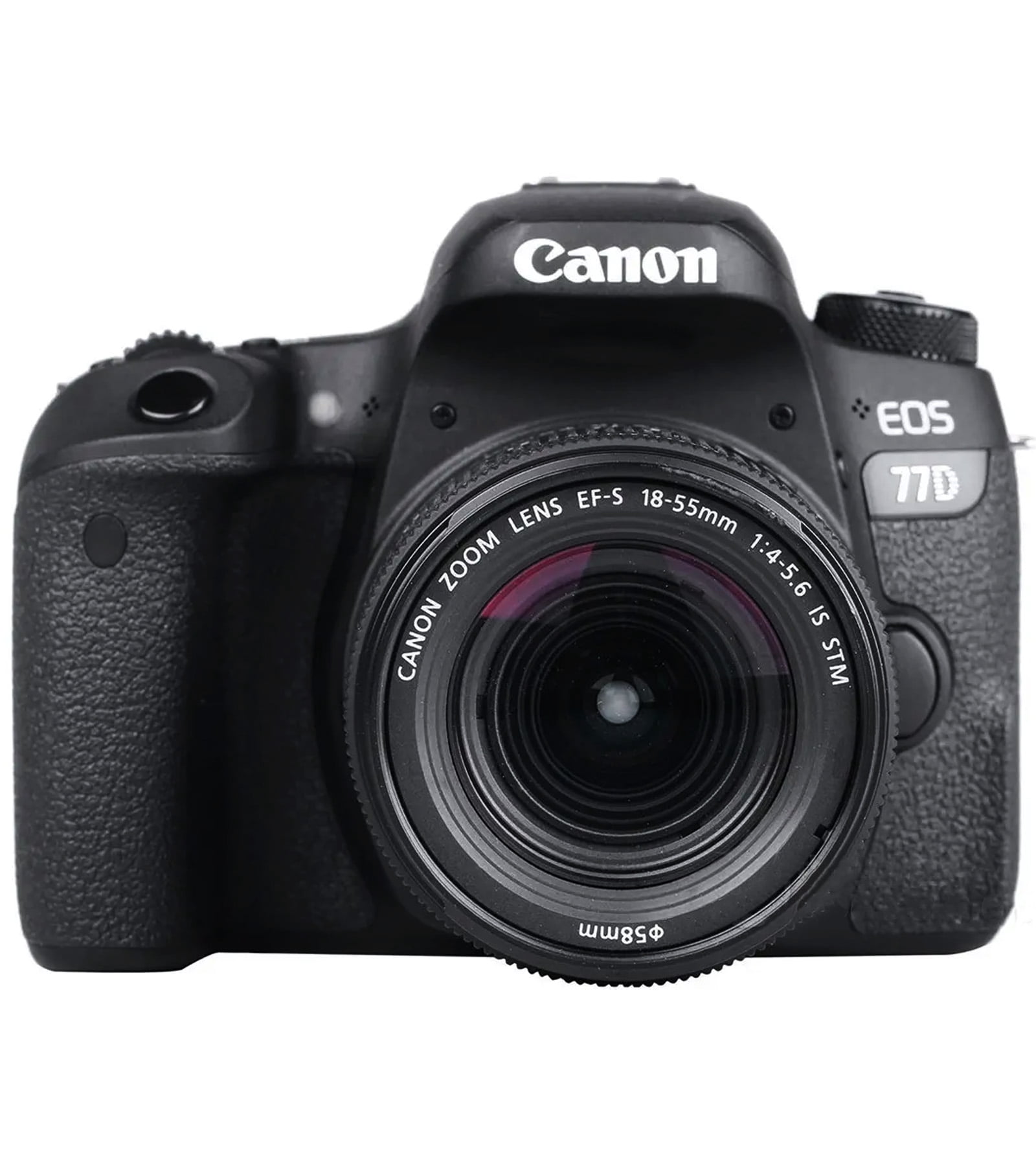
Canon Refurbished vs. Used: What Is the Difference?
The main difference is the level of documented checking and buyer protection.
A used Canon camera may be sold by an individual or retailer. Its condition can range from nearly new to heavily worn. Some used sellers provide a short return period or store warranty, but others sell equipment as-is.
A Canon-refurbished camera is usually connected to a formal refurbishment program. That may provide more consistent testing, support, and warranty coverage. Still, you should read the current product page because refurbishment standards and terms can vary by region and seller.
| Buying option | Main benefit | Main risk |
|---|---|---|
| New | Lowest uncertainty about prior use | Highest price |
| Canon refurbished | Potential savings with manufacturer support | May have cosmetic wear or limited stock |
| Retailer refurbished | Possible lower price and store support | Quality and warranty vary |
| Used from a reputable dealer | More condition choices | Less consistent warranty |
| Used from a private seller | Often the lowest price | Highest risk and limited recourse |
Do not confuse refurbished with gray market. A gray-market camera may be genuine Canon equipment but imported outside Canon’s authorized U.S. sales channel. It may not receive the same U.S. warranty or service support.
For a buyer in the United States, a camera sold through Canon’s U.S. website or an established U.S. retailer is usually easier to verify than an imported camera with unclear support.
What Should You Check Before Buying?
Check the seller, camera condition, included items, warranty, and return policy before you place the order.
1. Confirm the seller
Look at the exact seller name, not only the marketplace name. Some online marketplaces host many independent sellers. The marketplace may not be the party providing the warranty.
Prefer a seller that clearly shows:
- A U.S. business address
- A customer service channel
- A written return policy
- A stated warranty
- A clear condition grade
- A valid invoice or receipt
Be careful when the listing uses vague terms such as “like new” but does not explain testing or returns.


2. Check the model and mount
Canon makes cameras with different lens mounts. For example, EOS R-series mirrorless cameras use the RF mount, while many older EOS DSLR cameras use the EF mount.
An adapter may allow some lenses to work across systems, but compatibility can depend on the lens and adapter. Before buying, confirm:
- Camera mount
- Lens mount
- Adapter needs
- Autofocus support
- Stabilization support
- Flash compatibility
- Battery and charger type
A cheap body can become expensive if your existing lenses do not work as expected.
3. Read the warranty terms
Find the warranty link before checkout. Do not rely on a general statement such as “warranty included.”
Look for exclusions and service limits. A warranty may cover manufacturing defects but not normal wear, accidental damage, or lost accessories.
4. Check the return window
A return window gives you time to test the camera. The clock may start on delivery, not on the day you first use it.
Make sure you understand:
- The number of return days
- Restocking fees
- Return shipping costs
- Required packaging
- Whether the item must include all accessories
- Whether used shutter counts affect returns
Keep the box, inserts, caps, cables, and paperwork until you finish testing.
How to Inspect a Refurbished Canon Camera
Test the camera during the return period. You do not need special lab tools for a useful first check.
Exterior and controls
Inspect the body under bright light. Look for cracks, deep dents, loose ports, bent contacts, or a battery door that does not close.
Test every button, dial, touchscreen control, and mode switch. A small cosmetic mark is different from a control that sticks or fails.
Sensor and image quality
Take photos of a plain, bright surface at a small aperture such as f/16. Review the image at full size on a computer.
A few dust spots may be removable through normal sensor-cleaning methods. Do not touch the sensor with household materials. If you see scratches, stains that remain after approved cleaning, or repeated image defects, contact the seller.
Autofocus
Test autofocus in good light and lower light. Try both still subjects and moving subjects. Confirm that the focus point responds correctly and that the lens communicates with the body.


Poor focus can come from the lens, camera settings, low light, or user technique. Test with a known-good lens before deciding that the body is faulty.
Shutter and exposure
Take photos at different shutter speeds, ISO settings, and apertures. Check whether the camera changes exposure as expected.
A shutter count can provide useful history, but it is not a complete health test. A low count does not prove that a camera is perfect, and a higher count does not automatically mean it will fail soon.
Ports, card slot, and battery
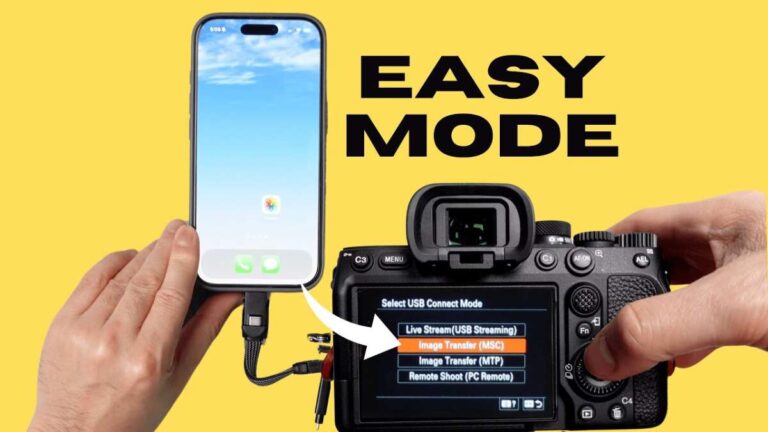
Insert a compatible memory card and record several photos and videos. Test image playback and file transfer.
Check the battery for swelling, cracks, or unusual heat. Stop using a battery that is swollen or damaged. Do not puncture it or place it in household trash. Follow local battery recycling guidance.
Test the USB, microphone, headphone, HDMI, or other ports that you plan to use.
Video and wireless functions
If you need video, record a short clip and check sound, focus, stabilization, file playback, and overheating warnings.
If you plan to use Wi-Fi or Bluetooth, install the required Canon app only from an official app store. Confirm that the camera model and your phone support the needed connection features.
Common Problems With Refurbished Cameras
Refurbished cameras are not automatically unreliable, but several issues deserve attention.
Missing accessories
A listing may show a camera with a lens, strap, battery, or charger in a stock photo while the written description excludes one of those items. Trust the written package list and ask the seller before buying.
Weak or old batteries
Batteries lose capacity over time. A refurbished camera may work properly while its battery lasts for less time than a new one.
If battery life matters, budget for a genuine replacement. Avoid unknown batteries that are poorly made or do not include suitable safety features.
Cosmetic wear
Small marks may be normal for a refurbished unit. Deep damage, corrosion, loose covers, or a bent mount are different. Photograph the package and camera as soon as it arrives.
Firmware and compatibility
An older camera may need a firmware update for a newer lens, flash, memory card, or app. Check Canon’s support page for the exact model before updating.
Use the correct firmware file and follow Canon’s instructions. Do not remove the battery or memory card during an update.
Misleading condition labels
“Excellent,” “mint,” and “like new” are not universal grades. One seller’s “excellent” camera may show more wear than another seller’s camera with the same label.
The return policy and warranty matter more than the adjective.

A Practical Buying Decision
Use this short test before choosing a refurbished Canon camera:
-
Does the model meet your needs?
Check image quality, autofocus, video, lens mount, and controls. -
Is the saving large enough?
Compare the complete cost with a new model and a reputable used model. -
Is the seller clear?
You should know who inspected the camera and who handles warranty claims. -
Can you return it?
A return period is useful when the camera’s history is unknown. -
Are the accessories complete?
Missing chargers, batteries, or lenses can remove the apparent saving. -
Can you test it soon?
Do not leave the camera unopened until after the return period ends.
A refurbished camera is usually a reasonable choice when all six answers are favorable. If two or more answers are unclear, a new camera or a well-documented used camera may offer better value.
Frequently Asked Questions
Are Canon refurbished cameras reliable?
They can be reliable when they come from a clear refurbishment program and include a usable warranty and return period. Reliability still depends on the model, prior use, repair history, and current condition. Test the camera soon after delivery.
Do refurbished Canon cameras come with a warranty?
Some do, but coverage varies by product and seller. Canon USA listings may state a limited warranty, while third-party sellers may offer different terms. Read the exact warranty before purchase.
Can I use my old Canon lenses on a refurbished camera?
It depends on the lens mount and camera mount. EF and EF-S lenses may work with certain EOS R cameras through a compatible Canon adapter. Compatibility is not universal, so check the exact camera, lens, and adapter combination.
Is a refurbished camera good for beginners?
Yes, if the camera has the controls and features the beginner needs. A slightly older refurbished model can provide a lower-cost way to learn photography. Choose a clear return policy and leave room in the budget for a lens, memory card, and spare battery.
What should I do if my refurbished Canon camera arrives damaged?
Photograph the box and camera before using it. Contact the seller promptly, keep all packaging, and follow the return or warranty instructions. Do not attempt an unauthorized repair because it may affect coverage.
Does refurbished mean the camera has a low shutter count?
No. Refurbished status does not guarantee a particular shutter count. If shutter count matters, ask the seller whether it is documented and understand that it is only one part of a camera inspection.
Key Takeaways
- A refurbished Canon camera was returned, repaired, displayed, or previously sold and then prepared for resale.
- Canon-refurbished and seller-refurbished cameras are not always covered by the same standards.
- Check the exact warranty, return policy, condition, and included accessories.
- Test the camera, lens mount, battery, card slot, autofocus, sensor, and video features during the return period.
- Compare the complete cost with a new or used camera before deciding.
- Avoid listings with unclear sellers, vague warranty terms, or no practical return option.
Conclusion
A refurbished Canon camera can offer a useful balance between price and support. The best choice is not simply the cheapest listing. It is the camera with a suitable model, clear condition, trustworthy seller, workable warranty, and enough return time for testing.
For buyers in the United States, start with Canon USA or an established U.S. retailer. Confirm the exact terms on the product page, then test the camera as soon as it arrives. That small amount of research can turn a risky purchase into a sensible one.
Sources for verification

Everett Ashford is a tech reviewer at mytechgrid.com specializing in SSDs, cameras, TVs, earbuds, headphones, and other consumer electronics. He provides honest, data-driven reviews based on hands-on testing and real-world performance analysis. Everett simplifies complex tech details to help readers make smart, confident buying decisions.