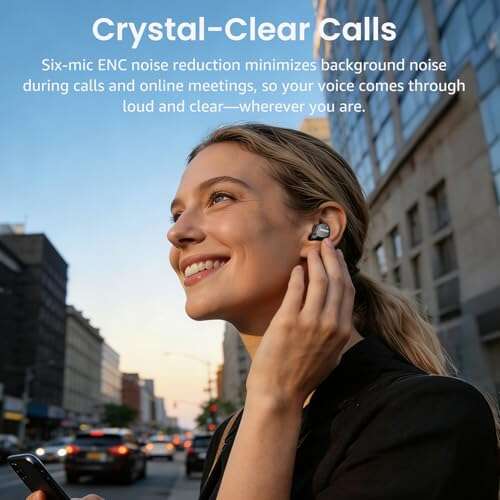
For people in the United States, the choice between earbuds and headphones often comes down to daily use: a subway commute, a home office, a gym session, a long flight, or a video call. Earbuds are small listening devices that sit in or near the ear canal. Headphones use larger earcups that sit on or around the ears.
The main differences are size, comfort, sound isolation, battery life, controls, durability, and price. Neither type is always better. The right choice depends on where you use them and what matters most to you.

Earbuds vs. headphones: The basic definitions
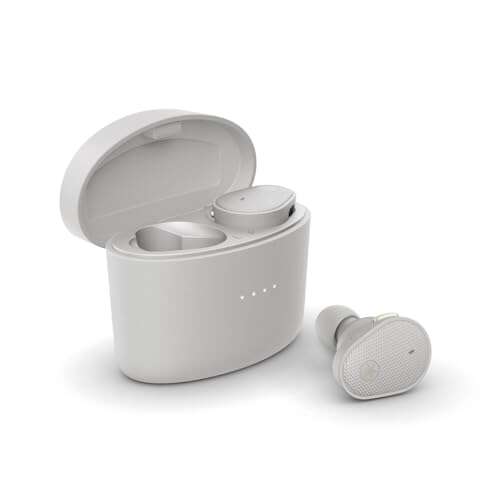
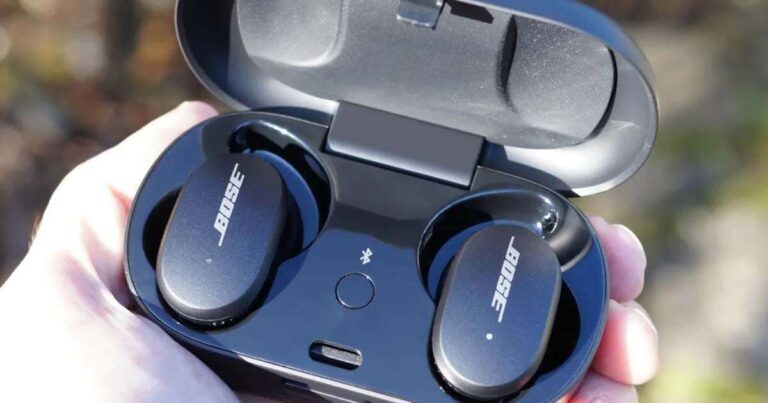
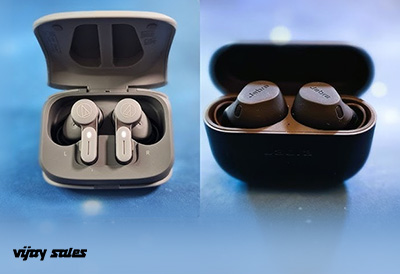
Earbuds are compact audio devices made to fit in or around the outer ear. Some sit just outside the ear canal. Others use soft tips that seal the canal. Wireless earbuds often connect through Bluetooth, while wired earbuds use a cable.
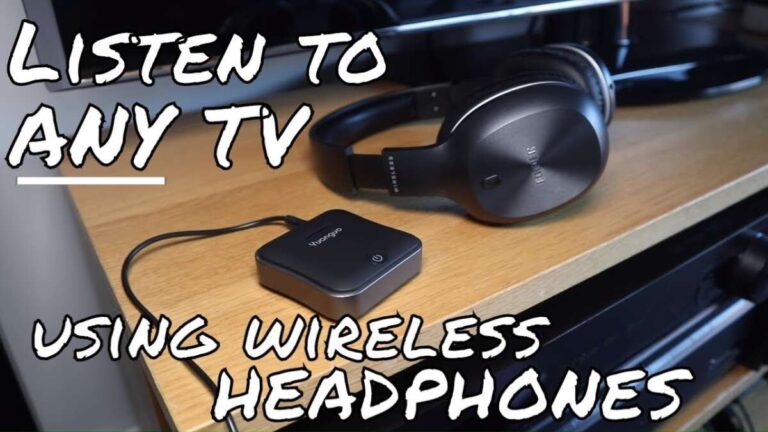
Headphones use two earcups joined by a headband. The earcups may sit on the ears or surround them.
The word “headphones” can describe several designs:
- Over-ear headphones: The earcups surround the ears.
- On-ear headphones: The earcups rest on the outer ears.
- Open-back headphones: The earcups allow some air and sound to pass through.
- Closed-back headphones: The earcups block more outside sound.
- Wireless headphones: They connect without a cable.
- Wired headphones: They use a cable and may not need a battery.
“Earbuds” is also a broad term. In common US usage, it can mean both traditional wired earbuds and true wireless earbuds. True wireless earbuds have no cable between the left and right sides.
The terms overlap in casual speech, but the physical design creates the main differences.
The main differences between earbuds and headphones
The table below gives a quick comparison.
| Feature | Earbuds | Headphones |
|---|---|---|
| Size | Very small and light | Larger and heavier |
| Fit | Rests in or near the ear | Rests on or around the ear |
| Portability | Easy to carry in a pocket or case | Needs more bag space |
| Battery size | Usually smaller | Often larger |
| Wearing comfort | Depends greatly on ear shape and tip size | Depends on headband and earcup pressure |
| Sound isolation | Can be low or high, based on fit | Usually stronger with closed-back models |
| Soundstage | Often more compact | Often feels wider, especially with large earcups |
| Microphone quality | Can be good, but varies by model | Often has more room for larger microphones |
| Exercise use | Usually more convenient | Can feel hot or move during activity |
| Long work sessions | May cause ear-canal pressure | May cause heat or head pressure |
| Durability | Small parts can be easy to lose | Hinges and headbands can wear |
| Typical price range | Budget to premium | Budget to premium |
These are general patterns, not fixed rules. A well-made pair of earbuds can sound better than a poorly made pair of headphones. A premium pair of headphones can also be less comfortable than a simple pair of earbuds.

1. Size and portability
earbuds are the clear winner for portability. Most wireless models fit in a small charging case. You can carry the case in a pocket or small bag.
Headphones take up more space. Some fold flat, but even compact models need room around the earcups and headband. This matters during air travel, commuting, and campus use.
2. Comfort and fit
Comfort depends on the shape of your ears and head.
Earbuds may feel almost weightless. However, in-ear models can create pressure in the ear canal. Some people also dislike the sealed feeling created by silicone tips.
Headphones avoid placing a device inside the ear canal. Over-ear models can feel soft and relaxed at first. After several hours, though, they may cause heat, sweat, glasses pressure, or a tight feeling around the head.
A poor fit can affect sound. Loose earbuds may lose bass and let in more noise. Loose headphones may also leak sound and reduce the benefit of noise cancellation.
3. Sound quality
Headphones often have more space for larger drivers. A driver is the part that turns an electrical signal into sound. Larger earcups can also create a wider sense of space.
That does not mean headphones always sound better. Modern earbuds can produce clear sound, strong bass, and useful noise cancellation. Fit, tuning, software, and the quality of the recording all matter.
For serious music listening, headphones often provide a more open and natural presentation. For podcasts, calls, streaming, and daily music, good earbuds may provide all the quality most people need.
4. Noise isolation and noise cancellation
Passive isolation comes from the physical design. A sealed earbud tip or closed headphone cup blocks some outside sound.
Active noise cancellation, or ANC, uses microphones and electronic processing to reduce certain outside sounds. Both earbuds and headphones can have ANC.
Headphones often have an advantage against low, steady sounds such as airplane engines or bus noise. Their larger earcups can cover more of the ear. Earbuds may still work well when their tips create a firm seal.
Neither type blocks every sound. Voices, sudden noises, and high-pitched sounds can remain audible. Do not rely on ANC to hear alarms, traffic, or safety warnings.
5. Battery life and charging
Headphones usually have more room for a larger battery. Many models can run for a full workday or longer, depending on ANC and volume.
Earbuds have smaller batteries. Their charging case adds extra charge, but the earbuds still need regular placement in the case. Small batteries can also lose capacity over time.
If you often forget to charge devices, wired headphones or wired earbuds may be simpler. A wired model can still work when a wireless battery is empty, if your phone or computer has the right port.
6. Calls and microphones
Call quality depends on the microphone, software, wind control, and your surroundings. The product category alone does not decide it.
Earbuds often use several small microphones and signal processing to reduce background noise. Headphones may place a microphone closer to your mouth, especially gaming headsets and office headsets with boom microphones.
For quiet rooms, either type can work well. For busy streets or shared offices, check independent call tests rather than trusting a product label.
7. Durability and repair
Earbuds are easy to carry but easy to lose. Their charging cases add another small device that can be misplaced or damaged.
Headphones are harder to lose, but hinges, cables, ear pads, and headbands can wear. Replaceable ear pads can extend the life of some models.
Sweat resistance is not the same as waterproofing. Check the exact water-resistance rating and the manufacturer’s instructions. Avoid wearing a device in water unless it is specifically rated for that use.
Which is better for your needs?
The best choice depends on your main activity.
Choose earbuds if you want:
- A small device for pockets and travel
- A discreet option for commuting
- Lightweight use during walks
- Less bulk during exercise
- Quick access to a charging case
- A design that does not cover your whole ear
Earbuds may not be ideal if you dislike ear-canal pressure, frequently lose small items, or need very long battery life between charges.
Choose headphones if you want:
- Strong passive noise blocking
- Longer sessions with less ear-canal pressure
- A larger, fuller listening space
- A boom microphone for gaming or work calls
- Longer battery life in many wireless models
- Physical controls that are easier to handle
Headphones may not suit hot weather, intense workouts, small bags, or people who dislike headbands.
Choose wired models if you want simplicity
Wired earbuds and headphones do not need charging. They can also avoid Bluetooth pairing problems and reduce wireless delay in some uses.
Before buying, check whether your phone, tablet, or laptop has a headphone jack. Many current devices need a USB-C or Lightning adapter. The adapter must support audio if the device does not have a standard analog jack.
Choose open-ear earbuds only when awareness matters
Open-ear designs send sound toward the ear without fully sealing the ear canal. They may help you remain aware of nearby sounds.
They can be useful for walking or cycling in places where hearing your surroundings matters. They usually provide less isolation and less powerful bass than sealed designs. They are not a replacement for safe road behavior.

Are earbuds or headphones safer for your hearing?
Neither type is automatically safer. Listening level and listening time matter more than the product category.
The National Institute on Deafness and Other Communication Disorders explains that loud sound can damage the inner ear. Risk rises as sound becomes louder and exposure lasts longer. NIOSH uses 85 dBA over an eight-hour workday as a recommended exposure limit, with allowable exposure time falling as sound gets louder. These workplace limits are useful reference points, but they do not make personal listening risk-free.
A good seal may reduce the need to raise the volume in a noisy place. That can make sealed earbuds or closed headphones useful on a plane or bus. ANC may also help by reducing steady background noise.
Safe listening habits include:
- Keep the volume as low as you can while still hearing clearly.
- Take regular breaks during long sessions.
- Avoid max volume, especially for hours at a time.
- Use device sound-exposure alerts when available.
- Remove the device if you notice ringing, muffled hearing, pain, or unusual sensitivity.
- Ask a hearing professional for advice if symptoms continue.
Do not use both earbuds at a high volume to cover loud machinery, traffic, or concert sound. Hearing protection made for that setting may be needed instead.

How to choose between earbuds and headphones
Use this short decision process.
Step 1: Name your main setting
Think about where you will use the device most:
- Home or office: Headphones may offer comfort and longer battery life.
- Commute or air travel: ANC earbuds or closed-back headphones may help.
- Exercise: Lightweight, secure earbuds are often easier.
- Gaming: Headphones with a clear microphone may be more practical.
- Walking near traffic: An open-ear design may help you hear nearby sounds.
- Music at home: Headphones may offer a wider presentation.
Step 2: Decide how much outside sound you need
Choose stronger isolation when you need to focus. Choose an open or less sealed design when you need more awareness.
Do not confuse “more isolation” with “better.” Isolation helps in a noisy setting but can make it harder to hear people, alarms, or vehicles.
Step 3: Test the fit before judging the sound
For earbuds, try the available tip sizes. A correct seal should feel secure without sharp pressure. If one side keeps falling out, the shape may not suit your ear.
For headphones, check earcup depth, headband pressure, and the fit over glasses. The earcups should not press painfully on the ears.
Step 4: Check device and feature support
Confirm the following before buying:
- Bluetooth support on your phone or computer
- Wired connection options
- USB-C or other charging port
- Microphone support for calls
- ANC and transparency modes
- Water-resistance rating
- App requirements
- Multipoint support if you switch between devices
- Replaceable ear pads or tips
- Warranty and return terms
Features can vary by model and software version. Check the manufacturer’s current specifications before purchase.
Step 5: Set a realistic budget
Price does not predict every part of performance. A higher-priced model may offer better ANC, comfort, microphones, or materials. It may not fit your ears or head better.
A basic model can be enough for calls and podcasts. Spend more when a specific feature—such as strong ANC, a stable fit, or a low-latency gaming connection—solves a real problem for you.
Common mistakes to avoid
Assuming bigger means better
Headphones often have larger drivers, but driver size alone does not prove better sound. Tuning, fit, distortion, and recording quality also matter.
Buying earbuds without considering ear shape
Earbuds are not one-size-fits-all. A model that stays secure for one person may fall out for another.
Using maximum volume to overcome outside noise
This can increase hearing risk. Try a better seal, ANC, or a quieter location instead.
Ignoring microphone performance
Music quality and call quality are separate. Read or watch tests that assess calls in both quiet and noisy places.
Treating water resistance as waterproofing
Sweat resistance does not mean a device can be submerged. Follow the exact rating and care instructions.
Forgetting the total cost
Wireless earbuds may need a replacement case or new tips. Headphones may need new ear pads or a cable. Consider upkeep, not just the purchase price.
Key takeaways
- Earbuds are smaller, lighter, and easier to carry.
- Headphones often offer stronger isolation, longer battery life, and a wider sound experience.
- Both can include ANC, microphones, wireless pairing, and transparency modes.
- Comfort depends on your ears, head, glasses, climate, and session length.
- Hearing safety depends mainly on volume and exposure time.
- Pick the design that fits your main setting instead of choosing by size or marketing claims.
Frequently asked questions
Are earbuds better than headphones for working out?
Often, yes. Earbuds are lighter and less likely to feel hot. Choose a secure fit and a suitable sweat-resistance rating. Headphones may work for light exercise but can move, trap heat, or feel heavy.
Do headphones sound better than earbuds?
Not always. Headphones often create a wider listening space and may have stronger bass or detail. High-quality earbuds can sound excellent, especially when they fit well. The source device, recording, tuning, and personal preference all affect the result.
Are wireless earbuds safe to use?
Wireless earbuds are generally designed for normal use, but safe hearing depends on volume and listening time. Bluetooth connection strength does not determine whether listening is safe. Keep volume moderate and take breaks.
Can headphones cause ear pain?
Yes. Tight headbands, heavy earcups, heat, glasses pressure, or long sessions can cause discomfort. Adjust the fit, take breaks, and stop using the headphones if pain continues.
Which is better for phone calls?
It depends on the model and environment. Earbuds can work well in quiet places. Headsets with a boom microphone often provide more consistent voice pickup. Check independent microphone tests when calls are a major reason for buying.
Should I buy noise-canceling earbuds or headphones?
Choose ANC earbuds for portability and exercise. Choose ANC headphones for long travel, office work, and stronger physical coverage around the ears. In either case, do not use ANC to block sounds you need to hear for safety.
Conclusion
The difference between earbuds and headphones is mainly a difference in design and use. Earbuds are compact and convenient. Headphones usually provide more physical coverage, longer battery life, and a larger listening experience.
For commuting, exercise, and travel with little luggage, earbuds may fit better. For home listening, gaming, long work sessions, and strong noise reduction, headphones may be the better choice. Start with your setting, fit, and comfort needs. Then compare sound, microphone quality, battery life, safety features, and price.
Sources
- National Institute on Deafness and Other Communication Disorders: Noise-Induced Hearing Loss
- CDC/NIOSH: Occupational Noise Exposure
- Occupational Safety and Health Administration: Occupational Noise Exposure
- Federal Communications Commission: Bluetooth and Wireless Device Information

Everett Ashford is a tech reviewer at mytechgrid.com specializing in SSDs, cameras, TVs, earbuds, headphones, and other consumer electronics. He provides honest, data-driven reviews based on hands-on testing and real-world performance analysis. Everett simplifies complex tech details to help readers make smart, confident buying decisions.