The Canon EOS R50 is one of the most popular digital cameras, thanks to its simple controls, strong image quality, and fair price.
That answer needs a little context. The most popular digital camera changes by category, country, and use case. A beginner may choose the Canon EOS R50, while a professional may prefer a Sony Alpha, Canon EOS R, or Nikon Z model. This guide explains what is the most popular digital camera today, why it stands out, and how to choose the right option for your needs.

What Is the Most Popular Digital Camera Today?
The Canon EOS R50 is widely viewed as one of the most popular digital cameras for beginners, families, travel photographers, and content creators. It uses a 24.2-megapixel APS-C sensor, supports interchangeable lenses, and offers fast autofocus for photos and video.
The EOS R50 is popular because it balances price, size, and performance. It is more capable than a basic point-and-shoot camera, yet easier to use than many advanced professional models.
Still, there is no single answer for every photographer. The most popular digital camera depends on what you want to shoot.
For example:
• Canon EOS R50: Best for beginners and everyday photography
• Sony a6400: Popular for travel and action photography
• Sony a7 IV: Popular among serious enthusiasts and professionals
• Nikon Z6 III: Strong choice for advanced photo and video work
• Fujifilm X-S20: Popular with creators who want film-style color and easy controls
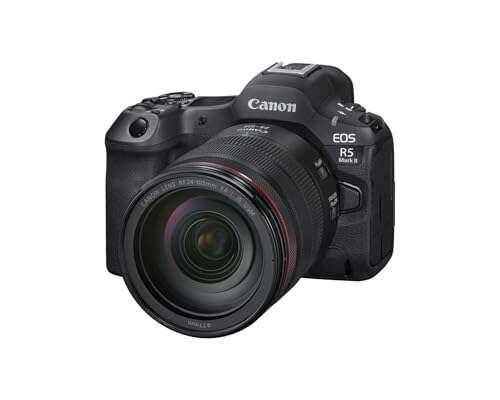
• Canon EOS R5 Mark II: Designed for high-end professional work
• Sony ZV-E10 II: Popular with vloggers and online creators
Sales data can also vary. Some reports measure camera shipments, while others track online sales, store sales, or searches. Therefore, the answer to what is the most popular digital camera should be based on both sales and real-world use.
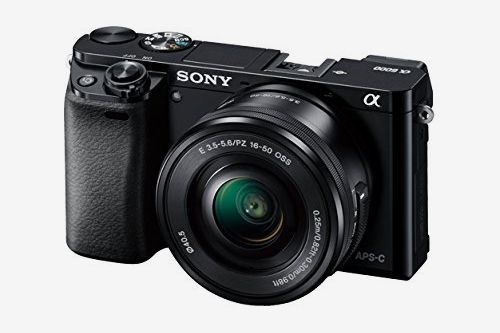
Why the Canon EOS R50 Is So Popular
The Canon EOS R50 solves many problems that new photographers face. It is small enough to carry every day, but it still offers the control and image quality of a mirrorless camera.
Its electronic viewfinder helps you see the image before taking the photo. Its fully movable screen is useful for selfies, video, and low-angle shots. The camera also has a simple menu system that feels less intimidating than many advanced models.
The main reasons for its popularity include:
• Good image quality from its 24.2-megapixel sensor
• Fast subject-detection autofocus
• Lightweight mirrorless design
• 4K video recording
• A fully articulating touchscreen
• Built-in Wi-Fi and Bluetooth
• Access to Canon RF and RF-S lenses
• Easy automatic modes for beginners
The camera also benefits from Canon’s large user base. Many people already know the Canon brand through older DSLR cameras. That familiarity makes the move to a modern mirrorless camera feel easier.
Another reason is lens access. The Canon RF system continues to grow, and users can also find compatible lenses from third-party brands. A camera body matters, but the lens often has an even greater effect on the final image.
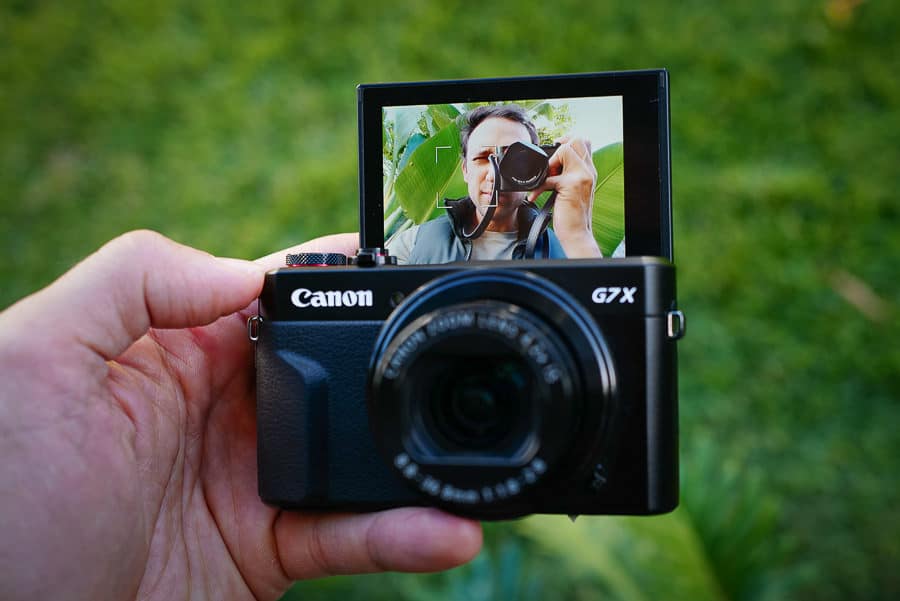
Is the Most Popular Digital Camera a DSLR or Mirrorless Camera?
For many years, DSLR cameras were the most popular digital cameras. Models such as the Canon EOS Rebel series and Nikon D3500 introduced millions of people to digital photography.
Today, mirrorless cameras are more popular in new camera sales. They are usually smaller and lighter because they do not need a large internal mirror and optical viewfinder system.
A mirrorless camera shows a digital preview through an electronic viewfinder or screen. This allows you to preview brightness, color, and exposure before pressing the shutter.
Advantages of mirrorless cameras
• Smaller and lighter bodies
• Fast electronic autofocus
• Better video features
• Live exposure preview
• Quiet shooting modes
• Newer lens designs
• Advanced subject tracking
Advantages of DSLR cameras
• Long battery life
• Clear optical viewfinder
• Large selection of used lenses
• Strong grip and familiar controls
• Often lower prices on the secondhand market
If you are buying new, a mirrorless camera is usually the better long-term choice. If you already own DSLR lenses, staying with a DSLR or using an adapter may save money.
This shift explains why the answer to what is the most popular digital camera has changed over time. The market moved from compact cameras to DSLRs, then toward mirrorless cameras and smartphones.
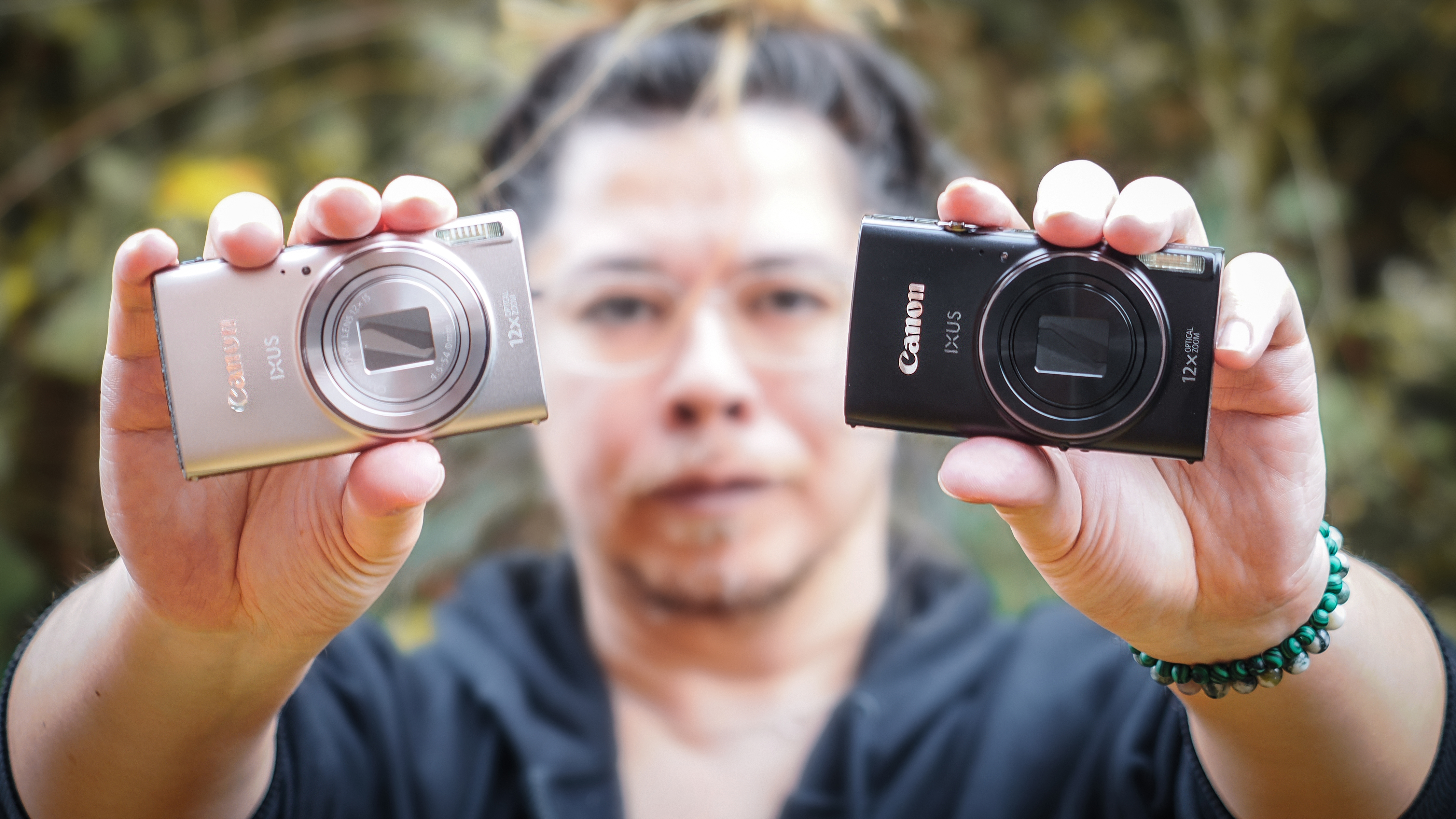
Popular Digital Cameras by Type
The most popular digital camera is not always the same model for every type of photographer. Looking at each category gives a more useful answer.
Best popular camera for beginners
The Canon EOS R50 is a strong beginner choice. It offers automatic modes for new users and manual controls for those who want to grow.
The Nikon Z50 and Sony a6400 are also worth considering. The Nikon feels comfortable in the hand, while the Sony offers excellent autofocus and a wide lens selection.
Best popular camera for travel
The Sony a6700, Fujifilm X-S20, and Canon EOS R10 are popular travel options. They are small, capable, and easier to carry than full-frame professional cameras.
Travel photographers should look beyond megapixels. Weight, battery life, weather resistance, lens size, and charging options are often more important on a long trip.
Best popular camera for video
The Sony ZV-E10 II is designed with creators in mind. The Canon EOS R50 and Fujifilm X-S20 are also strong choices for video.
Look for features such as:
• A fully movable screen
• A microphone input
• Reliable autofocus
• 4K recording
• Good heat control
• USB charging
• Stabilization
Best popular camera for professionals
Professional photographers often choose the Sony a7 IV, Canon EOS R6 Mark II, Nikon Z6 III, or similar full-frame cameras.
These models cost more, but they offer better low-light performance, stronger construction, fast burst shooting, and advanced autofocus. They are built for demanding work such as weddings, sports, news, and commercial photography.
Best popular camera for casual users
A high-end smartphone may be the most practical camera for casual users. Modern phones offer computational photography, automatic HDR, night modes, and instant sharing.
That does not make a phone the best tool for every job. A dedicated camera still provides better lens control, stronger background blur, improved handling, and more flexibility in difficult light.

What Makes a Digital Camera Popular?
Popularity is not based on image quality alone. A camera becomes popular when it offers a good mix of performance, price, ease of use, and availability.
Here are the most important factors.
Price and value
Most buyers want a camera that feels worth the money. A model with excellent image quality may fail if it costs too much or requires expensive lenses.
The Canon EOS R50 is popular because it gives users many advanced features without reaching professional prices. However, remember to budget for a lens, memory card, spare battery, and camera bag.
Autofocus
Modern autofocus can identify faces, eyes, animals, cars, and other subjects. This makes photography easier, especially for children, pets, and sports.
A camera with strong autofocus can produce more useful photos than a camera with more megapixels but slower tracking.
Image quality
Sensor size plays a major role. Larger sensors usually perform better in low light and make it easier to create a soft background.
Common sensor sizes include:
• Micro Four Thirds
• APS-C
• Full frame
• Medium format
APS-C cameras, such as the Canon EOS R50, offer a useful balance between size, price, and image quality. Full-frame cameras provide more low-light performance but usually cost more.
Lens selection
A popular camera system should offer a useful range of lenses. You may want a wide lens for landscapes, a portrait lens for people, or a telephoto lens for wildlife.
Buying into a camera system is similar to choosing a vehicle. The body is important, but the available accessories affect your experience for years.
Ease of use
A camera may have excellent specifications and still be frustrating. Clear menus, useful buttons, a comfortable grip, and a responsive touchscreen can make a large difference.
This is one reason the most popular digital camera is often not the most powerful model. Most people prefer a camera they will actually carry and use.

How the Most Popular Digital Camera Performs in Real Life
A camera’s specification sheet cannot tell the whole story. Real-world use matters more than small differences in resolution or burst speed.
For a family trip, the best camera is one that starts quickly, focuses on faces, and fits in a small bag. For a wedding, reliability, battery life, and low-light autofocus may matter more than size.
For example, imagine photographing a child running through a park. A camera with strong eye detection can keep focus on the child while you concentrate on timing and composition. That is more useful than having a slightly higher megapixel count.
A common mistake is buying a large professional camera before learning basic photography. The camera may stay at home because it feels heavy or complicated. A smaller model often produces better results simply because it is nearby.
Practical lessons include:
• Choose a camera you will carry often
• Test the grip before buying
• Check the price of lenses, not just the body
• Learn autofocus modes before increasing camera settings
• Buy a spare battery for travel and events
• Use a fast memory card for video and burst shooting
• Protect the camera from rain, sand, and extreme heat
The most popular digital camera is usually the one that removes barriers. It should make you want to take pictures, not make you worry about every setting.

Smartphone Camera vs. Dedicated Digital Camera
Smartphone cameras are responsible for much of the decline in compact camera sales. They are always available, easy to use, and connected to social media.
A phone is often the best choice for:
• Quick snapshots
• Family messages
• Social media posts
• Travel notes
• Casual video
• Automatic night photography
A dedicated digital camera is usually better for:
• Interchangeable lenses
• Wildlife photography
• Sports photography
• Portraits with natural background blur
• Large prints
• Manual control
• Long telephoto shots
• Professional video and photo work
Smartphones use software to combine several images and improve the final result. Dedicated cameras rely more on a larger sensor, better optics, and user control.
Neither option is always better. The right choice depends on your goal. If you want convenience, your phone may be enough. If you want control and room to grow, a mirrorless camera is a stronger investment.
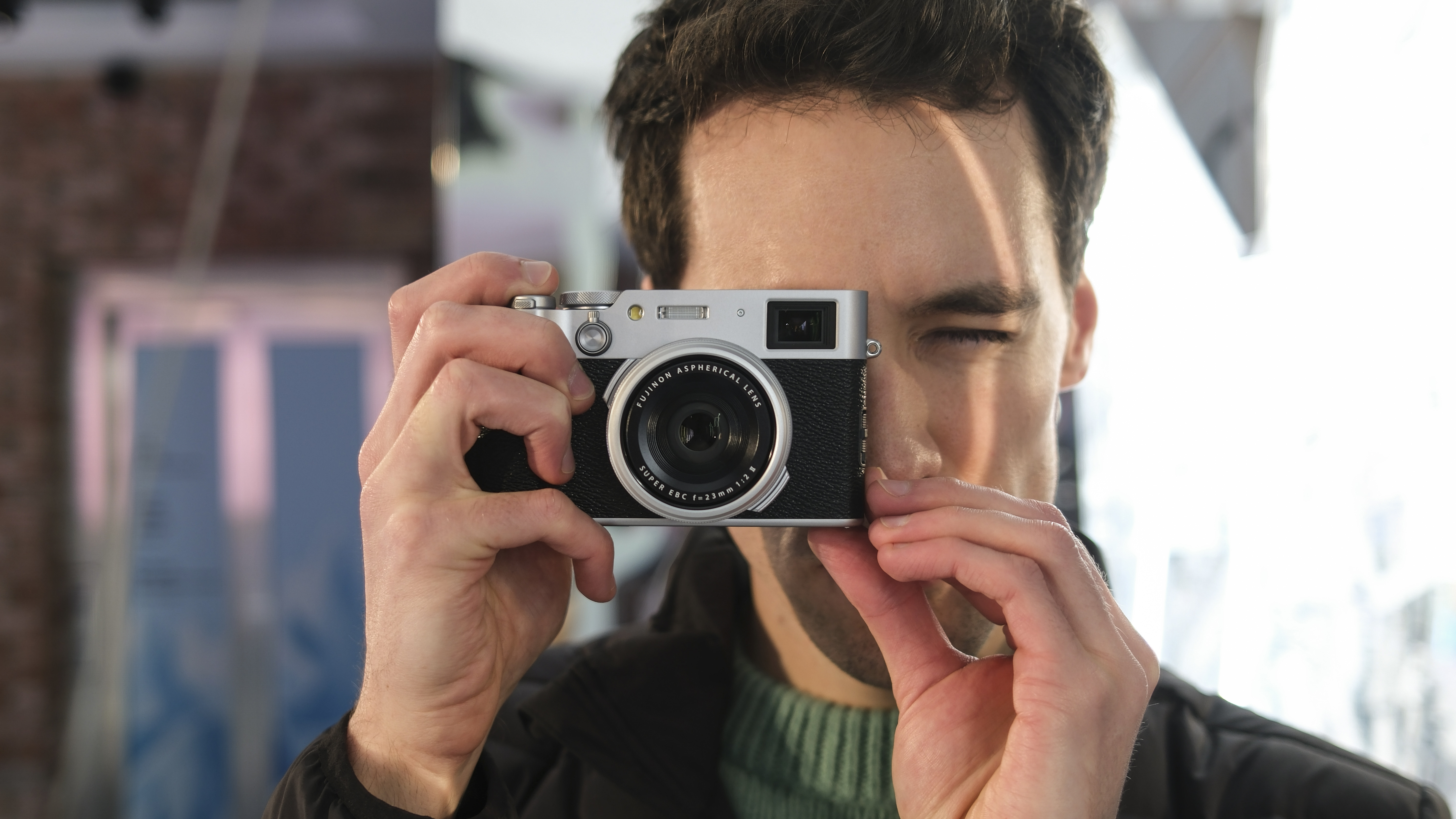
How to Choose the Right Popular Digital Camera
Before buying, think about how you will use the camera. Do not begin with brand names or megapixels. Begin with your real needs.
Step 1: Set your total budget
Include the cost of the camera body, lens, battery, memory card, and protection. A low-cost body with an expensive lens may still exceed your budget.
Step 2: Choose the camera type
Pick a compact camera, mirrorless camera, DSLR, action camera, or smartphone based on your subject and lifestyle.
Step 3: Select the sensor size
APS-C is a strong choice for most beginners. Full frame is useful for low light and professional work. Micro Four Thirds can reduce size and lens weight.
Step 4: Check the lens system
Make sure the system has the lenses you may need later. This matters more than small differences between camera bodies.
Step 5: Test comfort and menus
If possible, hold the camera in a store. Check whether the buttons are easy to reach and whether the viewfinder feels clear.
Step 6: Consider video needs
If you plan to record video, check microphone support, screen movement, stabilization, recording limits, and autofocus.
Step 7: Read reliable reviews
Look for tests that include sample images, autofocus results, battery performance, heat control, and long-term handling. Avoid relying on a single rating or a list of specifications.
Following these steps will help you choose the most popular digital camera for your needs, rather than simply buying the model with the most attention online.

Common Mistakes to Avoid
Many new buyers focus too much on megapixels. More megapixels can help with cropping and large prints, but they do not automatically create better photos.
Another mistake is buying a camera without considering lenses. A basic kit lens is useful, but you may later want a bright prime lens, a wider zoom, or a long telephoto lens.
Avoid buying old accessories that do not fit your new camera. Mounts, batteries, flashes, and remote controls may not work across brands or generations.
Other mistakes include:
• Choosing a camera that is too heavy
• Ignoring battery life
• Forgetting about weather protection
• Buying based only on influencer videos
• Using automatic mode without learning exposure basics
• Failing to back up important photos
• Spending the full budget on the camera body
A camera is a tool, not a trophy. The best purchase gives you room to learn while fitting your daily life.
Frequently Asked Questions
What is the most popular digital camera for beginners?
The Canon EOS R50 is one of the most popular digital cameras for beginners. It combines a simple interface, strong autofocus, good image quality, and a compact body.
Is Canon or Sony more popular for digital cameras?
Both brands are highly popular, but their strengths differ. Canon is known for approachable controls and color, while Sony offers strong autofocus, compact bodies, and a broad range of lenses.
Is a mirrorless camera better than a DSLR?
For most new buyers, a mirrorless camera is the better long-term choice because it is newer, lighter, and often stronger for video. A DSLR can still be a good value, especially when purchased used with compatible lenses.
How many megapixels does a good digital camera need?
Most photographers can get excellent results from 20 to 30 megapixels. Lens quality, lighting, focus, technique, and sensor performance often matter more than the megapixel number.
Is a digital camera better than an iPhone?
A dedicated digital camera is better for lens control, fast action, low-light work, and professional results. An iPhone is better for convenience, automatic processing, and instant sharing.
What should I look for in a popular digital camera?
Look for reliable autofocus, comfortable handling, useful lenses, good battery life, and features that match your subjects. Do not choose based on popularity alone.
Is the most popular digital camera always the best?
No. Popularity reflects broad appeal, not a perfect match for every person. The best camera is the one that fits your budget, skill level, subjects, and willingness to carry it.
Conclusion
The Canon EOS R50 is one of the most popular digital cameras because it offers a strong mix of price, image quality, autofocus, portability, and ease of use. However, the best choice depends on your goals. A Sony, Nikon, Fujifilm, smartphone, or professional full-frame camera may suit you better.
Start by deciding what you photograph, how much you can spend, and which lenses you may need later. Choose a camera that feels comfortable and inspires you to practice. Explore trusted reviews, compare complete system costs, and share your camera questions or experiences in the comments.

Everett Ashford is a tech reviewer at mytechgrid.com specializing in SSDs, cameras, TVs, earbuds, headphones, and other consumer electronics. He provides honest, data-driven reviews based on hands-on testing and real-world performance analysis. Everett simplifies complex tech details to help readers make smart, confident buying decisions.