Your earbuds are too big or too small if they hurt, slip, seal poorly, or cause pressure.
Knowing whether your earbuds are too big or too small can improve comfort, sound quality, and hearing safety. Ear canals vary widely, so the right fit is not always the size that feels tightest. This guide explains how to check your fit, choose better ear tips, fix common problems, and know when ear pain needs medical care.
What a Proper Earbud Fit Should Feel Like
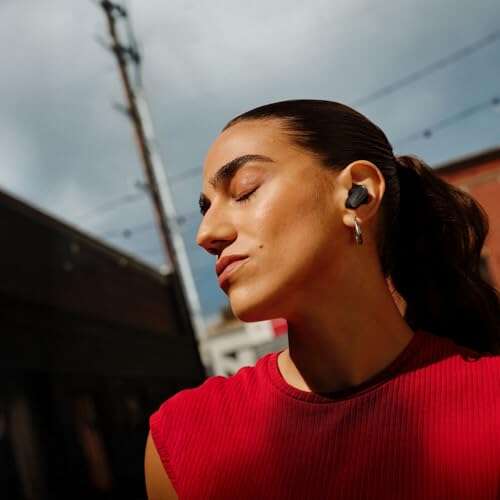
A well-fitting earbud should sit securely without feeling forced into your ear. It should stay in place when you walk, talk, or gently shake your head. You should also be able to wear it for a reasonable amount of time without pain or a strong pressure feeling.
Your earbuds may be the right size when:
• They stay in place during normal movement.
• The earbud feels stable but not deeply pushed into the ear canal.
• You hear clear bass and voices without raising the volume too much.
• Outside noise becomes slightly quieter with in-ear models.
• Your ears do not feel sore after removing the earbuds.
• The earbuds do not create a strong blocked or “plugged” feeling.
Earbuds work much like a shoe. A shoe that is too loose slips, while a shoe that is too tight causes pain. Your earbud needs a secure fit without squeezing sensitive skin.
Keep in mind that the left and right ear may need different ear tip sizes. This is normal. Many people have slightly different ear canals on each side.
How to Tell If Your Earbuds Are Too Big
Earbuds that are too big often create pressure, soreness, or a stretched feeling inside the ear. The discomfort may begin right away or appear after 20 to 30 minutes of use.
Common signs include:
• Pain at the entrance of the ear canal.
• Redness or tenderness after removing the earbuds.
• A feeling that the earbud is pushing outward.
• Headaches or jaw discomfort caused by pressure around the ear.
• Difficulty inserting the earbuds fully.
• The earbud slowly works its way out because your ear is pushing against it.
• A blocked sensation that remains after you remove the earbuds.
Large earbuds can also press against the outer ear. This is common with true wireless earbuds that have large batteries or bulky housings. You may notice pain on the outer ridge of your ear rather than deep inside the canal.
Try a smaller silicone ear tip first. If the earbud body still presses against your ear, changing the tip may not solve the problem. In that case, look for a smaller earbud design or a model with a shorter nozzle.
Do not force a large earbud deeper into your ear. This can irritate the ear canal and may push wax farther inside. A proper earbud should fit through gentle placement, not pressure.

How to Tell If Your Earbuds Are Too Small
Earbuds that are too small may feel comfortable at first but fail to create a stable seal. They may fall out, sound thin, or let in too much background noise.
Signs that your earbuds are too small include:
• The earbuds loosen when you speak or chew.
• You need to push them back in often.
• Bass sounds weak or almost missing.
• You hear a large amount of outside noise.
• The earbuds whistle or produce feedback when noise canceling is active.
• You need to turn up the volume to hear music clearly.
• The earbuds feel loose during exercise.
A small ear tip does not fill the ear canal. This allows air and sound to leak around the tip. Bass is often the first part of the sound to disappear because low tones need a good seal.
Many people assume their earbuds are too small when the real issue is poor placement. Try twisting the earbud slightly after inserting it. Some models need a small forward or backward turn to lock into the shape of the ear.
If the earbud still moves easily, try the next larger tip. Increase the size one step at a time. The goal is a stable seal, not the tightest possible fit.

Why Earbud Size Changes Sound Quality
Earbud size affects the seal between the ear tip and the ear canal. This seal controls how much sound enters your ear and how much escapes.
When the seal is too loose:
• Bass becomes weak.
• Music sounds bright or tinny.
• Noise cancellation may work poorly.
• You may raise the volume without noticing.
When the seal is too tight:
• Bass may sound overly strong or muddy.
• Your voice may sound loud inside your head.
• Pressure can become uncomfortable.
• Removing the earbuds may feel difficult.
This is called the occlusion effect. It happens when your ear canal is partly blocked, making internal sounds seem louder. Your voice, chewing, and footsteps may sound unusually strong.
Noise-canceling earbuds can make fit problems more noticeable. Active noise cancellation reduces some outside sounds, but it cannot fix a poor physical seal. If the ear tip does not fit, the earbud may struggle to reduce noise and may produce an unpleasant pressure sensation.
A strong seal does not always mean a better seal. Good fit balances comfort, stability, sound, and safe listening volume.

The Best Way to Test Your Earbud Fit
A simple fit test can help you decide whether your earbuds are too big or too small. Test one change at a time so you know what improves the fit.
Step 1: Start with the medium ear tips
Most earbuds come with small, medium, and large silicone tips. Start with the medium pair unless you already know your usual size.
Step 2: Insert the earbuds gently
Place the earbud in the opening of your ear. Do not push it deep into the canal. Twist it slightly if the design allows this.
Step 3: Check the seal
Play a familiar song with clear bass at a low volume. The sound should feel full, but it should not feel boomy or uncomfortable.
Step 4: Move your head
Walk around, turn your head, and open your mouth. Speak a few words or chew gently. The earbuds should remain stable without creating pain.
Step 5: Wear them for 20 to 30 minutes
A fit that feels fine for two minutes may become painful later. Pay attention to pressure, heat, itching, and soreness.
Step 6: Test the next size
If the earbuds slip or sound thin, try a larger tip. If they hurt or feel blocked, try a smaller tip.
When I test earbud fit, I do not judge it from the first song alone. I check comfort after movement and after extended wear. That longer test often reveals the real issue.
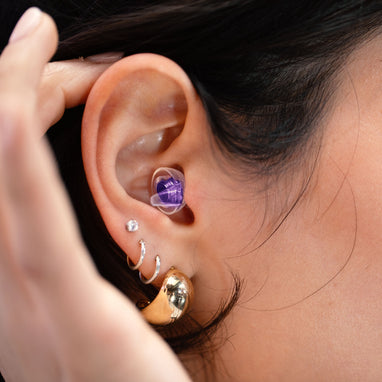
How to Choose the Right Ear Tip Size
The right ear tip depends on your ear canal, the earbud design, and how you use the earbuds. There is no universal “correct” size.
Use these general guidelines:
• Choose a smaller tip if you feel pressure or pain.
• Choose a larger tip if the earbud slips or loses bass.
• Try different sizes in each ear if one side feels different.
• Consider foam tips if silicone tips do not stay in place.
• Check that replacement tips fit your earbud nozzle.
Silicone tips are easy to clean and often last a long time. They come in different shapes, including round, oval, and double-flange designs. Shape can matter as much as size.
Foam tips expand inside the ear canal and can improve stability and passive noise reduction. However, they may feel warmer, require more frequent replacement, and can collect earwax more quickly.
Some earbuds include wing tips or ear hooks. These parts support the outer ear rather than relying only on the ear canal. They can help during running or workouts, especially when standard earbuds keep falling out.
Do not mix random replacement tips without checking compatibility. A loose tip can remain in the ear when you remove the earbud. Choose tips made for your model or a clearly compatible nozzle size.
Fit Problems Caused by Earbud Design
Sometimes the problem is not that your earbuds are too big or too small. The shape of the earbud may simply not match your ears.
Earbuds can differ in:
• Nozzle length.
• Earbud housing size.
• Tip angle.
• Weight.
• Wing or fin shape.
• Battery housing design.
A long nozzle may reach deeper into the ear canal. A short nozzle may sit closer to the outer ear. Neither design is best for everyone.
Large wireless earbuds can press against the outer ear, even when the silicone tip fits well. This can cause soreness near the ear’s outer cartilage. A smaller housing may solve the problem better than a different tip.
Earbuds with ear hooks can feel secure but may press behind the ear. Glasses, hats, and masks can add extra pressure. Consider all contact points when checking comfort.
For workouts, stability matters more than a perfect seal. Open-style earbuds may feel more comfortable during exercise, but they usually provide less bass and less protection from background noise than sealed in-ear models.

Earbuds, Earwax, and Ear Health
Earwax can change how earbuds feel and sound. It may block the ear tip, reduce volume, or make the earbud feel tighter than usual.
Clean the earbud tips regularly:
-
Remove the silicone tips from the earbuds.
-
Wash silicone tips with mild soap and water if the manufacturer allows it.
-
Dry them fully before putting them back on.
-
Wipe the earbud body with a soft, slightly damp cloth.
-
Keep moisture away from charging contacts and speaker openings.
Avoid putting cotton swabs deep into your ears. They can push wax farther inside and irritate the ear canal. Ear candles are not considered a safe or reliable way to remove earwax.
Stop using the earbuds and seek medical advice if you have ongoing pain, discharge, bleeding, sudden hearing loss, strong itching, or dizziness. These symptoms may point to an ear infection, impacted wax, skin irritation, or another condition rather than a simple fit problem.
People with eczema, sensitive skin, or frequent ear infections may need special advice from a health professional. Earbud fit cannot be safely diagnosed from comfort alone.
How to Avoid Hearing Damage From Poor Fit
Poor fit can lead to unsafe listening habits. When outside noise enters through a loose seal, you may raise the volume to compensate. This is one reason a stable fit matters.
Use these safer listening habits:
• Keep the volume as low as practical.
• Take regular breaks during long listening sessions.
• Avoid using earbuds at high volume in loud places.
• Use noise canceling in suitable settings so you do not need to overpower background noise.
• Give your ears quiet time after long listening periods.
There is no single volume level that is safe for every person and every length of time. Risk depends on loudness, listening duration, and how often you repeat the exposure.
A good fit should help you hear clearly at a moderate level. It should not encourage you to turn the volume up simply because the earbuds leak sound.
Remember that noise cancellation does not make loud music harmless. It lowers some background noise, but it does not remove the sound produced by the earbuds.
Common Mistakes to Avoid
Many earbud fit problems become worse because of a few simple mistakes.
Using the same size in both ears
Your ears may need different tips. Comfort matters more than matching sizes.
Choosing the tightest fit
A tight earbud is not automatically secure. Excess pressure can cause soreness and irritation.
Ignoring pain
Pain is a warning, not a normal adjustment period. Remove the earbuds and reassess the size or design.
Testing only while sitting
An earbud may feel secure at a desk but fall out during walking. Test it during the activity you care about.
Inserting earbuds too deeply
Deep placement can cause pressure and push wax inward. Place earbuds gently and follow the manufacturer’s fitting instructions.
Replacing tips with the wrong type
An incompatible tip may slip off, change the sound, or remain inside the ear.
Wearing dirty earbuds
Oil, sweat, and wax can irritate the skin and reduce grip. Clean the tips and earbuds often, especially after exercise.
In my experience with earbud testing, the most common mistake is changing too many things at once. Try a new tip, position, or accessory separately. This makes it easier to identify the real cause.
When to Replace Your Earbuds
Sometimes the best solution is a different earbud model. Consider replacing your earbuds if:
• Every included tip causes pain or slips out.
• The housing presses against your outer ear.
• You cannot hear clearly without high volume.
• The earbuds cause repeated skin irritation.
• They no longer stay secure after cleaning and tip changes.
• One earbud fits well but the other design cannot be adjusted.
Look for models with several tip sizes, smaller housings, adjustable wings, or ear hooks. If you have small ears, pay close attention to the listed housing dimensions, not just the tip sizes.
If you have large ear canals, a longer nozzle or larger tip may help. Still, a larger design is not always better. The earbud must match both the canal and the shape of the outer ear.
Try to buy from a seller with a clear return policy. Fit is personal, and product reviews cannot predict exactly how an earbud will feel in your ears.
Frequently Asked Questions About Are My Earbuds Too Big or Too Small
How do I know if my earbuds are too big?
Your earbuds may be too big if they cause pain, pressure, redness, or soreness. They may also feel as if they are pushing out of your ears instead of sitting naturally.
How do I know if my earbuds are too small?
Your earbuds may be too small if they slip, lose bass, let in too much outside noise, or need frequent adjustment. Try the next larger ear tip and test it while walking.
Should earbuds hurt when I first wear them?
Earbuds may feel unfamiliar at first, but they should not cause sharp pain or lasting soreness. Remove them if discomfort continues, then try a different size or design.
Can earbuds be too big for small ears?
Yes. The ear tip may be too large, or the earbud housing may press against the outer ear. Smaller tips and compact earbuds can provide a better fit.
Should both ears use the same earbud tip size?
Not always. Many people have slightly different ear canals, so one ear may need a small tip while the other needs a medium or large tip.
Do bigger ear tips improve sound quality?
Bigger ear tips can improve sound if your current tips leak air. However, tips that are too large may cause pressure, discomfort, and an overly strong seal.
Are foam ear tips better than silicone tips?
Foam tips can improve stability and noise isolation for some people. Silicone tips are easier to clean and may feel cooler, so the better choice depends on comfort and use.
Can poorly fitting earbuds damage hearing?
A poor fit can encourage you to increase the volume, which may raise hearing risk. The fit itself is usually not the main danger, but loud sound over long periods can damage hearing.
Conclusion
The answer to “are my earbuds too big or too small” depends on comfort, stability, sound, and seal. Too-large earbuds often cause pressure and soreness, while too-small earbuds tend to slip, leak sound, and weaken bass.
Start with a gentle fit test. Try different tip sizes, test each ear separately, and wear the earbuds while moving for at least 20 minutes. Never force an earbud into your ear or ignore ongoing pain.
Choose the size and design that lets you hear clearly at a moderate volume without discomfort. If every option causes pain or irritation, stop using the earbuds and speak with a health professional. Share your own earbud fit experience or explore more listening safety guides to find the setup that works best for you.

Everett Ashford is a tech reviewer at mytechgrid.com specializing in SSDs, cameras, TVs, earbuds, headphones, and other consumer electronics. He provides honest, data-driven reviews based on hands-on testing and real-world performance analysis. Everett simplifies complex tech details to help readers make smart, confident buying decisions.