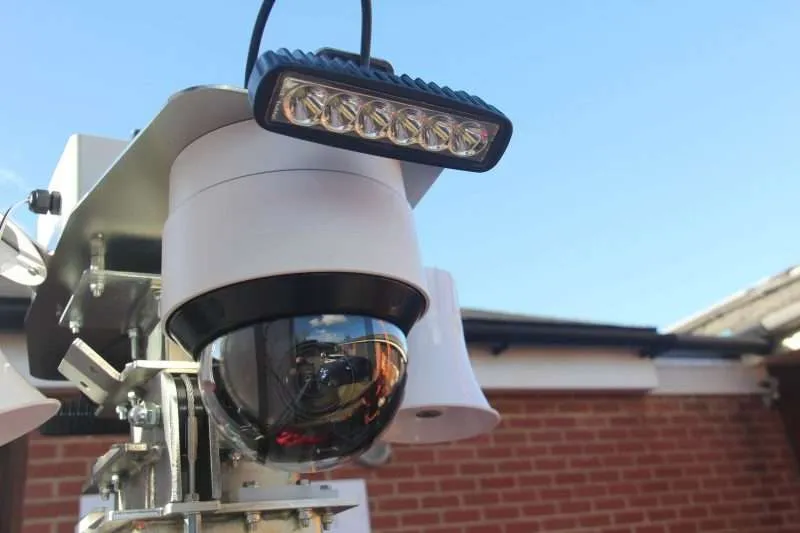
CCTV cameras were first developed in 1942 for military surveillance during World War II.
I’ve studied security tech for years and tested many systems in the field. This article explains clearly when CCTV cameras were invented, how the technology grew, and why that origin still shapes surveillance today. Read on to get a concise history, key milestones, practical implications, and useful takeaways you can use right away.
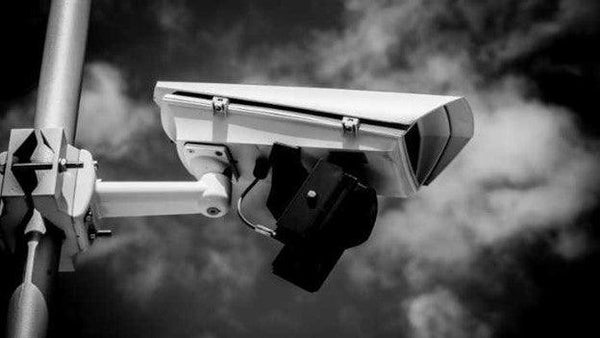
History: when cctv cameras were invented
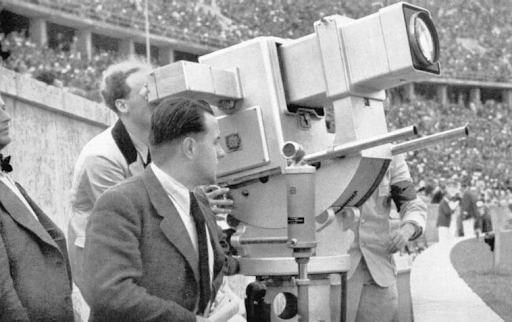
The question of when cctv cameras were invented points to the early 1940s. The first practical closed-circuit television system appeared in 1942. Engineers built it to watch military rocket tests from a safe distance.
After World War II, the idea moved into commercial and public use. By the 1950s and 1960s, banks, stores, and broadcasters adapted CCTV for security and monitoring. The timeline from 1942 to the 1990s shows steady technical improvements that made CCTV common and affordable.
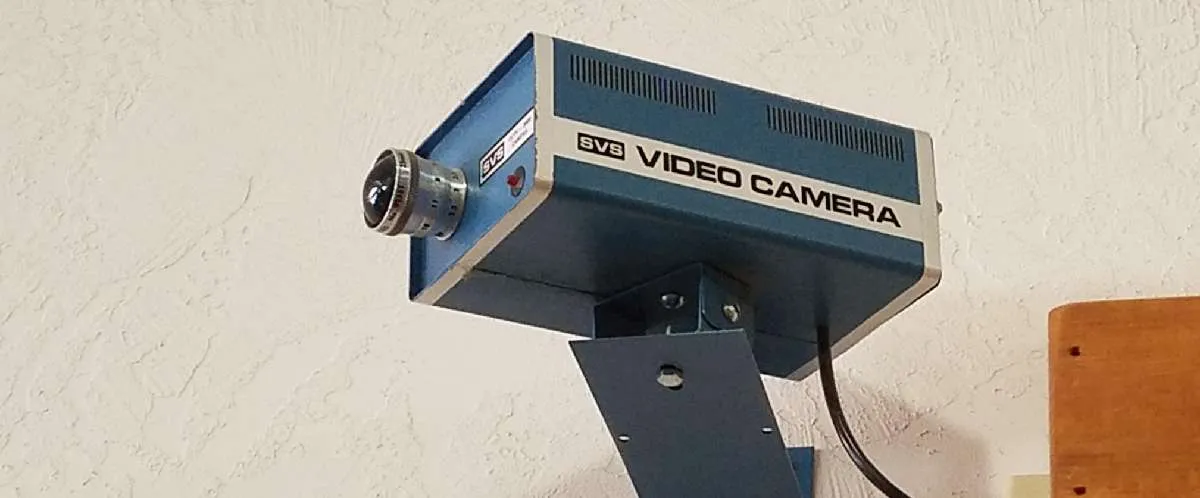
Key inventors and milestones: when cctv cameras were invented
The earliest credited work dates to a German engineer who deployed a closed-circuit system in 1942. That practical implementation proved the value of a private video feed for live observation.
Major milestones that followed include the adoption of video tape recorders in the 1950s and 1960s, the spread of CCTV in public spaces and businesses in the 1970s and 1980s, and the digital and IP transitions in the 1990s and 2000s. Each step built on that original invention and broadened the use of CCTV worldwide.

How CCTV technology evolved since when cctv cameras were invented
CCTV began as simple analog video feeds. Over decades the tech improved in these ways:
- Camera sensors became more sensitive, improving night and low-light coverage.
- Recording moved from film to video tape, then to digital recording and cloud storage.
- Wired systems gave way to networked IP cameras for easier scaling and remote access.
- Software features like motion detection, analytics, and facial recognition were added.
These changes mean modern CCTV is far more flexible than the systems first built in 1942. The original idea — a closed visual feed for monitoring — remains the core concept even as capabilities expanded.
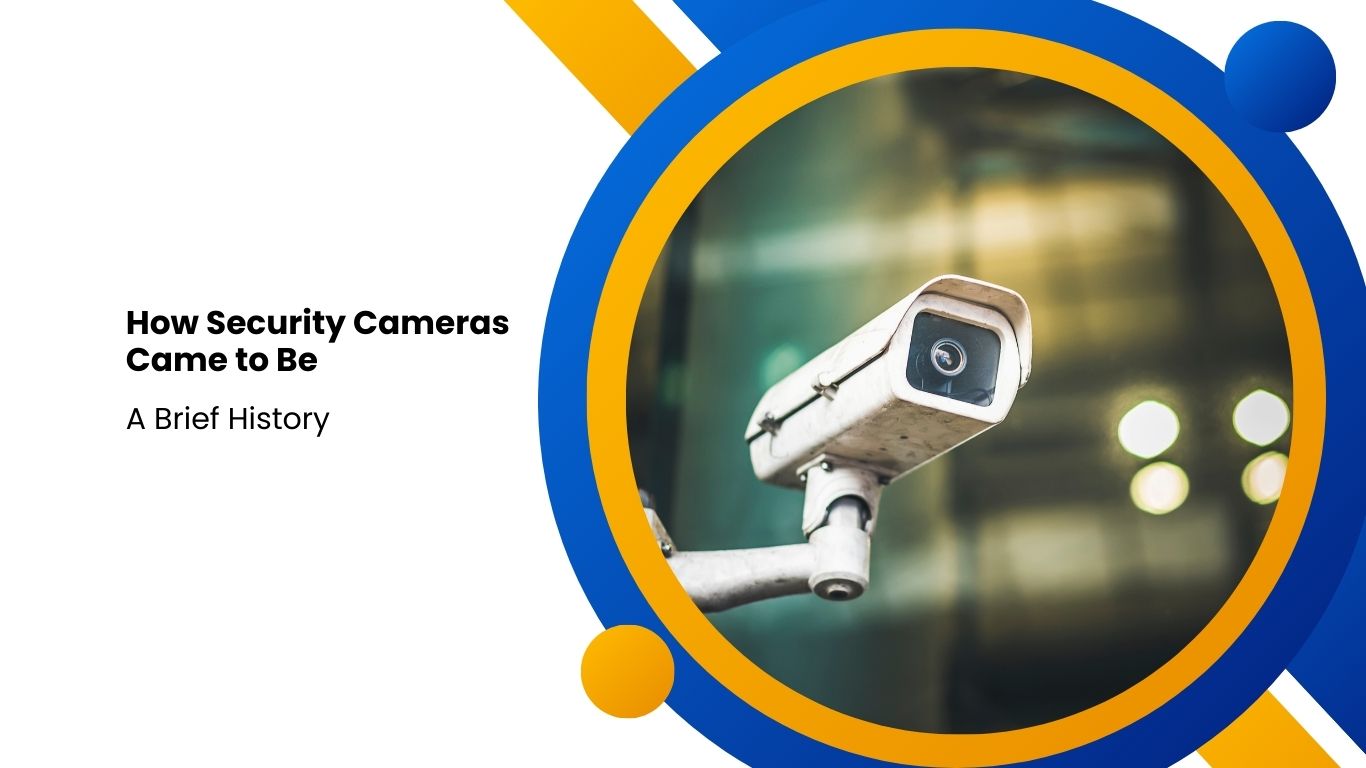
Technical basics: how CCTV works and why the invention mattered
At its simplest, a CCTV system has three parts:
- Camera — captures video and converts light into signals.
- Transmission path — carries the video to a monitor or recorder using cable or network.
- Display/recorder — shows live video and stores footage for later review.
When cctv cameras were invented, the main gain was real-time visual oversight without broadcasting to the public. That control over access and the ability to watch events as they happen changed how safety and operations were managed in many fields.
Uses, benefits, and limitations tied to when cctv cameras were invented
CCTV has many uses and clear benefits, plus some limits rooted in the technology’s origins.
Benefits
- Crime deterrence, faster incident response, and evidence collection.
- Operational monitoring for factories, stores, and public transit.
- Remote supervision that reduces the need for on-site staffing.
Limitations
- Privacy and legal concerns that grew as cameras moved into public spaces.
- Image quality limits for early systems, though modern sensors largely fix this.
- Dependence on storage and proper management to make footage useful.
Understanding when cctv cameras were invented helps explain why early systems focused on closed, controlled monitoring. That design focus still influences debates about privacy and public safety today.
Practical examples and real-world stories from my experience
Early in my career I installed both analog and IP systems. One project involved replacing aging tape systems at a retail chain. The old cameras were relics of the post-war evolution of CCTV. Upgrading to networked cameras made loss prevention much easier. Lessons I learned:
- Test light conditions first. Older systems needed bright light. Modern sensors cope better.
- Plan storage and retention rules. Footage is only useful if you can find it quickly.
- Respect privacy rules. Even if tech lets you record everything, laws and trust matter.
These hands-on experiences confirm that knowing when cctv cameras were invented adds context. The origins show us why some legacy practices persist and how to improve them.

PAA-style questions about when cctv cameras were invented
What year were CCTV cameras invented?
CCTV cameras were first implemented in 1942, when an early closed-circuit system was used for military observation.
Why was the first CCTV developed?
The first CCTV was developed to monitor rocket tests from a safe distance during World War II.
Did CCTV start as public surveillance?
No, CCTV began as a private monitoring tool. Public and commercial use grew later in the mid-20th century.
Frequently Asked Questions of when cctv cameras were invented
When exactly were CCTV cameras invented?
The first practical closed-circuit television system was developed in 1942 for military surveillance during World War II. It was the first known use of CCTV for live observation.
Who built the first CCTV system?
An engineer working for a technology company created the first practical closed-circuit setup in 1942 to observe rocket tests, marking the invention of CCTV as a tool.
When did CCTV move into commercial use?
Commercial and public adoption of CCTV began in the 1950s and 1960s, expanding in the following decades as recording and camera tech improved.
How did recording change CCTV after it was invented?
Recording moved from live-only monitoring to videotape in the 1950s and later to digital recording and cloud storage, making footage review and archiving routine.
Are modern CCTV systems still based on the original invention?
Yes. Modern systems still use the closed-circuit idea of limited access feeds, but they add digital networking, analytics, and higher image quality.
Conclusion
The story of when cctv cameras were invented starts in 1942 and tracks a steady climb from a military monitoring tool to a global security staple. That origin explains why CCTV focuses on controlled, real-time observation and why its adoption raised technical, legal, and ethical questions.
Takeaway: use CCTV thoughtfully. Match camera choice and placement to your needs. Plan recording, privacy, and maintenance before you install. If you found this useful, try upgrading one legacy camera in your space this month and see the difference; leave a comment or subscribe for more practical guides on security tech.

Everett Ashford is a tech reviewer at mytechgrid.com specializing in SSDs, cameras, TVs, earbuds, headphones, and other consumer electronics. He provides honest, data-driven reviews based on hands-on testing and real-world performance analysis. Everett simplifies complex tech details to help readers make smart, confident buying decisions.