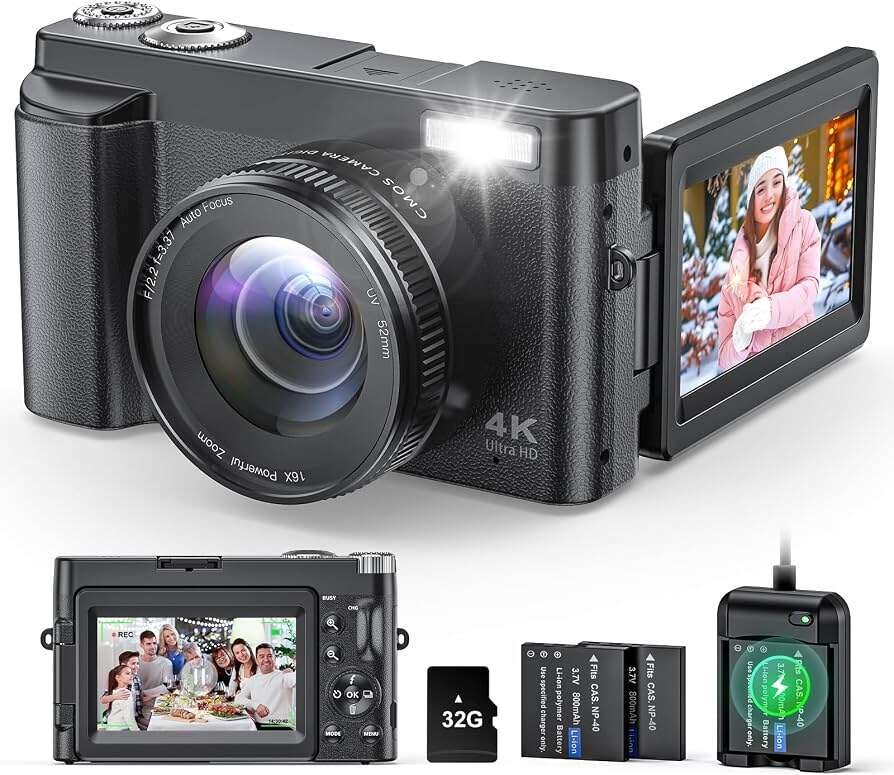
A digital camera gives you better control, image quality, storage, and creative freedom than most basic phone cameras.
Why use a digital camera when a smartphone is always in your pocket? The answer goes beyond megapixels. A dedicated camera gives you control over light, focus, lenses, depth of field, and image files. Whether you photograph family moments, travel, sports, wildlife, or products, understanding why use a digital camera can help you choose the right tool and take more meaningful photos.
What Is a Digital Camera?
A digital camera captures images as electronic data instead of recording them on film. It stores those files on a memory card, where you can view, edit, print, or share them.
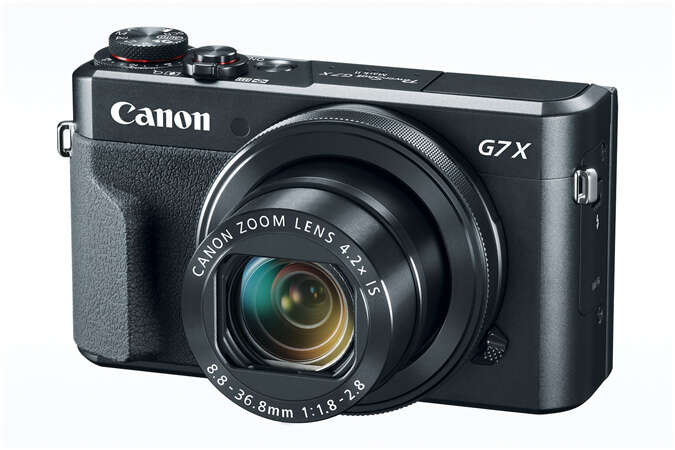
Digital cameras range from small point-and-shoot models to advanced mirrorless and DSLR cameras. Most include manual controls, interchangeable lenses, optical image stabilization, and larger image sensors than basic phone cameras.
The main parts include:
• Image sensor: Captures light and creates the image.
• Lens: Controls the view, focus, and amount of light entering the camera.
• Shutter: Controls how long the sensor receives light.
• Aperture: Controls the lens opening and depth of field.
• Processor: Converts sensor data into a usable image file.
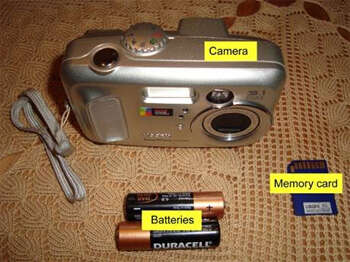
• Memory card: Stores photos and videos.
A digital camera works much like a skilled artist with a full set of brushes. A phone may create a good image quickly, but a camera lets you decide how the image should look.

Why Use a Digital Camera?
The strongest reason to use a digital camera is control. You can shape the final image instead of relying mainly on automatic software.
Here are the main benefits.
Better Image Quality
Digital cameras often use larger sensors than smartphones. A larger sensor can collect more light, which may improve detail, color, and low-light performance.
This difference becomes clear in difficult conditions. A camera can often preserve more detail in dark shadows and bright skies. It may also produce cleaner images at higher ISO settings.
Image quality depends on more than megapixels. It also depends on:
• Sensor size
• Lens quality
• Dynamic range
• Focus accuracy
• Image processing
• Shooting technique
A phone can produce excellent photos in bright light. However, a dedicated camera usually gives you more detail and flexibility when conditions become harder.
More Creative Control
A major reason why use a digital camera is the ability to control exposure. You can adjust shutter speed, aperture, and ISO to match your subject and lighting.
For example:
• Use a fast shutter speed to freeze a child running.
• Use a slow shutter speed to create smooth waterfall movement.
• Use a wide aperture to blur the background.
• Use a low ISO to reduce image noise.
• Use exposure compensation to make an image brighter or darker.
These settings help you turn a simple snapshot into a planned photograph. They also help you understand how light works.
Interchangeable Lenses
Many mirrorless and DSLR cameras support interchangeable lenses. Each lens has a different purpose.
A wide-angle lens works well for landscapes, buildings, and rooms. A telephoto lens brings distant subjects closer. A macro lens reveals tiny details in flowers, insects, jewelry, and products.
Common lens types include:
• Wide-angle lenses for travel and architecture
• Standard lenses for everyday photography
• Portrait lenses for people and events
• Telephoto lenses for sports and wildlife
• Macro lenses for close-up work
A phone may offer several built-in cameras, but a dedicated lens often provides better optical quality and greater control.
Better Performance in Low Light
Low light is one of the clearest answers to why use a digital camera. A larger sensor and bright lens can capture more light without making the image too noisy.
This helps when photographing:
• Indoor events
• Concerts
• Restaurants
• Evening streets
• Night landscapes
• Family gatherings
A camera will not remove every low-light problem. You still need good technique, a suitable lens, and sometimes a tripod. Still, the larger sensor and manual controls give you more options.
Faster and More Accurate Focus
Modern mirrorless and DSLR cameras can focus quickly on people, animals, cars, and other moving subjects. Many models offer eye detection and subject tracking.
This is useful for:
• Sports
• Weddings
• Children
• Pets
• Birds
• Street photography
Autofocus performance varies by model and lens. A high-end camera is not automatically better in every situation, but dedicated focus systems can offer a major advantage over basic phone autofocus.

Digital Camera Benefits for Different Types of Photography
The best reason to use a digital camera depends on what you photograph. A travel photographer has different needs from a wildlife photographer or a parent taking family photos.
Travel Photography
A digital camera can help you capture sharp landscapes, detailed buildings, and natural portraits. A zoom lens can cover many views without forcing you to move close to or far from your subject.
A small mirrorless camera may offer a good balance between size and image quality. Bring extra batteries, a memory card, and a simple lens cloth. Dust, rain, and dead batteries can turn a great trip into a frustrating one.
Portrait Photography
Portrait cameras allow you to control background blur and skin tones. A wide-aperture lens can separate the subject from a busy background.
Good portrait results also depend on light and communication. A costly camera cannot replace a relaxed subject, thoughtful framing, or soft light from a window.
Sports and Action Photography
Sports require fast shutter speeds, responsive autofocus, and quick burst shooting. A digital camera gives you more control over these settings.
Use a shutter speed of around 1/1000 second for many fast sports scenes. The exact setting depends on the sport, light, lens, and desired motion blur.
Wildlife Photography
Wildlife photography benefits from long lenses, strong autofocus, and good high-ISO performance. A telephoto lens lets you photograph animals without getting too close.
Respect for wildlife matters as much as camera gear. Keep a safe distance, avoid disturbing animals, and follow local rules.
Product and Small Business Photography
A digital camera can create clean product photos for online stores, menus, catalogs, and social media. Manual exposure helps keep a consistent look across many images.
Use a tripod, simple background, and soft light. Consistency often matters more than expensive equipment.

Digital Camera vs. Smartphone Camera
The debate between a digital camera and a smartphone camera is not about one tool winning every time. Each tool serves a different purpose.
When a Smartphone Is Better
A smartphone is often the better choice when you need speed and convenience. It is easy to carry, simple to share, and useful for casual moments.
Smartphones also use computational photography. This process combines several exposures and applies software adjustments to improve brightness, sharpness, and color.
Choose a smartphone when you need:
• Fast sharing
• A light travel setup
• Casual family photos
• Quick social media content
• Easy automatic processing
When a Digital Camera Is Better
A digital camera is usually better when you need control, lens choice, strong low-light performance, or professional image files.
Choose a digital camera when you need:
• High-quality prints
• RAW files for editing
• Background blur
• Long-range zoom
• Fast action capture
• Greater control over exposure
• Consistent results for paid work
The best approach may be to use both. A phone can handle quick memories, while a camera can handle important events and creative projects.

RAW Files and Image Editing
Another important reason why use a digital camera is access to RAW files. A RAW file keeps much more image data than a typical JPEG file.
RAW files give you more control over:
• Brightness
• White balance
• Shadow detail
• Highlight recovery
• Color grading
• Noise reduction
A RAW file is not automatically a finished image. It is more like a digital negative. You need editing software to process it.
JPEG files are smaller and ready to share. They are useful when you want simple storage and quick results. RAW files are better when you plan to edit carefully or print the image.
A practical workflow looks like this:
-
Copy your photos to a computer or secure drive.
-
Keep the original files unchanged.
-
Select the best images.
-
Adjust exposure, color, and crop.
-
Export copies for print or online use.
-
Back up the final files in a second location.
A good backup system follows the simple 3-2-1 idea: keep three copies, on two types of storage, with one copy stored away from your main device.
Limitations of Using a Digital Camera
A balanced guide to why use a digital camera should also explain the drawbacks. A camera is powerful, but it is not always the easiest choice.
Higher Cost
The camera body is only one part of the total cost. You may also need lenses, batteries, memory cards, a bag, a tripod, and editing software.
Set a complete budget before buying. A less expensive body with a good lens may produce better results than an expensive body with a poor lens.
More Equipment to Carry
Cameras can be heavy and less convenient than phones. Large lenses add weight and attract attention.
For daily use, consider a small mirrorless camera or compact model. The best camera is the one you will carry and use.
A Steeper Learning Curve
Manual controls can seem confusing at first. Terms such as aperture, shutter speed, ISO, focal length, and exposure may take time to learn.
Start with aperture priority mode. It lets you control depth of field while the camera chooses a suitable shutter speed. Then practice manual exposure in simple lighting.
Editing Takes Time
High-quality files often need sorting, editing, and backup. This process can feel slow if you only want to share a photo quickly.
Create a simple workflow. Import, select, edit, export, and back up. A routine keeps the process manageable.

How to Choose the Right Digital Camera
Choosing a digital camera becomes easier when you start with your needs instead of brand names.
Select the Camera Type
Compact cameras are small and simple. They work well for travel and casual photography.
Mirrorless cameras are often lighter than DSLRs and offer electronic viewfinders, strong video features, and interchangeable lenses.
DSLR cameras offer optical viewfinders, long battery life, and a large selection of lenses. They can be excellent choices, especially when buying used equipment.
Compare Sensor Sizes
Common sensor sizes include:
• Full frame for strong low-light performance and shallow depth of field
• APS-C for a balance of size, cost, and image quality
• Micro Four Thirds for compact lenses and lightweight kits
• One-inch sensors for small cameras with better quality than basic compact models
A larger sensor can offer advantages, but it also may increase cost and camera size. Sensor size is only one part of the decision.
Consider the Lens System
A camera body connects you to a lens system. Check the price, size, and availability of lenses before you buy.
For beginners, a kit zoom lens is often a useful starting point. It can cover wide views and moderate telephoto views without requiring several lenses.
Check Essential Features
Look for features that match your style:
• Reliable autofocus
• Good battery life
• Image stabilization
• Weather sealing
• Comfortable controls
• A clear viewfinder
• Strong video performance
• Wireless transfer
• A responsive touchscreen
Do not pay for features you will never use. A simple camera that fits your hands may be more valuable than a complex model with advanced tools.

Practical Tips for Better Digital Camera Photos
Good results come from technique as much as equipment. These habits can improve your photos with almost any camera.
Learn the Exposure Triangle
The exposure triangle includes aperture, shutter speed, and ISO.
Aperture controls the lens opening and background blur. Shutter speed controls motion and exposure time. ISO controls sensor sensitivity, but higher ISO settings may add noise.
Change one setting at a time while practicing. This makes cause and effect easier to understand.
Watch the Light
Light is the raw material of photography. Soft window light can flatter a portrait, while harsh midday light can create deep shadows.
Move your subject, change your angle, or wait for better light. Small changes can make a bigger difference than a new camera.
Hold the Camera Steady
Keep both hands on the camera. Support the lens with one hand and press the shutter gently.
Use a tripod for long exposures, night scenes, and product photos. Image stabilization helps, but it cannot stop subject movement.
Check the Background
A distracting background can weaken a strong subject. Look around the edges of the frame before pressing the shutter.
Move closer, change your angle, or use a wider aperture. Clean backgrounds help the viewer notice what matters.
Avoid Common Beginner Mistakes
New photographers often make the same mistakes:
• Using a slow shutter speed for moving subjects
• Forgetting to charge spare batteries
• Shooting only from eye level
• Ignoring the background
• Overusing digital zoom
• Failing to back up photos
• Buying gear before learning basic exposure
The most useful lesson is simple: practice with the equipment you already own before upgrading.

A Simple Digital Camera Buying Plan
Use this process to make a confident choice.
-
Decide what you photograph most.
-
Set a total budget for the body, lens, battery, card, and bag.
-
Choose between compact, mirrorless, and DSLR models.
-
Compare sensor size and autofocus performance.
-
Hold the camera if possible.
-
Check the cost of suitable lenses.
-
Read independent reviews and user feedback.
-
Consider a reputable used camera dealer.
-
Buy one useful lens before building a large kit.
-
Practice for several weeks before judging the camera.
Used equipment can offer excellent value. Check the sensor, lens glass, battery condition, shutter count, ports, buttons, and autofocus. Buy from a seller with a clear return policy when possible.
Frequently Asked Questions About Why Use a Digital Camera
Why use a digital camera instead of a phone?
A digital camera offers larger sensors, interchangeable lenses, manual controls, and better access to RAW files. A phone is often more convenient, but a camera gives you more control and flexibility.
Is a digital camera worth it for beginners?
Yes, if you want to learn photography or need more control than a phone provides. Start with an affordable mirrorless, DSLR, or compact model and focus on learning basic exposure.
Do digital cameras take better pictures than smartphones?
They can, especially in low light, fast action, portraits, and situations that require strong optical zoom. However, lighting, technique, and editing also affect image quality.
What is the best digital camera for everyday use?
The best model is small enough to carry, comfortable to hold, and compatible with lenses that match your needs. A compact camera or entry-level mirrorless model works well for many people.
Should I buy a DSLR or mirrorless camera?
Mirrorless cameras are often smaller and offer modern autofocus and video features. DSLRs can provide excellent image quality, long battery life, and access to affordable used lenses.
Do I need to shoot in RAW?
You do not need RAW for every photo. Use RAW when you want maximum editing control, and use JPEG when you want smaller files that are ready to share.
Conclusion
A digital camera gives you more than higher image quality. It gives you control over light, focus, motion, lenses, depth of field, and editing. That control makes it valuable for travel, portraits, sports, wildlife, products, and anyone who wants to grow as a photographer.
The best reason why use a digital camera is that it helps you make deliberate images instead of simply recording what is in front of you. Start with a camera that fits your budget and your daily life, learn the basic settings, and practice often. Explore more photography guides, build your skills, and share your favorite images with others.

Everett Ashford is a tech reviewer at mytechgrid.com specializing in SSDs, cameras, TVs, earbuds, headphones, and other consumer electronics. He provides honest, data-driven reviews based on hands-on testing and real-world performance analysis. Everett simplifies complex tech details to help readers make smart, confident buying decisions.