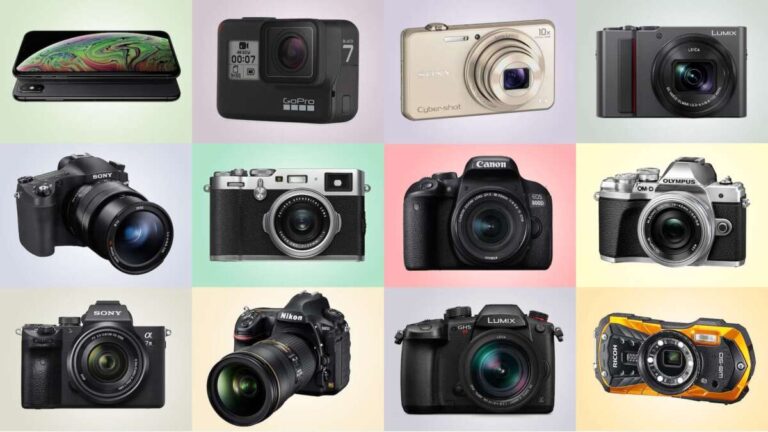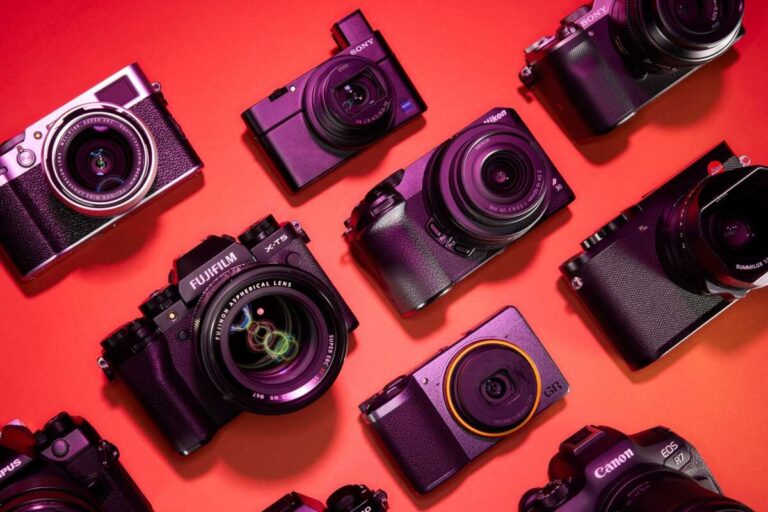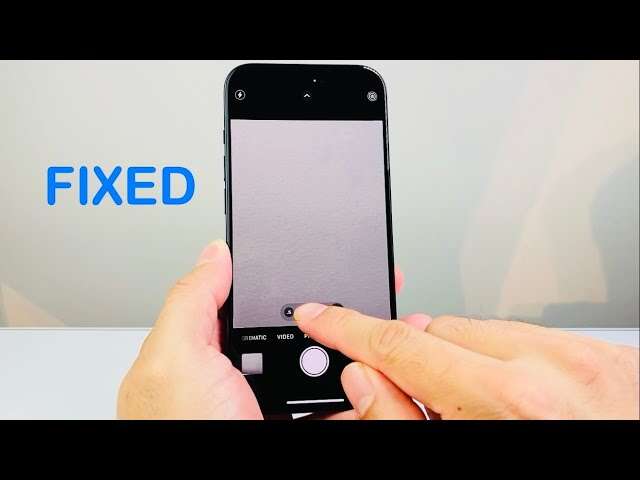
A digital camera delivers better control, image quality, and creative freedom than most phones can provide.
If you are wondering why buy a digital camera, the answer goes beyond megapixels. A dedicated camera gives you stronger lenses, larger sensors, faster controls, and more room to grow as a photographer. After comparing camera systems, shooting styles, and real-world needs, I have found that the best choice depends on how you want to create, not just what device you already own.
Why Buy a Digital Camera?
The main reason to buy a digital camera is control. A phone makes many choices for you, while a camera lets you shape the photo yourself. You can adjust shutter speed, aperture, ISO, focus, and white balance to match the scene.
This control matters when light is poor, a subject moves fast, or you want a certain look. A camera can help you freeze a soccer player, blur a waterfall, or capture a clean portrait with a soft background.
A digital camera also gives you a larger image sensor and a real optical lens. These parts often collect more light than a phone camera can. The result can be better detail, less noise, and more natural depth.
You may also buy a digital camera because photography feels more focused with one. A phone is built for calls, apps, and quick snapshots. A camera is built to help you see, compose, and create.
Better Image Quality in More Conditions
Image quality is one of the clearest answers to why buy a digital camera. Modern phones take excellent photos in good light, but dedicated cameras still have major advantages in difficult scenes.
A larger sensor can capture more light. This helps the camera produce cleaner images at night or indoors. It can also preserve more detail in bright skies and dark shadows.
The lens plays an equally important role. A phone may use digital cropping to make a subject look closer. A camera can use optical zoom, which keeps more detail because the lens changes the view before the image reaches the sensor.
A digital camera can be especially useful for:
• Night photography with less grain
• Indoor events with dim light
• Wildlife and sports photography
• Portraits with natural background blur
• Landscape photos with strong detail
• Product photos for online stores
• Large prints for walls or albums
In my experience helping people compare cameras, many expect a dramatic difference in every photo. The real difference appears most often in hard conditions. A phone may win for speed, but a camera often wins when the light, distance, or movement becomes difficult.
More Creative Control
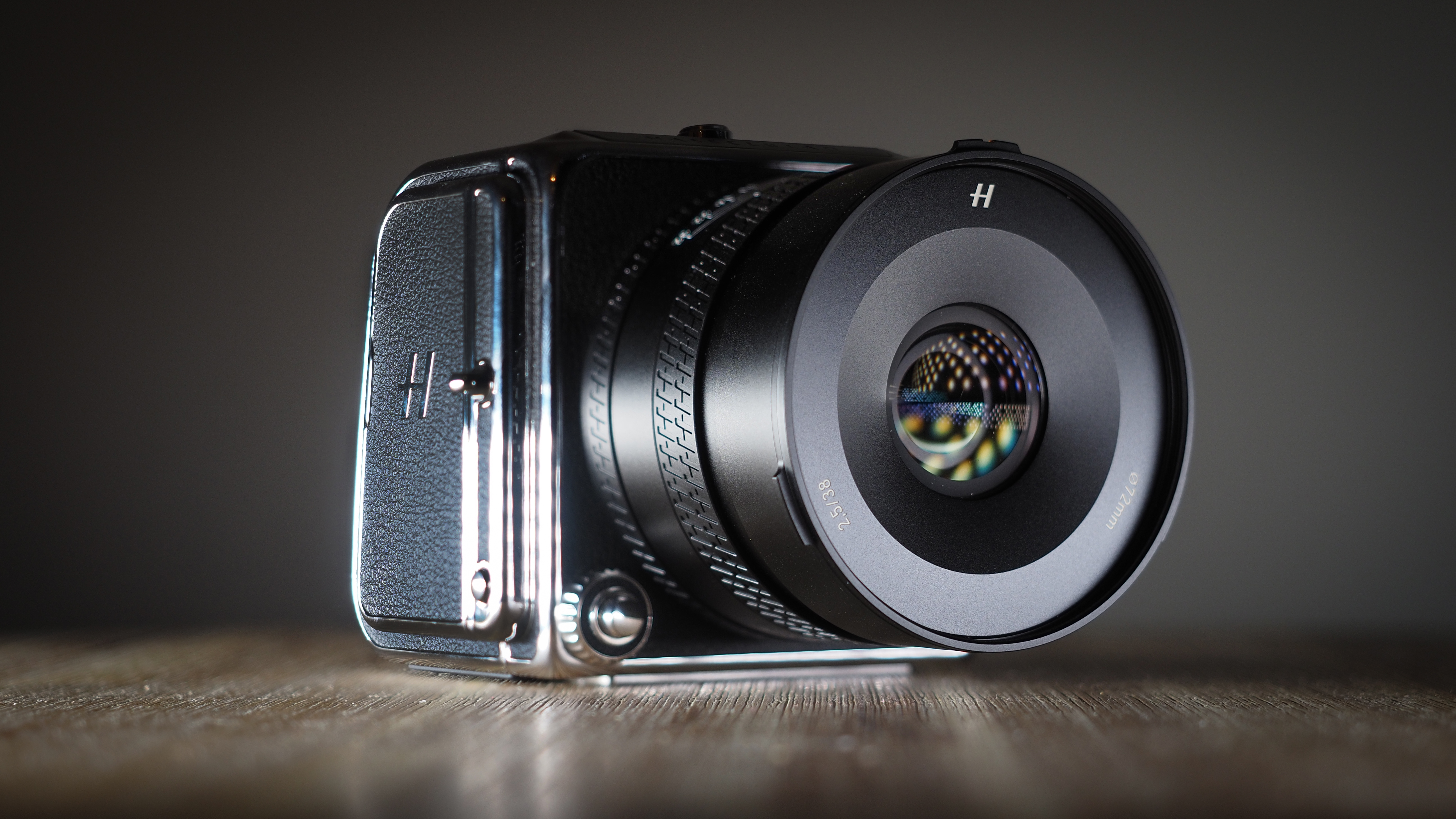
A camera gives you direct control over the three parts of exposure: aperture, shutter speed, and ISO. These settings work together like the controls on a car. Once you understand them, you can make a photo look intentional instead of accepting whatever the device chooses.
Aperture controls the lens opening. A wide aperture lets in more light and can create a soft background. A narrow aperture keeps more of a landscape or group in focus.
Shutter speed controls how long the sensor gathers light. A fast shutter can freeze a bird in flight. A slow shutter can show motion in a waterfall, car trail, or moving crowd.
ISO controls the sensor’s light sensitivity. A higher ISO helps in dark places, but it can add image noise. A lower ISO usually gives a cleaner image when enough light is available.
Manual control is a major reason why buy a digital camera for learners and serious creators. It teaches you how photography works. Each setting becomes a tool, not a mystery.
You can also shoot in RAW format. RAW files keep more image data than compressed JPEG files. This gives you more flexibility when correcting exposure, color, and shadows during editing.
Interchangeable Lenses Expand Your Options
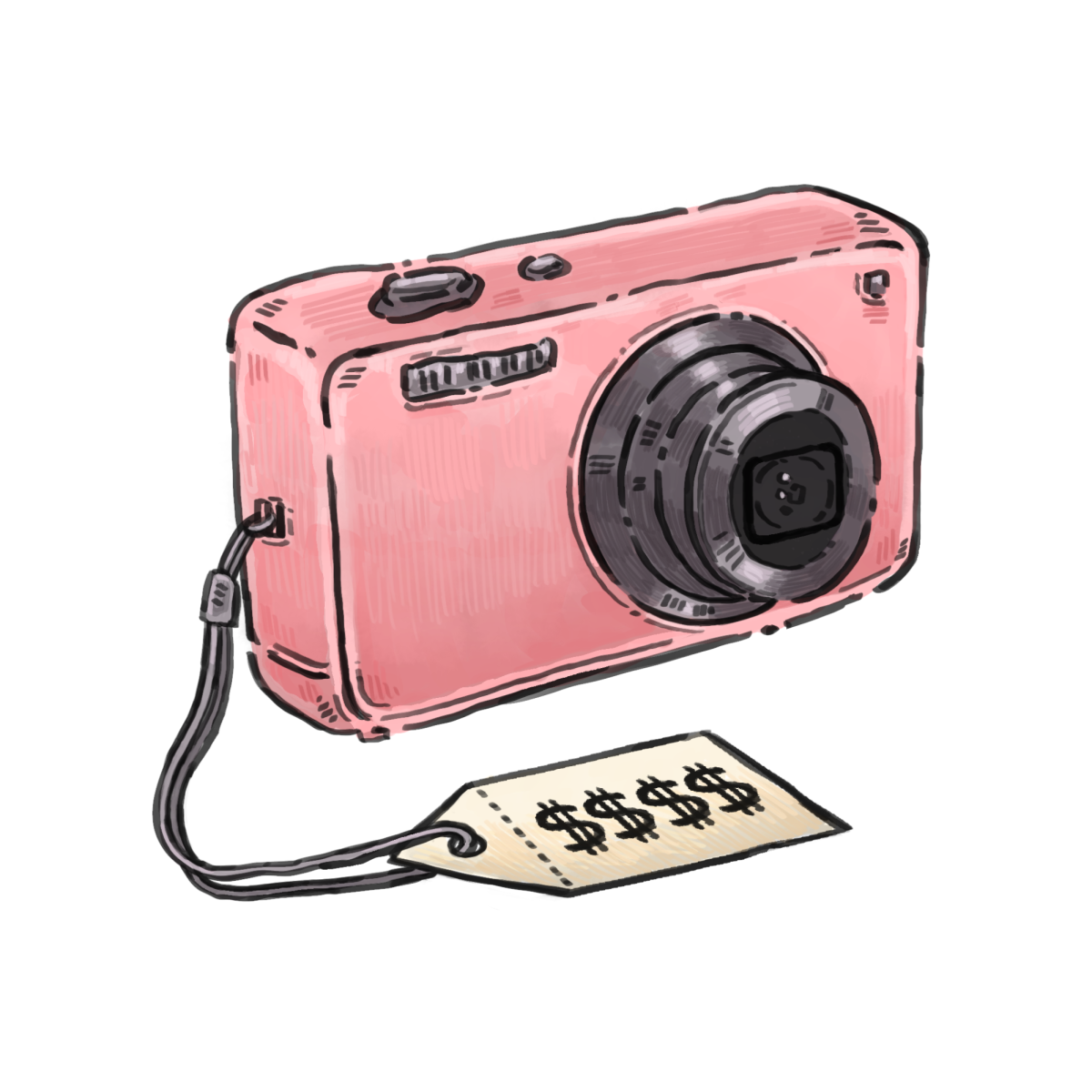
One of the strongest reasons to buy a digital camera is access to interchangeable lenses. A camera body can serve many purposes when paired with the right lens.
A wide lens can capture a full room, tall building, or wide landscape. A telephoto lens can bring distant wildlife or sports action closer. A macro lens can reveal details in flowers, jewelry, insects, and small products.
Common lens types include:
• Wide angle lenses for travel, architecture, and landscapes
• Standard lenses for daily use and street photography
• Portrait lenses for people and soft backgrounds
• Telephoto lenses for sports, wildlife, and distant subjects
• Macro lenses for close-up detail
• Zoom lenses for flexible travel and event shooting
This flexibility can save money over time. Instead of replacing the whole camera, you can add one lens that solves a new creative problem.
There is a trade-off. Lenses cost money, add weight, and require care. A simple camera with one good lens may serve you better than an expensive kit that stays in a closet.

A Digital Camera Helps You Learn Photography
A phone can take a good photo with one tap. That convenience is useful, but it can hide the choices behind the image. A digital camera makes those choices easier to see and practice.
You begin to notice the direction of light, the distance between subjects, and the effect of focal length. You learn why a face looks different with a wide lens than with a portrait lens.
This learning process can improve your phone photography too. Once you understand exposure and composition, you start making better images with almost any device.
A useful learning plan is simple:
-
Start in aperture priority mode.
-
Practice with one lens for a month.
-
Review your photos and note what worked.
-
Learn shutter speed before buying more gear.
-
Try manual mode when you feel ready.
One mistake I often see is buying advanced gear before learning basic composition. A modest camera used often will teach you more than a costly camera left on automatic mode.

Better Performance for Action and Wildlife
If you photograph children, pets, sports, birds, or cars, a digital camera can offer faster and more reliable performance. Many dedicated cameras have advanced autofocus systems that track moving subjects across the frame.
A camera may also shoot at a higher burst rate. This allows you to capture a short series of frames instead of relying on one moment. That matters when a player jumps, a dog catches a ball, or a child suddenly smiles.
Long lenses provide another advantage. They let you photograph action from a safe or respectful distance. This is useful at sporting events, nature areas, and school performances.
Still, specifications do not tell the whole story. Autofocus performance depends on the lens, light, subject movement, and camera settings. Read independent tests and look at sample images before you buy.
Stronger Tools for Video and Content Creation
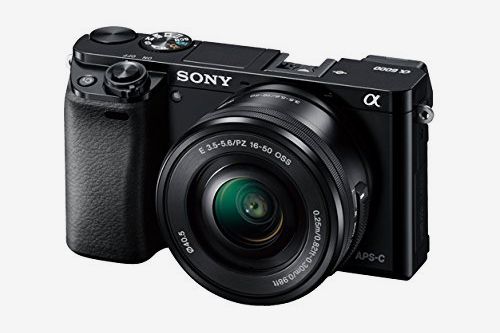
Many digital cameras now support high-quality video. They can offer better background blur, improved low-light performance, and more lens choices than a basic webcam or phone.
A camera can help with:
• YouTube videos
• Interviews
• Online courses
• Travel films
• Product demonstrations
• Livestreaming
• Short-form social media content
Look for features such as a microphone input, headphone monitoring, a fully rotating screen, reliable autofocus, and good heat control. Image stabilization can also help when you shoot while walking.
A camera is not always the best video choice. Phones are often faster for editing and posting. Cameras may require extra batteries, memory cards, lights, microphones, and editing software.
This is an important limitation. The best camera for content creation is the one that fits your workflow. A complex setup may produce better files but slow you down so much that you publish less.
Digital Cameras Preserve Important Memories
A digital camera can make family events and personal milestones feel more intentional. Birthdays, graduations, weddings, trips, and everyday moments all deserve images that you can revisit years later.
High-resolution files give you more choices. You can crop a photo, print it, create a photo book, or share it on a large screen. A camera also encourages you to notice moments that a quick phone snapshot may miss.
For family use, ease matters more than advanced features. Choose a camera with:
• Simple controls
• Reliable automatic mode
• Comfortable grip
• Good battery life
• Easy wireless transfer
• A lens that covers common distances
One practical lesson is to keep the camera ready. A camera in a bag with a charged battery is much more useful than one stored in a box with an empty battery.

Digital Camera vs. Smartphone Camera
The question is not always whether a digital camera is better than a phone. Often, the better question is which tool suits the moment.
A smartphone is ideal when you need speed, convenience, automatic processing, and instant sharing. It is light, familiar, and usually with you.
A digital camera is better when you want control, lens choice, strong low-light results, fast action capture, or high-quality files for editing and printing.
Here is a simple comparison:
| Feature | Smartphone | Digital camera |
|---|---|---|
| Convenience | Excellent | Good |
| Pocket size | Excellent | Limited |
| Manual control | Basic to advanced, depending on model | Strong |
| Optical zoom | Limited on many models | Broad lens options |
| Low-light control | Strong computational processing | Strong sensor and lens options |
| Background blur | Often software-based | Naturally produced by lens and sensor |
| File flexibility | Usually limited | RAW and advanced formats |
| Instant sharing | Excellent | Good with Wi-Fi or Bluetooth |
| Battery replacement | Usually not easy | Easy with spare batteries |
Computational photography has narrowed the gap. Phones can combine several images, remove noise, and improve dynamic range. Dedicated cameras still provide more direct control and a more natural path for serious editing.
Which Type of Digital Camera Should You Buy?
The best digital camera depends on your goals, budget, and comfort with gear. You do not need the most expensive model to get strong results.
Point-and-shoot cameras
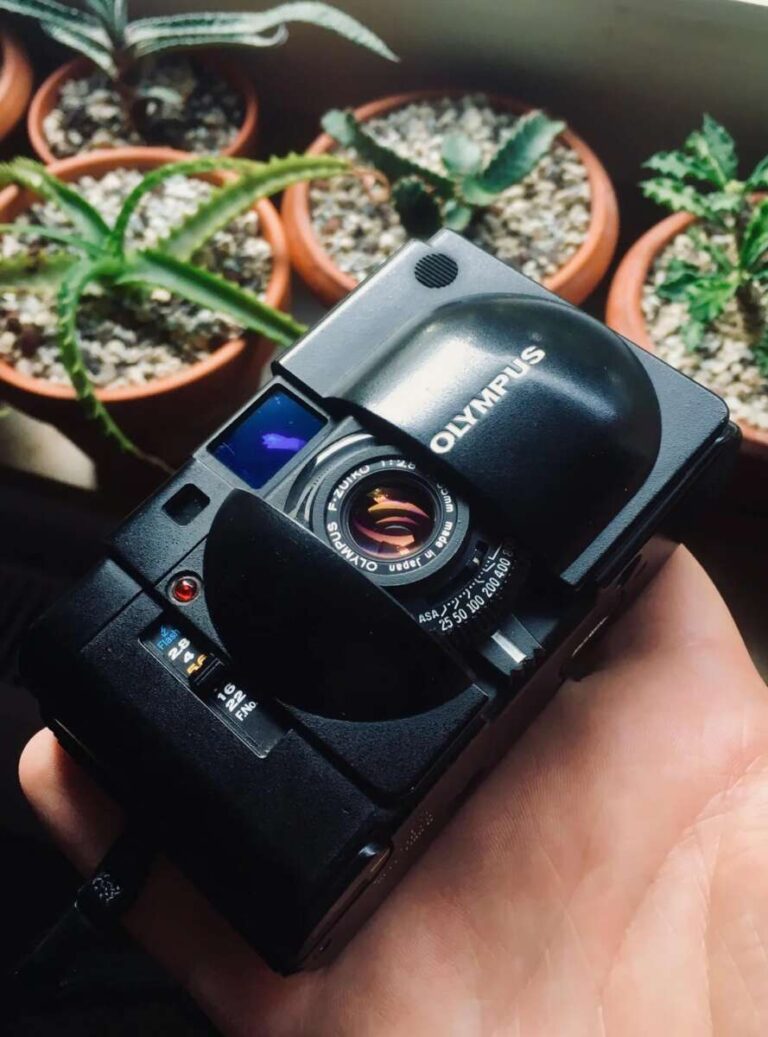
These are small and simple. They suit travelers, families, and people who want better zoom than a phone without changing lenses.
Mirrorless cameras
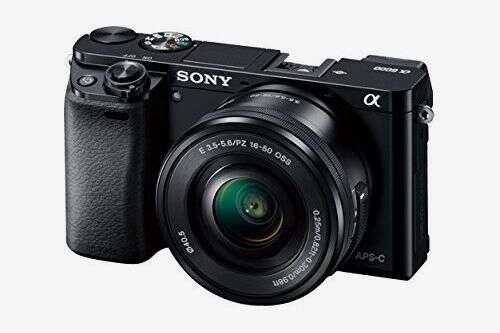
Mirrorless cameras are compact compared with many traditional designs. They offer interchangeable lenses, strong video tools, electronic viewfinders, and advanced autofocus.
DSLR cameras
DSLRs use an optical viewfinder and have a large range of used lenses and accessories. They can provide excellent image quality, though many brands now focus more on mirrorless systems.
Medium-format cameras
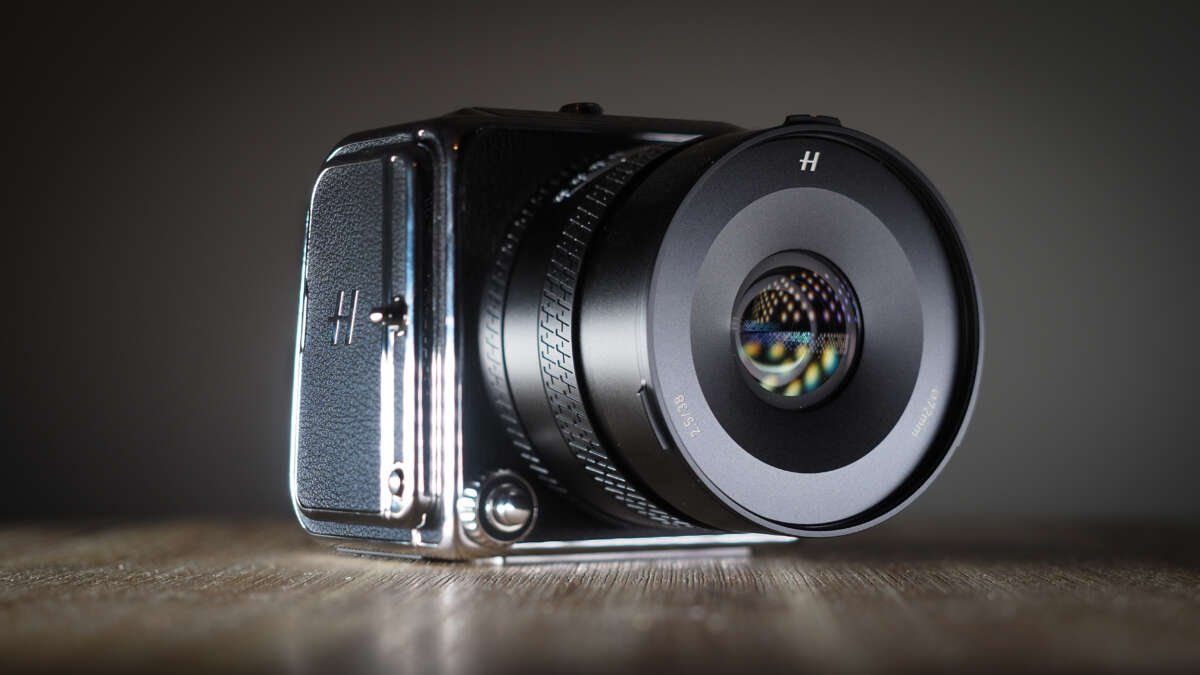
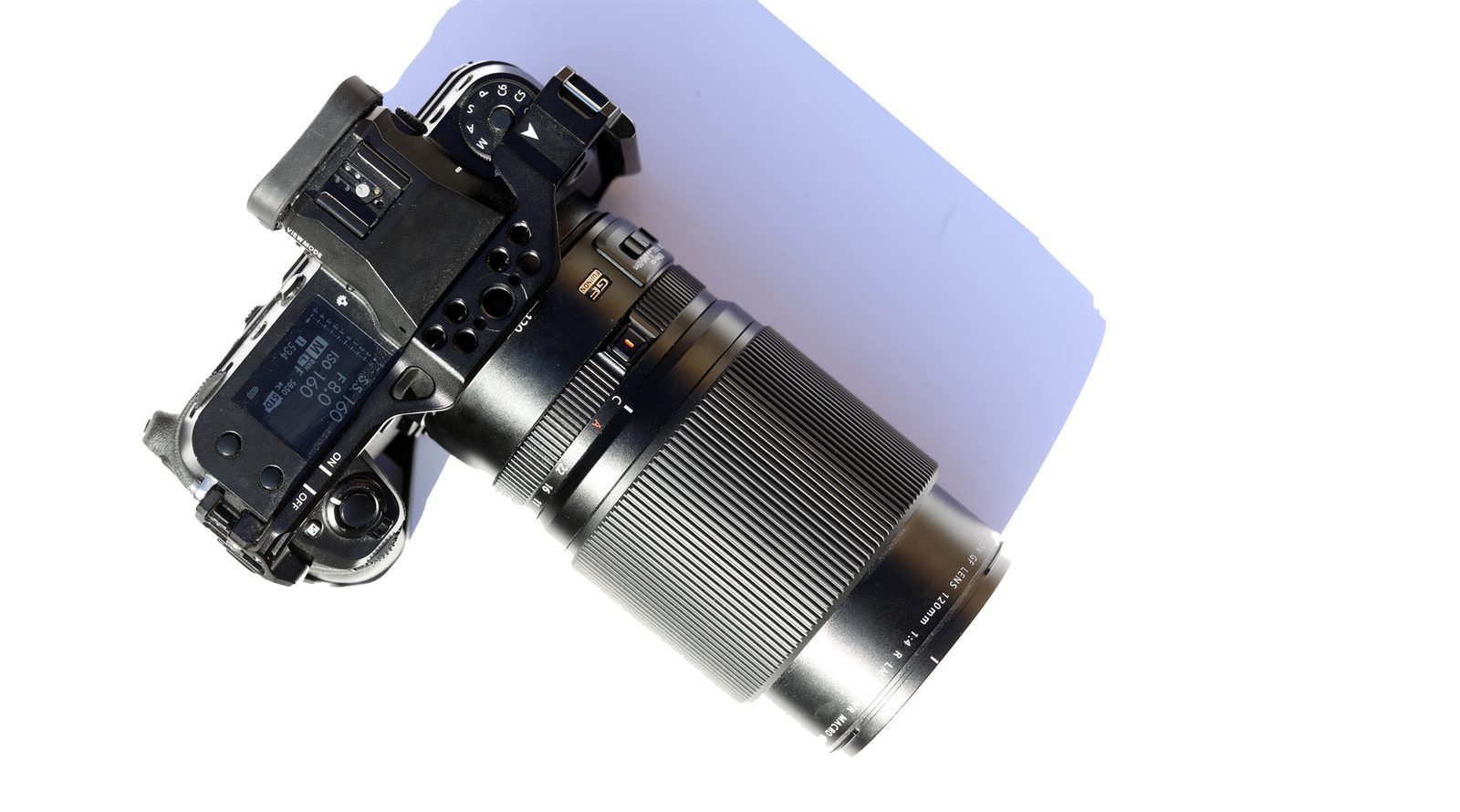
These cameras use larger sensors and can produce exceptional detail and tonal range. They are powerful tools for commercial, fashion, and fine-art work, but they are costly and less portable.
Before you buy, ask yourself:
• What subjects will I photograph most?
• Do I need interchangeable lenses?
• Will I record video?
• How much weight will I carry?
• Can I afford extra batteries and lenses?
• Do I prefer a viewfinder or a screen?
Costs and Limitations to Consider
Buying a digital camera is not only about the body. You may also need a lens, memory card, spare battery, camera bag, tripod, flash, and editing software.
A basic kit can become expensive if you buy accessories without a plan. Start with one camera and one versatile lens. Add gear only when you meet a clear limitation.
There is also a learning curve. A camera may feel slow at first because it offers more choices. You must learn menus, exposure, focus modes, file types, and care.
Travel is another concern. A camera can attract attention and add weight. You should use a secure bag, keep equipment dry, and carry only what you need.
Finally, technology changes quickly. New models may offer better autofocus or video features, but older cameras can still create excellent images. A skilled photographer with an older camera can often outperform a beginner with the latest model.
How to Get More Value From a Digital Camera
To make your purchase worthwhile, build habits instead of collecting equipment. Practice often, review your images, and learn from missed shots.
Try these simple steps:
-
Read the camera manual in small sections.
-
Learn what aperture, shutter speed, and ISO do.
-
Use one lens until you know its strengths.
-
Photograph the same subject in different light.
-
Back up your photos in two places.
-
Edit lightly and keep the original files.
-
Clean the lens with proper tools.
-
Protect batteries from extreme heat and cold.
A good backup plan matters. Memory cards can fail, and devices can be lost. Keep important images on an external drive and a trusted cloud service.
Also, do not compare your first month of photos with someone else’s tenth year. Photography improves through repetition. Every missed focus point teaches you something useful.
Frequently Asked Questions About Why Buy a Digital Camera
Is a digital camera better than a smartphone?
A digital camera is often better for lens choice, manual control, fast action, low-light work, and high-quality editing. A smartphone is usually better for convenience, automatic processing, and instant sharing.
Why buy a digital camera if phones take great photos?
Phones take great photos in many situations, but a digital camera gives you more control and flexibility. It also supports optical lenses, RAW files, stronger subject tracking, and more natural control over depth of field.
Are digital cameras hard to learn?
They can feel complex at first, but you can begin with automatic or aperture priority mode. Learn one setting at a time, and the camera will become easier to use within a few weeks of regular practice.
Do I need an expensive camera for good photos?
No. An entry-level mirrorless camera, DSLR, or compact camera can produce excellent results. Skill, light, composition, and lens choice often matter more than the price of the camera body.
Is a mirrorless camera better than a DSLR?
Neither is always better. Mirrorless cameras are often smaller and offer modern autofocus and video features, while DSLRs can provide long battery life and access to many affordable used lenses.
What should I buy with a digital camera?
Start with a suitable lens, memory card, spare battery, and protective bag. Add a tripod, microphone, flash, or editing software only when your photography requires it.
Conclusion
A digital camera can give you better control, stronger image quality, flexible lenses, and a deeper understanding of photography. It is especially valuable for portraits, travel, sports, wildlife, video, low-light scenes, and large prints.
The best reason to buy a digital camera is that it matches your creative goals. Choose a system you will carry, learn, and use often rather than chasing the most expensive specifications.
Think about the subjects you love, set a realistic budget, and start with simple gear. Explore trusted camera guides, compare sample images, and share your photography journey with others.

Everett Ashford is a tech reviewer at mytechgrid.com specializing in SSDs, cameras, TVs, earbuds, headphones, and other consumer electronics. He provides honest, data-driven reviews based on hands-on testing and real-world performance analysis. Everett simplifies complex tech details to help readers make smart, confident buying decisions.