Choose the ear tip that seals your ear gently, stays secure, and feels comfortable without pressure or pain.
Learning how to pick the right earbud size is more than choosing small, medium, or large tips. A proper fit affects comfort, sound quality, noise isolation, battery use, and even how safely you listen. After testing many earbud styles and making a few poor fit choices myself, I have found that the best size is the one that creates a light seal without feeling trapped in your ear.
Why earbud size matters
Earbud size affects how well the earbud sits inside your ear canal. If the tip is too small, it may loosen, leak sound, and fall out. If it is too large, it can cause soreness, pressure, or a blocked feeling.
The correct fit works like a soft cork in a bottle. It closes the gap without forcing its way in. This seal helps your earbuds deliver clear bass and reduces outside noise.
Knowing how to pick the right earbud size can also help you avoid turning up the volume to cover background sounds. Long exposure to loud sound can increase the risk of hearing damage, so a stable and comfortable fit is an important part of safer listening.
Earbud size can also affect:
• Bass strength and overall sound balance
• Passive noise isolation
• Active noise cancellation performance
• Call microphone performance
• Comfort during exercise
• How often you need to adjust the earbuds
• Whether the earbuds stay in place while walking or running

How to pick the right earbud size
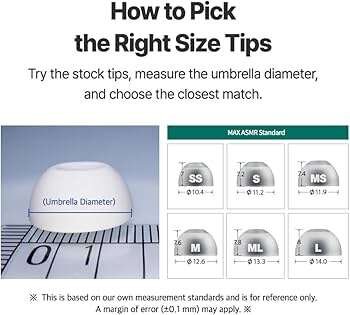
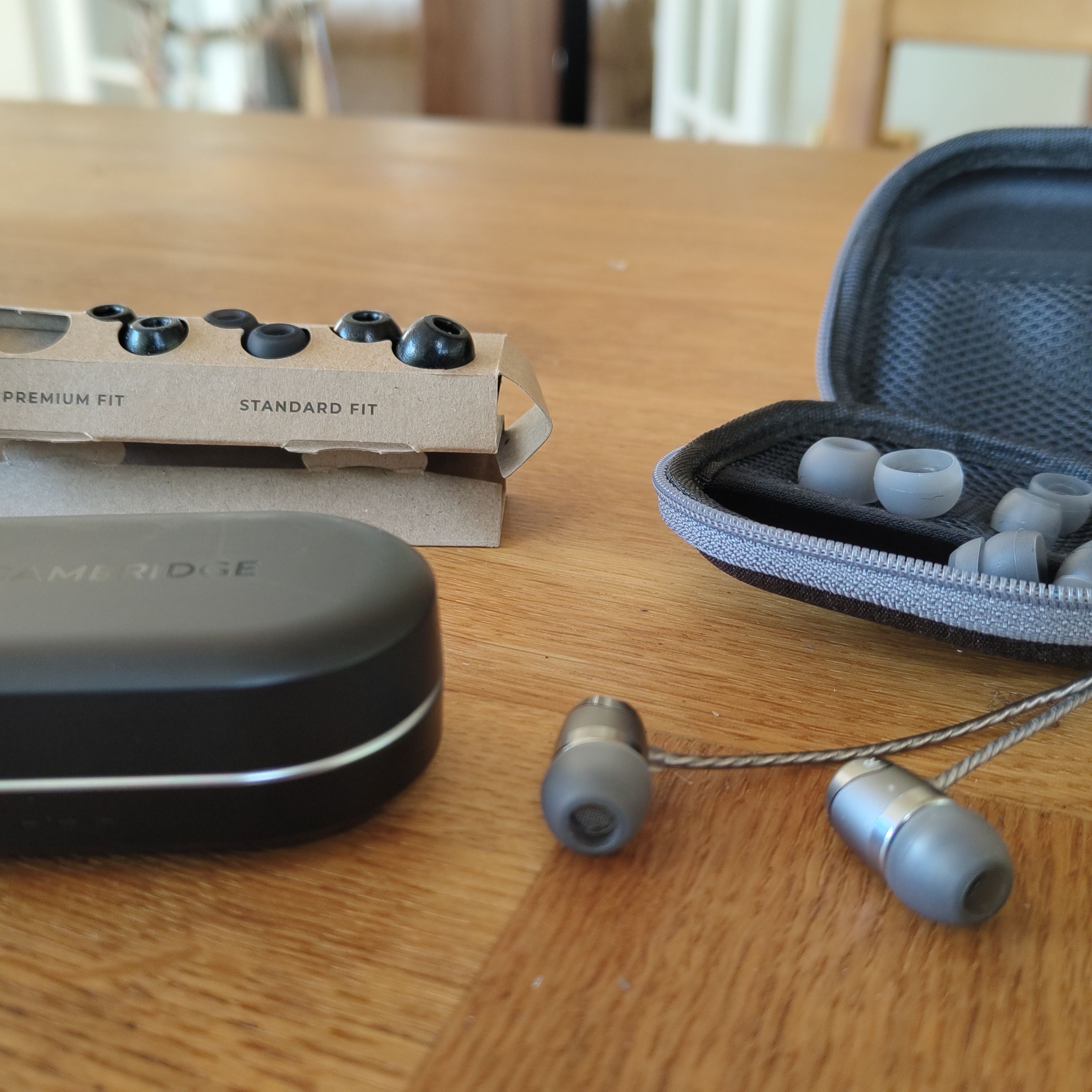
Most earbuds come with at least three ear tip sizes: small, medium, and large. Some models include extra-small, extra-large, or foam options. Do not assume that both ears need the same size.
Use this simple process when learning how to pick the right earbud size:
- Start with the medium tips
Medium tips are a useful starting point because they fit many ears. Insert the earbuds gently without pushing them deep into the ear canal.
- Check for a soft seal
Play a song with steady bass or spoken audio. The sound should feel full and clear. If the bass sounds weak or outside noise remains loud, the tip may be too small.
- Test for pressure
Keep the earbuds in for 10 to 15 minutes. A correct size should feel secure but not painful. Pressure, throbbing, itching, or a strong blocked sensation usually means the tip is too large or inserted too deeply.
- Move your head
Turn your head, open your mouth, walk around, and bend forward. If the earbuds shift or loosen, try a larger tip or adjust the angle. If they become more painful with movement, try a smaller tip.
- Test one ear at a time
Your ear canals may not be identical. Try a small tip in one ear and a medium tip in the other. This simple test often provides a better fit than using the same size on both sides.
- Compare the sound
Listen to the same short section of music with each size. Focus on bass, vocal clarity, outside noise, and comfort. The best size should sound balanced without needing extra volume.
A common mistake is choosing the largest tip because it feels more secure at first. In reality, a large tip may create pressure that becomes uncomfortable after an hour. How to pick the right earbud size is mainly a process of testing comfort and seal together.

Signs your earbud tips are too small
Small ear tips often feel comfortable at first. However, they may not seal the ear canal well enough. You may notice problems within a few minutes.
Your ear tips may be too small if:
• The earbuds fall out when you walk
• Bass sounds thin or weak
• You hear a lot of room noise
• You must push the earbuds back in often
• Noise cancellation seems weak
• The earbuds feel loose when you chew or talk
• Your music sounds different when you press the earbuds inward
A poor seal can make music sound distant. It can also make active noise cancellation less effective because sound can enter around the ear tip.
I once assumed a loose earbud was caused by a poorly designed earbud. After switching from a medium tip to a large tip, the problem disappeared. The fit was the real issue, not the earbud itself.
Still, do not automatically choose the largest option. If a larger tip causes pain, try a different insertion angle or a different tip material. A secure fit should not require force.
Signs your earbud tips are too large
Large ear tips can seal the ear canal too tightly. This may create pressure and discomfort, especially during long listening sessions.
Your ear tips may be too large if:
• Your ears hurt after 10 to 30 minutes
• You feel strong pressure or fullness
• The earbuds are difficult to remove
• Your ears feel sore after taking them out
• The sound seems overly boomy or muffled
• The earbuds press against the outer ear
• You feel itching or irritation
A tight fit may also cause the earbuds to slowly work their way out. This sounds surprising, but constant pressure can make the earbud move instead of stay still.
To learn how to pick the right earbud size, pay attention to what happens after the first few minutes. A tip that feels fine for 30 seconds may become uncomfortable after a full work meeting, gym session, or flight.
Remove the earbuds if you notice sharp pain, discharge, bleeding, or lasting irritation. Ear discomfort may have causes unrelated to earbud size, including wax buildup, skin sensitivity, infection, or an ear canal condition.

How to choose ear tips for sound quality
The right earbud size can change the sound more than many people expect. A good seal usually improves low frequencies, including bass and kick drums. It can also make vocals sound more focused.
Try this sound test:
• Listen to a song with clear bass
• Play a podcast with natural speech
• Notice whether outside noise is reduced
• Compare left and right ear balance
• Listen at a low, comfortable volume
• Repeat the test with small, medium, and large tips
If the bass disappears when you move your jaw, the seal may be unstable. If every sound feels muffled and heavy, the tip may be too large or inserted too far.
Earbud design also matters. Some earbuds have short nozzles, while others extend deeper into the ear canal. A medium tip on one model may feel like a large tip on another. This is why how to pick the right earbud size cannot be based on the label alone.
Foam ear tips can improve isolation because they expand inside the ear canal. However, they may feel warmer, wear out faster, and require more care. Silicone tips are easier to clean and often last longer.

How to choose earbud size for exercise
Exercise creates extra challenges. Sweat can reduce grip, and repeated movement can loosen earbuds that feel secure while sitting still.
When choosing an earbud size for workouts:
• Walk briskly before testing a tip
• Shake your head gently
• Open and close your mouth
• Try the earbuds with your usual ear wings or hooks
• Check whether sweat makes the fit worse
• Avoid tips that create pain or a deep blocked feeling
A slightly firmer seal may work well for exercise, but the earbud should not feel jammed into place. Ear wings and ear hooks can provide stability without requiring oversized tips.
For running outdoors, do not rely only on strong noise isolation. You may need to hear traffic, cyclists, alarms, or people nearby. Transparency mode can help, but it should not replace awareness of your surroundings.
The best answer to how to pick the right earbud size for exercise is to test the earbuds during real movement. A fit that works at a desk may fail during a one-hour run.

What to do when both ears need different sizes
Different ear tip sizes in each ear are normal. The shape and width of the ear canal can vary from one side to the other.
Try these combinations:
• Small in the left ear and medium in the right
• Medium in the left ear and large in the right
• Different tip materials in each ear
• The same size with a different insertion angle
Many people avoid mixed sizes because they believe earbuds should match. Comfort matters more than symmetry. If one ear needs a small tip and the other needs a medium tip, use that combination.
Test both earbuds together while listening to music. A different size in each ear should not create a noticeable volume difference. If one side sounds louder, check the seal, clean the tips, and confirm that your audio balance settings are centered.

Earbud fit mistakes to avoid
Small fit mistakes can affect comfort and sound. Avoid these common problems when learning how to pick the right earbud size.
• Choosing a size based only on the package label
• Pushing the earbuds too far into the ear
• Using the largest tips for maximum noise blocking
• Testing only while sitting still
• Ignoring pain because the sound is good
• Cleaning the earbuds but not the ear tips
• Assuming both ears need the same size
• Testing with music that has little bass
• Wearing earbuds for hours without a break
• Increasing volume instead of improving the seal
Ear tips should be clean and dry before you test them. Earwax, sweat, and skin oil can make silicone tips slippery. Clean removable tips with mild soap and water if the manufacturer allows it, then dry them fully before use.
Do not share used ear tips without cleaning them. Bacteria and fungi can spread through earbuds, especially when the tips remain damp. Follow the care instructions for your specific model because foam tips often need different treatment.
A simple 15-minute earbud fit test
This test gives you a practical way to decide how to pick the right earbud size at home.
Minute 1: Inspect the fit
Insert both earbuds gently. They should sit securely without deep pressure. Check whether the housing touches the outer ear in a painful way.
Minutes 2 to 5: Test speech
Play a podcast or audiobook. Speech should sound clear and centered. Notice whether room noise remains distracting.
Minutes 6 to 9: Test music
Choose music with vocals, bass, and high notes. The sound should feel full but not overly heavy. Do not use high volume to judge the fit.
Minutes 10 to 12: Move naturally
Walk, turn your head, speak, chew, and bend down. The earbuds should remain stable without constant adjustment.
Minutes 13 to 15: Check comfort
Remove the earbuds and inspect your ears. Mild awareness is normal, but pain, red marks, or soreness means you should try another size or style.
Write down what you notice for each size. This makes the choice less subjective and helps you avoid switching back and forth without a clear reason.
How earbud size affects hearing safety
A good fit can reduce the need for excessive volume, but it does not make loud listening safe. The World Health Organization recommends keeping personal listening devices at a safe volume and taking regular breaks. Many hearing experts also advise using a volume level that allows you to remain aware of nearby sounds when appropriate.
A useful rule is the 60/60 approach: listen at no more than about 60 percent of maximum volume for roughly 60 minutes, then take a break. This is a simple guide, not a guarantee of safety, because device output levels vary.
Noise cancellation may help in loud places because you do not need to compete with background sound. However, noise cancellation does not protect your ears from loud music itself.
Stop using earbuds and seek medical advice if you notice:
• Ringing that lasts after listening
• Muffled hearing
• Pain or drainage
• Dizziness
• Persistent itching
• A sudden change in hearing
The right earbud size supports comfort and better listening habits. It cannot prevent every hearing problem.
Frequently asked questions about how to pick the right earbud size
How do I know if my earbuds fit correctly?
Your earbuds fit correctly when they stay in place, create a gentle seal, and remain comfortable for at least 15 minutes. Music should sound full, and you should not need to push the earbuds back in often.
Should ear tips feel tight?
Ear tips should feel secure but not tight. If they cause pain, pressure, soreness, or a strong blocked sensation, try a smaller size or a different tip shape.
What size earbud tips should I use?
Start with the medium tips, then compare small and large options. The correct size depends on your ear canal, the earbud design, and the tip material, so the package size is only a starting point.
Should both ears use the same earbud size?
Not always. Many people have slightly different ear canals, so using a small tip in one ear and a medium tip in the other can provide a better fit.
Why do my earbuds keep falling out?
Earbuds may fall out because the tips are too small, the insertion angle is wrong, or the earbud housing does not match your ear shape. Try a larger tip, ear wings, ear hooks, or a different model.
Can the wrong earbud size affect sound?
Yes. A poor seal can reduce bass, weaken noise cancellation, and make music sound thin. A tip that is too large can also make sound feel muffled or overly heavy.
Are foam ear tips better than silicone tips?
Foam tips can provide strong isolation and may fit unusual ear shapes well. Silicone tips are easier to clean, often last longer, and may feel cooler during extended use.
How often should I replace earbud tips?
Replace tips when they become cracked, loose, flattened, discolored, or difficult to clean. The exact time varies by material and use, but frequent users may need replacements every few months.
Conclusion
Learning how to pick the right earbud size starts with three checks: comfort, stability, and sound. Test each size for more than a few seconds, compare both ears, and pay attention to how the earbuds feel after movement and extended use.
A small tip may leak sound, while a large tip may create painful pressure. The best choice is the one that seals gently, stays in place, and lets you listen at a comfortable volume.
Try the 15-minute fit test with your current earbuds today. If no size feels right, explore different tip shapes, foam options, or another earbud design, and share your experience with others looking for a better fit.

Everett Ashford is a tech reviewer at mytechgrid.com specializing in SSDs, cameras, TVs, earbuds, headphones, and other consumer electronics. He provides honest, data-driven reviews based on hands-on testing and real-world performance analysis. Everett simplifies complex tech details to help readers make smart, confident buying decisions.