Earbuds may not fit because ear canals differ in shape, size, angle, and sensitivity from person to person.
If you keep asking, “why do earbuds not fit in my ears,” the problem is usually not your ears or your technique. Earbuds are made in limited shapes and sizes, while human ears are as unique as fingerprints. This guide explains the main causes, simple fixes, safety tips, and signs that you need a different type of earbud.
Why Do Earbuds Not Fit in My Ears?
The main reason earbuds do not fit is that ear anatomy varies widely. One person may have a narrow ear canal, while another may have a wide, shallow, curved, or unusually angled canal. A single earbud design cannot fit every ear well.
Earbuds can also feel loose because the outer ear does not provide enough support. Some models rest mainly in the ear canal. Others depend on the small folds of cartilage around the ear. If the shape does not match your ear, the earbuds may slip, hurt, or sound weak.
Common reasons include:
• The ear tips are too small or too large.
• The earbud nozzle is too short or too long.
• Your ear canals have different shapes or sizes.
• The earbuds are sitting at the wrong angle.
• Sweat, oil, or earwax is making the surface slippery.
• The earbuds are too heavy for your outer ear.
• Your ears move often while you walk, talk, or exercise.
In many cases, the answer to “why do earbuds not fit in my ears” is a mismatch between the earbud design and your ear anatomy.

Ear Anatomy Plays a Bigger Role Than You Might Think
Your outer ear includes the visible cartilage, the ear bowl, and the ear canal. Earbuds interact with all three areas. Even small differences in these structures can change how well an earbud stays in place.
The ear canal is not a straight tube. It usually has a gentle curve and may become wider or narrower at different points. This is why pushing an earbud deeper does not always improve the fit. It may simply create pressure or discomfort.
Your left and right ears may also be different. This is normal. Many people need a medium tip in one ear and a small or large tip in the other. Treating both ears as identical can make it harder to find a secure fit.
Ear shape can also change over time. Weight changes, aging, skin sensitivity, and past ear injuries may affect comfort. People who wear glasses, hearing aids, helmets, or earrings may notice added pressure around the ear.
Understanding your ear shape helps explain why do earbuds not fit in my ears even when they fit someone else perfectly.

The Ear Tip Size May Be Wrong
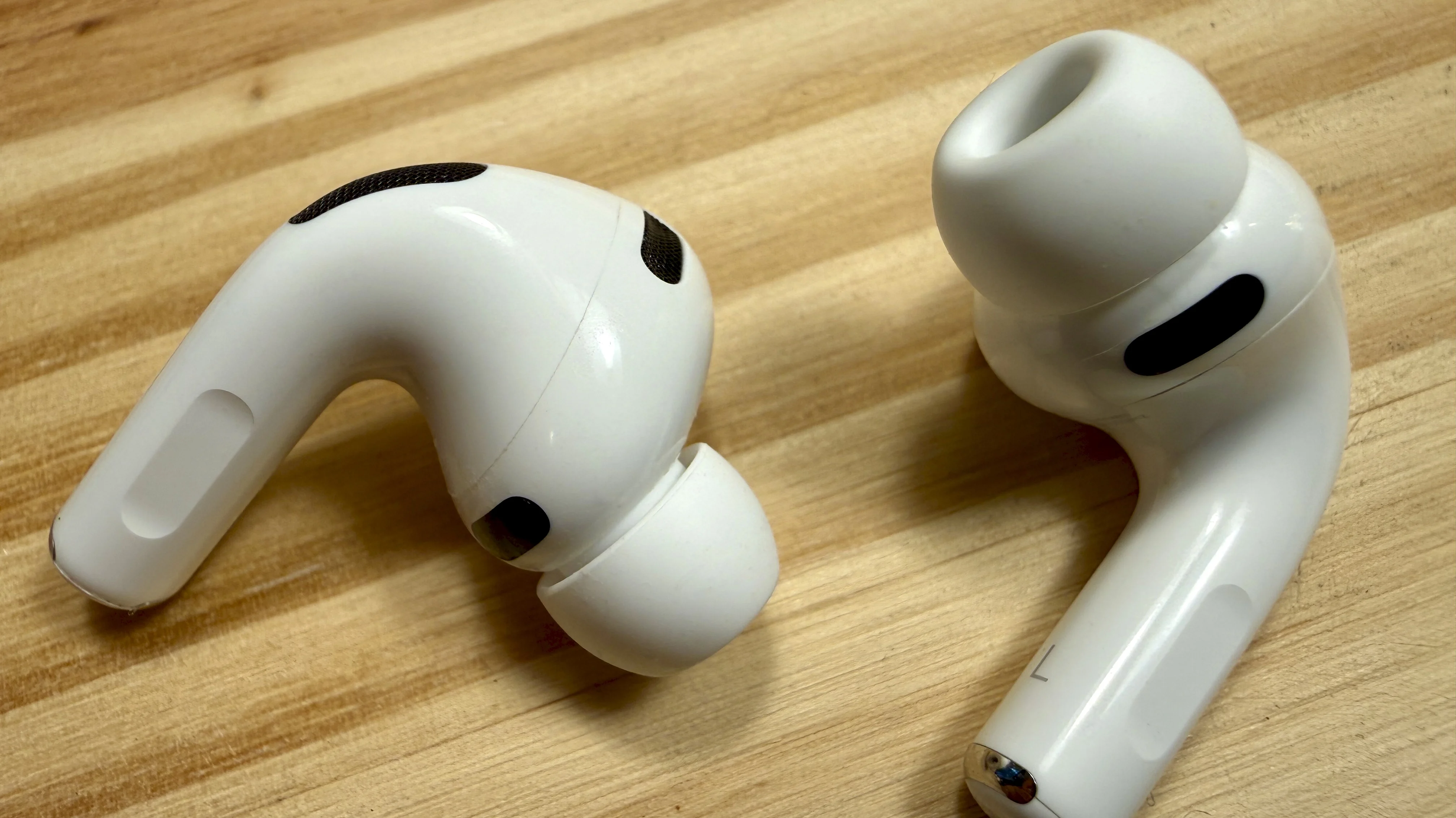
Silicone ear tips are often the first part to check. A tip that is too small may fail to seal the ear canal. This can make the earbud feel loose and reduce bass. A tip that is too large may cause pressure, pain, or a blocked feeling.
A good ear tip should sit securely without needing force. It should reduce outside noise slightly, but it should not cause sharp pain or strong pressure. When you move your jaw, the earbud should stay in place.
Try this simple fitting test:
-
Start with the medium tips that came with the earbuds.
-
If the earbuds fall out or sound thin, try the next larger size.
-
If your ears feel sore or blocked, try a smaller size.
-
Test each ear separately.
-
Walk, speak, and gently turn your head to check stability.
Some earbuds include foam tips. Foam expands inside the canal and can improve grip. However, foam tips may wear out faster and can feel warmer than silicone. They also need to be inserted gently.
One mistake I have seen often is choosing the largest tip because it feels more secure at first. After 20 minutes, that choice can cause soreness. Secure does not mean tight. The best fit feels stable but easy to forget.

Earbuds May Be the Wrong Shape for Your Ears
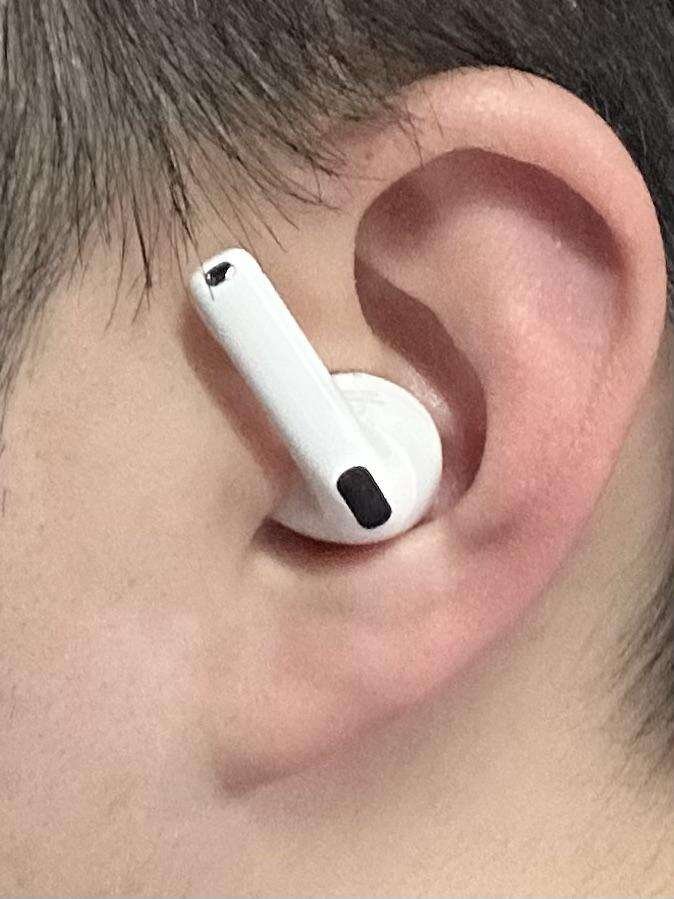
Earbuds come in many designs. A compact earbud may suit a small outer ear but fail to grip a larger one. A bulky model may offer a strong seal but create pressure on the antihelix or tragus, which are parts of the outer ear.
Some earbuds have a round body. Others have a stem, wing, hook, or angled nozzle. These details affect how the earbud sits. A stem may improve handling, while a wing tip may add support during exercise.
The most common earbud styles include:
• Open earbuds that rest at the entrance of the ear canal.
• In ear earbuds that use silicone or foam tips for a seal.
• Sport earbuds with wings or ear hooks.
• Over ear or around ear models that use a hook for extra stability.
• Bone conduction headphones that sit outside the ear canal.
If standard earbuds keep falling out, a sport model with wings may work better. If all in ear models cause pressure, open earbuds or bone conduction headphones may be more comfortable.
This is an important answer to “why do earbuds not fit in my ears”: sometimes the product category is wrong, not the size.
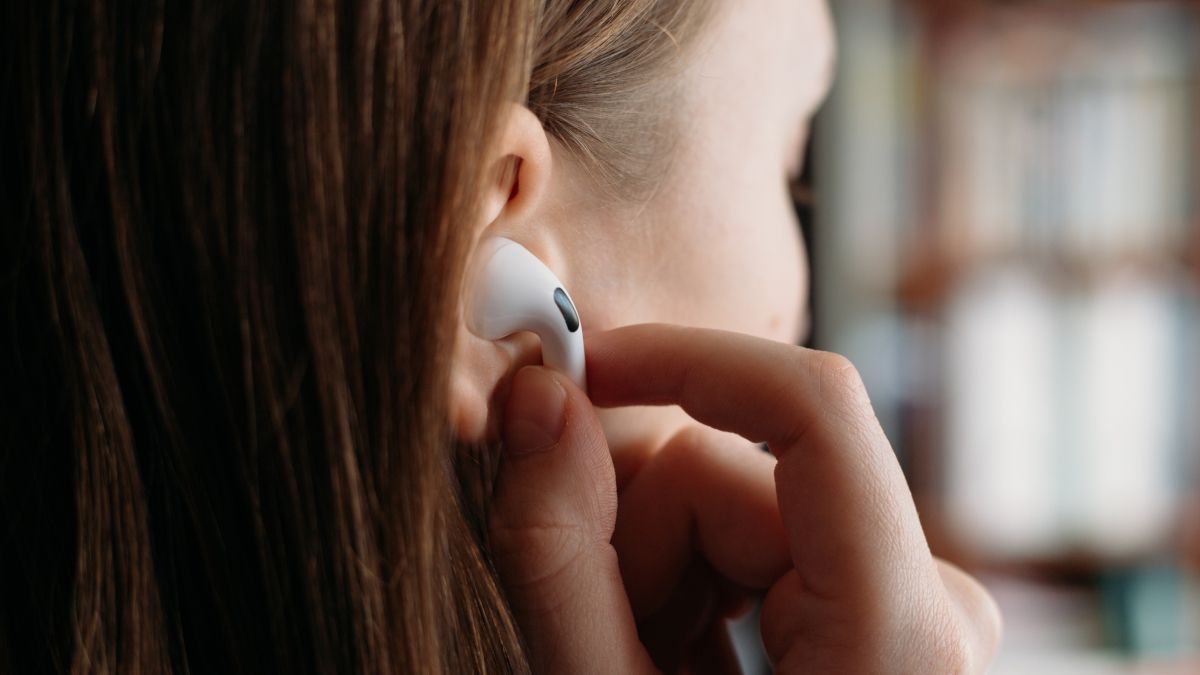
How to Put Earbuds in Correctly
Even a well-designed earbud can feel loose if it is placed at the wrong angle. Do not push it straight into the ear like a plug. Most earbuds work better when you insert them gently and rotate them into position.
Try these steps:
-
Check the left and right labels.
-
Place the earbud at the entrance of your ear canal.
-
Pull the top of your ear gently upward and backward if needed.
-
Insert the earbud without force.
-
Rotate it slightly until the body rests in the natural bowl of your ear.
-
Release your ear and check whether the earbud stays stable.
For sport earbuds, position the wing or hook against the matching fold of cartilage. It should support the earbud, not press hard against it.
Avoid pushing earbuds deeply. The ear canal is sensitive, and excessive pressure can cause pain or irritation. It can also push earwax farther inward.
A practical test is to open and close your mouth. If the earbuds shift a lot when you chew or speak, the seal or shape may not suit your ear.

Why Earbuds Fall Out During Exercise
Movement exposes weak fit problems. Walking may be easy, but running, cycling, or weight training creates repeated impact. Sweat also lowers friction between the earbud and skin.
People often ask why do earbuds not fit in my ears during workouts when they feel fine at home. The answer is usually a mix of motion, moisture, and earbud weight.
You can improve stability by:
• Choosing earbuds with wings or hooks.
• Using sport ear tips made for movement.
• Wiping sweat from your ears and earbuds.
• Securing long hair away from the earbuds.
• Avoiding heavy earbuds during running.
• Checking that the earbud vents are not blocked.
Do not rely on a tight seal alone during outdoor exercise. A strong seal can reduce awareness of cars, cyclists, and other hazards. In busy areas, consider transparency mode or open style headphones, while still keeping the volume safe.
The World Health Organization advises keeping personal audio volume at a safe level and taking breaks. Loud sound can damage hearing even when the earbuds fit perfectly.

Earwax, Sweat, and Skin Can Affect the Fit
Earwax is normal and protects the ear canal. However, excess wax can change how an earbud sits. It may also make earbuds feel blocked or cause one side to sound quieter.
Sweat and skin oil create a slippery layer. This is common during summer, workouts, and long listening sessions. Moisture can also collect on silicone tips.
Clean your earbuds often:
-
Remove the ear tips if the model allows it.
-
Wipe the tips with a slightly damp cloth.
-
Let them dry fully before putting them back.
-
Use a dry, soft brush for the speaker mesh.
-
Follow the manufacturer’s cleaning instructions.
Do not pour water, alcohol, or cleaning fluid into the earbud. Do not insert cotton swabs deep into your ear canal. Cotton swabs can push wax inward or irritate the skin.
If you have pain, discharge, sudden hearing loss, or a strong feeling of blockage, stop using the earbuds and contact a health professional. A medical issue may be contributing to the fit problem.
How to Make Earbuds Fit Better
Small changes can improve comfort without buying new earbuds. Start by testing each tip size. Then try a different insertion angle and check whether the earbud body sits inside the outer ear bowl.
You can also try:
• Replacing worn silicone tips.
• Buying memory foam tips that match your earbud nozzle.
• Using silicone ear hooks or stabilizer wings made for your model.
• Choosing lighter earbuds.
• Wearing the earbuds for short periods while testing fit.
• Using a different model in each ear if your ears need different sizes.
Never use tape, glue, or homemade objects to hold earbuds in place. These methods can irritate the skin, damage the earbuds, or leave material inside the ear.
If you use third party ear tips, check that they fit tightly on the nozzle. A loose tip can remain in the ear when you remove the earbud. Remove it carefully and seek medical help if it becomes stuck.
In my own testing, the most useful change has often been switching tip size rather than buying a more expensive earbud. Price does not guarantee a better anatomical fit.

When to Choose Different Headphones
Sometimes the best solution is to stop trying to force earbuds to work. If every tip causes pain, your ears may be sensitive to canal pressure. If earbuds fall out because your outer ear does not support them, a different design may be more practical.
Consider these alternatives:
• Open earbuds for people who dislike a sealed feeling.
• Sport earbuds with ear hooks for running and active use.
• Over ear headphones for long listening sessions.
• On ear headphones for a lighter design outside the canal.
• Bone conduction headphones when you need open ears and environmental awareness.
Each option has limits. Open earbuds usually provide less bass and less noise isolation. Bone conduction models may sound less full in noisy places. Over ear headphones may feel warm or bulky.
The goal is not to find the most popular model. It is to find the design that stays comfortable and safe for your ears.

Fit, Sound Quality, and Hearing Safety
A proper fit affects more than comfort. In ear earbuds use a seal to improve bass and reduce outside noise. When the seal is poor, music may sound thin. Many listeners then raise the volume to compensate.
That habit can increase hearing risk. The National Institute for Occupational Safety and Health and other hearing health experts emphasize that loud sound exposure depends on both volume and listening time.
Use these safer listening habits:
• Keep the volume at a moderate level.
• Take regular breaks.
• Avoid turning up the sound to overcome traffic or loud machinery.
• Use noise cancellation in safe settings to reduce the need for high volume.
• Keep earbuds clean and dry.
Noise cancellation does not make loud listening harmless. It can make listening more comfortable, but volume and exposure time still matter.
If you notice ringing, muffled hearing, pain, or sound sensitivity after listening, give your ears a break. Persistent symptoms deserve professional evaluation.
Common Mistakes That Make Earbuds Uncomfortable
Many fit problems come from simple mistakes. People often push earbuds too deep, use the same tip size in both ears, or keep wearing a model that causes pain.
Avoid these errors:
• Assuming medium tips fit everyone.
• Ignoring discomfort because the earbuds were expensive.
• Wearing dirty or wet earbuds.
• Sharing earbuds without cleaning them.
• Using earbuds while sleeping if they press against the ear.
• Wearing a tight seal for hours without breaks.
• Increasing volume because the fit is weak.
A useful rule is simple: mild awareness is normal, but pain is a warning. Your ears should not feel sore after ordinary listening.
Another mistake is judging fit after only 30 seconds. Wear the earbuds for 10 to 15 minutes while sitting, walking, and speaking. A fit that seems fine at first may become uncomfortable later.
When Ear Pain Needs Medical Attention
Fit issues are common, but not every ear problem comes from the earbuds. Ear infections, skin conditions, impacted earwax, and jaw problems can cause pain or pressure.
Stop using earbuds and seek medical advice if you have:
• Severe or lasting ear pain.
• Fluid, blood, or unusual discharge.
• Sudden hearing loss.
• Dizziness or balance problems.
• Persistent ringing.
• Swelling or a rash.
• A blocked feeling that does not improve.
Do not try to diagnose an ear condition by changing ear tip sizes. Ear health is more important than keeping a particular pair of earbuds.
A hearing professional can examine the ear canal and identify wax buildup, irritation, or other causes. This is especially important if only one ear hurts or if one earbud suddenly stops fitting.
How to Choose Earbuds That Fit Your Ears
Before buying new earbuds, look beyond sound quality and battery life. Fit features often make the biggest difference in daily use.
Check for:
• Several ear tip sizes.
• Optional foam tips.
• Adjustable wings or ear hooks.
• A light, compact body.
• A nozzle with a common replacement tip size.
• A return period that allows comfort testing.
• Clear cleaning and replacement instructions.
Reviews can help, but ear fit is personal. A reviewer may praise a secure fit while the same design feels painful in your ears. Look for comments from people with similar needs, such as small ears, narrow canals, glasses, or active lifestyles.
If you ask why do earbuds not fit in my ears after trying several products, consider having your ears measured or asking an audiologist for advice. Custom ear tips may help some listeners, although they cost more and still require proper care.
Frequently Asked Questions
Why do earbuds not fit in my ears even with different tips?
Your ear canal shape may not match the earbud nozzle or body. Try changing the earbud angle, testing each ear separately, or choosing a model with wings, hooks, or a different design.
Should earbuds feel tight inside the ear?
Earbuds should feel secure but not painful. Strong pressure, soreness, or a blocked feeling usually means the tips are too large, the earbuds are inserted too deeply, or the design does not suit your ears.
Why do my earbuds keep falling out when I walk?
Movement, sweat, earwax, and an incorrect tip size can reduce grip. Sport earbuds with stabilizer wings or ear hooks often stay in place better during walking and exercise.
Can earwax cause earbuds to stop fitting?
Yes. Excess earwax can change the shape of the canal opening and make earbuds feel loose or blocked. Do not dig into the ear with cotton swabs; ask a health professional about safe wax removal if needed.
Is it normal for one earbud to fit better than the other?
Yes. Left and right ear canals often differ in size and shape. You may need different tip sizes or a slightly different angle for each ear.
Are foam tips better than silicone tips?
Foam tips can improve grip and noise isolation because they expand inside the canal. Silicone tips are easier to clean, last longer, and may feel cooler, so the better choice depends on your comfort and listening habits.
Can earbuds damage your ears if they do not fit?
Poorly fitting earbuds can cause irritation, pressure, or pain, especially when worn for long periods. They can also encourage higher volume when outside noise leaks in, so replace the design or tips if the fit remains poor.
Conclusion
The answer to “why do earbuds not fit in my ears” usually involves ear anatomy, tip size, earbud shape, movement, or moisture. Your ears may simply need a different size, angle, or style.
Test each ear separately, clean the earbuds, avoid forcing them deeper, and stop if you feel pain. If standard earbuds never feel right, try sport hooks, open earbuds, over ear headphones, or another design that suits your ears.
A comfortable fit should feel secure without pressure. Use these tips to find a better match, protect your hearing, and share your own earbud experience in the comments.

Everett Ashford is a tech reviewer at mytechgrid.com specializing in SSDs, cameras, TVs, earbuds, headphones, and other consumer electronics. He provides honest, data-driven reviews based on hands-on testing and real-world performance analysis. Everett simplifies complex tech details to help readers make smart, confident buying decisions.