Earbud prices usually range from $15 to over $400, depending on features, brand, sound quality, and design.
If you are asking, “what is the price of ear buds?” the short answer depends on what you need. Basic wireless earbuds can work well for calls and casual music, while premium models cost more for better sound, noise cancellation, comfort, and battery life. This guide explains earbud prices in the United States, what you get at each level, and how to choose without wasting money.
What Is the Price of Ear Buds?
The price of ear buds can range from about $10 to more than $400 in the US. Most buyers find good value between $40 and $150.
Here is a simple price guide:
• $10 to $25: Basic wired or entry-level wireless earbuds
• $25 to $60: Affordable Bluetooth earbuds with useful features
• $60 to $150: Mid-range earbuds with better sound and microphones
• $150 to $250: Premium earbuds with strong noise cancellation
• $250 to $400 or more: High-end earbuds, specialty models, or luxury brands
When people search for what is the price of ear buds, they often expect one exact number. However, earbuds are like cars. A small model can handle daily travel, while a premium model adds comfort, power, and extra tools.
Prices also change during sales. Black Friday, holiday events, back-to-school promotions, and product launches can lower the cost by $20 to $100. Always compare the current price with the regular manufacturer price before buying.

Earbud Prices by Type
The design of earbuds has a major effect on the final price. Wired earbuds are often the cheapest option, while advanced wireless earbuds cost more because they include batteries, chips, sensors, and charging cases.
Wired earbuds
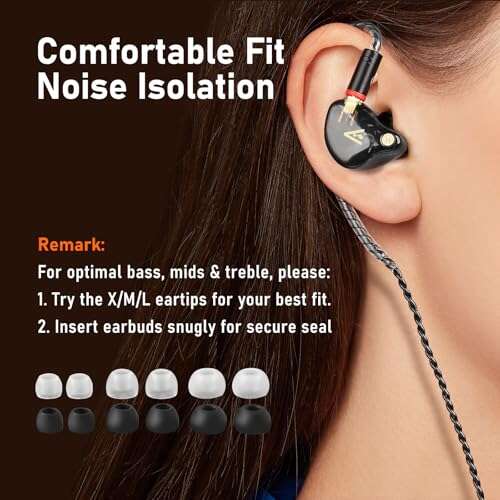
Wired earbuds usually cost between $10 and $50. They connect through a 3.5-millimeter plug, USB-C port, or Lightning connector.
They do not need charging, which makes them useful for travel or emergencies. Some models also offer clear sound for a low price. Their main limits are cable tangles and reduced phone compatibility on devices without a headphone jack.
Basic wireless earbuds
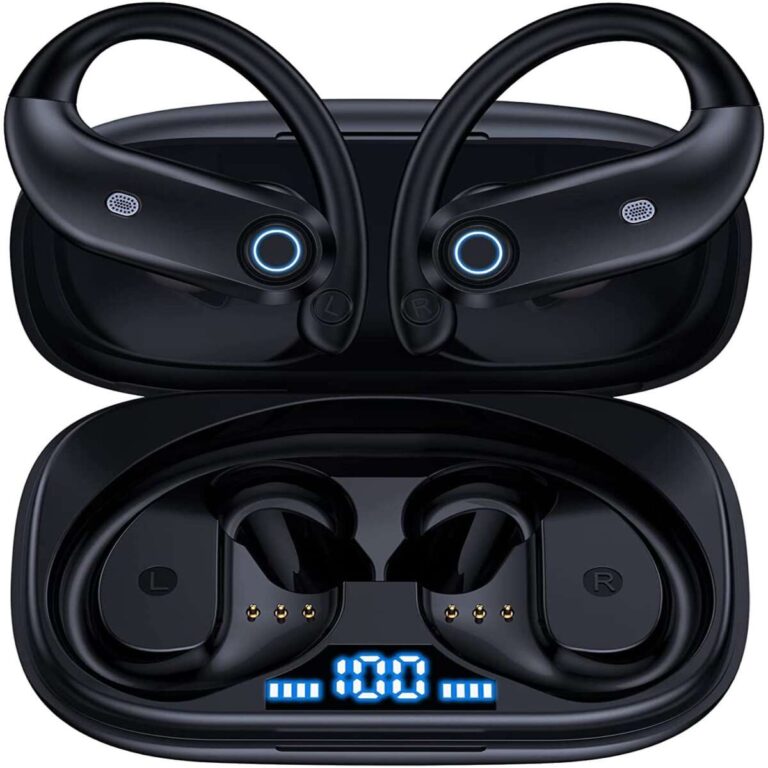
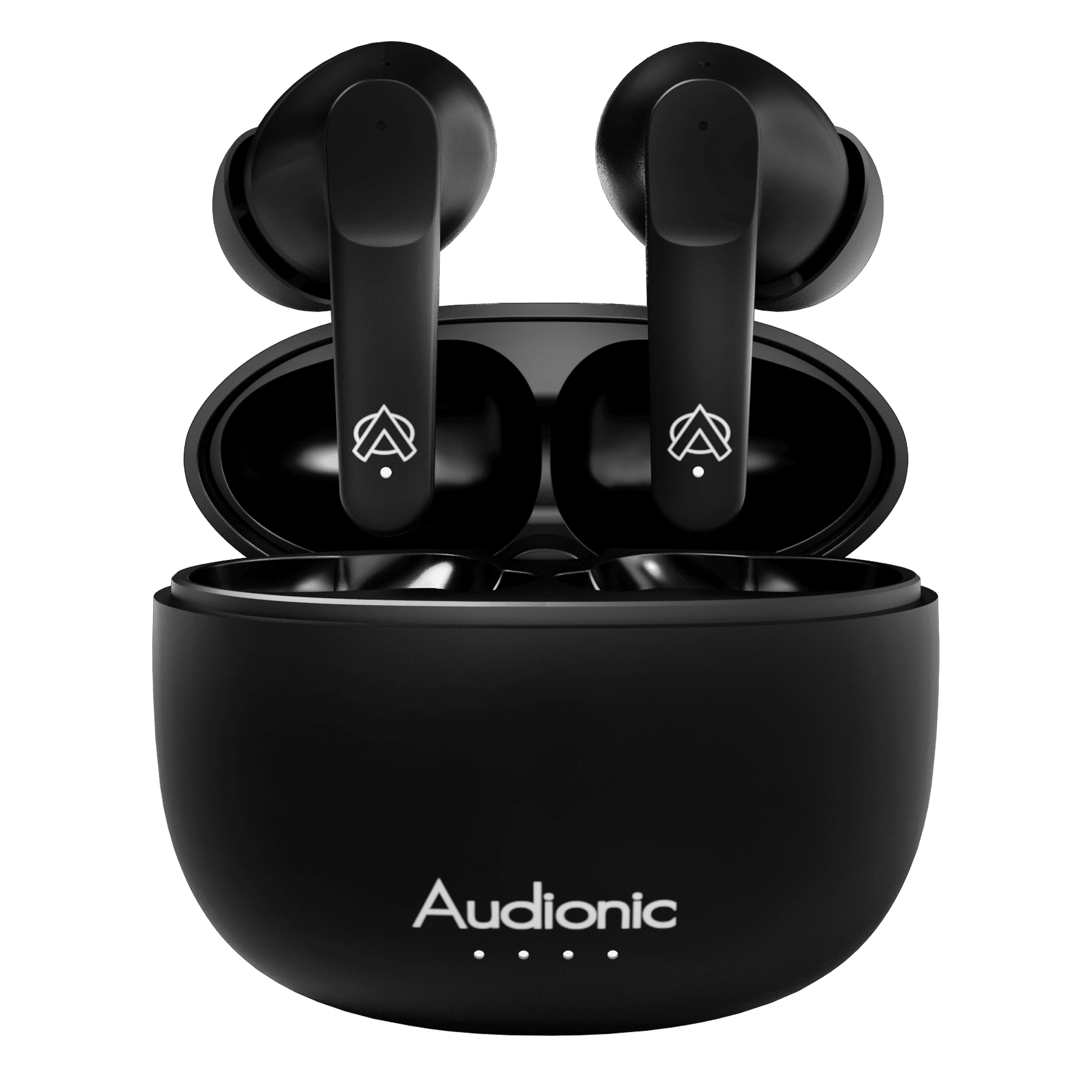
Basic true wireless earbuds often cost between $20 and $60. They usually include Bluetooth, a charging case, touch controls, and two to six hours of listening per charge.
At this price, you may get acceptable sound and battery life. However, microphone quality, fit, and connection stability can vary. A low price is helpful, but a poor fit can make even good earbuds uncomfortable.
Mid-range wireless earbuds
Mid-range models usually cost between $60 and $150. This category often gives the best balance for most people.
Common features include:
• Better bass and clearer voices
• Longer battery life
• Improved water resistance
• More reliable Bluetooth connections
• Better call microphones
• Companion mobile apps
• Basic noise reduction or noise cancellation
If you are still wondering what is the price of ear buds for daily use, this range is often the safest place to start.
Premium wireless earbuds
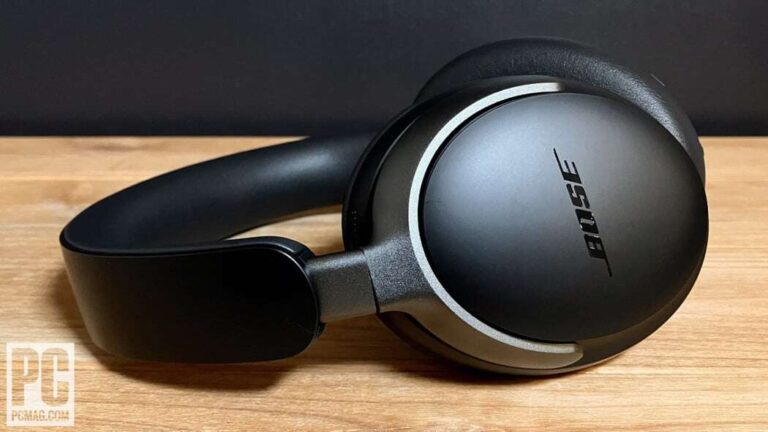
Premium earbuds usually cost between $150 and $250. These products often include active noise cancellation, transparency mode, wireless charging, spatial audio, and advanced microphones.
They may also work especially well with a specific phone ecosystem. For example, some features may perform best with certain Android phones or Apple devices. Before buying, check whether the earbuds support your phone and the features you want.
Specialty and luxury earbuds
Some earbuds cost more than $250. These may focus on studio sound, sports use, hearing support, stronger materials, or luxury branding.
A higher price does not always mean better sound for every listener. Sound preference is personal. One person may prefer deep bass, while another may want a bright and detailed sound for podcasts and classical music.
What Affects the Price of Earbuds?
Knowing what is the price of ear buds becomes easier when you understand the parts that raise or lower the cost.
Sound quality
Better earbuds often use improved drivers, tuning, and digital processing. Drivers create the sound you hear. Larger or more advanced drivers can improve bass, detail, and balance, but driver size alone does not guarantee great sound.
The best earbuds make voices sound natural and keep music clear at different volume levels. Read professional tests and user reviews that discuss real listening results, not just technical terms.
Active noise cancellation
Active noise cancellation, or ANC, uses microphones to reduce outside noise. It can make flights, trains, offices, and busy streets feel quieter.
ANC often increases the price of ear buds. The feature is valuable if you travel or work in noisy places. If you mostly listen at home, you may save money by choosing earbuds without strong ANC.
Battery life
Battery life affects convenience. Many wireless earbuds provide about five to twelve hours of listening per charge. The case may add another 15 to 40 hours.
Battery claims are usually based on controlled tests. Higher volume, ANC, phone calls, and cold weather can reduce real-world battery life. Look for both earbud battery life and total case battery life.
Comfort and fit
Comfort is one of the most important factors in earbud pricing. Premium models may include several ear tip sizes, better weight balance, and a more secure design.
Still, comfort depends on your ears. A model that feels perfect for one person may hurt another after an hour. Buy from a seller with a clear return policy when possible.
Microphone quality
If you make calls, attend online meetings, or send voice messages, microphone quality matters. More expensive earbuds often use multiple microphones and software to reduce wind and background noise.
Do not judge microphones from product claims alone. Reviews with real call tests provide better information.
Durability and water resistance
Water resistance can protect earbuds from sweat and light rain. Look for an IP rating, such as IPX4 or IPX7. The first number relates to dust protection, while the second relates to water protection.
Water resistance does not mean the earbuds are safe in every situation. Most models should not be used while swimming unless the manufacturer clearly allows it.
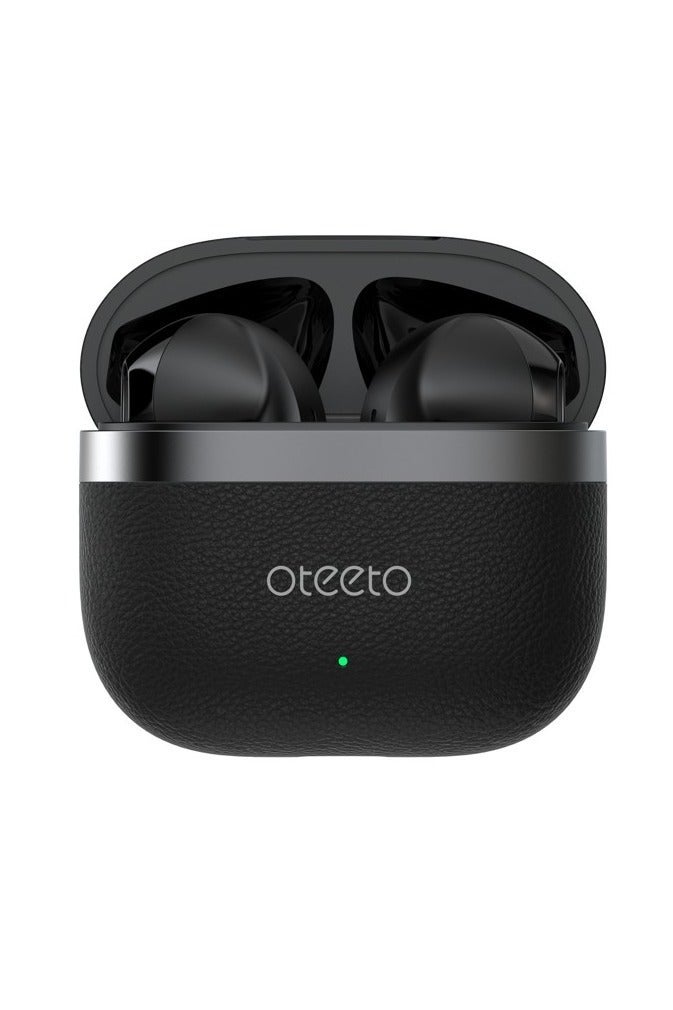
Earbud Price Comparison by Budget
Your budget should match your main use. The most expensive pair may not be the best choice for your lifestyle.
Under $30
This budget works for simple listening, backup earbuds, and children. You can find Bluetooth models with decent battery life, but quality control may be less consistent.
Check reviews for connection problems, charging issues, and weak microphones. Avoid unknown brands that make extreme claims about sound quality or battery life.
$30 to $75
This range offers many strong choices. You can often find good wireless earbuds with stable Bluetooth, fair sound, and useful controls.
For many casual listeners, this is enough. You may not get the strongest ANC or the best app, but you can still enjoy music, podcasts, and calls.
$75 to $150
This is a popular range for daily users. Earbuds here often provide better comfort, sound, microphones, and water resistance.
If you want dependable earbuds without paying premium prices, this range deserves close attention. Sales can also bring premium models into this budget.
$150 to $250
This range is best for people who care about noise cancellation, ecosystem features, and long-term comfort. The improvements can be clear in loud places.
However, consider your habits. Paying more for ANC makes less sense if you rarely use earbuds outside a quiet room.
More than $250
At this level, you may pay for specialized sound, luxury materials, brand reputation, or advanced features. The benefits can be real, but the improvement is often smaller than the jump in price.
Before spending this much, test the fit if possible. A costly earbud that does not fit your ears is still a poor purchase.

Are Expensive Earbuds Worth It?
Expensive earbuds can be worth the money, but only when their features solve a real problem. They may offer stronger ANC, better call quality, richer sound, and more comfortable materials.
The value becomes weaker when you pay mainly for a logo. Many mid-range earbuds now offer excellent sound and reliable battery life. For most users, the difference between a $60 pair and a $300 pair may be noticeable, but it may not be worth $240 more.
Think about these questions:
• Do you travel often?
• Do you work in a noisy office?
• Do you make many calls?
• Do you exercise while wearing earbuds?
• Do you need special features for your phone?
• Will you use them every day?
If you use earbuds for several hours each day, comfort and durability may justify a higher price. If you use them for short walks, a budget model may be enough.
A common mistake is choosing based only on sound quality. I have found that fit, microphone performance, and easy controls often matter more after several weeks of daily use. Great sound cannot fix earbuds that fall out or hurt your ears.
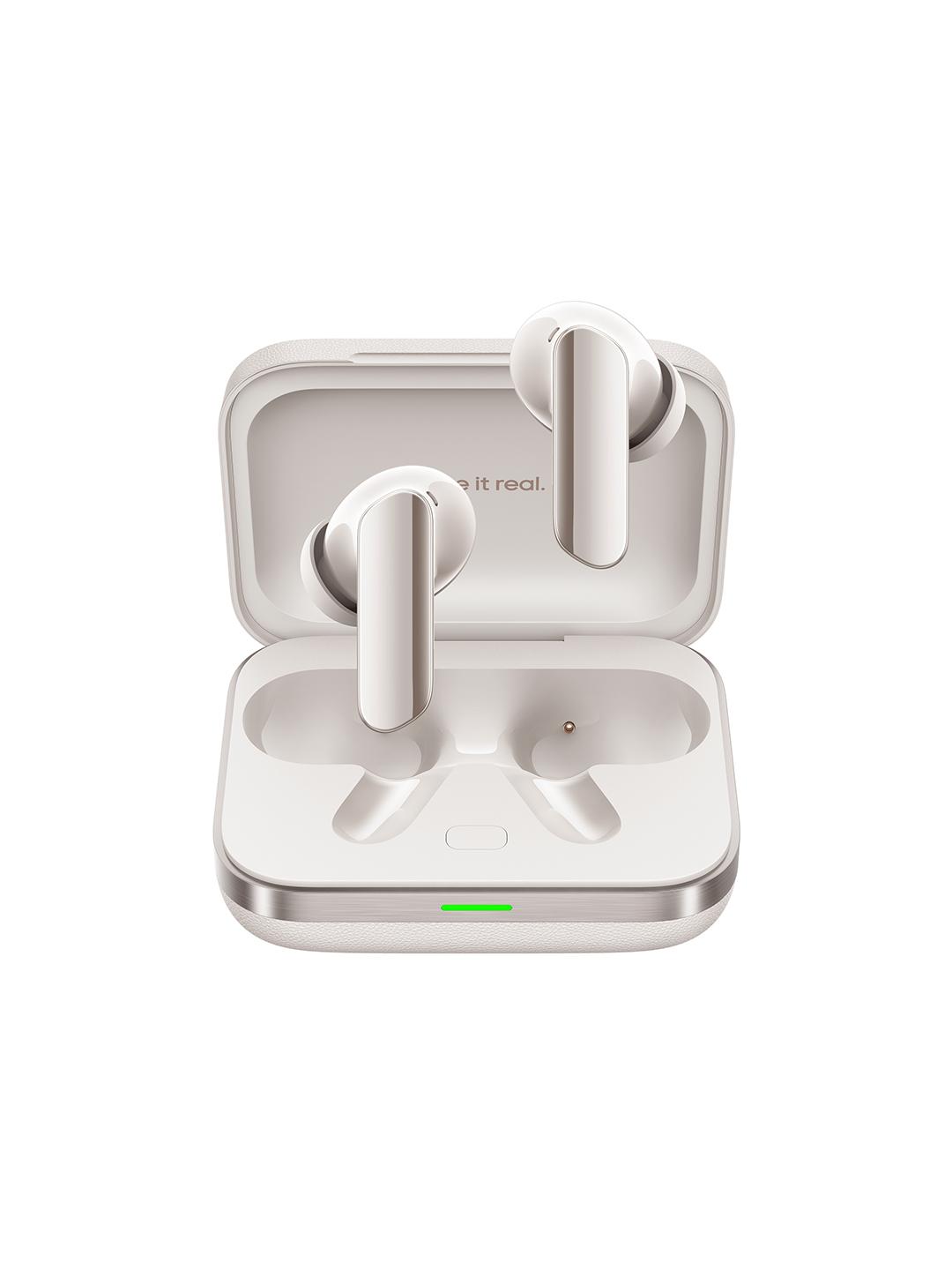
How to Choose Earbuds at the Right Price
Use this process before you buy:
- Set a practical budget. Decide the most you want to spend before looking at brands.
- Identify your main use. Choose based on music, calls, exercise, travel, gaming, or podcasts.
- Check phone compatibility. Confirm that the earbuds support your phone and preferred features.
- Review battery claims. Look for both single-charge and total case battery life.
- Check the fit. Look for multiple ear tip sizes or a return policy.
- Read real-world reviews. Focus on sound, call quality, comfort, and connection stability.
- Compare sale prices. A discount is useful only if the product meets your needs.
- Check the warranty. A trusted warranty can protect you from battery or charging problems.
You should also check whether the package includes a charging cable, replacement ear tips, and a charging case. Some low-cost models advertise a low price but offer limited accessories.
For gaming, check latency and platform support. For exercise, look for a secure fit and sweat resistance. For travel, prioritize ANC and battery life. For phone calls, focus on microphone tests.

Common Mistakes When Buying Earbuds
Many buyers focus on the price of ear buds and ignore the total value. A cheap pair may cost more over time if the battery fails quickly or the case stops charging.
Avoid these mistakes:
• Buying based only on a famous brand
• Ignoring return and warranty terms
• Assuming every model has active noise cancellation
• Confusing water resistance with waterproofing
• Trusting unusually high battery claims without reviews
• Choosing a poor fit because of a discount
• Forgetting that some features work only with certain phones
• Buying used earbuds without checking battery health
Battery aging is also important. Rechargeable batteries gradually lose capacity. Heavy daily use can make this change more noticeable after a few years.
Software support matters too. Some earbuds receive firmware updates that improve performance. Others may have limited support after launch. A reputable manufacturer is more likely to provide clear instructions and customer service.
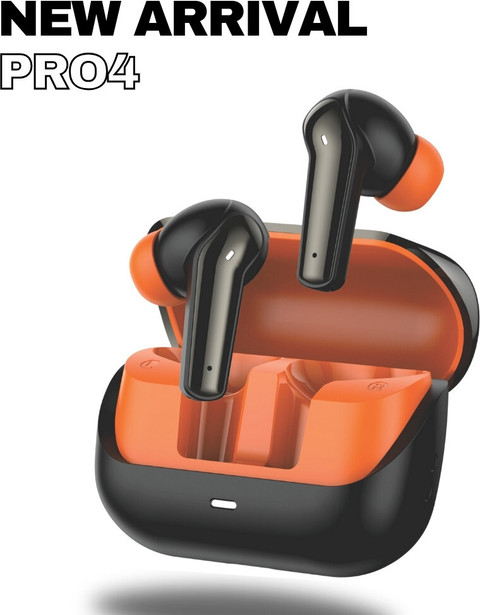
How to Save Money on Earbuds
You do not need to pay the highest price of ear buds to get a good listening experience.
Try these strategies:
• Buy the previous generation after a new model launches.
• Shop during major holiday sales.
• Compare several authorized retailers.
• Consider certified refurbished products.
• Choose fewer features if you do not need them.
• Look for models with replaceable ear tips.
• Check warranty coverage before buying from a marketplace seller.
Older premium earbuds can be a smart choice. Their price may fall after a new version arrives, while their core sound and design remain strong.
Refurbished earbuds can also save money, but buy from a seller that tests, cleans, and guarantees the product. Avoid used earbuds with unclear battery condition or no return option.
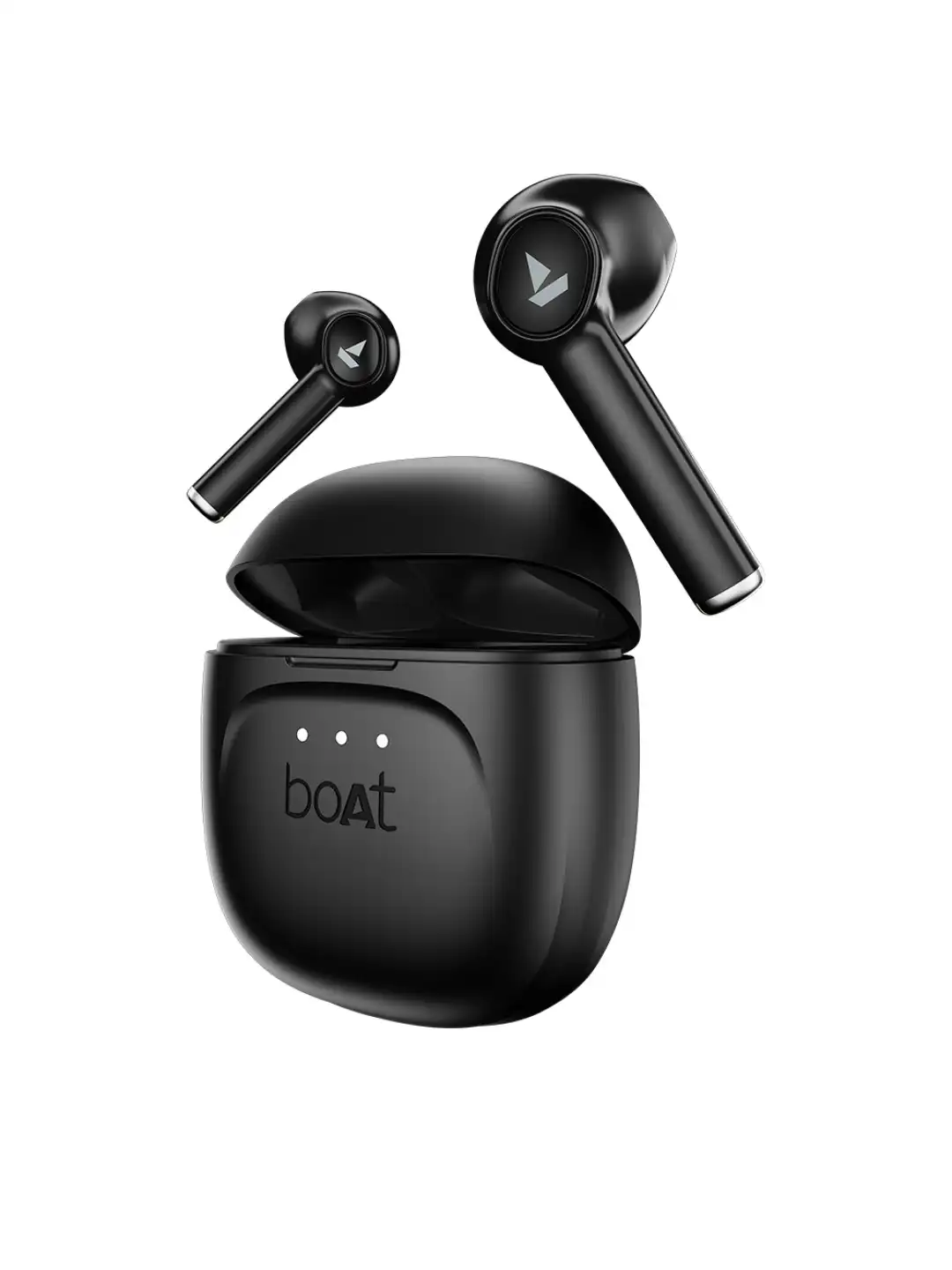
Frequently Asked Questions About What Is the Price of Ear Buds
What is the average price of wireless earbuds?
The average price of wireless earbuds is often between $40 and $150 in the US. Budget models cost less, while premium earbuds with ANC and advanced features can cost $200 or more.
What is the price of ear buds for basic use?
Basic earbuds for music, podcasts, and occasional calls usually cost between $20 and $60. Models in this range can offer good value if they have reliable Bluetooth and a comfortable fit.
Are $20 earbuds worth buying?
Some $20 earbuds are worth buying for light use or as a backup pair. Check reviews carefully because microphone quality, battery life, and durability can vary widely at this price.
Are expensive earbuds better than cheap earbuds?
Expensive earbuds often provide better noise cancellation, comfort, microphones, and sound control. They are not automatically better for every person, especially if you do not need those features.
How long do wireless earbuds usually last?
Many wireless earbuds can last two to four years, depending on use and battery health. The earbuds may still work longer, but battery capacity often declines over time.
What is the price of ear buds with noise cancellation?
Wireless earbuds with active noise cancellation commonly cost between $70 and $250. Discounted older models may offer strong ANC for less than newer premium versions.
Should I buy wired or wireless earbuds?
Wired earbuds are cheaper and never need charging, while wireless earbuds offer more freedom and convenience. Choose wired models for simplicity or wireless models for exercise, travel, and daily mobility.
Conclusion
The answer to what is the price of ear buds ranges from about $10 to more than $400, but most shoppers can find a reliable option between $40 and $150. Price usually reflects sound quality, comfort, noise cancellation, battery life, microphone performance, and brand support.
Start with your daily needs instead of the most expensive model. Compare real reviews, check the fit, confirm compatibility, and buy from a seller with a clear return policy. With the right approach, you can find earbuds that sound good, feel comfortable, and provide strong value for your budget. Explore trusted models, compare current deals, and share your earbud questions or experience in the comments.

Everett Ashford is a tech reviewer at mytechgrid.com specializing in SSDs, cameras, TVs, earbuds, headphones, and other consumer electronics. He provides honest, data-driven reviews based on hands-on testing and real-world performance analysis. Everett simplifies complex tech details to help readers make smart, confident buying decisions.