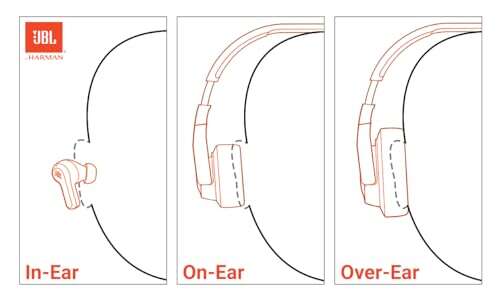

The loudest headphones are usually high-sensitivity models that produce strong volume without needing a powerful amplifier.
If you are asking what are the loudest headphones, the answer depends on more than a brand name or a volume slider. Driver sensitivity, impedance, source power, fit, and built-in volume limits all affect how loud headphones can sound. A phone may drive one pair with ease while making another pair seem quiet.
After comparing headphone specifications and real-world listening behavior, I can say that the Sennheiser HD 25, Sony MDR-7506, Audio-Technica ATH-M50x, and some low-impedance Beyerdynamic models are among the strongest choices for high volume. This guide explains what makes them loud, which models suit different listeners, and how to protect your hearing while using them.
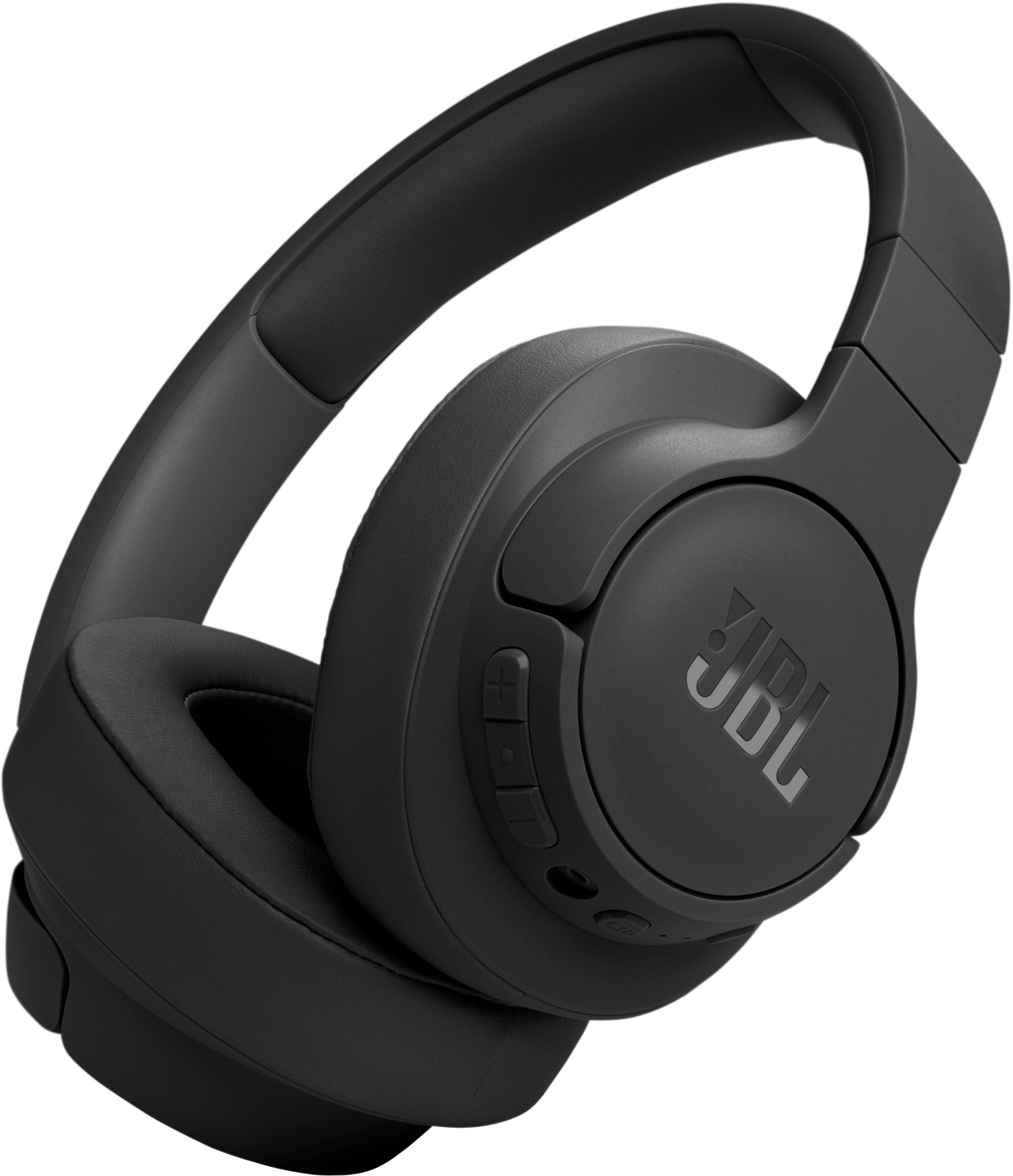
What are the loudest headphones?
The loudest headphones are models with high sensitivity, a suitable impedance, and efficient drivers. In simple terms, they turn the power from your phone, laptop, or headphone amplifier into more sound.
Some headphones can reach high sound pressure levels from a small device. Others need a dedicated headphone amp before they become loud. This is why a pair with a powerful reputation may sound weak when connected to a basic phone or tablet.
Popular loud headphone choices include:
• Sennheiser HD 25 for very high sensitivity and strong on-ear volume
• Sony MDR-7506 for loud, clear studio monitoring
• Audio-Technica ATH-M50x for powerful closed-back sound
• Beyerdynamic DT 770 Pro 32-ohm for easy use with portable devices
• Focal Listen Professional for detailed, high-output listening
• V-Moda Crossfade series for strong bass and energetic playback
The exact loudest headphones for you will depend on your source. A 32-ohm pair may sound louder from a phone than a 250-ohm pair, even if the second model has a larger driver.
How headphone loudness is measured
Headphone loudness is mainly described through sensitivity and impedance. These terms may look technical, but the basic ideas are easy to understand.
Sensitivity
Sensitivity shows how much sound a headphone can create from a set amount of power. It is often listed as decibels per milliwatt, or dB/mW, or decibels per volt, or dB/V.
A higher sensitivity rating usually means louder playback from the same device. For example, headphones rated near 100 dB/mW will often reach high volume more easily than headphones rated near 90 dB/mW.
Impedance
Impedance is measured in ohms. It describes how much electrical resistance the headphones present to the source.
Low-impedance headphones, such as 16-ohm, 32-ohm, or 38-ohm models, are often easy for phones and laptops to drive. High-impedance headphones, such as 250-ohm or 300-ohm models, may need a headphone amplifier.
Impedance alone does not decide what are the loudest headphones. Sensitivity and amplifier power matter just as much.
Sound pressure level
Sound pressure level, or SPL, describes the actual pressure created by sound. It is measured in decibels, or dB.
Two headphones can have similar sensitivity but sound different because of their tuning. One may have sharper upper mids, while another has more bass. The brighter pair may seem louder, even if both create a similar measured SPL.

The loudest headphones for different uses
There is no single winner for every listener. The best loud headphones for a DJ may not be the best choice for gaming, travel, or home music.
Best overall for loud portable listening: Sennheiser HD 25
The Sennheiser HD 25 is a popular choice for DJs, live sound workers, and people who need strong output from portable equipment. It is light, closed-back, and known for excellent sensitivity.
Its split headband and replaceable parts also make it practical for long-term use. The sound is lively and direct, with enough energy to cut through a busy room.
The HD 25 does not have deep, boosted bass like some consumer headphones. Still, its clear midrange and high output make it one of the strongest answers to what are the loudest headphones.
Best studio choice: Sony MDR-7506
The Sony MDR-7506 has been used in studios, radio stations, video rooms, and broadcast work for decades. It is easy to drive and can reach high volume from many everyday devices.
The sound is bright and detailed. That helps you hear clicks, hiss, vocal details, and editing errors, but it can also make loud listening tiring.
I would avoid turning the MDR-7506 all the way up. Its clear treble can make unsafe volume levels feel exciting rather than painful.
Best closed-back all-rounder: Audio-Technica ATH-M50x
The Audio-Technica ATH-M50x combines good sensitivity with a closed-back design. It creates a strong seal around the ears, which can make music feel louder and fuller.
It has punchy bass, clear vocals, and a useful level of detail. The included cables also make it flexible for studio work, travel, and casual listening.
The M50x is not always the absolute loudest model from every phone. However, it is one of the loudest headphones that also offers a balanced mix of comfort, sound quality, and durability.
Best for portable bass: V-Moda Crossfade series
V-Moda Crossfade headphones are made for listeners who enjoy strong bass and a lively presentation. Their closed design helps keep sound inside and outside noise away.
Bass can make headphones feel louder because low frequencies add physical weight to music. This can be enjoyable for hip-hop, electronic music, and action films.
The main limitation is comfort. The ear cups may feel small for some users, and the bass-heavy sound is not ideal for accurate mixing.
Best for detailed home listening: Focal Listen Professional
The Focal Listen Professional can produce strong output while keeping a detailed, controlled sound. It is a good option for people who want volume without giving up clarity.
It also has a firm fit and a closed-back structure. That helps with isolation, though some listeners may find the clamp tight at first.
This model usually makes more sense for home studios than for casual phone use. It can be expensive compared with basic high-sensitivity headphones.
Loudest wired headphones versus wireless headphones
Wired headphones often have a higher loudness ceiling because they receive power directly from the source. Wireless headphones use a built-in amplifier, digital signal processing, battery controls, and sometimes automatic safety limits.
Active noise cancellation can change how loud headphones seem. By reducing outside noise, it lets you hear more detail at a lower volume. This is often safer and more comfortable than simply increasing the volume.
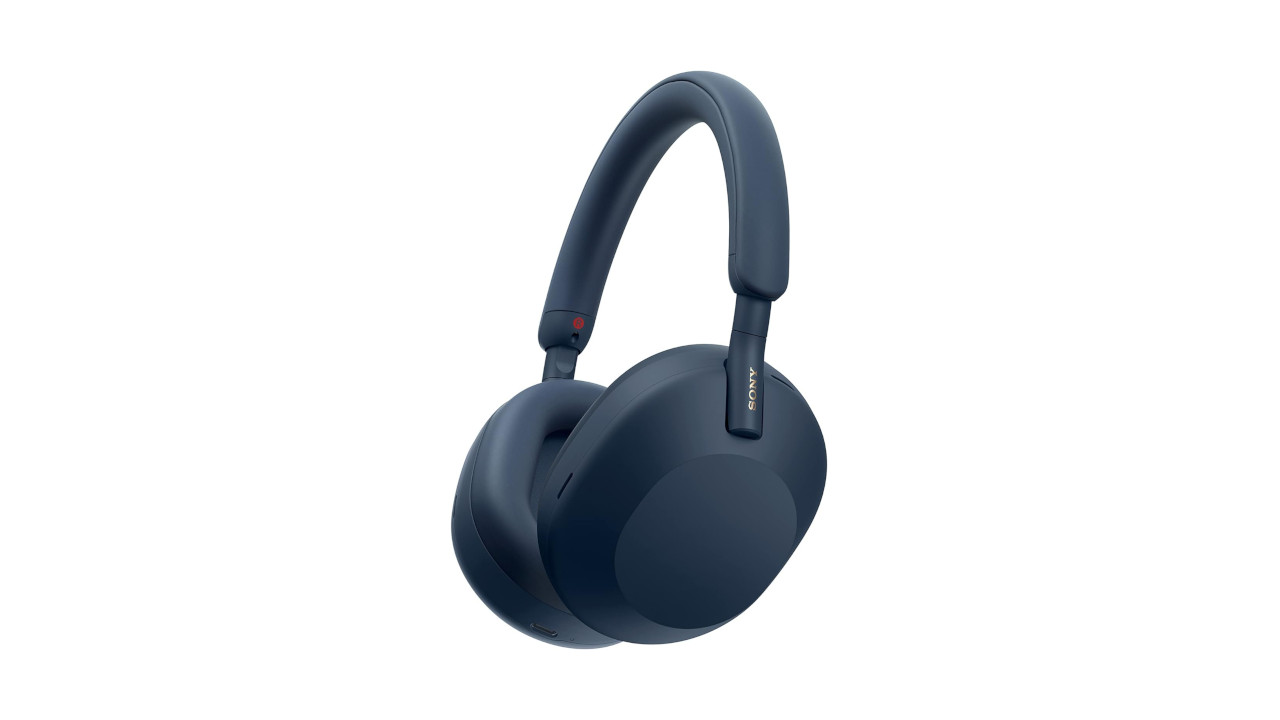
Wireless models such as the Sony WH-1000XM5, Bose QuietComfort Ultra, and Apple AirPods Max can sound powerful. However, they are not always what are the loudest headphones in raw output. Their internal software may limit volume to protect hearing and reduce distortion.
Wired headphones may be a better choice when you want:
• The highest possible output from a strong source
• Simple connection without charging
• Easy use with a headphone amplifier
• Lower delay for music production or gaming
Wireless headphones may be better when you want:
• Noise cancellation
• Travel comfort
• Freedom from cables
• Built-in sound controls
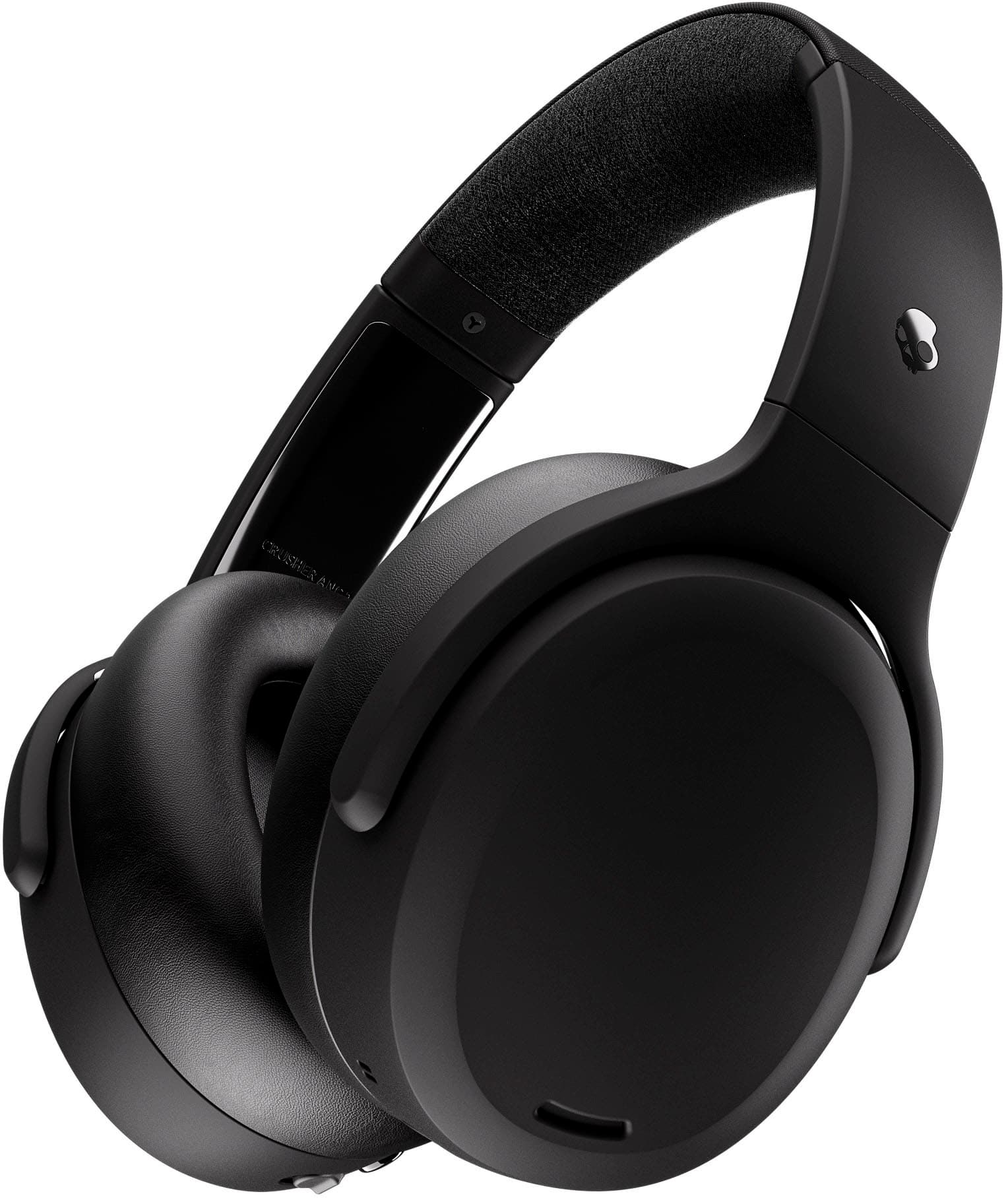
How to make headphones louder safely
If your headphones seem quiet, do not immediately buy a new pair. The problem may come from the source, settings, or connection.
Try these steps:
-
Check the device volume and app volume. Some music apps have their own volume controls.
-
Turn off volume normalization if it lowers quieter tracks.
-
Check whether a volume limiter is active.
-
Use the correct cable and adapter.
-
Try another source to see whether the problem follows the headphones.
-
Consider a portable headphone amplifier for high-impedance models.
-
Make sure the ear cups form a proper seal.
A poor seal can reduce bass and make headphones feel much quieter. This is common with glasses, thick hair, loose pads, or ear cups that are too small.
Do not use unverified “volume booster” apps without care. They can add distortion and push the signal beyond safe levels. A clean amplifier is a better solution when your headphones need more power.
Are louder headphones better?
Louder headphones are not automatically better headphones. Loudness is only one part of performance.
A good pair should also offer:
• Clear sound without harsh distortion
• Comfortable ear pads and a stable fit
• Good isolation for noisy places
• Reliable build quality
• A sound profile that suits your music
• Enough power for your main listening device
Very loud headphones can sound impressive for a few minutes. After longer use, excessive bass, sharp treble, or distortion may cause fatigue.
In my experience with headphone comparisons, the best result usually comes from a clean, controlled signal rather than maximum volume. A moderate level with low distortion sounds more enjoyable than a louder level that becomes rough or tiring.

How loud is too loud?
The National Institute for Occupational Safety and Health uses 85 dBA over eight hours as a recommended exposure limit for workplace noise. For every 3 dB increase, the recommended exposure time is cut in half.
That means approximate exposure times look like this:
• 85 dBA: 8 hours
• 88 dBA: 4 hours
• 91 dBA: 2 hours
• 94 dBA: 1 hour
• 97 dBA: 30 minutes
• 100 dBA: 15 minutes
These figures are useful guides, not a guarantee of safety. Your listening distance, music type, headphone fit, and personal hearing health all matter.
A simple rule is to keep the volume low enough that you can still notice nearby speech. Take regular breaks, especially during long work or gaming sessions. If your ears ring after listening, the volume was too high or the session was too long.
What to look for when buying the loudest headphones
Choosing what are the loudest headphones requires more than checking a product title. Read the technical details and think about how you will use them.
Check sensitivity
Look for a sensitivity rating around 100 dB or higher when possible. Make sure you compare ratings that use the same unit, because dB/mW and dB/V are not directly interchangeable.
Check impedance
For phones and laptops, models between 16 and 80 ohms are often easier to drive. High-impedance headphones can sound excellent, but they may need an amplifier.
Consider the headphone design
Closed-back headphones often feel louder because they block outside sound and keep bass inside. Open-back headphones can sound wide and natural, but they leak sound and may feel less powerful in a noisy room.
Think about fit
A secure fit improves bass and isolation. If the pads do not seal well, even the loudest headphones may sound thin.
Read distortion measurements
High volume is not useful if the drivers distort. Look for independent measurements when available, but remember that test methods differ between reviewers.
Avoid exaggerated claims
Marketing terms such as “extreme bass” or “maximum power” do not always mean the headphones are louder. Trust sensitivity, impedance, measured output, and reliable user testing more than dramatic advertising.

Common mistakes when using loud headphones
Many people make the same errors when trying to get more volume.
• Using high-impedance headphones with a weak phone adapter
• Increasing volume to overcome poor ear pad sealing
• Listening in traffic or on airplanes without effective noise cancellation
• Boosting bass until the sound becomes distorted
• Wearing headphones for hours without breaks
• Assuming louder means higher quality
• Ignoring ringing, muffled hearing, or ear pain
One mistake I often see is testing headphones for only a minute at maximum volume. That tells you whether they can get loud, but it does not tell you whether they remain comfortable after an hour.
A better test is to use a familiar song at a moderate level. Listen for harsh treble, loose bass, and signs of fatigue. A headphone that sounds balanced and clear will usually be more satisfying than one that simply produces more volume.
Can a headphone amplifier make headphones louder?
Yes, a headphone amplifier can make some headphones louder. It is most useful when the source cannot provide enough voltage or power for high-impedance headphones.
An amplifier cannot fix every problem. If the headphones have low sensitivity, a small amp may improve volume but still fail to provide the sound you want. It also cannot improve a poor seal or badly mixed recording.
For many portable headphones, a phone or laptop already provides enough power. Buy an amplifier only after checking the headphone impedance, sensitivity, and source output.
A clean amplifier should increase headroom without adding audible hiss or distortion. More power is helpful, but using it responsibly is essential.
FAQ: What are the loudest headphones?
What are the loudest headphones for use with a phone?
The Sennheiser HD 25, Sony MDR-7506, and Audio-Technica ATH-M50x are strong choices for phones and laptops. Their efficient designs usually produce high volume without a separate amplifier.
Are wireless headphones louder than wired headphones?
Usually, no. Wireless headphones have built-in amplifiers and software limits, while wired headphones can draw power from a stronger source. Still, a wireless model may seem louder because noise cancellation removes background sound.
Do high-ohm headphones play louder?
Not by themselves. High-ohm headphones often need more voltage, so they may sound quieter from a phone unless you use a suitable headphone amplifier.
Is it safe to use the loudest headphones?
The headphones themselves are not automatically unsafe, but very high volume can damage hearing. Follow the 60/60 approach: keep volume near 60 percent or lower and take breaks often, while lowering it further if your ears ring or feel tired.
Can noise-canceling headphones protect hearing?
Noise-canceling headphones can reduce the need to raise the volume in loud places. They do not make high-volume listening safe, so you should still keep playback at a moderate level.
What is the best loud headphone for bass?
The V-Moda Crossfade series and Audio-Technica ATH-M50x offer strong bass and high output. Your choice should also depend on comfort, fit, and whether you want accurate or boosted sound.
Conclusion
The loudest headphones are usually efficient, easy-to-drive models such as the Sennheiser HD 25, Sony MDR-7506, and Audio-Technica ATH-M50x. Yet raw volume is only one part of the decision. Sensitivity, impedance, fit, sound quality, comfort, and hearing safety matter just as much.
Start by checking your source and headphone specifications. Choose a model that reaches a clear, comfortable level without needing extreme volume. Protect your hearing with regular breaks, and explore trusted headphone measurements before you buy.

Everett Ashford is a tech reviewer at mytechgrid.com specializing in SSDs, cameras, TVs, earbuds, headphones, and other consumer electronics. He provides honest, data-driven reviews based on hands-on testing and real-world performance analysis. Everett simplifies complex tech details to help readers make smart, confident buying decisions.