Yes, over-ear headphones are often better for comfort, sound quality, isolation, and long listening sessions.
The answer to “are over the ear headphones better” depends on how you listen, where you listen, and what you value most. Over-ear models can create a wide, rich soundstage and reduce ear fatigue, but they are larger, warmer, and less portable than earbuds or on-ear headphones. This guide compares their sound, comfort, safety, cost, and everyday use so you can make a smart choice.
What Are Over-Ear Headphones?
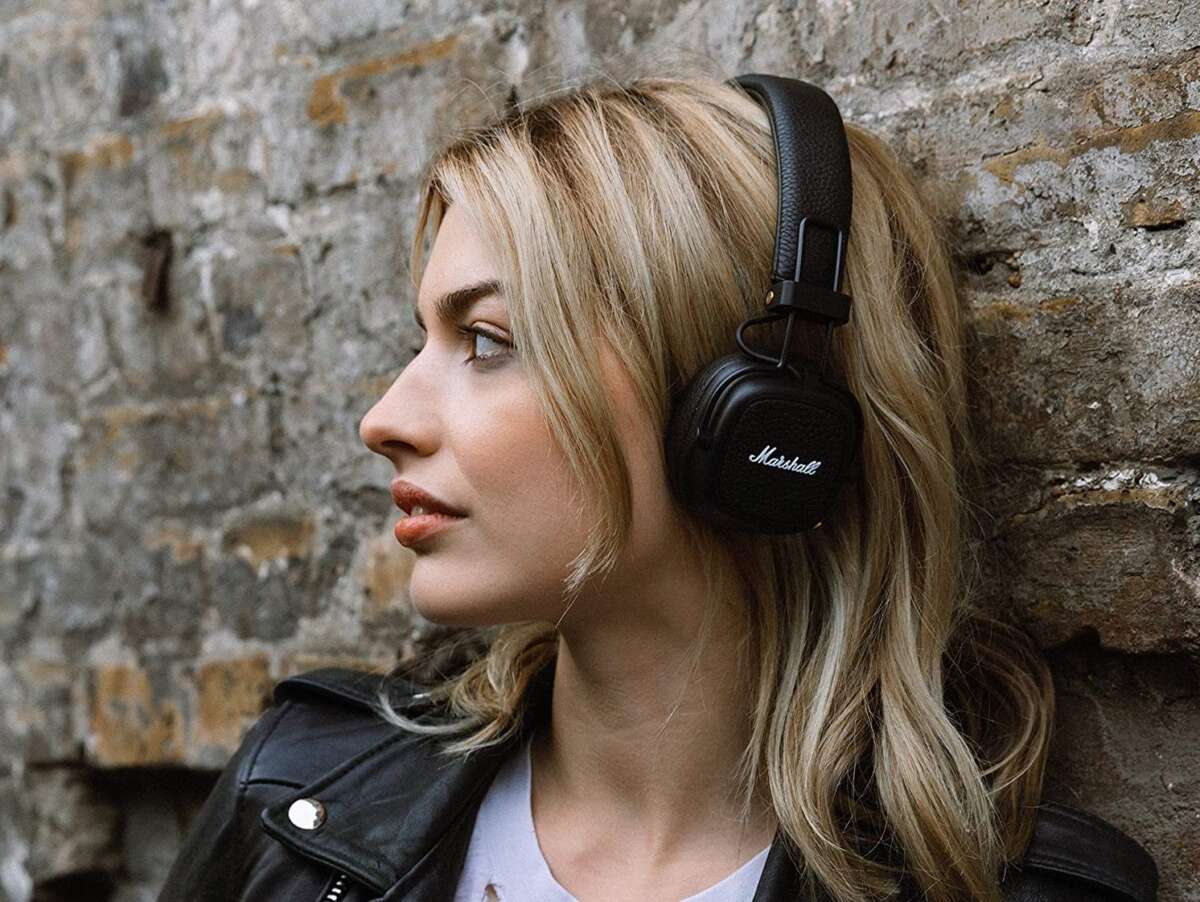
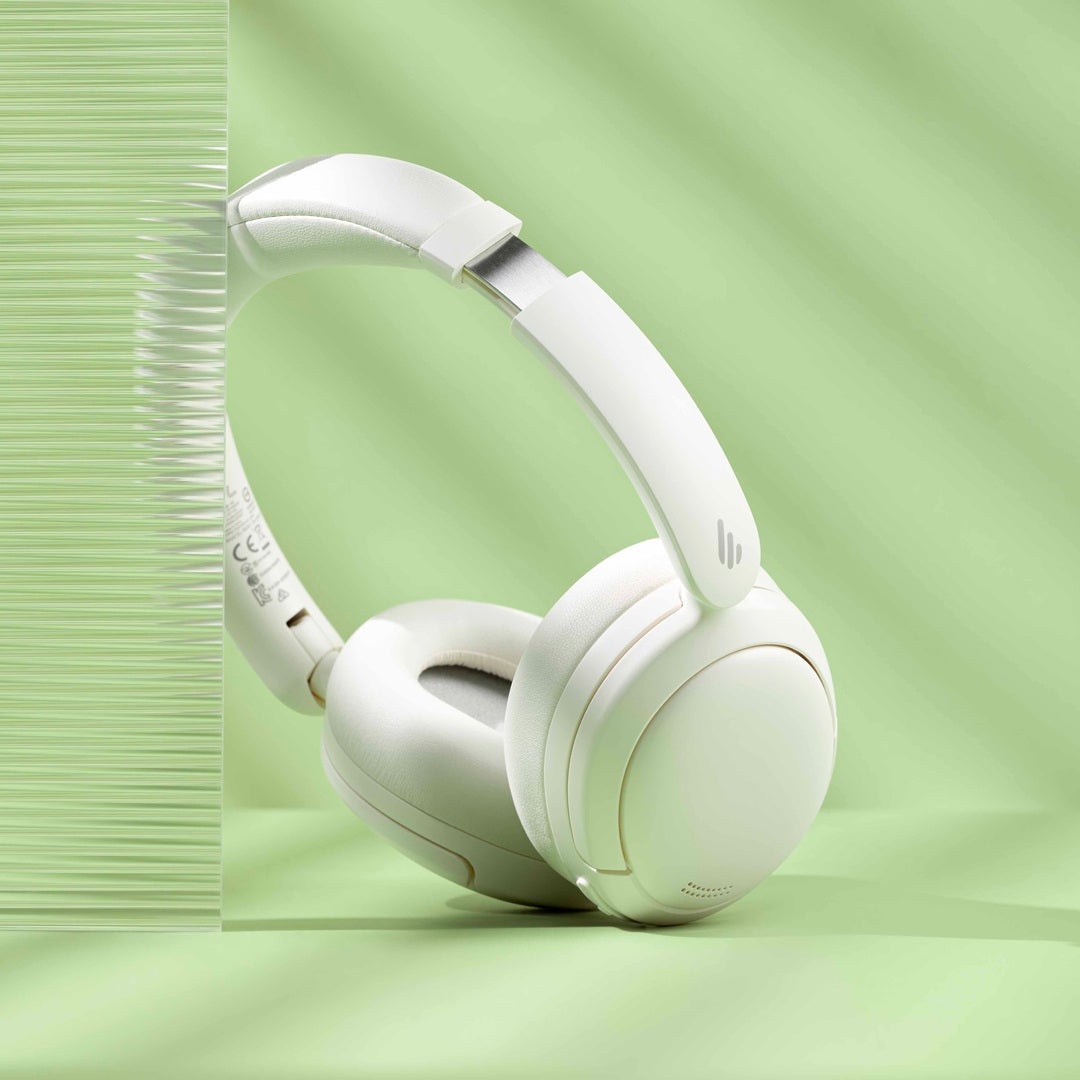
Over-ear headphones have large ear cups that surround your ears instead of pressing directly on them. The cups rest against the sides of your head and form a seal around the ears.
They come in two main types:
• Closed-back headphones block more outside noise and keep sound from leaking out.
• Open-back headphones let some air and sound pass through the ear cups. They often sound more natural but are not ideal in noisy or public places.
Over-ear headphones may be wired, wireless, or both. Many wireless models also include Bluetooth, active noise cancellation, a built-in microphone, and a transparency mode.
So, are over the ear headphones better than other types? Their larger design gives them room for bigger drivers, thicker padding, and stronger noise control. Still, those benefits matter most when you want comfort and high-quality sound rather than maximum portability.
Are Over the Ear Headphones Better for Sound Quality?
In many cases, yes. Over-ear headphones often produce fuller bass, clearer detail, and a wider soundstage than small earbuds. Their ear cups can hold larger drivers, which move more air and help music feel more open.
The difference is not automatic, though. A well-tuned pair of earbuds can sound better than a cheap pair of over-ear headphones. Driver quality, tuning, fit, Bluetooth codecs, and the recording itself all affect the final result.
Over-ear headphones are especially useful for:
• Listening to music with complex instruments
• Watching movies and shows
• Mixing or editing audio
• Playing games that use directional sound
• Enjoying classical, jazz, rock, or live recordings
Open-back models can make music feel as if it is happening in the same room. Closed-back models usually provide stronger bass and better isolation. For most daily listeners, a good closed-back pair offers the best balance.
Are over the ear headphones better for audiophiles? They often are, because they can deliver more detail and a wider soundstage. However, personal taste matters more than technical claims. Some people prefer the direct, lively sound of in-ear monitors.

Comfort and Long Listening Sessions
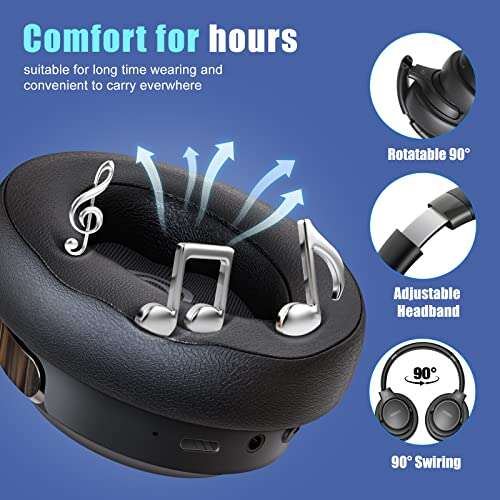
Over-ear headphones can be more comfortable because the ear cups surround the ears rather than sitting inside the ear canal. This can reduce the pressure that some people feel from earbuds.
Good comfort depends on several design details:
• Soft ear pads that do not press too tightly
• A headband with even weight distribution
• A clamp that feels secure but not painful
• Enough space inside each ear cup
• Breathable materials for warm rooms
A heavy headset may feel fine for 30 minutes but tiring after three hours. This is one of the most common mistakes people make when shopping. They focus on sound and forget that a poor fit can ruin an otherwise excellent pair.
In my hands-on comparisons, weight and clamp force often mattered more than expected. A lighter headphone with slightly less bass was easier to enjoy than a heavier model that caused neck strain. Comfort is not a luxury; it affects how often you will actually use the headphones.
Are over the ear headphones better for long workdays? Usually, yes, if the fit is light and the ear pads are breathable. If you wear glasses, look for soft pads and moderate clamp force because hard pads can press the frames into your skin.

Noise Cancellation and Isolation
Over-ear headphones can block noise in two ways. Passive isolation comes from the ear cups and their seal. Active noise cancellation, or ANC, uses microphones and electronic processing to reduce outside sound.
Large ear cups can be very effective against:
• Air conditioner hum
• Engine noise on buses and planes
• Office conversations
• Household background noise
• Fan and computer noise
ANC works best with steady, low sounds. It is less effective against sudden voices, clattering dishes, or a barking dog. This limitation is normal and applies to nearly every noise-canceling headphone.
Closed-back over-ear headphones usually provide better isolation than open-back designs. Open-back headphones are made for quiet rooms because sound travels both into and out of the ear cups.
Are over the ear headphones better for travel? Often, yes, especially when they include strong ANC and a comfortable fit. They may make flights and train rides calmer, but their larger size takes more bag space than earbuds.

Over-Ear Headphones Compared With Earbuds and On-Ear Models
The best choice depends on your daily routine. Each design solves a different problem.
Over-Ear Headphones
Over-ear headphones surround the ears. They are usually best for comfort, sound quality, noise control, and home use. Their main drawbacks are size, heat, and weight.
On-Ear Headphones
On-ear headphones rest on the ears. They are smaller and lighter than over-ear models, but the pressure can become uncomfortable. They also tend to provide less isolation.
Earbuds
Earbuds are compact and easy to carry. They work well for exercise, commuting, and quick calls. Some people dislike the fit, limited battery size, or feeling of having something inside the ear.
A simple comparison can help:
| Feature | Over-ear | On-ear | Earbuds |
|---|---|---|---|
| Comfort for long use | Usually high | Moderate | Depends on fit |
| Portability | Low to moderate | Moderate | Excellent |
| Soundstage | Often wide | Moderate | Usually narrower |
| Noise isolation | High with a good seal | Moderate | Varies |
| Heat buildup | Possible | Low | Very low |
| Exercise use | Poor to moderate | Moderate | Good |
| Battery capacity | Often strong | Moderate | Limited by size |
Are over the ear headphones better than earbuds? They are better for long listening, deep sound, and noise reduction. Earbuds are better when you need a small, light, easy-to-carry option.
Are Over the Ear Headphones Safer for Your Ears?
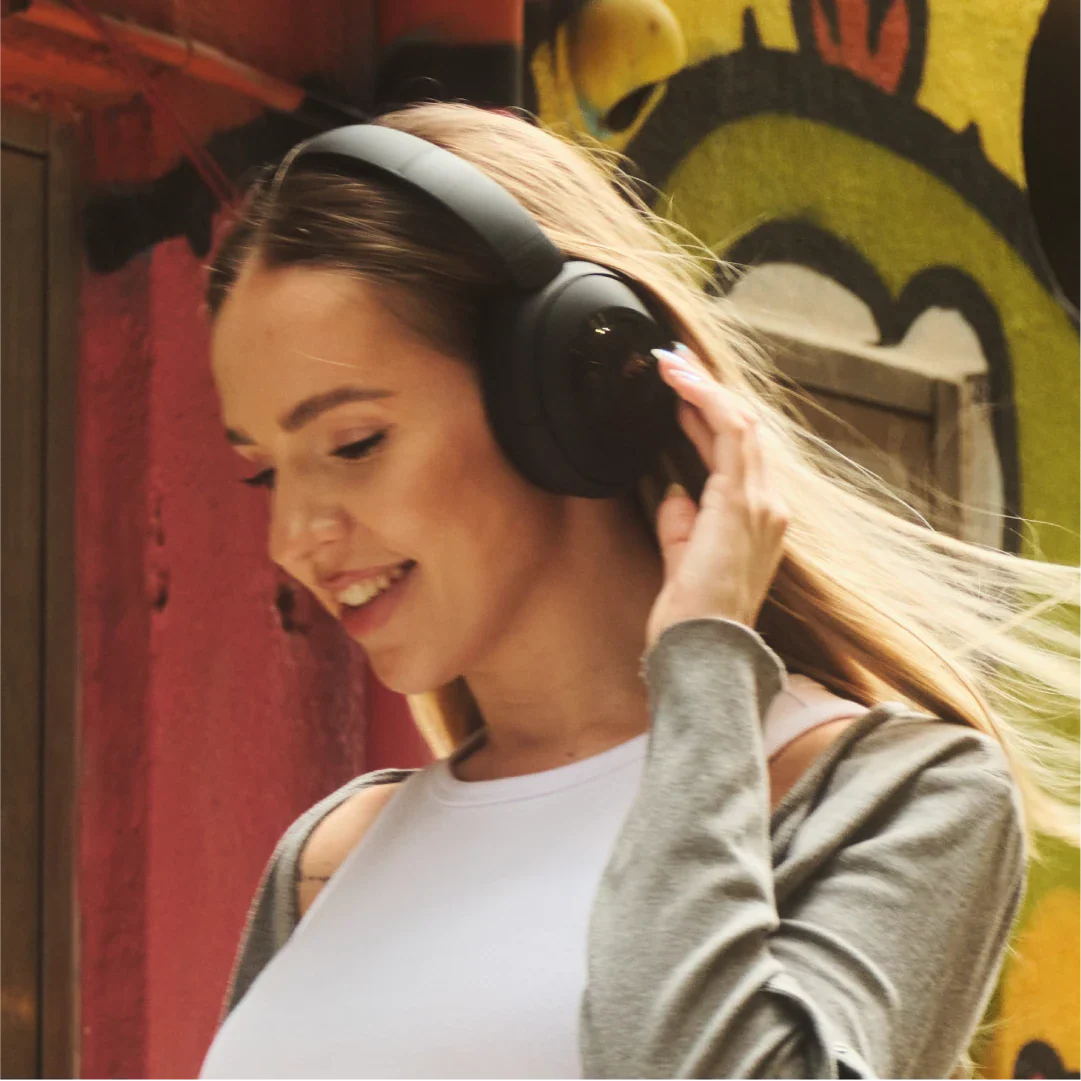
Over-ear headphones are not automatically safer than earbuds. Hearing safety depends mainly on volume and listening time.
A useful rule is the 60/60 approach: keep volume near 60 percent or lower and take a break after about 60 minutes. This is a simple guideline, not a guarantee. Safe listening levels vary with the device, headphone sensitivity, music type, and surrounding noise.
Over-ear headphones may help because they can block more outside sound. When the room is quieter, you may not feel the need to turn up the volume. This is one reason ANC can support safer listening in loud places.
Still, large headphones can create problems if you listen loudly for hours. Warning signs include:
• Ringing in the ears
• Muffled hearing after listening
• Ear pain or pressure
• Needing to raise the volume over time
If these symptoms continue, stop listening and speak with a hearing professional. Hearing damage can be gradual and permanent, so do not treat ringing as something to ignore.
Are over the ear headphones better for hearing health? They can be helpful when they reduce the need for high volume, but safe habits matter more than the headphone style.

Advantages of Over-Ear Headphones
Over-ear headphones have several clear strengths. These benefits explain why they remain popular among music fans, gamers, travelers, and office workers.
Better Soundstage
The space around your ears can create a more natural sense of distance. This helps you hear where instruments, voices, and game sounds sit in the mix.
Stronger Passive Isolation
A full ear seal can reduce outside noise without using power. This is useful when you want quiet but do not need electronic noise cancellation.
More Powerful Bass
Large ear cups and drivers can produce deep bass without making the sound feel thin. A well-designed pair can still keep vocals and high notes clear.
Better Battery Life
Wireless over-ear headphones often have larger batteries than true wireless earbuds. Some can run for many hours before needing a charge.
More Stable Fit
A headband keeps the headphones connected to your head. This can feel more secure than earbuds, especially when you move around at a desk.
Useful Controls
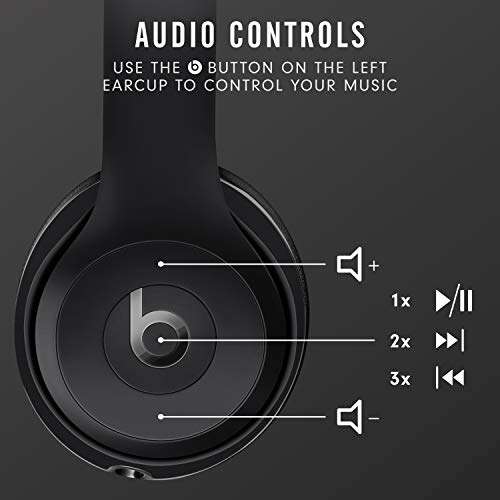
Many models include buttons for volume, calls, playback, ANC, and transparency mode. Physical buttons can be easier to use than tiny touch controls.
These advantages make the answer to “are over the ear headphones better” more positive for home listening, travel, and professional audio work.

Drawbacks to Consider Before Buying
Over-ear headphones are not perfect. Their size can become a daily annoyance if you commute, exercise, or travel light.
Common disadvantages include:
• They take up more space in a bag.
• They can feel hot in warm weather.
• Some models are heavy on the head and neck.
• Hair and glasses can affect the seal.
• Strong clamping force may cause discomfort.
• Open-back models leak sound.
• Wireless models need charging.
• Premium models can cost much more than basic earbuds.
A headphone can also feel uncomfortable because of its ear pads. Leather and synthetic leather often seal well but may trap heat. Fabric pads breathe better but may allow more sound to pass through.
Another issue is microphone quality. A headphone can sound excellent for music but produce weak or muffled voice calls. Check independent microphone tests if you plan to use the headset for meetings, gaming, or customer calls.
Are over the ear headphones better for exercise? Usually not. Sweat, movement, and heat make earbuds or sport-focused headphones more practical for most workouts.
How to Choose the Right Over-Ear Headphones
Start with your main use. Do not buy based only on brand, price, or a popular review.
For Music at Home
Choose comfortable headphones with balanced tuning. Open-back models can be appealing if you have a quiet room and do not share the space with others.
For Travel
Look for strong ANC, a foldable design, a sturdy case, and long battery life. Multipoint Bluetooth is useful if you switch between a phone and laptop.
For Office Work
Prioritize comfort, microphone quality, and transparency mode. A headset that blocks every sound may make it harder to hear coworkers or alarms.
For Gaming
Look for accurate imaging, low wireless delay, a clear microphone, and comfortable ear pads. Surround sound features can help, but good stereo imaging often matters more.
For Audio Editing
A wired connection and a neutral sound profile are usually more important than ANC. Open-back headphones can help you notice details, but speakers may still be better for final mixing decisions.
Before buying, check these specifications:
• Weight
• Ear cup dimensions
• Battery life
• Bluetooth version and supported codecs
• Wired listening support
• ANC performance
• Microphone quality
• Warranty length
• Replacement pad availability
Are over the ear headphones better when they are expensive? Not always. A mid-priced model with a good fit can be a better choice than a costly headphone that hurts after an hour.
Practical Tips for Better Comfort and Sound
Even a good headphone can perform poorly if you use it the wrong way. Small changes can make a major difference.
-
Adjust the headband so the ear cups sit evenly around your ears.
-
Check that no part of your ear is folded inside the cup.
-
Keep the volume low enough to hear nearby warning sounds when needed.
-
Clean the ear pads and headband often.
-
Give your ears short breaks during long sessions.
-
Store the headphones in a case instead of leaving them in heat or direct sunlight.
-
Replace worn ear pads because a damaged seal can reduce comfort and bass.
-
Turn off features you do not need to save battery.
One lesson I have learned from comparing headphones is that fit should come before small sound differences. People often spend time comparing codecs while ignoring a headband that creates a pressure point. Comfort is the bridge between good specifications and real daily use.
For Bluetooth headphones, keep the firmware updated through the official app. Updates may improve connection stability, microphone performance, or noise control. They can also introduce changes, so read update details when available.
When Over-Ear Headphones Are Not the Best Choice
Over-ear headphones may be the wrong option in certain situations. If you walk in traffic, bulky ear cups may reduce awareness of cars, bikes, or other hazards.
They may also be unsuitable for:
• Running in hot weather
• High-sweat workouts
• Very small bags
• Shared spaces where sound leakage is a problem
• People who dislike pressure around the ears
• Situations that require quick conversations
Earbuds can be more convenient for a short phone call or a walk around town. On-ear headphones can offer a middle ground when you want a smaller design without placing anything inside your ear.
The most honest answer to “are over the ear headphones better” is that they are better for some needs, not every need. Think of them as a comfortable armchair for your ears: excellent at home, but not always practical on a crowded sidewalk.
Frequently Asked Questions About Are Over the Ear Headphones Better
Are over-ear headphones better than earbuds for everyday listening?
They are often better for comfort, soundstage, and noise control during long sessions. Earbuds are more convenient when portability, exercise, or quick use matters most.
Do over-ear headphones sound better than in-ear headphones?
They can sound more spacious and powerful, but sound quality depends on tuning, fit, and the specific model. A high-quality in-ear headphone may outperform a poorly designed over-ear pair.
Are over-ear headphones good for people who wear glasses?
They can be, but tight ear cups may press glasses against the sides of your head. Look for soft, deep pads and moderate clamp force, then test the fit if possible.
Are noise-canceling over-ear headphones worth it?
They are worth considering if you travel, work in a noisy office, or listen near steady background noise. ANC adds cost and uses battery, so it may not be necessary for quiet homes.
Can over-ear headphones damage hearing?
Any headphone can contribute to hearing damage when used loudly for long periods. Keep the volume moderate, take breaks, and stop listening if you notice ringing or muffled hearing.
Are over-ear headphones better for gaming?
They can be better for comfort, directional audio, and microphone features during long gaming sessions. Choose a lightweight model with low wireless delay and a clear microphone.
How long should over-ear headphones last?
A well-made pair can last for several years with careful use. Battery wear, broken hinges, peeling pads, and outdated wireless features may shorten the useful life of wireless models.
Conclusion
Over-ear headphones are often the better choice for comfort, rich sound, noise control, travel, gaming, and long listening sessions. They are not as portable as earbuds, and they can feel warm or heavy, so your lifestyle should guide the decision.
Focus on fit first, then sound, battery life, noise control, microphone quality, and price. Choose a lightweight pair with replaceable pads if you want lasting value. Try the headphones for more than a few minutes when possible, and use safe volume habits from the start.
Now compare a few models that match your main use, read independent tests, and choose the pair you will enjoy wearing every day.

Everett Ashford is a tech reviewer at mytechgrid.com specializing in SSDs, cameras, TVs, earbuds, headphones, and other consumer electronics. He provides honest, data-driven reviews based on hands-on testing and real-world performance analysis. Everett simplifies complex tech details to help readers make smart, confident buying decisions.