Yes, bone conduction headphones work by sending sound vibrations through your cheekbones to your inner ear.
The idea sounds strange, but the science is simple. Bone conduction headphones bypass much of the outer and middle ear while still using the inner ear to process sound. This guide explains how they work, what they sound like, who should use them, and where their limits matter.
How do bone conduction headphones work?
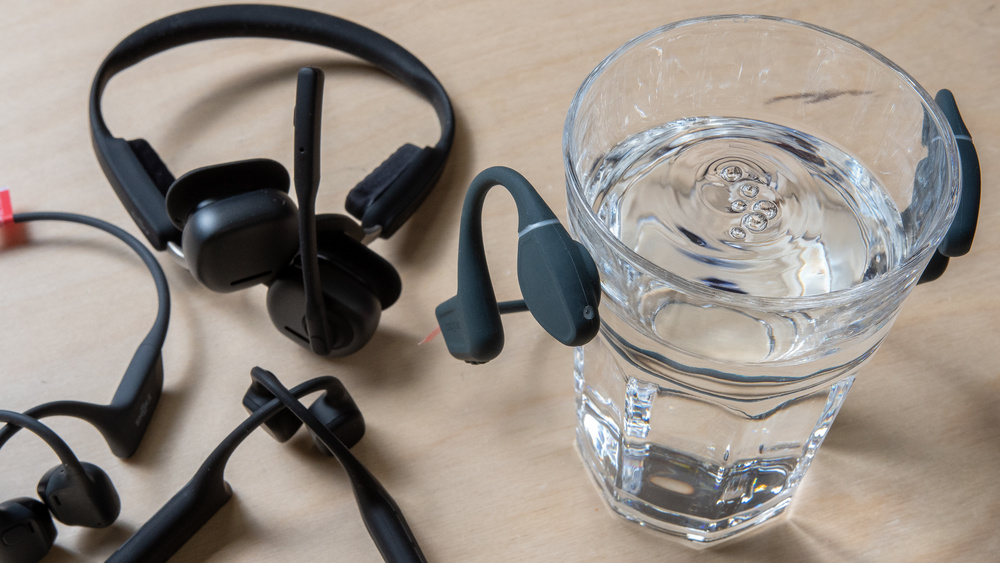
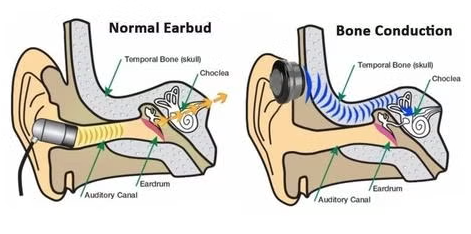
Bone conduction headphones use small transducers, or vibration drivers, that rest against the bones near your ears. Instead of sending sound through the ear canal, these drivers create tiny vibrations in the skull.
Those vibrations travel through the bones of your head to the cochlea. The cochlea is the spiral-shaped part of the inner ear that changes vibrations into nerve signals. Your brain then reads those signals as speech, music, or other sounds.
This means bone conduction hearing still depends on a healthy inner ear and auditory nerve. The headphones do not create sound directly inside your brain. They simply use a different path to reach the same hearing system.
Traditional headphones follow this route:
- The speaker creates sound waves.
- The waves travel through the ear canal.
- The eardrum vibrates.
- Tiny middle-ear bones move.
- The cochlea turns the movement into nerve signals.
Bone conduction headphones take a shorter route:
- The transducer vibrates against your skin.
- The skull carries the vibration.
- The cochlea receives the vibration.
- The auditory nerve sends the signal to your brain.
A helpful analogy is a closed door. Regular headphones speak through the door, while bone conduction headphones tap on the wall beside it. Both methods can deliver a message, but the experience is different.
What do bone conduction headphones sound like?
Bone conduction headphones usually sound clear for speech, podcasts, calls, and audiobooks. Music can also sound enjoyable, especially during exercise, but it may not have the deep bass or rich detail produced by quality in-ear or over-ear headphones.
Bass needs strong air movement. Since bone conduction models use vibration rather than a sealed ear canal, low notes often feel lighter. Some users describe the sound as thinner, brighter, or less immersive than standard headphones.
Sound quality can vary based on:
• The position of the transducers on your cheekbones
• The fit and tension of the headband
• The model’s vibration strength
• The music or audio source
• Background noise around you
• Your personal hearing profile
During practical testing, small changes in placement can make a clear difference. Moving the pads slightly forward or backward may improve speech clarity. A loose fit can make music sound weak, while a very tight fit may cause pressure near the ears.
Bone conduction headphones are not designed to create a private listening bubble. People close to you may hear a faint amount of sound, especially at high volume. This sound leakage is usually low, but it is not zero.

Are bone conduction headphones safe?
For most people, bone conduction headphones are safe when used at a sensible volume and with a comfortable fit. They do not place earbuds deep inside the ear canal, which can help reduce ear-canal pressure and irritation.
However, bone conduction headphones can still deliver loud sound to the inner ear. The risk of hearing damage depends mainly on volume, listening time, and repeated exposure. Avoid assuming that a different sound path makes high volume harmless.
Use these habits to protect your hearing:
• Keep the volume low enough to hear nearby sounds.
• Take short listening breaks during long sessions.
• Stop using the headphones if you feel pain, ringing, or dizziness.
• Clean the contact pads and headband often.
• Do not wear them so tightly that your skin feels sore.
A common safety mistake is turning up the volume in a busy place. Open-ear headphones allow outside sound in, but traffic, gym noise, and wind can still make audio hard to hear. If you keep increasing the volume, the headphones may become a hearing risk.
People with hearing loss, ear disease, tinnitus, or recent ear surgery should ask an audiologist or doctor for personal advice. Bone conduction headphones may help some people, but they are not a universal treatment for hearing loss.

What are the benefits of bone conduction headphones?
The biggest benefit is awareness. Since your ear canals remain open, you can hear traffic, coworkers, a running partner, or announcements while listening to audio.
This makes them useful for outdoor activities. Runners and cyclists can stay more aware of nearby vehicles and people. That awareness does not replace safe behavior, such as checking traffic and following local laws, but it can improve situational awareness.
Other benefits include:
• Comfortable use for people who dislike earbuds
• Less pressure inside the ear canal
• Easy access to voices and environmental sounds
• Useful fit for many active workouts
• Better comfort for some people with ear-canal sensitivity
• No need to remove earbuds to talk with someone
Bone conduction headphones can also help when regular earbuds do not fit well. Ear shape varies widely. Some people lose earbuds during a run, while others find silicone tips painful or irritating.
They may also work well for office calls. You can hear the conversation while remaining aware of a colleague nearby. The trade-off is that nearby noise may also enter the call experience because the headphones do not seal your ears.
What are the limitations of bone conduction headphones?
Bone conduction headphones are useful, but they are not better than regular headphones in every situation. Their open design creates several limits.
The first limit is sound quality. Most models struggle to match high-end headphones for bass, detail, and musical depth. If you want an immersive experience for jazz, classical music, movies, or gaming, over-ear headphones may be a better choice.
The second limit is noise. In a loud place, outside sound can overpower the audio. A subway, busy airport, or loud gym may make bone conduction headphones difficult to use.
Other drawbacks include:
• Noticeable sound leakage at high volume
• Less powerful bass
• Possible vibration or tickling at high volume
• Pressure or soreness after long use
• Reduced clarity in very noisy areas
• Limited privacy during calls and music playback
• Higher prices for premium waterproof models
Some people also dislike the sensation of vibration. It can feel unusual at first, especially when listening to bass-heavy music. Most users either adapt within a few sessions or decide that the sensation is not for them.
Water resistance varies by model. A product made for sweat may not be safe for swimming. Always check the product’s IP rating and the manufacturer’s instructions before using it in water.

Who should consider bone conduction headphones?
Bone conduction headphones may suit people who want open-ear listening and environmental awareness. They are especially popular among runners, cyclists, hikers, and people who work outdoors.
They can also suit users who find in-ear headphones uncomfortable. If earbuds create pressure, fall out, or irritate your skin, an open-ear design may feel much better.
Consider them if you:
• Exercise outdoors
• Want to hear traffic and other people
• Dislike ear tips inside your ears
• Listen mainly to podcasts or spoken audio
• Need occasional hands-free calls
• Prefer a light headset for daily use
They may not suit you if you want strong bass, complete noise isolation, or total privacy. They are also not a replacement for medical hearing devices. People with significant hearing loss should speak with a hearing professional before buying one.
From a practical standpoint, the best match depends on your main use. A runner may value awareness more than bass. A music producer needs detail and accuracy. A commuter may prefer noise-canceling headphones instead.

How to choose the best bone conduction headphones
Start with your main activity. Do not choose a model only because it has the newest Bluetooth version or the longest battery claim.
Check these features before buying:
Fit and comfort
The transducers should sit firmly on the cheekbones without pressing painfully against your skin. The band should stay in place during movement but should not cause a headache.
If possible, try the headphones with glasses, sunglasses, or a hat. These items can change the fit. A model that feels comfortable indoors may feel too tight during a long run.
Sound quality
Listen to spoken audio first. Speech clarity often matters more than maximum volume. Then test several music styles, including music with bass, vocals, and acoustic instruments.
Remember that bone conduction headphones rarely sound exactly like earbuds. Judge them by whether they meet your needs, not by whether they copy another headphone style.
Battery life and charging
Look for enough battery life for your normal routine. Fast charging can help if you often forget to charge devices.
A charging system that uses a special cable may be less convenient than USB-C. Check whether the cable is included and whether replacements are easy to find.
Water resistance
For sweat and light rain, look for a suitable water-resistance rating. Swimming requires a model designed and approved for that use.
Wireless signals such as Bluetooth do not travel well underwater. Swim-focused headphones often store audio internally rather than relying on a phone connection.
Call quality
If you plan to make calls, check the microphone design. Wind can reduce call quality, even when the headphones sound fine to you.
Read reviews that discuss outdoor calls, not just indoor music playback. Real-world microphone performance often differs from laboratory claims.

How to use bone conduction headphones correctly
Correct placement improves both comfort and sound. Place the transducers in front of your ears, on the cheekbones, rather than directly over the ear itself.
Follow these steps:
- Put the band around the back of your head.
- Rest each transducer flat against the cheekbone.
- Start audio at a low volume.
- Move the pads slightly until voices sound clear.
- Walk around and test the fit before exercising.
- Adjust the band if the headset slips or feels tight.
Keep your expectations realistic. Bone conduction headphones work best when the pads maintain steady contact with the skin. Hair, glasses, sweat, and movement can affect that contact.
Clean the contact points with a soft, slightly damp cloth. Avoid soaking the electronic parts unless the manufacturer specifically allows it. Let the headphones dry before placing them in a case or charging them.
Never use a high volume simply to overpower traffic or machinery. In those settings, move to a quieter area or pause the audio. Awareness is one of the main reasons to buy open-ear headphones, so protect it.

Bone conduction headphones versus regular headphones
The right choice depends on what you value most. Bone conduction models keep your ears open, while regular headphones usually provide stronger sound quality or noise control.
| Feature | Bone conduction headphones | In-ear or over-ear headphones |
|---|---|---|
| Ear awareness | High | Low to moderate |
| Bass response | Usually limited | Usually stronger |
| Noise isolation | Low | Moderate to very high |
| Sound leakage | Possible | Low with a good seal |
| Ear-canal comfort | Often better | Varies by design |
| Outdoor awareness | Excellent | Limited |
| Music immersion | Moderate | Moderate to excellent |
| Best use | Exercise and awareness | Music, travel, and focused listening |
The comparison is not about one technology replacing the other. Many people use both. You might use bone conduction headphones for a morning run and noise-canceling headphones for a flight.
That practical approach avoids forcing one device to do every job. In my experience testing different audio designs, comfort and context matter more than a product’s feature list. A technically impressive headset is still a poor choice if you do not enjoy wearing it.
Common mistakes to avoid
People often buy bone conduction headphones expecting the same sound as sealed earbuds. That expectation can lead to disappointment. Their main strength is awareness, not deep, private, room-filling sound.
Avoid these mistakes:
• Buying without checking the fit
• Using them at maximum volume outdoors
• Assuming open-ear means risk-free
• Wearing them for hours without a break
• Ignoring pressure near the cheekbones
• Choosing a sweat model for swimming
• Forgetting that sound may leak to others
• Judging comfort after only two minutes
A simple test helps. Wear the headphones for 20 to 30 minutes while walking, speaking, and turning your head. If they cause pressure or slipping during that short test, a longer session will probably be worse.
Also check the return policy. Head shape, glasses, hair, and personal sensitivity all affect comfort. A return option is valuable because specifications cannot fully predict how a headset will feel on you.
Frequently Asked Questions
Do bone conduction headphones work for everyone?
Bone conduction headphones work for many people, but not everyone enjoys their sound or vibration. They rely on the inner ear and auditory nerve, so they may not help people with certain types of inner-ear or nerve-related hearing loss.
Do bone conduction headphones work with hearing loss?
They may help some people with outer- or middle-ear problems because they bypass much of that pathway. They are not medical hearing aids, so anyone with hearing loss should seek advice from an audiologist before relying on them.
Do bone conduction headphones work underwater?
Some models are designed for swimming and can work underwater with stored audio. Standard Bluetooth models usually cannot maintain a reliable connection underwater, so check the product’s water rating and swimming features.
Do bone conduction headphones damage your hearing?
They can contribute to hearing damage if used too loudly or for too long, just like regular headphones. Keep the volume moderate, take breaks, and stop if you notice ringing, pain, or muffled hearing.
Do bone conduction headphones work in noisy places?
They work best in quiet or moderately noisy places. In heavy traffic, loud gyms, or construction areas, outside noise may cover the audio and tempt you to raise the volume.
Can other people hear bone conduction headphones?
Yes, a small amount of sound may be audible to people nearby, especially at high volume. They are more open than earbuds, so they are not ideal when privacy matters.
Are bone conduction headphones good for running?
They can be a strong choice for running because they leave the ears open and help you hear your surroundings. You should still stay alert, avoid excessive volume, and follow safe running routes.
Conclusion
So, do bone conduction headphones work? Yes. They send vibrations through the cheekbones to the cochlea, allowing you to hear audio while keeping your ear canals open.
Their strengths are comfort, awareness, and useful performance for exercise, calls, podcasts, and outdoor listening. Their limits include lighter bass, sound leakage, and weaker performance in loud environments.
Choose them for awareness rather than perfect musical immersion. Compare fit, water resistance, battery life, microphone quality, and volume controls before you buy. If you have hearing concerns, ask an audiologist for personal guidance, then explore trusted reviews and share your own listening experience.

Everett Ashford is a tech reviewer at mytechgrid.com specializing in SSDs, cameras, TVs, earbuds, headphones, and other consumer electronics. He provides honest, data-driven reviews based on hands-on testing and real-world performance analysis. Everett simplifies complex tech details to help readers make smart, confident buying decisions.