Yes, some deaf people can use bone conduction headphones, but results depend on the type and level of hearing loss.
The answer to “can deaf people use bone conduction headphones” is not the same for everyone. These headphones send sound through the bones of the skull, so they may help when the outer or middle ear does not work well. However, they still need a working cochlea and auditory nerve. This guide explains how bone conduction works, who may benefit, its limits, and how to try it safely.
How bone conduction headphones work
Most headphones send sound through the air. Sound travels into the ear canal, reaches the eardrum, and moves through the middle ear before reaching the inner ear.
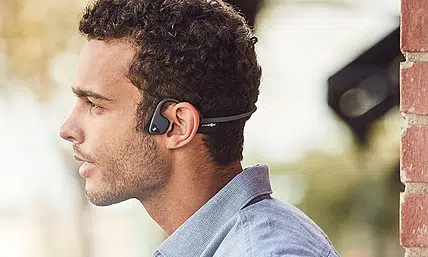
Bone conduction headphones take a different route. They rest near the cheekbones or temples and create small vibrations. These vibrations travel through the skull to the cochlea, which is the inner ear structure that changes sound vibrations into nerve signals.
This means bone conduction headphones can bypass parts of the ear that may be blocked or damaged. They do not, however, bypass the cochlea or the auditory nerve.
When people ask, “can deaf people use bone conduction headphones,” the key issue is where the hearing loss occurs. The technology may help with conductive hearing loss, but it is less likely to help someone with complete damage to the inner ear or auditory nerve.

Can deaf people use bone conduction headphones?
The answer depends on the person’s hearing profile. “Deaf” is a broad term. It can describe mild, moderate, severe, or profound hearing loss, and the cause may differ from one person to another.
Bone conduction headphones may be useful for people with:
• Conductive hearing loss caused by ear canal blockage, chronic ear disease, or middle-ear problems
• Some forms of mixed hearing loss
• Hearing loss in one ear, when the device is used as part of a wider hearing solution
• A functioning cochlea and auditory nerve
They may not provide useful sound for people with:
• Profound sensorineural hearing loss in both ears
• Damage to the cochlea
• Damage to the auditory nerve
• No usable hearing pathway from the inner ear to the brain
So, can deaf people use bone conduction headphones? Some can hear sound through them, some may sense vibration without clear sound, and others may not benefit at all. A hearing test is the best way to understand which group a person may fit.

Conductive, sensorineural, and mixed hearing loss
Understanding the type of hearing loss makes this topic much clearer.
Conductive hearing loss
Conductive hearing loss affects the outer or middle ear. Sound may not travel efficiently toward the cochlea, even though the cochlea itself still works.
Examples include:
• Earwax blockage
• Fluid behind the eardrum
• A damaged or missing eardrum
• Problems with the tiny middle-ear bones
• Some birth-related ear differences
Because bone conduction can bypass the outer and middle ear, people with conductive hearing loss may hear certain sounds more clearly through bone conduction technology.
Sensorineural hearing loss
Sensorineural hearing loss affects the cochlea or auditory nerve. It is the most common type of permanent hearing loss.
Bone conduction headphones still send vibrations to the cochlea. If the cochlea cannot convert those vibrations into useful nerve signals, the headphones cannot create normal hearing.
This is why the question “can deaf people use bone conduction headphones” must be answered with care. Bone conduction is not a universal fix for deafness.
Mixed hearing loss
Mixed hearing loss includes both conductive and sensorineural problems. A person may gain some benefit if the conductive part blocks sound but the cochlea still has enough function.
An audiologist can use air-conduction and bone-conduction tests to compare these pathways. That test is more reliable than judging the technology from a product description.

Bone conduction headphones versus bone-anchored hearing systems
The words “bone conduction” can describe two different kinds of technology.
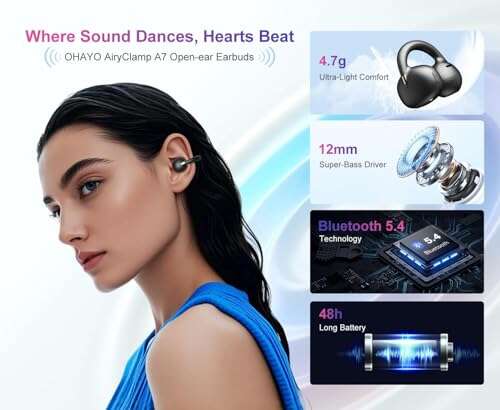
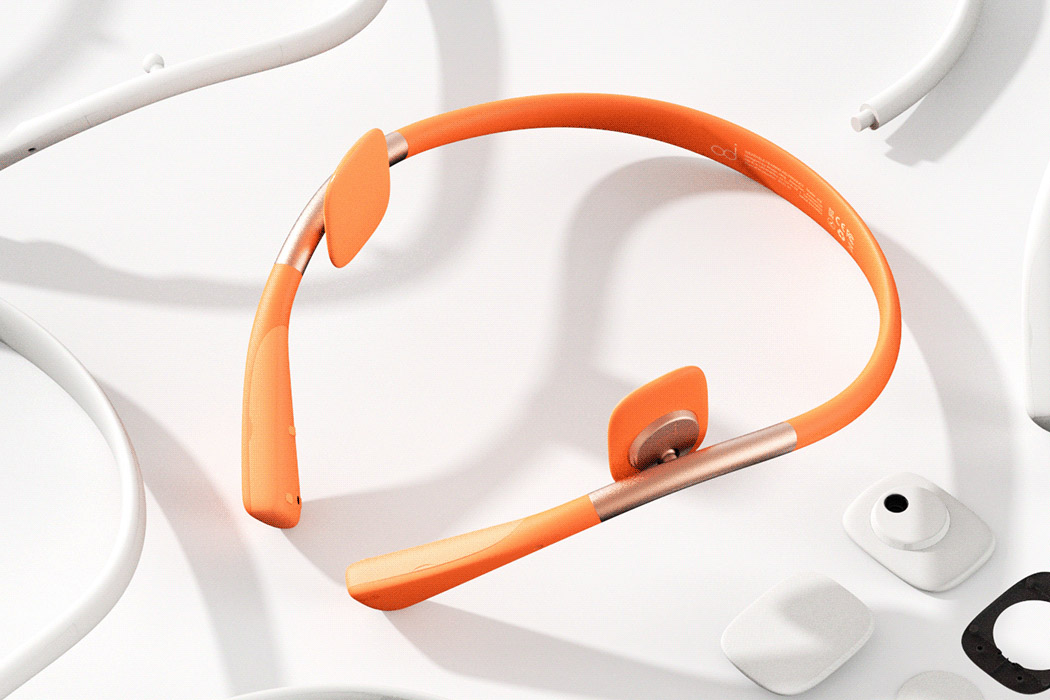
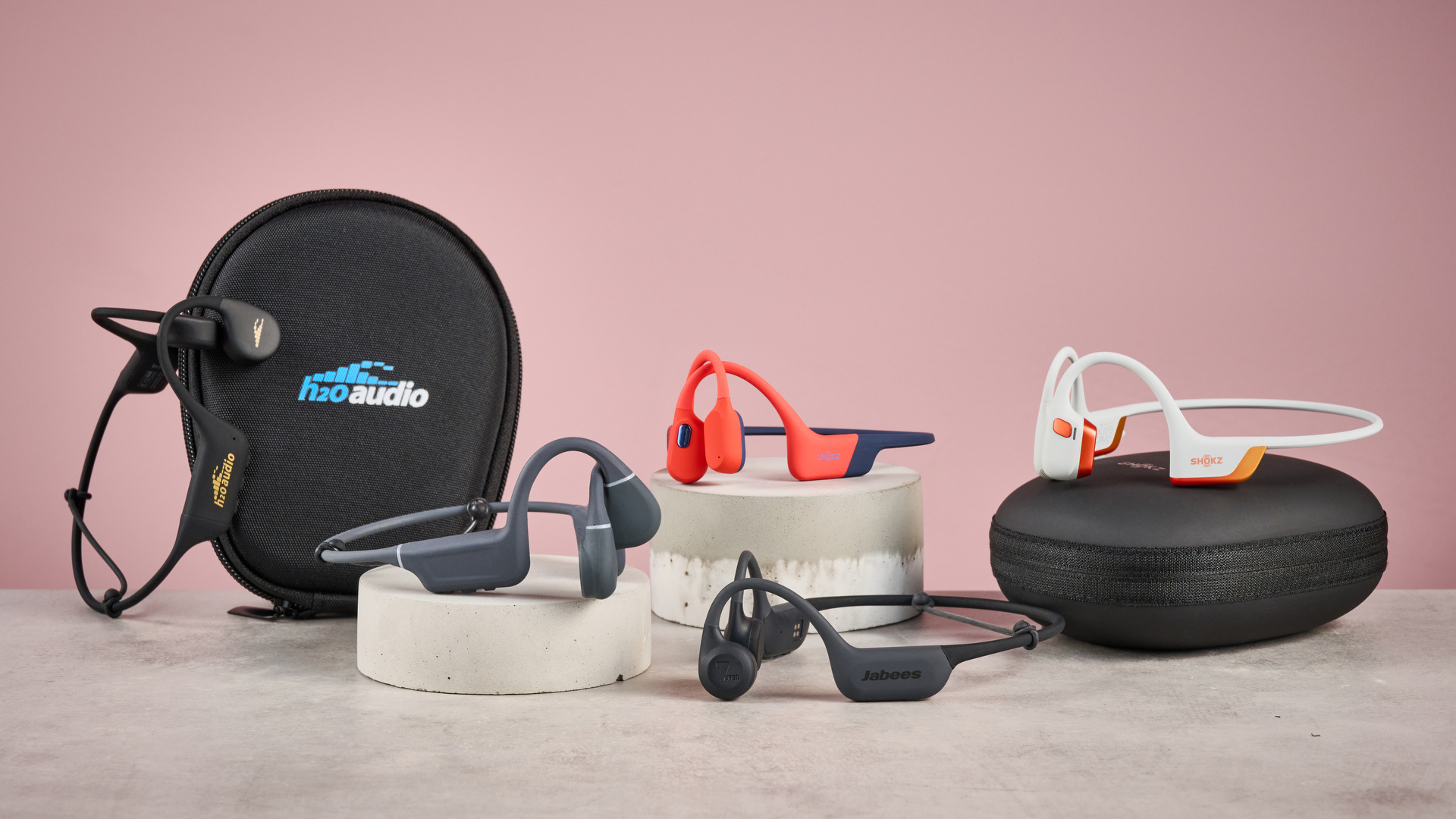
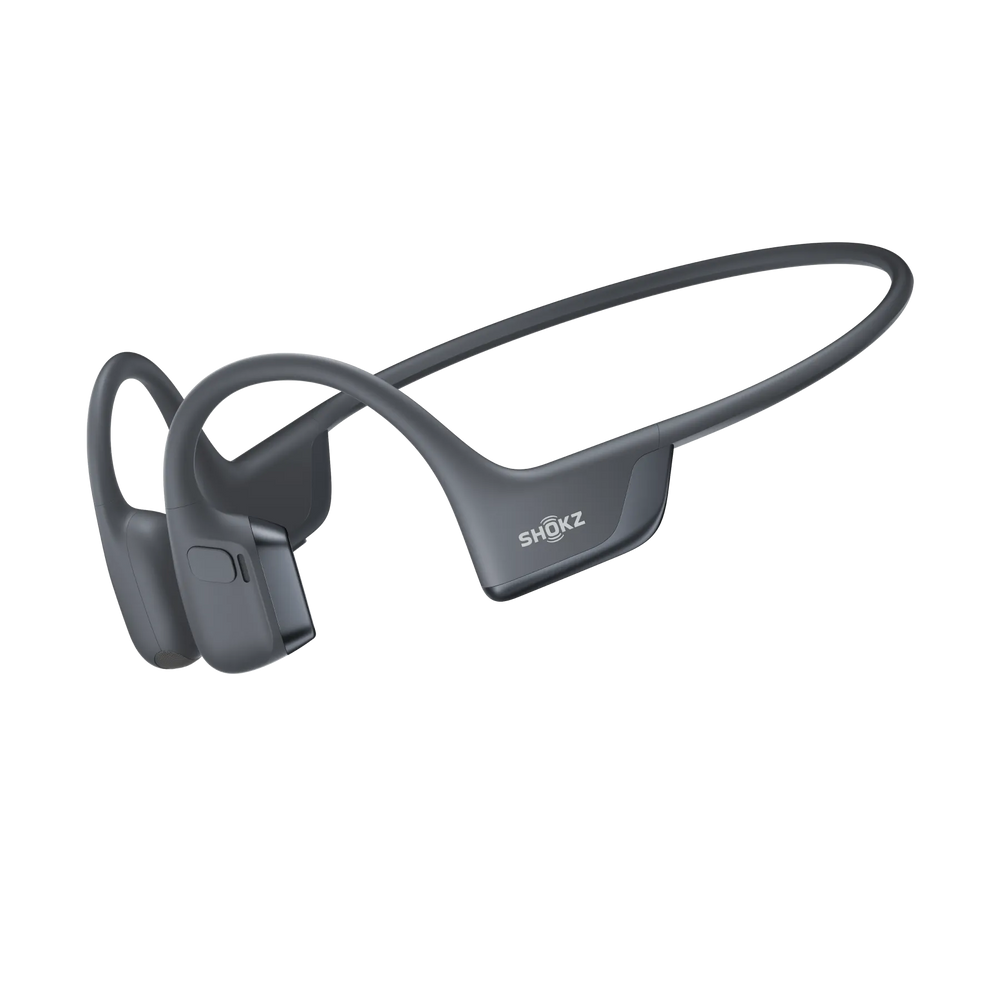
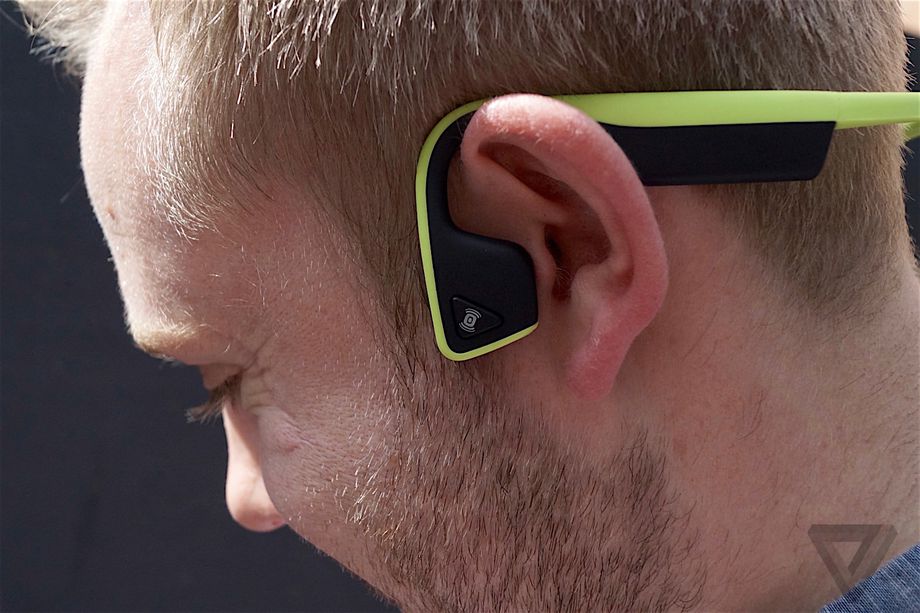
Consumer bone conduction headphones are usually wearable devices. They sit against the skin and use vibration to send sound through the skull. They are made for music, calls, podcasts, and general listening.
Bone-anchored hearing systems are medical hearing devices. A specialist may place an implant in the skull, or use an external attachment system, to transfer sound more directly and efficiently.
These systems are not the same as ordinary headphones. A person who benefits from a bone-anchored hearing device may not get the same result from a consumer headset.
This distinction is important when asking, “can deaf people use bone conduction headphones.” A medical bone-conduction system may be suitable for a person who cannot use standard hearing aids, while a retail headset may be too weak or poorly fitted.
Never assume that a consumer product can replace a prescribed hearing device. An ear, nose, and throat specialist or audiologist can explain the difference.
Benefits of bone conduction headphones
For the right user, bone conduction headphones offer several practical benefits.
They leave the ear canals open
The headphones do not cover the ears or sit inside the ear canal. This can feel more comfortable for people with ear infections, sensitive skin, hearing aids, or ear canal problems.
They support environmental awareness
Because the ears remain open, users may still hear traffic, voices, alarms, or other sounds around them. This can be useful during outdoor exercise.
Open ears do not remove every safety risk. Music can still distract you, and loud settings may reduce awareness.
They can work around some outer-ear problems
If the main problem is in the ear canal or middle ear, bone conduction may offer another route for sound. Some users describe the experience as clearer than sound delivered through the ear canal.
They can pair with phones and other devices
Many models use Bluetooth. This allows users to listen to calls, music, and video audio without inserting earbuds.
Still, can deaf people use bone conduction headphones for phone calls? Yes, some people can, but call clarity depends on their hearing level, speech understanding, microphone quality, and the phone’s accessibility settings.
Limitations and possible drawbacks
Bone conduction headphones are helpful tools, but they have clear limits.
They may not produce clear speech
Hearing a vibration is not the same as understanding words. Some users can detect music or sound but struggle to understand speech, especially in a noisy room.
Sound quality may differ from regular headphones
Bass can feel weaker, and the sound may seem less rich. The headset may also create a buzzing or tickling feeling at higher volume.
Sound can leak
Although these headphones do not use speakers inside the ear, nearby people may hear some sound. This is more noticeable in a quiet room.
Fit affects performance
The transducers must sit in the right place. Hair, glasses, hats, and head shape can affect contact. A loose fit may reduce the amount of vibration reaching the skull.
They may not work with profound hearing loss
If the cochlea or auditory nerve cannot process the signal, stronger vibration will not solve the problem. Turning up the volume may add discomfort without adding useful sound.
They are not hearing protection
Open-ear design does not protect the ears from loud noise. Users should still avoid high volume and noisy environments.
The safest answer to “can deaf people use bone conduction headphones” includes these limits. A product may be comfortable and innovative but still offer little usable hearing for a particular person.
How to test bone conduction headphones safely
If you are considering a pair, use a careful process rather than buying based only on advertising.
-
Ask an audiologist about your type of hearing loss. Request a clear explanation of your air-conduction and bone-conduction results.
-
Try the headphones before buying when possible. A short test can show whether you detect sound, understand speech, or only feel vibration.
-
Test speech, not just music. Ask someone to read simple sentences while you wear the device.
-
Try a quiet room first. Background noise can make it hard to tell whether the headphones truly help.
-
Check the fit. Place the vibration pads near the cheekbones, according to the manufacturer’s instructions.
-
Start at a low volume. Increase it slowly only if needed, and stop if you feel pain, pressure, ringing, or dizziness.
-
Compare the device with your usual hearing aid or assistive technology. The best solution may involve using both.
-
Check the return policy. Hearing experiences differ widely, so a return option is valuable.
In my experience evaluating audio devices, the most common mistake is testing only with a favorite song. Music can feel pleasant even when speech remains unclear. A better test includes a normal conversation, a phone call, and a short period of comfortable daily use.
Tips for better results
Small changes can improve the listening experience.
• Keep the contact points clean and dry.
• Place the headset where the manufacturer recommends.
• Use captions on videos and live transcription for important conversations.
• Pair the headphones with phone accessibility tools when available.
• Reduce background noise before increasing volume.
• Use a microphone or remote microphone in group settings if compatible.
• Avoid wearing them while cycling or crossing busy roads if they reduce your awareness.
• Do not share a headset without cleaning the contact areas.
• Stop using the device if it causes pain, skin irritation, ringing, or worsening symptoms.
People who use hearing aids should ask whether Bluetooth streaming or another accessory would work better. In some cases, a hearing aid can deliver speech more effectively than a consumer bone conduction headset.

What research and specialists say
Bone conduction has a well-established role in hearing assessment and medical hearing technology. Audiologists use bone-conduction testing to help identify whether hearing loss comes from the outer or middle ear, the inner ear, or both.
Clinical bone-anchored devices are also used for selected patients with conductive or mixed hearing loss and for some people with single-sided deafness. The exact device, age, anatomy, and hearing results all matter.
Consumer headphones are different from clinical devices. Their vibration strength, placement, sound processing, and design may not meet the needs of someone with significant hearing loss.
That is why a hearing test should guide the decision. Product claims may say that bone conduction “bypasses the ear,” but this does not mean it bypasses every part of the hearing system.
Frequently Asked Questions About Can Deaf People Use Bone Conduction Headphones
Can a completely deaf person hear with bone conduction headphones?
Usually, not if the person has no usable cochlear or auditory nerve function. Some people may feel vibration, but feeling vibration does not always mean hearing or understanding sound.
Do bone conduction headphones work for profound hearing loss?
They may work for some people with conductive or mixed hearing loss, but they often provide little benefit for profound sensorineural hearing loss. An audiologist can assess whether the cochlea has enough function to respond.
Can bone conduction headphones replace hearing aids?
No. Consumer bone conduction headphones are designed mainly for general audio, not personalized hearing correction. Medical bone-anchored hearing systems are different and should be assessed by a qualified specialist.
Can deaf people use bone conduction headphones for music?
Some deaf or hard-of-hearing people can enjoy music through them if they have usable inner-ear function. Others may feel the rhythm as vibration but may not hear melody, pitch, or lyrics clearly.
Are bone conduction headphones safe for people with hearing loss?
They are generally safe when used at a comfortable volume and for reasonable periods. Stop using them if they cause pain, ringing, dizziness, or skin irritation, and seek professional advice if symptoms continue.
Can bone conduction headphones help with hearing in one ear?
They may help some people with single-sided deafness by sending sound from the poorer side toward the better-hearing cochlea. This is not the same as restoring normal hearing in the affected ear.
Conclusion
So, can deaf people use bone conduction headphones? Yes, some can, especially people with conductive hearing loss or usable cochlear function. But these headphones do not work for everyone, and they cannot bypass a damaged cochlea or auditory nerve.
The best next step is a hearing assessment, followed by a real-world trial with speech, music, and phone calls. Choose comfort and clear communication over marketing claims, and ask an audiologist about hearing aids, captions, bone-anchored systems, or other assistive tools. If this guide helped, explore more hearing-access resources or share your experience in the comments.

Everett Ashford is a tech reviewer at mytechgrid.com specializing in SSDs, cameras, TVs, earbuds, headphones, and other consumer electronics. He provides honest, data-driven reviews based on hands-on testing and real-world performance analysis. Everett simplifies complex tech details to help readers make smart, confident buying decisions.