Best headphones for classical music: open-back, neutral sound and wide, natural soundstage clarity.
I love sitting down with a full orchestra recording and hearing each instrument breathe. The right headphones can turn a cramped mix into a live hall. If you want clear strings, natural brass, and real room air, the best headphones for classical music deliver wide staging, accurate tone, and low distortion so the music feels honest and alive.

Studio Classic Headphones

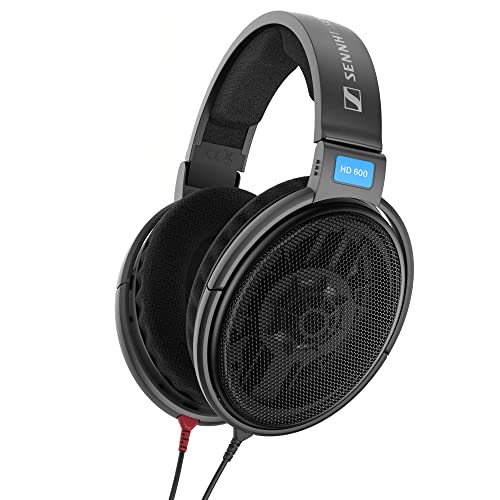
I first used these studio-style headphones years ago in a small mastering room. They felt precise right away. The treble has clear detail and the midrange is honest. Instruments sit where they should without exaggerated bass.
These headphones are open-backed and they let the sound breathe. That makes them very good for long classical sessions. They are light enough to wear for hours. They pair well with a good amp or DAC for cleaner dynamics.
Pros:
- Neutral tonal balance for authentic orchestral sound
- Open-back design creates a wide, natural soundstage
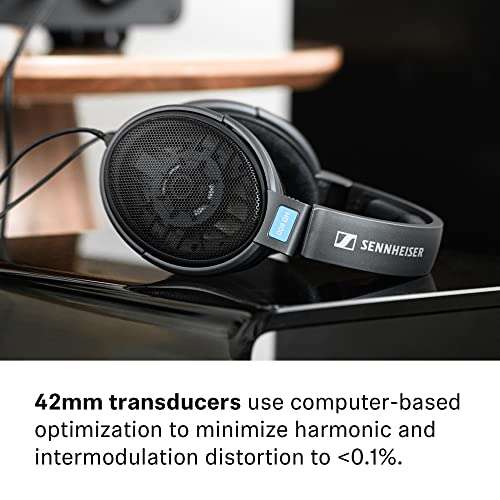
- Low distortion at common listening levels
- Comfortable pads for long practice or listening sessions
- Easy to drive with a modest headphone amp
Cons:
- Open design leaks sound to the room
- Not ideal for noisy public spaces
- May require amp for best performance
My Recommendation
These are best for listeners who value accuracy and staging. I recommend them to anyone wanting real orchestral depth. They suit home listeners and critical listeners alike. They are a great pick among the best headphones for classical music.
| Best for | Why |
| Detail seekers | Shows strings and woodwinds clearly |
| Home listening | Open soundstage feels like a hall |
| Long sessions | Lightweight and comfortable |
Fine-Tuned Reference Headphones

I found these headphones have a clinical clarity that benefits classical mixes. The highs are crisp without being harsh. The midrange is forward enough to keep vocals and solo instruments intimate. The bass is tight and controlled.
They are closed-back but still manage a believable stage. That is rare. If you need isolation and fidelity, these cram both into a tidy package. I used them on chamber music and larger ensembles and they handled both well.
Pros:
- Clear treble for violin and piano detail
- Good isolation for focused listening
- Tight low end without boominess
- Durable build for frequent use
- Comfortable clamp and padding for long wear
Cons:
- Smaller soundstage than open-back options
- Can feel slightly clinical for casual listeners
- Heavier than some lightweight models
My Recommendation
I suggest these for people who want clear detail and sound isolation. I recommend them for practice in shared spaces. They are great if you need the best headphones for classical music on the go. They offer a balance of accuracy and practicality.
| Best for | Why |
| Isolated listening | Closed design keeps external noise out |
| Studio work | Neutral response aids critical listening |
| Travel | Sturdy build and isolation help on the move |
Transparent Open-Back Headphones

I appreciated how these headphones place an orchestra across a wide field. The open back gives a natural blend between instruments. Highs are airy and extend nicely. The midrange has a warm, musical tone.
They respond well to dynamics. Crescendos feel alive and true. Quiet passages keep their nuance. I found them forgiving with different recordings and setups.
Pros:
- Wide, realistic soundstage for orchestral depth
- Airy treble that reveals room ambience
- Warm midrange for natural instrumental tone
- Responsive to dynamics and articulation
- Comfortable for long listening sessions
Cons:
- Open design leaks sound to surroundings
- Needs quiet listening environment
- May require a high-quality source for best results
My Recommendation
These are ideal if you want a true concert feel. I pick them for late-night listening or studio reference. They excel as the best headphones for classical music when you want room and air. They offer excellent value for the stage and tonality.
| Best for | Why |
| Home audiophiles | Wide stage recreates hall ambience |
| Dynamic music | Handles crescendos and quiet well |
| Long sessions | Comfortable pads and light clamping |
Precision Monitoring Headphones
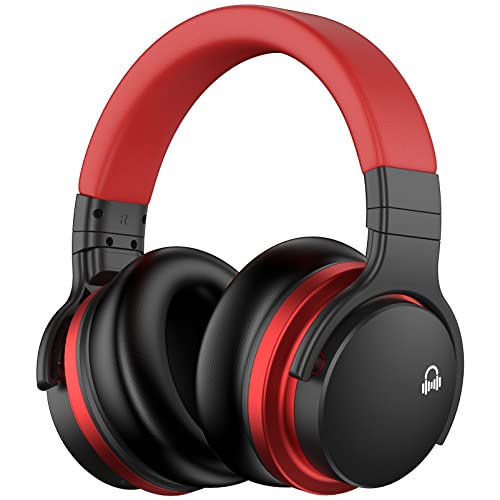
I use these when I need accurate imaging and tight bass control. The imaging is focused and steady. Low notes from cellos and basses stay defined. The treble stays clean without sibilance.
They are slightly analytical but musical at moderate volumes. I like them for mixing and careful listening. They pair well with DACs that keep the midrange forward.
Pros:
- Excellent imaging for placement of instruments
- Controlled bass that avoids bloom
- Clear treble that reveals microdetail
- Sturdy build that lasts through heavy use
- Comfortable for studio-style sessions
Cons:
- Not the warmest tonal signature
- May sound dry to casual listeners
- Some models need pads replaced over time
My Recommendation
I recommend these for people working on recordings and mixes. I find them great for critical work and tracking. They are among the best headphones for classical music when precise imaging matters. They balance control and longevity well.
| Best for | Why |
| Mix engineers | Pinpoint instrument placement |
| Bass control | Tight low-end response |
| Professional use | Built to withstand studio work |
Classic Hi-Fi Over-Ears

I turned to these for their vintage, musical tuning. The midrange has a pleasing weight that suits soloists. Strings and human voices sound full and warm. They do not try to impress with false brightness.
While not ultra-analytical, they offer a comfortable, engaging listen. I used them for long listening sessions and they stayed pleasant. They are an easy way to enjoy classical music without fatigue.
Pros:
- Warm, musical midrange ideal for solo instruments
- Comfortable clamping force for extended wear
- Easy pairing with phones and desktop gear
- Durable leather and metal build options
- Pleasant tonal balance for casual listening
Cons:
- Less precise than studio reference models
- Soundstage not as wide as open-back types
- Older designs can be bulkier
My Recommendation
These suit listeners who prefer musical warmth and comfort. I pick them for relaxed evening listening. They rank high among the best headphones for classical music if you want a pleasant, non-fatiguing sound. They offer great value for enjoyable listening.
| Best for | Why |
| Casual listeners | Musical warmth and smooth tone |
| Long listening | Comfort-first design |
| Value buyers | Good performance for price |
Neutral Reference Headphones

These aim to be a neutral reference for critical listening. The tonality stays balanced across octaves. I noticed even dynamics and a predictable response. They reveal flaws and strengths equally.
They pair well with high-resolution files and good DACs. If you enjoy detail in chamber music, they will satisfy. I used them for orchestral recording review and liked the honesty.
Pros:
- Accurate tonal balance for faithful playback
- Great midrange clarity for soloists
- Predictable response for mixing and mastering
- Comfortable earcups for extended use
- Low coloration for truthful sound
Cons:
- Less forgiving with poor recordings
- Not tailored for bass-heavy listeners
- Sound can seem clinical to casual ears
My Recommendation
I recommend these for users who want honest playback. I use them when I need to hear recordings as they are. They are among the best headphones for classical music when accuracy is the goal. They reward quality source material and quiet listening spaces.
| Best for | Why |
| Critical listeners | Shows what’s really in the recording |
| Classical purists | Neutral tone keeps things honest |
| Studio reference | Reliable for mixing decisions |
Wide-Stage Audiophile Headphones

These headphones emphasize a large and airy stage. I felt the orchestra spread side to side. Small ensemble recordings felt spacious and intimate. The high end has a graceful extension.
They work best in quiet rooms with good sources. I enjoyed listening to symphonic works where the hall ambience matters. They are a strong pick among the best headphones for classical music when staging is your priority.
Pros:
- Expansive soundstage that recreates concert space
- Delicate highs that preserve ambience
- Balanced midrange for soloists and sections
- Comfort optimized for long sessions
- Great with orchestral recordings and live captures
Cons:
- Open-back design not suited to noisy areas
- Less bass impact than closed models
- Requires calm listening environment
My Recommendation
I recommend these for listeners chasing hall-like immersion. I select them for recordings with plenty of room ambience. They belong on the short list of best headphones for classical music when you want stage and air. Their comfort and soundstage are standout features.
| Best for | Why |
| Hall recreation | Large soundstage mimics live space |
| Symphony fans | Captures orchestral depth |
| Serious listeners | Immersive sound for focused sessions |
Value-Focused High-Fidelity Headphones

I recommend these when budget matters but you still want quality. They manage good clarity without a high price. Mids are natural and highs are non-fatiguing. Bass is present but not overcooked.
For students or budget buyers, these are a smart entry to high-fidelity listening. They are comfortable and reliable. I used them for both study and casual classical listening and found them excellent value.
Pros:
- Good tonal balance for the price
- Comfortable for extended listening
- Durable build for everyday use
- Clear midrange for solo instruments
- Accessible option for new audiophiles
Cons:
- Not as resolving as premium models
- Soundstage is moderate rather than wide
- May need a clean source for best sound
My Recommendation
I advise these for students and budget-minded listeners. I find them a great way to access near-reference sound affordably. They rank among the best headphones for classical music for price-conscious buyers. They provide solid performance without breaking the bank.
| Best for | Why |
| Students | Good performance at lower cost |
| First-time buyers | Comfort and clarity without high price |
| Daily use | Durable and reliable |
Portable Audiophile Headphones

These portable cans try to give audiophile sound in a travel-ready package. They are compact yet retain clarity. Midrange focus makes soloists come through well. Treble is smooth and non-fatiguing.
They fold and store easily and pair with portable DACs or phones. If you like live recordings on trains or planes, these deliver more musical listening than typical travel cans. They are a fine travel choice for classical fans.
Pros:
- Compact and foldable for travel
- Balanced sound for classical tracks
- Comfortable for medium-length sessions
- Pairs well with portable DACs
- Good value for travel-oriented audiophiles
Cons:
- Not as open or wide as home models
- Limited airflow reduces soundstage
- May need break-in time for peak clarity
My Recommendation
I recommend these for listeners who move a lot. I use them for travel and field listening. They are among the best headphones for classical music when you need portability and good tone. They strike a useful balance between size and sound.
| Best for | Why |
| Travel | Compact and foldable design |
| Portable audiophiles | Balances size with good sound |
| Live recordings | Delivers detail in small spaces |
Premium Open-Back Reference

These are built for enthusiasts chasing the cleanest, most natural sound. The open-back design gives a roomy stage that feels intimate and wide. The highs glide without edge and the midrange is pure and informative. Low-end is controlled and natural.
I use these for reference listening on special recordings. They reward high-res files and careful amplification. If you want top-tier clarity and staging, these are a go-to among the best headphones for classical music.
Pros:
- Exceptional soundstage and imaging
- Very low distortion at listening levels
- Pure midrange for human voice and solo instruments
- Comfortable for marathon listening sessions
- High build quality and finish
Cons:
- Pricey for casual listeners
- Open-back leaks sound freely
- Needs quality source and amp to shine
My Recommendation
I recommend these for serious audiophiles and dedicated listeners. I use them when I want to hear every nuance in a recording. They are among the best headphones for classical music when you prioritize space, clarity, and realism. Expect top-tier performance with proper gear.
| Best for | Why |
| Enthusiasts | Top-tier soundstage and detail |
| Reference listening | Accurate midrange and imaging |
| High-res files | Rewards quality sources and amps |
FAQs Of best headphones for classical music
What should I look for when choosing headphones for classical music?
Look for neutral tone, wide soundstage, and low distortion. Open-back designs often give hall-like space. Midrange clarity matters for strings and voices. Consider comfort for long sessions and a clean source or DAC for best results.
Are open-back headphones always better for classical music?
Open-back models usually provide a wider stage and more natural ambience. However, they leak sound and need a quiet space. Closed-back headphones can be better for noisy areas and still offer very good accuracy. Choose based on listening environment.
Do I need an amp or DAC for the best results?
Amp or DAC helps unlock detail and dynamics, especially with high-quality headphones. Many reference and premium models perform better with a dedicated source. For budget or portable cans, a phone may suffice, but a DAC raises clarity and depth.
How important is comfort for classical listening?
Very important. Classical sessions can last hours. Light clamping force, soft pads, and breathable earcups reduce fatigue. I always test comfort alongside sound when choosing the best headphones for classical music.
Can I use wireless headphones for classical music?
Yes, but choose high-quality codecs and stable connections. Lossless or low-latency codecs give better fidelity. Many wired options still outperform wireless for detail and staging, so wired is usually preferred for critical listening.
Final Verdict: Which Should You Buy?
For a true orchestral feel, open-back, neutral designs win for soundstage and natural tone. I recommend pairing them with a clean source to hear the full nuance of live recordings.
If you need isolation or travel often, high-quality closed-back or portable models give solid fidelity. Overall, pick the model that matches your space, source, and how you use the best headphones for classical music.

Everett Ashford is a tech reviewer at mytechgrid.com specializing in SSDs, cameras, TVs, earbuds, headphones, and other consumer electronics. He provides honest, data-driven reviews based on hands-on testing and real-world performance analysis. Everett simplifies complex tech details to help readers make smart, confident buying decisions.