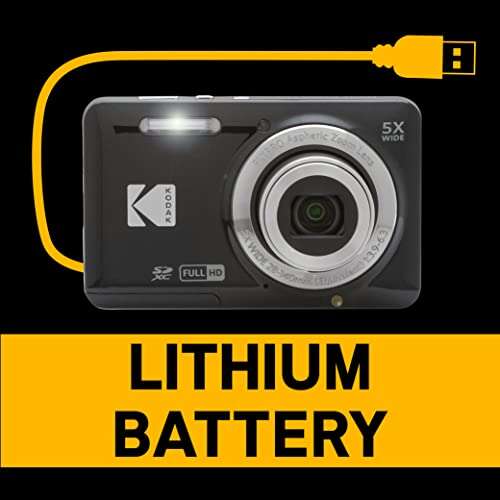
The best digital camera for casual use is the KODAK PIXPRO FZ55, thanks to its simple controls and useful optical zoom.
You want better photos than your phone can give, but you do not want to carry a large camera bag or study a thick manual. That is where a compact point-and-shoot camera helps. I reviewed these models for travel, family events, pets, gifts, and easy daily photos. I focused on size, controls, zoom, screen use, storage, battery needs, and real-world ease. My goal is simple: help you choose the best digital camera for casual use without paying for features you may never touch.
KODAK PIXPRO FZ55: Best Overall Compact Camera
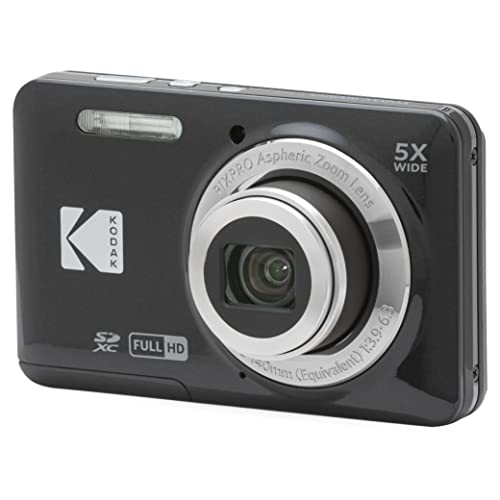
The KODAK PIXPRO FZ55 is the most balanced pick in this guide. It has a 16MP sensor, a 5X optical zoom, and a compact shape that slips into a coat pocket or small travel pouch. The controls feel familiar, so I can hand it to a new user without a long lesson. It also avoids the confusing menus found on more advanced cameras.
The 5X optical zoom gives this camera a real advantage over many basic phone cameras. It helps frame a child on a stage, a landmark across a street, or a pet resting at the far side of a room. The 16MP resolution is more than enough for social posts, prints, and family albums. If you want the best digital camera for casual use with a known camera brand and simple operation, this is the safest choice.
Pros:
- 5X optical zoom helps capture subjects from a distance
- Compact body fits easily in a pocket or small bag
- 16MP resolution suits online sharing and common photo prints
- Simple controls work well for beginners
- Recognizable KODAK PIXPRO design and easy point-and-shoot use
- Good choice for travel, family events, and daily snapshots
Cons:
- Small body may feel less steady for users with large hands
- It does not offer the advanced control of an interchangeable-lens camera
- Low-light results may not match a newer phone or larger sensor camera
Duluvulu 4K 48MP Camera: Best for Vlogging
 vlogging camera”>
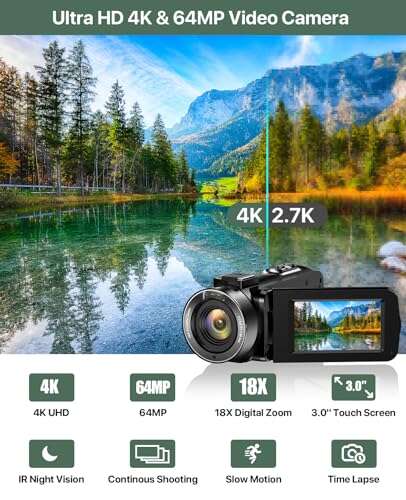
The Duluvulu camera targets users who want both photos and video tools. The listing highlights 4K video, 48MP still images, autofocus, a 180-degree flip screen, and 16X zoom. The flip screen makes it easier to check framing while recording yourself. Two batteries and an included SD card also make the package more useful right out of the box.
I like this design for vacations, short clips, school projects, and beginner YouTube work. The flip display acts like a small mirror, which can reduce the guesswork when you record alone. The high megapixel number may sound impressive, but image quality also depends on lens design, light, focus, and processing. Still, this is a flexible choice for someone who wants the best digital camera for casual use and simple vlogging in one small kit.
Pros:
- 4K video supports high-resolution casual recording
- 180-degree flip screen helps with selfies and vlogging
- Autofocus makes everyday shooting less demanding
- Two batteries reduce the need to stop during a long day
- Included SD card helps users start quickly
- 16X zoom gives extra framing range for travel and school events
Cons:
- Small-sensor cameras can show noise in dim rooms
- Digital zoom may reduce detail at the longest settings
- The many advertised features may take time for a first-time user to learn
Autofocus 4K 48MP Camera: Best Value Starter Kit

This compact autofocus camera offers a broad feature set at a beginner-friendly level. It combines 4K video, 48MP still-photo output, and a 32GB memory card. Autofocus can help new users keep faces and nearby subjects clearer without adjusting focus by hand. The small form makes it practical for trips, birthdays, and casual home use.
The included card adds value because it removes one common setup step. I would still check the card after delivery and format it in the camera before taking important photos. The 48MP label does not guarantee professional image quality, but it can provide enough file size for routine sharing and modest prints. For shoppers who want the best digital camera for casual use at a lower entry price, this model offers a strong list of features.
Pros:
- 4K recording gives users a high-resolution video option
- Autofocus makes quick snapshots easier
- 32GB card helps reduce immediate accessory costs
- Compact design suits travel and everyday carrying
- High-resolution photo mode supports cropping and common prints
- Beginner-friendly feature mix covers photos and video
Cons:
- High megapixel output can create large files
- Small cameras may struggle with motion in low light
- Users should confirm card and battery performance before a major trip
KODAK PIXPRO FZ45: Best Simple AA-Battery Camera

The KODAK PIXPRO FZ45 keeps the point-and-shoot idea very clear. It uses a 16MP sensor and a 4X optical zoom, so it handles everyday photos without an intimidating control system. Its use of AA batteries can appeal to travelers who do not want to depend on a special charger. I also like that replacement batteries are easy to find in many stores.
The 4X optical zoom is modest but useful for portraits, food, pets, and nearby travel scenes. This camera makes sense for users who value simple ownership over advanced video features. It may be especially helpful for older family members or children who need basic controls. In my view, it is a reliable alternative when the best digital camera for casual use should be easy to power and easy to operate.
Pros:
- AA battery design offers convenient replacement options
- 16MP sensor handles routine snapshots and small prints
- 4X optical zoom improves framing beyond a fixed lens
- Simple operation suits beginners and casual photographers
- Compact size works well for vacations and family gatherings
- KODAK PIXPRO branding may give buyers added familiarity
Cons:
- AA batteries can add weight and cost over time
- 4X zoom is shorter than the zoom on several competing models
- It lacks the flip screen and modern creator tools of some newer cameras
4K 48MP Kids Camera: Best for Young Beginners

This kids and beginner camera combines a compact body with 4K video, 48MP photo output, autofocus, anti-shake support, and a 32GB card. Its 16X zoom gives young users a way to explore subjects near and far. The included card also means a child can begin shooting without waiting for another purchase. A simple camera can turn a walk in the park into a small lesson in light, distance, and timing.
I would choose this model for a child or teen who wants a real camera but is not ready for expensive equipment. Anti-shake support can help when small hands move during a shot, though it cannot replace good light or a steady grip. Parents should explain that zoom quality can change at longer settings. As a gift, it offers more creative room than a toy camera and can serve as the best digital camera for casual use for a young beginner.
Pros:
- Kid-friendly feature set encourages creative practice
- 4K video gives room for simple movie and vlog projects
- 32GB card supports immediate use after setup
- Anti-shake support may help with handheld photos
- 16X zoom lets children try different compositions
- Autofocus reduces frustration during quick snapshots
Cons:
- Young users may need help with menus and file transfer
- Long digital zoom settings may not retain full detail
- Parents should supervise charging, storage, and use around water
Kids and Beginners 64GB Point-and-Shoot Camera

This point-and-shoot model is made for kids and first-time camera users. Its included 64GB SD card gives more storage than the smaller cards bundled with many entry cameras. That can help during camps, family trips, and school projects where a child may take many photos. The straightforward design keeps the focus on taking pictures rather than changing complex settings.
Storage capacity matters, but compatibility matters just as much. I recommend checking the camera manual before buying extra cards or recording long video clips. A large card can hold more files, yet users should still back up photos to a computer or cloud service. For a family seeking the best digital camera for casual use as a gift, this model has a practical starter-package appeal.
Pros:
- 64GB card provides generous included storage
- Point-and-shoot design is approachable for new users
- Good fit for children, teens, and casual family use
- Portable body encourages users to carry the camera
- Useful for school activities, trips, and creative play
- Simple controls can reduce the learning curve
Cons:
- A large memory card does not improve image quality by itself
- Parents may need to assist with backups and file management
- Basic compact cameras often perform best in bright light
FHD 1080P Camera: Best for Seniors and Simple Photos
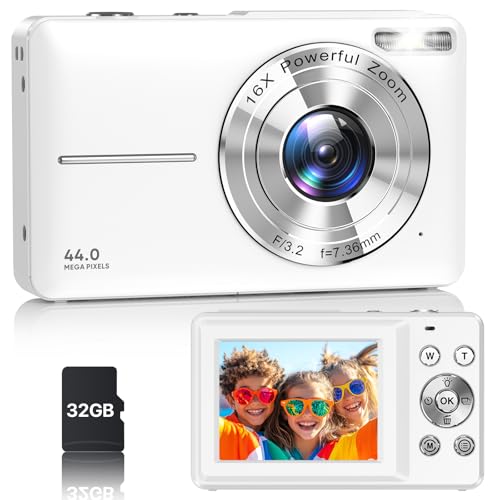
This FHD 1080P model focuses on the basics: photos, video, zoom, and portability. The listing includes a memory card, anti-shake support, a wrist strap, and a 16X zoom. The wrist strap is a small but useful detail for children, seniors, and anyone who wants extra security while walking. Its simple purpose makes it less stressful than an advanced camera with many dials and buttons.
Full HD video remains suitable for family clips, online posts, and viewing on common screens. It will not provide the same fine detail as a strong 4K system, but many casual users do not need 4K for daily memories. I see this as a sensible choice for a grandparent, child, or beginner who wants clear basic operation. It can be the best digital camera for casual use when ease matters more than headline specifications.
Pros:
- 1080P video suits common family and social uses
- 16X zoom provides flexible framing for a low-cost camera
- Included memory card simplifies initial setup
- Wrist strap adds convenience and carrying security
- Anti-shake support helps with handheld shooting
- Simple design may work well for seniors and young users
Cons:
- 1080P video has less detail than 4K video
- Long zoom use may need strong light and steady hands
- Basic models may offer fewer settings for experienced users
44MP FHD Camera: Best for Face Detection

This compact camera offers 44MP photo output, FHD 1080P video, 16X zoom, face detection, smile capture, and anti-shake support. Face detection can help the camera prioritize people in a group shot. Smile capture may appeal to families who want a quick way to catch a happy moment. These automatic tools keep the process light and fun for casual users.
The feature list makes this model especially suitable for portraits and family gatherings. I would use it in daylight, near a window, or in a well-lit room for the best results. Like other small cameras in this price class, it should not be judged only by its megapixel number. It earns consideration as the best digital camera for casual use for shoppers who value automatic people-focused shooting.
Pros:
- Face detection helps with everyday people photos
- Smile capture adds a fun option for family snapshots
- 16X zoom supports more flexible framing
- Anti-shake support can aid handheld shooting
- FHD video works for basic clips and online sharing
- Compact size makes it easy to carry to events
Cons:
- Face and smile features cannot replace good lighting
- 44MP files may use more storage than a casual user needs
- FHD video is less detailed than the 4K options in this guide
48MP FHD Kids Camera: Best for First Photography Lessons

This 48MP FHD camera is aimed at kids, teens, and beginners who want a small tool for photography. It includes 16X zoom, anti-shake support, and a point-and-shoot format. The controls should feel less intimidating than those on a mirrorless or DSLR camera. That matters when the goal is to help a new photographer enjoy the process.
For a first lesson, I would ask the user to practice three simple habits: hold the camera with both hands, look for good light, and tap the shutter with care. Those habits matter more than a large number printed on the box. The camera can support creative play, trips, and family photos without a major investment. It is a good candidate for the best digital camera for casual use when the buyer wants a beginner-focused gift.
Pros:
- Simple point-and-shoot design supports early learning
- 48MP setting allows room for basic cropping
- 16X zoom helps young users explore distance
- Anti-shake support may improve handheld results
- FHD video gives beginners a second creative format
- Compact body is easy for teens to carry
Cons:
- FHD video is not as sharp as 4K video
- Small cameras may be harder to grip for some children
- Users should test the zoom before relying on it for distant subjects
My Recommendation
After comparing the feature sets, I would choose the KODAK PIXPRO FZ55 for most adults who want the best digital camera for casual use. Its 5X optical zoom is more meaningful than a large digital zoom claim because optical zoom uses the lens to bring a subject closer. The camera also offers a familiar point-and-shoot workflow, compact size, and enough resolution for normal family photos.
I would pick the Duluvulu 4K model for a beginner creator who wants a flip screen, two batteries, and video features. The KODAK PIXPRO FZ45 is a better fit for someone who prefers AA batteries and simple controls. For children, the 4K kids camera gives the broadest feature set, while the FHD kids models keep the experience more basic. The 64GB model stands out when included storage is a priority.
Here is a quick way to match each need with the right type of camera. I suggest thinking about who will use the camera, where they will use it, and whether photos or video matter more. A clear match often brings more value than a longer specification list.
| Best for | Why |
|---|---|
| Most casual adults | KODAK PIXPRO FZ55 offers simple controls, 16MP photos, and useful 5X optical zoom. |
| Beginner vlogging | Duluvulu adds 4K video, a 180-degree flip screen, two batteries, and an SD card. |
| Kids and first-time users | The kids models offer simple operation, compact bodies, zoom, and beginner-friendly features. |
What Makes the Best Digital Camera for Casual Use?
A casual camera should remove friction. You should be able to turn it on, frame a subject, press the shutter, and get a useful photo. If the camera needs a long setup each time, it may stay in a drawer. For most people, a small body and automatic mode matter more than manual exposure controls.
I look first at the lens and the way the camera handles distance. Optical zoom is useful because it changes the lens view without simply enlarging pixels. A 4X or 5X optical zoom can make a clear difference at a family event or on a trip. Digital zoom can help in a pinch, but it often lowers detail.
Next, I consider light. Compact cameras with small sensors often work best outdoors or in bright indoor rooms. A larger megapixel number cannot fix blur from a moving subject or noise from a dark scene. Good light is the quiet hero of casual photography.
Ease of use also matters. Large buttons, a clear screen, autofocus, face detection, and a simple menu help users focus on the moment. A camera can have fewer features and still be the better buy if people enjoy using it. The best digital camera for casual use should feel like a helpful tool, not homework.
Optical Zoom vs. Digital Zoom
Optical zoom uses the camera lens. The lens changes its view and brings a distant subject closer before the image reaches the sensor. This usually preserves more detail than digital enlargement. When I compare compact cameras, I give real weight to optical zoom.
Digital zoom works more like cropping a photo. The camera enlarges part of the image, which can make the subject look closer on the screen. At high levels, the photo may look soft or blocky. Digital zoom is not useless, but I treat it as a backup feature rather than a main buying reason.
For casual travel, 4X or 5X optical zoom often gives a good balance. It keeps the camera small while adding useful reach. If you often photograph wildlife, sports, or distant stage performers, you may need a longer optical zoom or a camera with interchangeable lenses. None of the small beginner models here replaces a dedicated long-range system.
Do More Megapixels Mean Better Photos?
Not always. Megapixels describe the amount of image data, not the full quality of the photo. Lens sharpness, sensor size, focus, light, image processing, and camera stability all affect the result. A well-lit 16MP image can look better than a dark, blurry image with a much higher number.
High-resolution modes can help if you plan to crop or make larger prints. They also create larger files, so storage and backup become more important. For social media, messages, and standard family prints, moderate resolution is often enough. I would not buy a camera only because it advertises 44MP or 48MP.
Many entry-level cameras use software processing to create high-resolution output. That can be useful, but shoppers should keep expectations realistic. These cameras are designed for affordable convenience, not professional studio work. Use them in good light, hold them steady, and choose the right subject distance.
Why Battery Type Matters
Rechargeable batteries are convenient at home. You can charge them overnight and start the next day with a full battery. A spare battery can be helpful during travel, but you must remember to charge it. A USB charging cable may also add flexibility if you carry a power bank.
AA batteries offer a different kind of convenience. You can buy replacements at many shops, which helps during road trips or remote travel. The tradeoff is that AA cells can add weight and may cost more over time. The KODAK PIXPRO FZ45 is worth a look if easy battery replacement matters most.
Whichever type you choose, test the camera before an important event. Charge the battery or install fresh cells. Take several photos and record a short clip. Then check how quickly the camera focuses and how easy it is to transfer files.
How Much Storage Do You Need?
Storage needs depend on photo resolution and video use. High-resolution photos and 4K clips fill a card faster than ordinary snapshots. A 32GB card may suit light use, while 64GB can provide more room for a trip or school project. The included card is convenient, but I still recommend keeping a spare compatible card nearby.
Always confirm the card type and capacity supported by the camera. Some models may not use every high-capacity card. Format the card inside the camera when possible. This can help the camera manage its own file system.
Do not treat a memory card as a backup. Cards can fail, get lost, or become damaged. Copy important photos to a computer, external drive, or trusted cloud service. This small habit protects memories that a camera cannot replace.
Tips for Better Casual Photos
Start with light. Face your subject toward a bright window or place the sun behind you when outdoors. Avoid strong light directly behind the person unless you want a silhouette. A small shift in your position can change a dull photo into a bright one.
Hold the camera steady. Keep your elbows close to your body and press the shutter with a gentle touch. At long zoom settings, even a small shake can soften the image. If the camera has anti-shake support, use it, but do not expect it to freeze a running child.
Move closer before using extreme digital zoom. A closer position often gives a cleaner image and a stronger connection with the subject. For people, leave a little space around the head and avoid cutting off hands when possible. Simple framing habits bring fast results.
Use the screen to check your work. Look for closed eyes, tilted horizons, and unwanted objects behind the subject. You do not need to inspect every pixel. A quick review can save you from discovering later that the best moment was blurry.
Are Compact Cameras Still Worth Buying in 2026?
Yes, for the right user. Modern phones take excellent photos, but a separate camera still offers a distinct experience. It gives children a tool that is not tied to calls and apps. It also provides a physical zoom lens, a dedicated shutter button, and a simple way to focus on photography.
A compact camera can also save phone battery during a long trip. You can hand it to a child or guest without giving access to your personal device. Some users enjoy the slower, more thoughtful feel of a camera. The best digital camera for casual use is not always the most advanced device; it is the one that gets used.
These affordable cameras have limits. Phone cameras may perform better in low light, and premium cameras offer stronger focus and detail. Still, a compact point-and-shoot can make sense for gifts, travel, basic video, and people who prefer physical controls. The value comes from convenience and enjoyment.
How I Evaluated These Cameras
I compared the cameras by looking at the features that affect everyday use. These include sensor resolution, optical or listed zoom, video output, autofocus, anti-shake tools, screen design, battery setup, included storage, and intended audience. I also considered how easy each camera should be for a new user to carry and operate.
I did not treat marketing numbers as the whole story. A 48MP label sounds large, but it does not tell me how the camera performs in dim light. A 16X zoom claim may combine optical and digital reach. I look for the practical use behind each feature and explain the tradeoff.
My recommendations also reflect ownership. A camera that includes batteries or a memory card may reduce the cost of getting started. A flip screen can help a vlogger, while AA batteries can help a traveler. These details matter because they shape how often you reach for the camera.
Who Should Buy Each Camera?
The KODAK PIXPRO FZ55 suits adults who want a trusted, basic compact camera with optical zoom. It is the easiest all-around recommendation in this group. The FZ45 fits users who value AA batteries and do not need the longer zoom. Both KODAK models favor simple photos over creator features.