Backup cameras became mandatory in all new U.S. vehicles under 10,000 pounds on May 1, 2018.
If you have ever backed out of a crowded driveway or parking space, you know how useful a rearview camera can be. The answer to “when did backup cameras become mandatory” is tied to a federal safety rule created to reduce backover crashes, especially those involving children and pedestrians. This guide explains the law, which vehicles it covers, why the rule was introduced, and what owners should know today.
When Did Backup Cameras Become Mandatory in the United States?
Backup cameras became mandatory in the United States on May 1, 2018. On that date, all new passenger vehicles under 10,000 pounds had to meet federal rear visibility requirements.
The rule came from the National Highway Traffic Safety Administration, or NHTSA. It updated Federal Motor Vehicle Safety Standard 111, which covers rear visibility and driver view requirements.
The answer to when did backup cameras become mandatory can be summed up in three important dates:
• 2014: NHTSA issued the final rule requiring improved rear visibility systems.
• May 1, 2016: The compliance phase-in began for some new vehicles.
• May 1, 2018: The requirement applied to all covered new vehicles.
The rule did not require every older vehicle to have a backup camera. It applied mainly to new vehicles manufactured for sale in the United States after the final compliance date.
Why Did the Federal Government Require Backup Cameras?
The main reason for the rule was to reduce backover crashes. A backover crash happens when a vehicle moves backward and strikes a person or object that the driver cannot see.
Traditional mirrors leave large blind zones behind many vehicles. These blind zones can be especially dangerous near driveways, parking lots, schools, and busy shopping areas.
NHTSA has reported that backover crashes cause deaths and injuries each year. Children and older adults face a higher risk because they may be harder for drivers to see and may not move out of the vehicle’s path quickly.
A backup camera works like an extra set of eyes. It gives the driver a wider view directly behind the vehicle, much like turning on a light in a dark room. It does not remove every blind spot, but it can reveal people, bicycles, pets, posts, and other objects hidden from the mirrors.
The federal rule also responded to changes in vehicle design. Modern trucks, SUVs, vans, and crossovers often sit higher off the ground than older cars. Their shape can create a larger rear blind zone, making rear visibility systems more important.

What Does the Backup Camera Law Require?
The law does not simply say that a vehicle must have a camera. It requires a rear visibility system that gives the driver a defined view behind the vehicle.
Under the rule, the system must help the driver see a zone measuring about 10 feet across and 20 feet behind the vehicle. The display must also show the area within a short time after the driver shifts into reverse.
Covered vehicles generally need to meet requirements for:
• The size of the visible area behind the vehicle
• The image quality on the display
• The driver’s ability to see the rear zone
• The time it takes for the rear image to appear
• The system’s performance in different lighting conditions
This is an important detail when researching when did backup cameras become mandatory. The law focuses on rear visibility, not on a specific brand, screen size, or camera design.
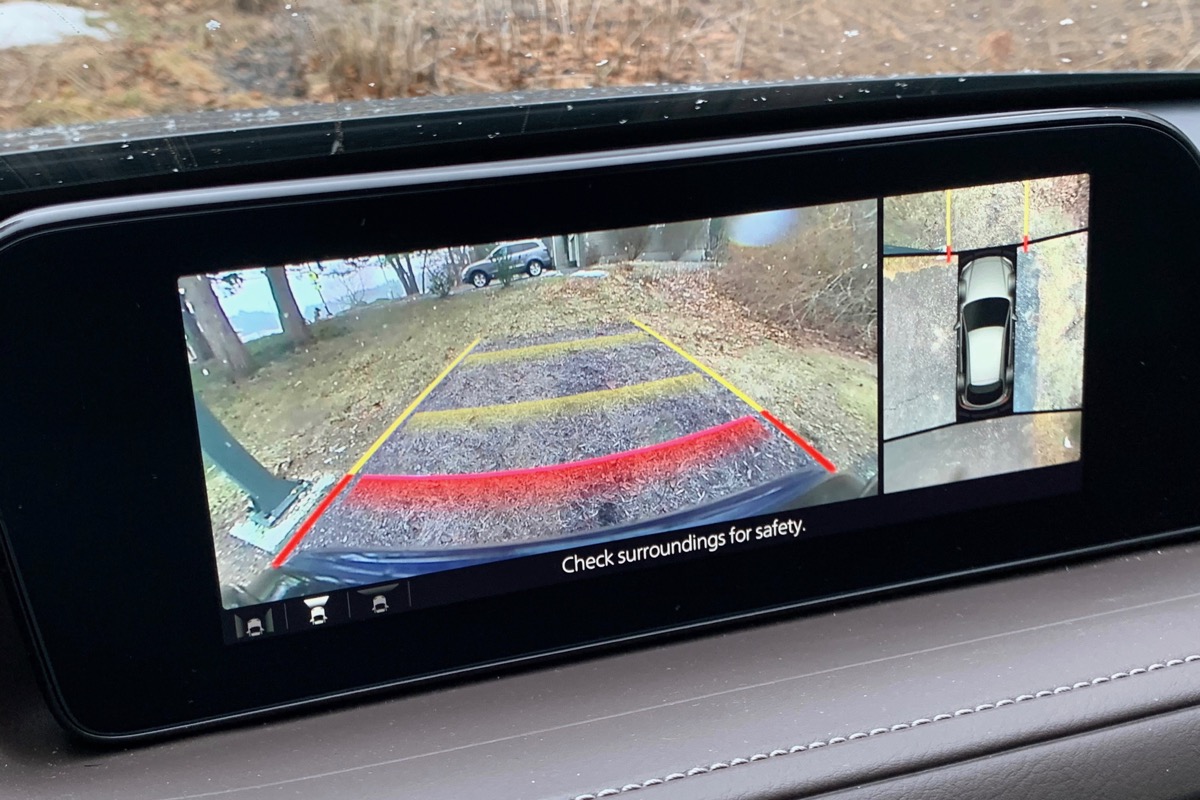
Most vehicles meet the standard with a camera mounted near the rear license plate and a dashboard or rearview mirror display. Some vehicles use a camera system with multiple views, such as a wide-angle view, a top-down view, or a trailer view.

Which Vehicles Are Covered by the Backup Camera Requirement?
The rule covers most new passenger vehicles with a gross vehicle weight rating below 10,000 pounds. This includes many cars, pickup trucks, minivans, SUVs, and crossover vehicles.
Common examples include:
• New passenger cars
• Small and midsize pickup trucks
• Sport utility vehicles
• Minivans
• Crossover vehicles
• Small buses and multipurpose passenger vehicles
Large commercial vehicles may follow different federal safety rules. The exact classification can depend on the vehicle’s design, weight rating, and intended use.
The answer to when did backup cameras become mandatory does not mean every vehicle sold after 2018 has the same camera system. Manufacturers can use different designs as long as the system meets the required safety standard.
A used vehicle built before May 1, 2018, does not automatically violate federal law because it lacks a backup camera. It may still be wise to add one, especially if the vehicle has a large blind zone or is often driven around children and pets.

Did the Law Apply to Used Cars and Older Vehicles?
No. The federal backup camera requirement was not retroactive.
If you own a 2010 sedan, 2013 pickup, or 2016 SUV, federal law generally does not require you to install a camera. The same is true for most used vehicles sold after the rule took effect if they were manufactured before the applicable compliance date.
This point often causes confusion when people search when did backup cameras become mandatory. The rule applied to manufacturers and new vehicle production. It did not require private owners to modify older vehicles.
However, some states, insurance companies, fleet operators, or employers may have separate safety policies. A company vehicle, school transport vehicle, or delivery fleet may need equipment beyond the federal minimum.
If you buy an older vehicle, check its original build date rather than relying only on the model year. A vehicle labeled as a 2018 model could have been built in 2017 or early 2018.
Are Backup Cameras Required on All New Vehicles Today?
For most new passenger vehicles under 10,000 pounds sold in the United States, a compliant rear visibility system is required.
Still, the law does not mean every new vehicle uses the exact same technology. One model may show a basic rear camera image, while another may offer several camera angles and parking sensors.
A backup camera also does not replace the driver’s responsibility to check the area. Drivers should still:
• Look over both shoulders
• Check the side mirrors
• Walk around the vehicle when visibility is poor
• Keep windows clear
• Move slowly while reversing
• Watch for children and pets
• Avoid relying only on parking sensors or warning lines
Camera images can be blocked by rain, snow, mud, ice, glare, or darkness. A dirty lens can make a useful system almost worthless. Cleaning the lens takes only a few seconds and should become part of a normal vehicle check.
How Effective Are Backup Cameras?
Backup cameras can improve a driver’s view, but they are not a complete crash prevention system. Their value depends on camera placement, image quality, lighting, driver attention, and the driver’s ability to interpret the display.
Research and safety testing support the use of rear visibility systems because they reduce blind zones. However, a camera cannot detect every moving person or object. It may also create a false sense of security if the driver looks only at the screen.
In practical use, the best approach is to combine the camera with direct observation. Use the camera to check the area close behind the vehicle, then scan the mirrors and surroundings before moving.
Think of the system as a flashlight, not a force field. It helps you see more, but it does not make reversing risk-free.

What Are the Benefits and Limits of Backup Cameras?
Backup cameras offer several clear benefits:
• They show areas that mirrors may miss.
• They help drivers judge the distance to objects behind the vehicle.
• They can make parking easier.
• They may reduce the chance of hitting a low object.
• They can improve confidence when reversing in tight spaces.
• They are especially useful on tall SUVs and pickup trucks.
The technology also has limits:
• The lens can become dirty or damaged.
• The image may be unclear in heavy rain or low light.
• The screen can be hard to see in bright sunlight.
• The camera may not show areas beside the rear corners.
• A wide-angle image can make objects look farther away.
• The system may fail because of wiring, software, or display problems.
One of the most common mistakes is trusting the colored guide lines too much. These lines are estimates. They may not match the vehicle’s path if the steering wheel is turned or if the camera has moved.

What Should You Know About Aftermarket Backup Cameras?
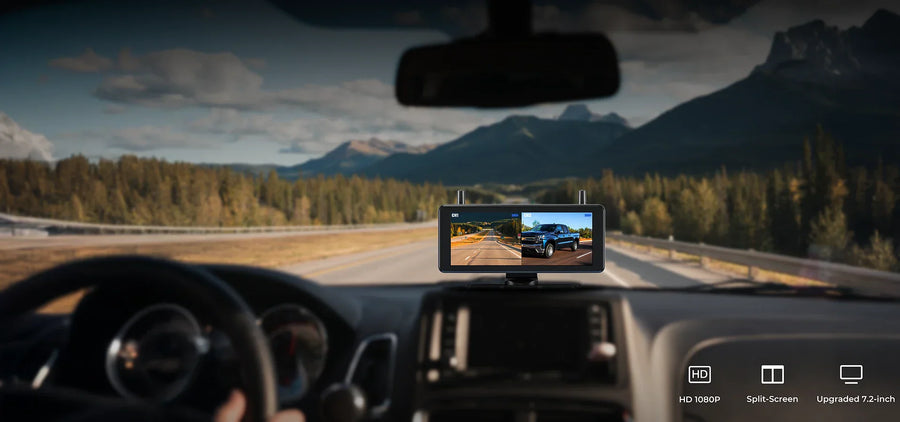
Owners of older vehicles can install an aftermarket backup camera. These systems range from simple license plate cameras to wireless kits with separate dashboard screens.
Before buying a kit, check several details:
• Confirm that the camera is weather resistant.
• Choose a screen that is easy to see from the driving position.
• Make sure the camera has a useful viewing angle.
• Check whether the system works with your vehicle’s reverse lights.
• Use professional installation if wiring is complex.
• Test the system at night and in bright daylight.
• Clean and inspect the camera on a regular basis.
An aftermarket camera may improve safety, but it does not automatically make an older vehicle subject to the federal new-vehicle rule. The answer to when did backup cameras become mandatory still refers to the manufacturing requirement that began in 2018.
A common installation mistake is placing the camera too high or too low. The camera should provide a clear view near the rear bumper while still showing enough distance behind the vehicle. After installation, test the image with a person standing safely outside the vehicle and confirm that the display shows the intended area.
What Happens If a Backup Camera Stops Working?
A failed backup camera should be repaired as soon as possible. Even if the vehicle can still be driven, the loss of rear visibility increases risk while reversing.
Start with simple checks:
-
Clean the camera lens.
-
Turn the vehicle off and restart it.
-
Check whether the screen works in other modes.
-
Inspect for visible damage near the camera.
-
Check the owner’s manual for system messages.
-
Schedule service if the image remains blank, distorted, or delayed.
Some problems come from a damaged camera. Others involve a loose wire, a failed fuse, a software issue, or a faulty display. A technician may need to scan the vehicle’s electronic control systems to identify the cause.
Do not cover the camera with tape, stickers, wax, or thick protective film. These materials can distort the image or block important parts of the view.
A Practical Lesson From Everyday Driving
One useful lesson from testing and reviewing vehicle safety features is that drivers often notice a camera’s value after a near miss. A small toy, bicycle, or pet can disappear below the rear window line in seconds.
The safest habit is to pause before shifting into reverse. Look around the vehicle, check the camera, and begin moving slowly. If the view changes, stop and check again instead of guessing.
Another mistake is assuming that a newer vehicle is automatically safer in every situation. Technology helps, but it still depends on clean sensors, a working display, and an attentive driver.
Parents should teach children never to play behind a parked vehicle. Drivers should also ask children to move to a visible location before the vehicle starts. These simple habits work alongside the camera and can prevent tragic accidents.
Key Dates in the Backup Camera Requirement
The timeline below makes the answer to when did backup cameras become mandatory easier to understand:
• 2000s: More automakers began offering rear cameras as optional or premium equipment.
• 2014: NHTSA finalized the federal rear visibility rule.
• 2016: The rule began its phase-in period for new vehicles.
• May 1, 2018: The requirement covered all new vehicles within the federal weight range.
• Today: Most new passenger vehicles sold in the United States must include a compliant rear visibility system.
The technology existed before the federal mandate. The law made it standard equipment on covered new vehicles rather than leaving it only to luxury models or optional packages.
Frequently Asked Questions About When Did Backup Cameras Become Mandatory
When did backup cameras become mandatory for all new cars?
Backup cameras became mandatory for all covered new passenger vehicles in the United States on May 1, 2018. The rule applied to vehicles under 10,000 pounds that were manufactured for sale in the country.
Are backup cameras required on older cars?
No. The federal requirement is not retroactive, so older cars do not usually need a backup camera by law. Owners can still install an aftermarket system to improve rear visibility.
Did the law require an actual camera?
The rule requires a rear visibility system, not one specific camera design. In practice, most manufacturers use a rear-mounted camera and an interior display to meet the standard.
Do trucks and SUVs need backup cameras?
Most new trucks and SUVs under 10,000 pounds must meet the federal rear visibility requirement. Large commercial vehicles may fall under different rules based on their weight and classification.
Can I drive if my backup camera is not working?
You can usually drive the vehicle if the camera fails, but reversing becomes less safe. Repair the system promptly and use extra care with mirrors, direct observation, and slow vehicle movement.
Do backup cameras prevent all backover crashes?
No. Backup cameras reduce blind zones but cannot prevent every crash. Drivers must still check around the vehicle and watch carefully for children, pets, cyclists, and low objects.
What is the difference between a backup camera and parking sensors?
A backup camera provides a visual image behind the vehicle. Parking sensors use sound or dashboard alerts to warn about nearby objects, and many vehicles use both systems together.
Conclusion
Backup cameras became mandatory in most new U.S. passenger vehicles on May 1, 2018, after a federal rear visibility rule was phased in by NHTSA. The requirement applies to new vehicles under 10,000 pounds, but it does not force owners to update older cars.
A camera is helpful, but it is only one part of safe reversing. Keep the lens clean, check the mirrors, look around the vehicle, and move slowly every time. If your vehicle lacks a camera, consider a quality aftermarket system, and explore trusted safety resources for more guidance or share your experience with backup camera technology.

Everett Ashford is a tech reviewer at mytechgrid.com specializing in SSDs, cameras, TVs, earbuds, headphones, and other consumer electronics. He provides honest, data-driven reviews based on hands-on testing and real-world performance analysis. Everett simplifies complex tech details to help readers make smart, confident buying decisions.