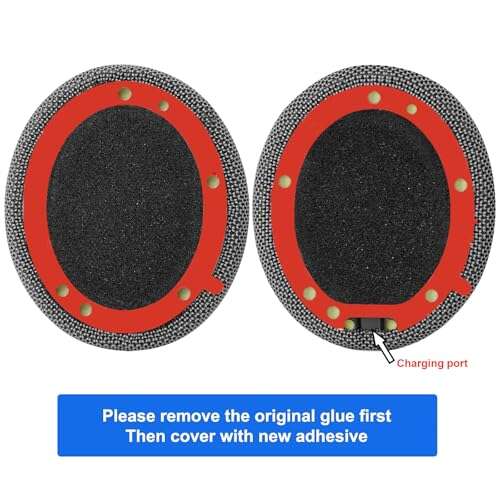
The best glue for headphone pads is flexible contact adhesive that bonds firmly without stiffening foam or harming plastic.
Loose, peeling headphone pads can turn a good listening session into a daily annoyance. Sweat, heat, skin oil, and years of bending slowly weaken the old bond. I have found that the right repair depends on the pad material, the headphone shell, and how much flex the joint gets. Some users need a small adhesive repair, while others will save time with fresh replacement cushions. Below, I compare practical options and explain when the best glue for headphone pads makes sense.
Beats Studio2 and Studio 3 Pad Adhesive

This replacement adhesive is made for Beats Studio2 and Studio 3 earpads. Its main advantage is a focused fit for a common headphone repair, rather than a large tube meant for many unrelated jobs. The adhesive comes as a one-pair replacement set, so it suits a repair where the old pad bond has failed on both sides.
I would choose this product when the foam is still sound and only the pad edge has lifted. Clean, dry surfaces matter more than using a thick layer. For many Beats owners, this is a more precise path than searching for the best glue for headphone pads at a hardware store and hoping it will not damage the synthetic leather.
Pros:
- Designed for Beats Studio2 and Studio 3 pads
- Useful for repairing lifted pad edges
- Supplied for one pair of earpads
- Helps preserve the original headphone fit
- More controlled than applying a large amount of liquid glue
- Good choice for users who want a direct repair
Cons:
- Limited compatibility outside the listed Beats models
- Not a full replacement for cracked or flattened foam
- Requires careful surface preparation
My Recommendation
This is best for Beats Studio2 and Studio 3 owners whose pads are usable but no longer attached. It is also a good pick for a careful DIY user who wants a repair part made for the job. I would not use it to attach unknown materials without testing a hidden spot first. Among repair-focused choices, it offers good value because it avoids replacing pads that still have plenty of life.
45mm Foam Ear Pad Covers, Four Pairs
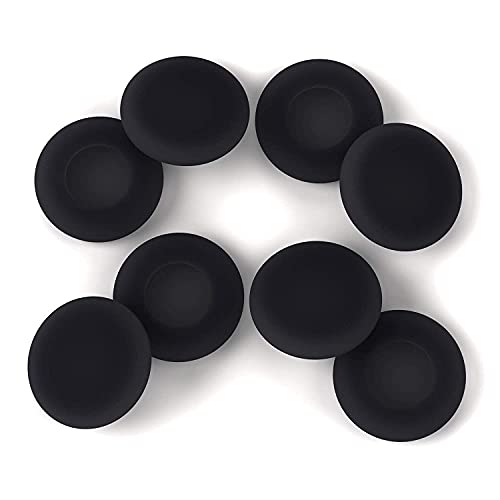
These 45mm foam covers offer a simple way to refresh small headphone or headset cushions. The pack includes four pairs, which gives you spare covers for future wear or more than one device. Foam covers do not need the same type of permanent glue repair as a torn leatherette pad.
I like this style for users who want a quick, low-cost fix for worn foam. It can also reduce direct contact between skin and an aging cushion. Measure the outside diameter before ordering, since 45mm is a small size and will not fit large over-ear headphones. When the fit is right, these covers can be a better answer than the best glue for headphone pads.
Pros:
- Includes four pairs for strong replacement value
- Fits many small 45mm ear pad designs
- Quick to install without wet adhesive
- Helps cover old, dirty, or flaking foam
- Useful as a spare set for travel or work
- Lightweight and easy to store
Cons:
- Exact 45mm sizing limits compatibility
- Thin foam may not match premium stock pads
- Does not repair damaged pad frames
My Recommendation
Choose these covers for small on-ear headphones, office headsets, and budget devices with tired foam. They are especially useful for people who do not want to handle glue or wait for a bond to cure. Check your pad size first, then stretch the cover slowly to avoid tearing it. For simple hygiene and comfort, this four-pair pack gives excellent value.
45mm Foam Ear Pad Covers, Five Pairs

This five-pair set follows the same useful 45mm format but gives you one extra pair. That small difference matters if you replace pads often, share headphones, or keep backups in a desk drawer. The soft foam design can restore a cleaner feel without adding much weight to the headset.
I see this as a maintenance product, not a traditional adhesive product. It works well when the old cushion is dirty or compressed but the pad mount remains intact. It may be the best glue for headphone pads alternative for people who want a no-mess repair. As always, confirm the diameter and pad depth before buying.
Pros:
- Five pairs provide excellent long-term value
- Simple slip-on installation
- Useful for shared or frequently used headphones
- Can improve comfort over bare, worn foam
- No drying time or chemical odor
- Easy to replace when the cover gets dirty
Cons:
- Only suits headphones near the 45mm size
- May not provide the seal of thick leather pads
- Can stretch unevenly if installed too fast
My Recommendation
This pack is best for families, classrooms, call centers, and anyone who needs several small pad covers. It also suits careful buyers who prefer a reversible refresh instead of a permanent adhesive job. I would pick the five-pair version over the four-pair version when the price gap is small. The extra spare makes future upkeep easy and keeps a working headset out of the trash.
Link Dream Pads for Beats Solo 2 and Solo 3
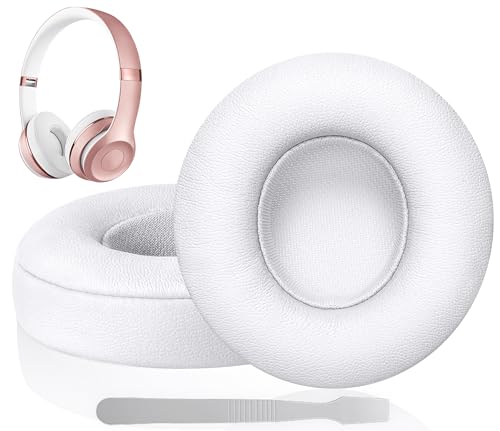
These Link Dream replacement pads target Beats Solo 2 and Solo 3 on-ear headphones. The white finish gives older headphones a fresh look, while the replacement cushion restores the soft contact point around the ear. A complete pad replacement is often cleaner than trying to glue badly cracked material back together.
The main thing to check is model fit, since Solo headphones use a different shape from Studio headphones. I would also expect white material to show dirt sooner than black or dark colors. If the old pads are split, flat, or shedding, replacing them is usually safer than choosing the best glue for headphone pads and bonding over damaged foam.
Pros:
- Made for Beats Solo 2 and Solo 3 headphones
- Refreshes both comfort and appearance
- White color gives the headset a clean new style
- Better solution for badly worn cushions
- Can restore a more even ear-to-driver distance
- Usually simpler than cutting and gluing new material
Cons:
- White pads may show oil and dirt quickly
- Not designed for Beats Studio models
- Replacement work still needs careful removal of old pads
My Recommendation
I recommend these for Beats Solo owners with crushed, peeling, or stained pads. They are a better fit than a generic adhesive when the cushion itself has failed. The white color suits users who want a visible style change, but it needs regular cleaning with a lightly damp cloth. For a complete Solo refresh, this pair offers more lasting value than a surface-only glue repair.
Krone Kalpasmos Bose Replacement Earpads

Krone Kalpasmos makes these replacement pads for a wide range of Bose models, including QuietComfort 15, 25, and 35 families. The broad compatibility list is helpful for owners who are unsure whether a generic pad will fit the mounting ring. Fresh cushions can improve comfort, noise isolation, and the seal around the ear.
Fit remains the key issue with any multi-model replacement. Compare your exact headphone shape and mounting method before ordering, especially if your device is an older Bose variant. I prefer replacement pads when the old leather has flaked across the whole surface, because even the best glue for headphone pads cannot restore missing foam or a broken seam.
Pros:
- Supports many popular Bose headphone models
- Can restore the ear seal and wearing comfort
- Useful for older QC and SoundLink headphones
- More complete than patching small surface tears
- Helps reduce contact with flaking old leather
- May extend the useful life of a trusted headset
Cons:
- Wide compatibility claims still require model checking
- Installation may take patience around the mounting ring
- Material feel may differ from the original Bose pads
My Recommendation
These pads are best for Bose owners who want to keep a familiar headset in service. They suit commuters, office users, and travelers who rely on the comfort of the QuietComfort line. Buy them when the cushion has reached the end of its life, not when only one small edge has lifted. In that case, the correct adhesive may cost less and preserve the original parts.
Skullcandy Crusher and Hesh Replacement Pads

These replacement pads fit several Skullcandy lines, including Crusher Wireless, Crusher Evo, Crusher ANC, Hesh 3, Hesh Evo, and Venue models. That broad list makes them appealing to users with bass-heavy headphones that see hard daily use. New cushions can bring back the soft seal that helps the low end sound full.
I would pay close attention to the exact model before placing an order. Skullcandy pads can look similar while using different attachment shapes. If the old pad has only separated from the frame, a flexible adhesive can solve the issue; if it has collapsed, these complete replacements are the smarter route than applying the best glue for headphone pads.
Pros:
- Fits several popular Skullcandy headphone families
- May restore comfort during long listening sessions
- Helps support a better bass seal
- Useful for heavily worn or flattened cushions
- Can extend the life of wireless headphones
- More practical than repairing badly cracked leather
Cons:
- Model compatibility needs careful checking
- Installation can be harder on tight mounting channels
- Replacement material may not feel exactly like stock pads
My Recommendation
Choose these for Skullcandy users whose cushions no longer hold their shape. They are especially suited to Crusher owners who want to keep the original bass response and fit. I would not buy them as a blind universal option, since the model list is specific. For the right headset, they are a useful repair that can delay a costly replacement.
Bose QC35 and QC35 II Replacement Pads

This replacement set is aimed at Bose QuietComfort 35 and QC35 II headphones. It gives owners a direct option when the original cushions have begun to peel, flatten, or lose their seal. Since the QC35 series remains popular for travel and work, a good pad refresh can make an older pair feel useful again.
The best results come from removing every loose piece of the old pad before fitting the new one. Keep the thin fabric screen in place and avoid pushing debris into the driver area. I would use this set for full cushion failure, while the best glue for headphone pads is better reserved for a small separation with otherwise healthy material.
Pros:
- Designed for Bose QC35 and QC35 II models
- Can improve comfort and passive isolation
- Useful for travel, calls, and long work sessions
- Replaces peeling material instead of covering it
- May restore the original shape of the ear cushion
- Helps keep a reliable older headset in use
Cons:
- Compatibility is narrower than universal pad sets
- Removal of the old pads requires care
- New pads may need time to settle into their final shape
My Recommendation
This is best for QC35 and QC35 II owners who want a focused replacement rather than a universal experiment. It suits frequent travelers and remote workers because comfort matters during long wear. If your Bose pads are only loose at one corner, try an appropriate flexible adhesive first. If they flake or feel flat, this replacement pair provides the better overall repair.
Beats Studio 2 and Studio 3 Gold Pads

These gold replacement pads fit Beats Studio 2 and Studio 3 headphones, including the B0500 and B0501 versions. The protein leather surface and memory foam aim to provide a soft, cushioned feel. Extra-thick ear cups can help users who find thin replacement pads uncomfortable.
The gold finish is a style choice, but pad thickness has a practical role too. A cushion that sits too far from the head can change the sound, so I would compare the new profile with the old one. This pair is a better answer than using the best glue for headphone pads when both cushions have worn out or lost their shape.
Pros:
- Fits Beats Studio 2 and Studio 3 models
- Memory foam supports a comfortable fit
- Extra-thick design may suit larger ears
- Gold finish adds a distinct visual update
- Useful for both wired and wireless versions
- Protein leather is easy to wipe clean
Cons:
- Gold color may not suit every setup
- Thicker pads can alter the original fit slightly
- Requires careful installation around the ear cup
My Recommendation
I recommend this pair for Beats Studio owners who want comfort, a new look, and a full cushion replacement. It is a strong match for large-ear users who dislike shallow pads. Check the model number before ordering, then fit both sides evenly. If the stock cushions remain firm and only one seam has opened, adhesive repair remains the more economical choice.
Beats Studio 2 and Studio 3 Blue Pads

This blue replacement pair is another option for Beats Studio 2 and Studio 3 headphones. It uses a protein leather exterior with memory foam inside, giving the old headset a fresh color and a new cushion. The blue finish can make a worn pair look more personal without changing the headband or controls.
Like the gold version, this set is for a full pad replacement rather than a small glue repair. I would inspect the mounting lip and compare both sides before beginning. A neat fit protects comfort and helps keep the ear at a consistent distance from the driver. For a small tear, the best glue for headphone pads remains less costly and less involved.
Pros:
- Compatible with Beats Studio 2 and Studio 3
- Blue finish offers a clear style refresh
- Memory foam helps cushion the ear
- Protein leather wipes clean with little effort
- Extra-thick shape may improve long-wear comfort
- Suitable for wired and wireless Studio versions
Cons:
- Color may not match every Beats finish
- May feel different from the original cushions
- Needs correct model and careful installation
My Recommendation
This pair is best for Beats Studio users who want a colorful refresh instead of a plain black repair. It also suits listeners who need thicker memory foam for long music, gaming, or travel sessions. Confirm that your headphones use the B0500 or B0501-style fit. Overall, it is a practical way to update a tired headset while keeping the repair cost reasonable.
How to Choose the Best Glue for Headphone Pads
Choosing the best glue for headphone pads starts with the type of damage. A loose edge is not the same as a torn cushion, and a cracked plastic ring needs a different repair from peeling protein leather. I first check whether the foam still feels springy and whether the mounting frame remains firm. If those parts are healthy, adhesive may solve the problem.
For a complete pad failure, replacement cushions usually make more sense. Glue cannot rebuild missing foam, restore a lost seal, or make flaking leather look new. A replacement pair also gives you even support on both ears. This matters because uneven pad height can affect comfort and may change the way outside noise reaches your ears.
Flexible Adhesive Matters
Headphone pads flex every time you put them on. They also move when you turn your head or fold the ear cups. A hard glue can form a brittle ridge that cracks under this movement. The best glue for headphone pads should dry with some flexibility and should not soak deeply into the foam.
Contact adhesive, flexible fabric adhesive, and some rubber-based formulas can work for pad edges. Cyanoacrylate, often called super glue, is a poor first choice for most soft pad repairs. It can dry hard, leave a white haze, and make foam brittle. It may work on a small rigid plastic part, but I keep it away from the cushion and skin-contact area.
Check the Materials Before Repair
Most headphone pads use synthetic leather, fabric, vinyl, protein leather, or plain foam. Each material reacts differently to solvents. Some glues can soften vinyl or stain light colors. Before applying the best glue for headphone pads, I test a tiny amount on a hidden section or a spare piece.
Also inspect the headphone shell. Many shells use ABS plastic, while others use coated or painted surfaces. A strong adhesive is not automatically a safe adhesive. The bond must hold, but it should not melt the shell or prevent future pad replacement.
Prepare the Surface Correctly
Surface preparation often decides whether a repair lasts. Remove loose foam, old adhesive, dust, and skin oil from the joint. Use a plastic pick or blunt tool rather than a sharp metal blade near the driver. A small amount of isopropyl alcohol on a cloth can help clean hard plastic, but let the surface dry fully.
Do not flood the pad with liquid. Too much glue can travel through the fabric and reach the speaker driver. It can also create a hard spot that presses against your ear. A thin, even coat is usually stronger and cleaner than a thick blob.
Apply the Adhesive in Small Sections
I prefer to repair one small section at a time. Apply a narrow bead to the contact surface, align the pad, and press it into place. Use painter’s tape, soft clips, or light hand pressure to hold the joint without crushing the foam. Avoid strong clamps that can flatten the cushion.
Give the repair the full cure time printed on the package. A glue may feel firm after a few minutes but remain weak inside. I normally leave repaired pads undisturbed overnight when possible. This small pause acts like letting wet paint dry: touching it too soon can ruin a good finish.
Protect Sound and Comfort
Headphone pads form a small acoustic chamber around the ear. Changes in thickness, density, and seal can affect bass and outside noise. This is why a replacement pad that looks similar may sound a little different. The best glue for headphone pads should hold the original pad in its intended position without covering vents or blocking the driver fabric.
After the repair, check both sides for equal height. Play familiar music at a low level and listen for a change in balance. If one side sounds dull or weak, inspect the pad for a blocked opening or a loose edge. A clean repair should improve comfort without creating a new sound problem.
Best for Table
| Best for | Why |
|---|---|
| Small lifted edges | A flexible adhesive can preserve healthy original pads with little cost. |
| Cracked or flat cushions | Complete replacement pads restore foam, shape, and comfort more effectively. |
| Small on-ear headphones | 45mm foam covers offer a fast, clean refresh without wet glue. |
Common Mistakes When Gluing Headphone Pads
The first mistake is using too much glue. A thick layer does not always create a stronger bond. It can seep through the cushion, stiffen the edge, and make the pad uncomfortable. I use just enough adhesive to wet the joining surfaces.
The second mistake is skipping the cleaning step. Oil from fingers can stop even a strong glue from bonding well. Old adhesive can also create bumps under the new pad. Take a few extra minutes to make the contact area smooth and dry.
Another mistake is repairing a pad that should be replaced. If the outer cover is crumbling, the foam is flat, or the inner ring is broken, glue only delays the same problem. A new compatible cushion often provides better value. Think of adhesive as a stitch for a loose seam, not a cure for a worn-out shoe.
Some users also forget to protect the speaker driver. Cover the open driver area with clean paper while you work, but do not press the paper onto the delicate diaphragm. Keep tools and liquid away from vents. Remove the cover only after the repair is complete and dry.
Safety Tips for Headphone Pad Adhesive
Work in a room with good airflow. Avoid touching your eyes after handling glue, and keep the product away from children and pets. Wear disposable gloves if the package recommends them. Do not repair headphones while they are charging or connected to a powered amplifier.
Read the adhesive label before use. Some products release strong fumes or require a specific cure time. Never assume that a glue safe for wood or metal is safe for foam, vinyl, or skin-contact parts. If the label does not list your materials, test first or choose a replacement pad instead.
After curing, check for sharp edges, sticky spots, or a strong lingering smell. If the pad feels hard where your ear rests, remove it and start again. A safe repair should feel smooth and secure. Comfort is not a minor detail; it is the reason the pad exists.
FAQs Of best glue for headphone pads
What is the best glue for headphone pads?
A flexible contact or fabric adhesive is usually the best glue for headphone pads. It should bond well without becoming hard or soaking into the foam. Always check that the formula suits vinyl, synthetic leather, fabric, plastic, or foam before use.
Can I use super glue on headphone pads?
I usually avoid super glue for soft pad repairs. It dries hard and may make the cushion brittle or uncomfortable. It can also leave a white mark and may damage some plastics or synthetic leather.