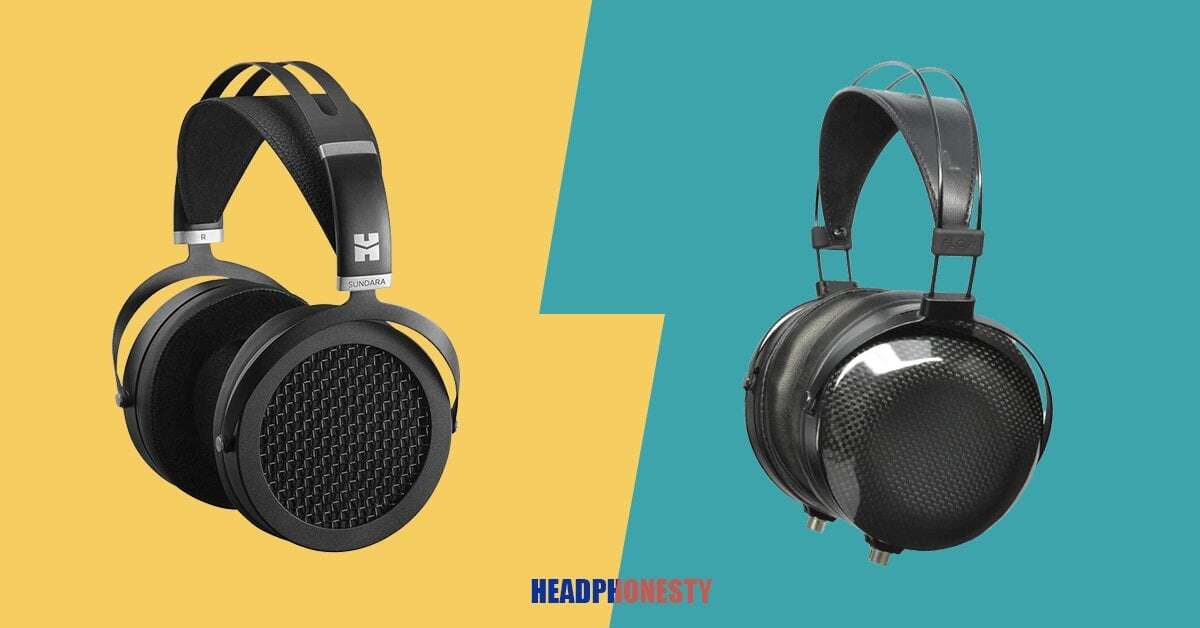
A closed-back headphone has sealed ear cups that block outside noise and keep sound from leaking out.
If you want private listening, strong bass, or better focus in a busy place, understanding what is a closed back headphone can help you choose wisely. This guide explains its design, sound, comfort, benefits, limits, and best uses in simple terms.
What Is a Closed Back Headphone?
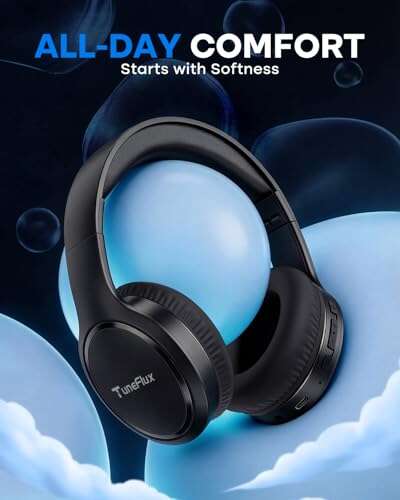
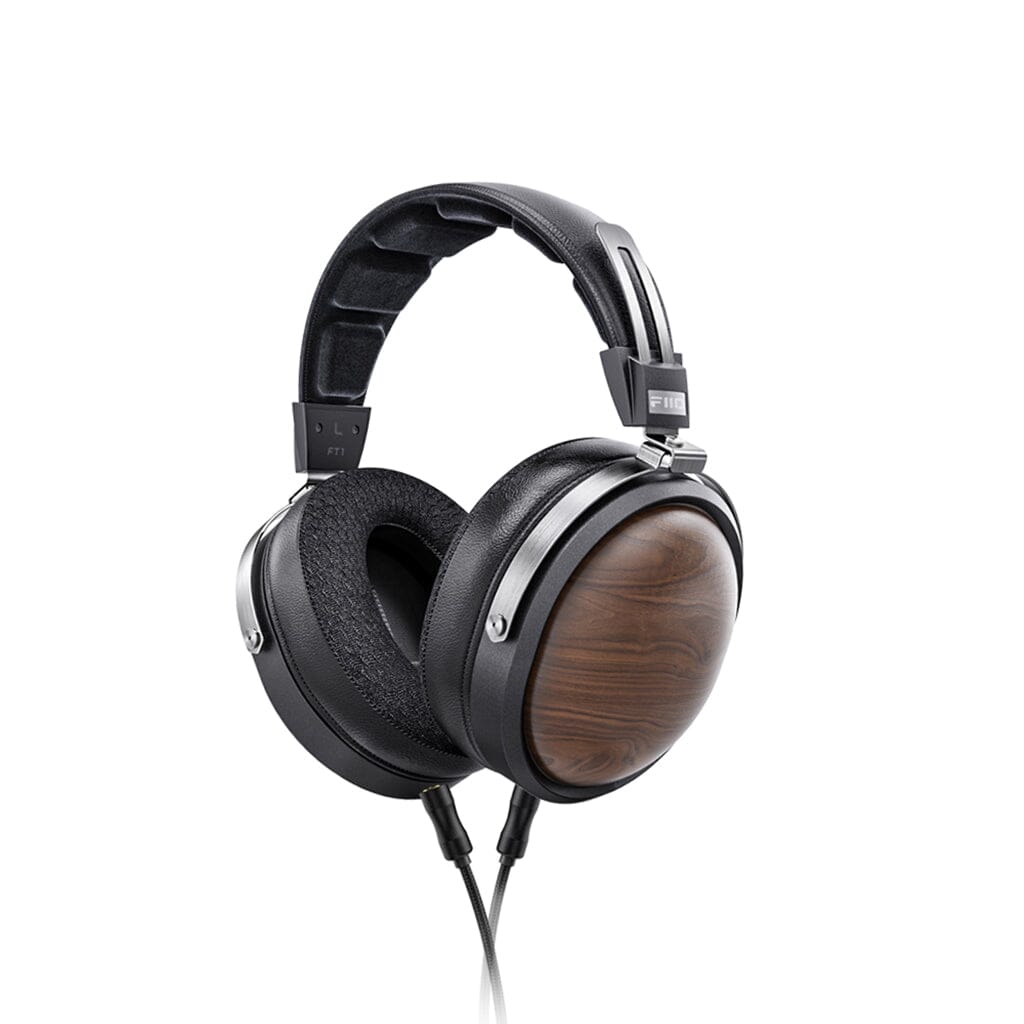
A closed-back headphone is a pair of headphones with solid outer ear cups. These cups cover the back of each speaker driver, so sound stays inside the ear cup instead of moving freely into the room.
The sealed design also reduces the amount of outside sound that reaches your ears. This makes a closed-back model useful for travel, office work, gaming, music production, and private listening at home.
The easiest way to picture what is a closed back headphone is to imagine a small, padded room around each ear. The room keeps your music in and some unwanted noise out.
A closed-back headphone can be:
• Over-ear, with ear cups that surround your ears
• On-ear, with smaller cups that rest on your ears
• Wired or wireless
• Designed for casual listening, studio work, gaming, or professional use
The term describes the ear cup design, not the price or sound quality. A budget closed-back headphone can sound excellent, while an expensive model may still have flaws in comfort, tuning, or noise control.
How Does a Closed-Back Headphone Work?
Inside every headphone is at least one driver. The driver changes electrical signals into sound waves. In a closed-back headphone, the driver sits inside a cup with a solid rear shell.
The shell controls how sound moves behind the driver. It can reduce sound leakage and help create a stronger sense of bass. However, the shape, material, padding, and internal damping also affect the final sound.
A closed-back headphone does not create perfect silence. Its passive isolation works best against steady sounds, such as:
• Air conditioner hum
• Bus and airplane engine noise
• Office chatter at a distance
• Computer fan noise
• Low traffic rumble
It is less effective against sudden sounds or nearby speech. For stronger noise reduction, choose a model with active noise cancellation, often called ANC.
The difference between passive isolation and ANC matters. Passive isolation comes from the physical seal of the ear cups. ANC uses microphones, electronic processing, and special sound signals to reduce certain outside noises.

Closed-Back vs. Open-Back Headphones
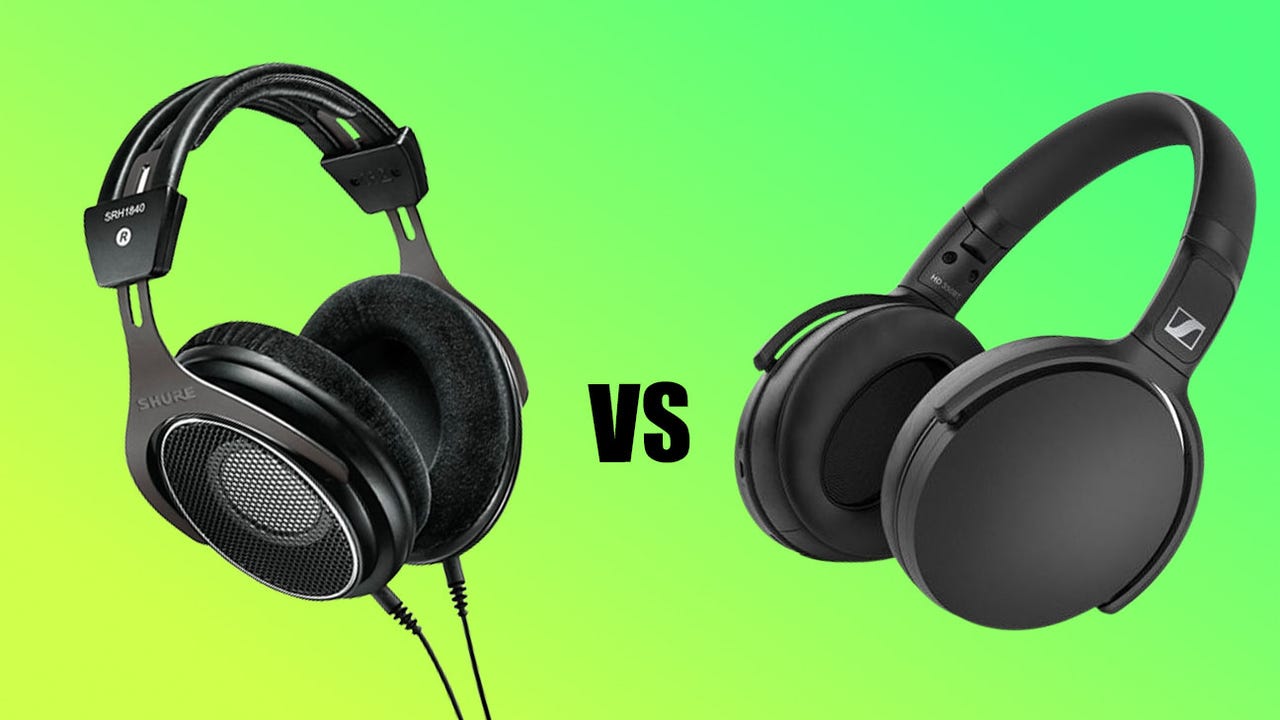
The main difference is the rear of the ear cup. A closed-back headphone uses a solid shell, while an open-back headphone has vents or a grille that lets air and sound pass through.
Open-back headphones often sound more airy and spacious. Many listeners describe their sound as more natural because the ears feel less sealed. However, open-back models leak sound and provide little isolation.
A closed-back headphone is usually better when privacy and noise control matter. An open-back design may be better for quiet rooms, critical listening, and people who want a wide soundstage.
| Feature | Closed-back headphone | Open-back headphone |
|---|---|---|
| Outer ear cup | Solid and sealed | Vented or open |
| Sound leakage | Low | High |
| Outside noise control | Moderate to strong | Very low |
| Bass presentation | Often fuller | Often lighter or more natural |
| Best setting | Travel, office, studio, gaming | Quiet rooms and focused listening |
| Soundstage | Usually more contained | Often wider and airier |
Neither design is always better. The right choice depends on your room, music, comfort needs, and listening habits.
Benefits of a Closed-Back Headphone
A closed-back headphone offers several practical benefits. These advantages explain why this design remains popular with commuters, musicians, gamers, and home listeners.
Better Sound Isolation
The sealed ear cups reduce outside noise. This helps you hear more detail without turning the volume too high.
Isolation can also make music feel more consistent. For example, a train announcement or office conversation may become less distracting while you listen.
Less Sound Leakage
Sound leakage happens when other people can hear what you are playing. A closed-back headphone limits this problem.
That makes it a smart choice for:
• Libraries
• Shared offices
• Public transportation
• Late-night listening
• Recording rooms
No headphone blocks all leakage at every volume. A loose seal or very high volume can still let sound escape.
Stronger Bass
Many closed-back designs create a more controlled space around the driver. This can support a punchy and full bass response.
That does not mean every closed-back headphone has too much bass. Some models have a balanced or even neutral tuning for studio work.
Better Recording Control
Musicians and voice artists often use a closed-back headphone while recording. The sealed cups help stop the backing track from entering a microphone.
This is important during vocal recording. If the music leaks into the microphone, it can become difficult to edit or mix the track later.
Useful for Travel
A closed-back headphone is often more practical on a plane, train, or bus than an open-back model. It gives you more privacy and can reduce the need to raise the volume.
For travel, look for a light frame, soft ear pads, a folding design, and a detachable cable. Wireless models can also reduce cable clutter.

Limitations of a Closed-Back Headphone
Understanding what is a closed back headphone also means understanding its trade-offs. The sealed design solves some problems but can create others.
Heat and Sweat
Closed ear cups hold more heat around your ears than open designs. This can become uncomfortable during long listening sessions or warm weather.
Breathable pads can help, but they may reduce isolation. Leather and synthetic leather usually seal well, while fabric or velour may feel cooler.
A Smaller Soundstage
A closed-back headphone can sound more direct and enclosed. Some models create a narrow soundstage, where instruments seem close to your head.
Good engineering can reduce this effect. Still, an open-back headphone usually has an easier time producing a broad, airy presentation.
Pressure and Fit Problems
A strong seal can create a feeling of pressure. Some listeners notice this when wearing a headphone for several hours.
Clamp force also matters. A headphone that is too tight may cause pain near the jaw or temples. One that is too loose may leak sound and lose bass.
Internal Reflections
Sound waves can bounce inside a sealed ear cup. If the maker does not control these reflections, the headphone may sound harsh, boomy, or unnatural.
Manufacturers use padding, angled drivers, vents, and damping materials to manage this issue. Results vary widely between models.
Noise Isolation Is Not Noise Cancellation
A closed-back headphone reduces outside sound, but it cannot remove all noise. If you work near loud machinery or frequent speech, passive isolation may not be enough.
In loud environments, a well-designed ANC headphone may provide better results. You should still follow safe listening practices and use proper hearing protection where required.
What Does a Closed-Back Headphone Sound Like?
There is no single sound signature for every closed-back headphone. The design can support many tunings, from warm and bass-heavy to bright and highly detailed.
A common closed-back sound includes:
• Full bass
• Clear vocals
• Strong detail at moderate volume
• A more intimate soundstage
• Less room-like air than an open-back design
The final sound depends on the driver, ear cup shape, seal, pad material, and digital tuning. Your own ears and head shape also affect the result.
A poor seal can reduce bass and make the headphone sound thin. Glasses, hair, and ear shape can all create tiny gaps between the pads and your head.
This is why measurements help, but they do not tell the whole story. Frequency response charts can show tonal balance, while comfort and real-world fit require personal testing.

Who Should Use a Closed-Back Headphone?
A closed-back headphone suits people who need private and focused listening. It is often the safer choice for shared spaces.
Consider this design if you:
• Listen in a noisy home or office
• Travel by plane, train, or bus
• Record vocals or instruments
• Play games near other people
• Do not want others to hear your music
• Prefer strong and focused bass
• Need a headphone for late-night use
It may not be ideal if you:
• Listen only in a quiet room
• Want the widest possible soundstage
• Become uncomfortable with warm ear cups
• Prefer to hear your surroundings
• Want a very light, airy presentation
For outdoor walking or cycling, awareness matters more than sound quality. A sealed headphone can make it harder to hear traffic, alarms, or people nearby. In those settings, use a lower volume or choose a safer listening option.