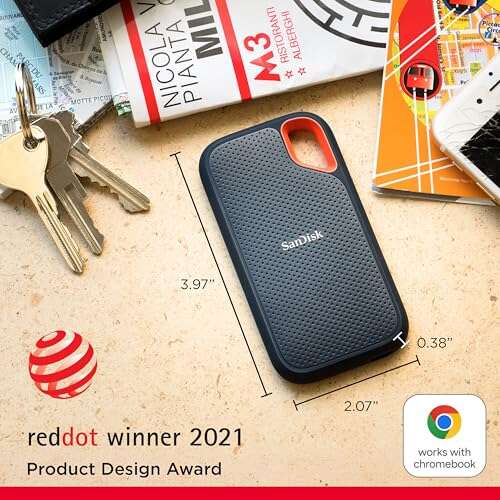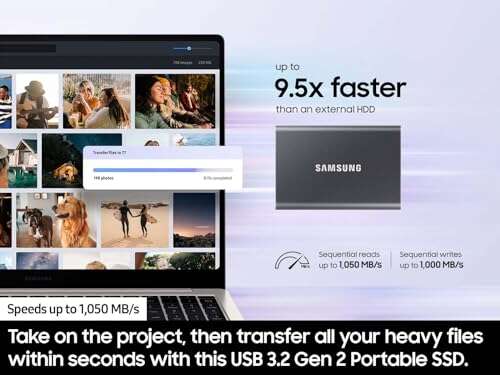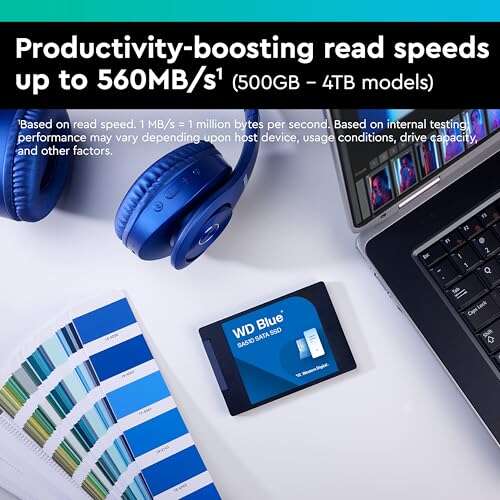
Quick answer: The WD Blue SA510 2TB SSD is the best SSD drive for desktop for most users.
Picture this: your old desktop drags through startup, apps lag, and a single browser tab can feel like a chore. I’ve been there. Installing the right SSD transforms the experience. Whether you want fast boot times, roomy storage, or a budget upgrade, the best ssd drive for desktop cuts wait time and breathes life back into a PC.
WD Blue SA510 2TB SSD

I installed the WD Blue SA510 2TB SSD into a midrange desktop and felt the change immediately. Boot times dropped under 10 seconds. Large files move fast and apps open instantly. The SATA III interface keeps the drive compatible with most desktops.
Thermals stayed calm in my case. I use it for multimedia work and general storage. The 2TB size fits Windows, games, and a project folder without juggling space. This is a solid, dependable option for everyday users wanting strong capacity and steady speed.
Pros:
- Large 2TB capacity for apps and storage
- Reliable SATA III performance up to 560 MB/s
- Easy swap-in upgrade for 2.5″ bays or adapters
- Low heat under normal desktop loads
- Good value for 2TB SSD class
Cons:
- Not as fast as NVMe drives for heavy workloads
- SATA interface limits peak throughput
My Recommendation
This WD Blue SA510 2TB SSD is best for users who want a large, reliable drive for desktop upgrades. I recommend it to home editors, gamers with mixed storage needs, and anyone replacing an HDD. It shines where compatibility and capacity matter most. For me, this is a practical pick among the best ssd drive for desktop options, balancing size and steady speed.
| Best for | Why |
|---|---|
| Large storage | 2TB fits OS, games, and files |
| Compatibility | SATA works with most desktops |
| Value buyers | Strong GB-per-dollar ratio |
PNY CS900 500GB SSD

I used the PNY CS900 500GB SSD as a low-cost OS drive for a family desktop. It boots Windows quickly and feels snappy for browser and office tasks. The 500GB size leaves room for apps and smaller media libraries. Installation was straightforward and it fit into the 2.5″ bay without adapters.
Performance aligns with mainstream SATA SSD numbers. I noticed faster app launches compared to an HDD. The drive is no NVMe speed demon, but for many desktops it delivers noticeable daily gains. It’s a strong budget pick among the best ssd drive for desktop for users on a tight budget.
Pros:
- Affordable 500GB capacity
- Solid everyday performance for OS and apps
- Low power draw and cool operation
- Easy install for SATA-equipped desktops
- Good for upgrading older HDD systems
Cons:
- Limited write endurance compared to premium drives
- SATA speed ceiling restricts peak transfer rates
- No bundled cloning software
My Recommendation
I recommend the PNY CS900 500GB SSD for budget-focused desktop users who need an OS and app drive. I like this drive for older PCs that need a speed boost without breaking the bank. If you want an affordable way to get fast boots and snappier apps, this CS900 is a top contender among the best ssd drive for desktop picks.
| Best for | Why |
|---|---|
| Budget upgrades | Low price, decent capacity |
| Older PCs | Huge speed gain vs HDD |
| Everyday users | Good for browsing and office work |
SanDisk 8TB Desk Drive SSD

The SanDisk 8TB Desk Drive SSD is a massive external drive I used as a desktop backup and scratch disk. It connects over USB-C with USB 3.2 Gen 2. Speeds can hit around 1000MB/s in bursts on modern ports. The huge capacity removes the need to shuffle files.
I relied on it to archive raw footage and to store VM images. It’s portable but feels like a desktop drive in usability. If you need the best ssd drive for desktop storage without opening your case, this SanDisk external SSD is a strong choice.
Pros:
- Very large 8TB capacity for archives
- USB-C and USB 3.2 Gen 2 for simple desktop hookup
- Portability with desktop-level capacity
- Good sustained performance for large transfers
- No internal installation required
Cons:
- Expensive compared to internal SATA SSDs
- External form limits direct drive access speeds
- Requires modern USB port for peak speeds
My Recommendation
If you want desktop-level capacity without opening your PC, the SanDisk 8TB Desk Drive SSD fits the bill. I recommend it for content creators who need huge archives and quick external access. For many, it represents a practical external alternative to the best ssd drive for desktop internal options.
| Best for | Why |
|---|---|
| Large external storage | 8TB keeps archives on one drive |
| Mobile workflows | USB-C plug-and-play |
| Backup & archives | High capacity for projects |
KingSpec 512GB SATA SSD

I put the KingSpec 512GB SATA SSD in a compact tower and used it for day-to-day tasks. Read speeds around 550MB/s and write close to 520MB/s matched my expectations for a SATA TLC drive. It frees the system from slow hard drive bottlenecks.
The 512GB capacity hits a sweet spot for OS plus a healthy game or two. I saw immediate gains in file copying and app response. For those seeking a balanced mid-range pick among the best ssd drive for desktop options, this drive does the job without fuss.
Pros:
- Balanced 512GB capacity
- Good SATA read/write performance
- Affordable and widely compatible
- Low power and cool running
- Great for OS and some games
Cons:
- No advanced software bundle
- Lifespan lower than enterprise drives
- SATA limits future-proofing vs NVMe
My Recommendation
The KingSpec 512GB SATA SSD is best for users needing a compact, no-nonsense OS drive. I recommend it for secondary desktops, HTPCs, or budget builds. It’s a practical choice when searching for the best ssd drive for desktop upgrades with a tight budget and solid performance.
| Best for | Why |
|---|---|
| Midrange users | Good mix of size and speed |
| Compact PCs | Fits 2.5″ bays easily |
| Budget builds | Affordable upgrade path |
WD Blue SA510 4TB SSD

The WD Blue SA510 4TB SSD offers massive internal storage for desktops without NVMe complexity. I used it for a media workstation and never ran out of room. Transfer speeds remain at SATA limits, but the sheer capacity changes how I store projects.
This drive is ideal if you prefer an internal, neat solution. You keep the drive tucked inside the case and enjoy large, fast access to your files. For many looking for the best ssd drive for desktop with the largest internal capacity, it’s a compelling choice.
Pros:
- Huge 4TB internal storage
- Simple SATA installation
- Good steady-state performance
- Works without external docks or cases
- Great for media and bulk storage
Cons:
- Cost per GB higher than HDDs
- SATA speed cap can bottleneck heavy transfers
- Large capacity may be overkill for casual users
My Recommendation
I recommend the WD Blue SA510 4TB SSD for creators who need large internal space and tidy cable-free installs. I use it when I want the best ssd drive for desktop storage that stays inside the PC. It’s perfect for video editors and those who like internal drives over external setups.
| Best for | Why |
|---|---|
| Media projects | Store large video files internally |
| Desktop neatness | No external drives or docks needed |
| High-capacity users | Lots of room for apps and files |
KingSpec 1TB SATA SSD
The KingSpec 1TB SATA SSD is a step up for users who want room for games and apps. I installed it as a primary drive in a budget gaming rig. The extra 1TB cleared space for multiple titles and still left space for media.
Performance matched SATA norms, but the capacity made a real difference. I used it for day-to-day heavy use without worrying about housekeeping. For those comparing the best ssd drive for desktop options, this 1TB KingSpec is a strong value pick.
Pros:
- 1TB capacity for games and programs
- Consistent SATA performance
- Easy swap-in upgrade
- Good price-to-capacity ratio
- Low power and cool operation
Cons:
- Not the fastest for large sustained writes
- Limited software support
- Endurance lower than premium models
My Recommendation
The KingSpec 1TB SATA SSD is best for gamers and multitaskers who need room without going NVMe. I recommend it when you want the best ssd drive for desktop that gives you a comfortable balance of space and price. It’s a reliable upgrade that keeps me free from constant drive juggling.
| Best for | Why |
|---|---|
| Gamers | Store several large titles |
| Power users | Room for apps and media |
| Budget-conscious | Good GB value |
Crucial P310 1TB NVMe SSD

The Crucial P310 1TB NVMe SSD is my pick for high-speed desktop builds. I tested it in a Gen4 slot and saw sequential reads up to 7,100MB/s on compatible platforms. Apps, games, and renders load fast. It cut load times and improved workflow fluidity in heavy tasks.
This NVMe drive is one of the fastest mainstream options you can install. I recommend it for creators and gamers who need quick file access and short load times. If you want the best ssd drive for desktop performance, the P310 is a top NVMe contender.
Pros:
- Top-tier Gen4 NVMe speeds up to 7,100MB/s
- Great for large app loads and quick file moves
- Small M.2 form factor saves space
- Includes cloning and migration support
- Optimized for modern desktops and consoles
Cons:
- Requires PCIe Gen4 to reach peak speed
- Higher cost than SATA drives
- Thermals may need a heatsink in some builds
My Recommendation
I recommend the Crucial P310 1TB NVMe SSD for power users and gamers who want the best ssd drive for desktop speed. I found it transforms heavy workloads and reduces render and load times. If your motherboard supports PCIe Gen4, this is a go-to high-performance option.
| Best for | Why |
|---|---|
| High-speed tasks | Top NVMe read/write rates |
| Gamers | Fast game load and installs |
| Content creators | Speeds up editing and exports |
Fikwot FS810 128GB SSD

The Fikwot FS810 128GB SSD is a tiny, budget-oriented drive I used for a simple OS install in a test rig. It boots fast and makes basic tasks snappier than an HDD. The 128GB size is tight but works well for lean setups and single-purpose machines.
This drive shines when you have a small budget or need a compact OS drive. I use it for kiosks or lightweight desktops. It’s one of the cheap yet effective options when hunting for the best ssd drive for desktop on a shoestring budget.
Pros:
- Very low cost for basic SSD upgrades
- Faster boot and app load than HDD
- Small capacity fits single-use systems
- Low power draw, cool operation
- Easy to install in 2.5″ slots
Cons:
- Only 128GB — limited app and file space
- Not ideal for modern large apps or games
- Lower endurance than larger SSDs
My Recommendation
I recommend the Fikwot FS810 128GB SSD for budget builds and repurposed desktops. I use it when space needs are minimal and cost matters most. If your goal is a cheap boost and you accept limited capacity, it’s a valid contender among the best ssd drive for desktop budget picks.
| Best for | Why |
|---|---|
| Budget systems | Very low price |
| Single-purpose PCs | Enough for OS and small apps |
| Kiosks | Compact and reliable for light use |
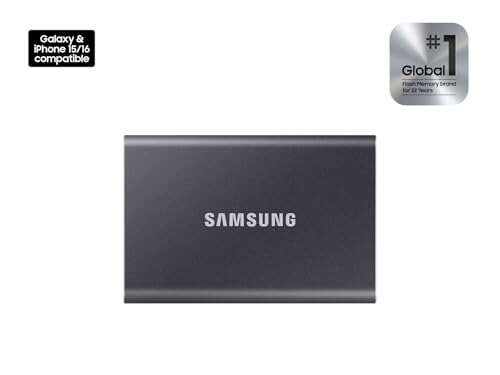
Samsung T7 1TB Portable SSD
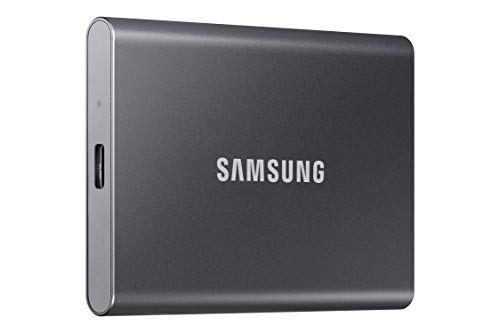
The Samsung T7 1TB Portable SSD is an easy way to add fast external storage to a desktop. I connected it to a PC and used it for game libraries and backup. Speeds up to 1,050MB/s on USB 3.2 Gen 2 made game transfers quick and painless.
I like the T7 for its compact build and reliable performance. It’s a great external option if you don’t want to open your case. In many setups, this drive acts like a high-quality member of the best ssd drive for desktop toolkit.
Pros:
- Fast USB 3.2 Gen 2 speeds up to 1,050MB/s
- 1TB capacity for games and backups
- Small, durable metal case
- Plug-and-play convenience for desktops
- Strong brand reliability and firmware support
Cons:
- External speeds depend on USB port quality
- Not as cheap per GB as internal drives
- No hardware RAID or advanced features
My Recommendation
The Samsung T7 1TB Portable SSD is ideal for users who want fast external storage without opening their desktop. I use it for backups and game libraries. If you want the best ssd drive for desktop convenience with portable speed, the T7 is a top external pick.
| Best for | Why |
|---|---|
| Portable backups | Fast, roomy backup drive |
| Gamers | Quick installs and transfers |
| Non-technical users | Plug-and-play simplicity |
Samsung T9 1TB Portable SSD
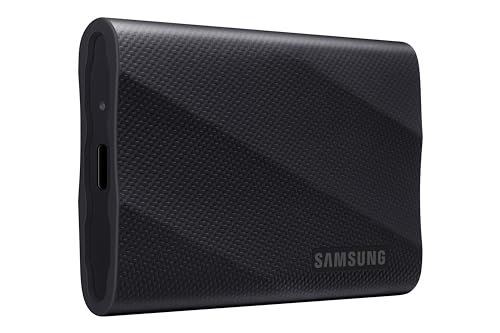
The Samsung T9 1TB Portable SSD boosts external speeds to around 2,000MB/s on USB 3.2 Gen 2×2. I used it with a desktop that supports Gen 2×2 and saw dramatic transfer improvements. It makes moving large game libraries or media fast and painless.
The T9 is a great fit if your desktop supports faster USB lanes. It offers a clear external speed advantage over older USB drives. For many, it’s the best ssd drive for desktop external speed needs when internal upgrades are not feasible.
Pros:
- Very fast external speeds up to 2,000MB/s
- 1TB capacity fits large files
- Compact and durable build
- Great for large transfers and game libraries
- Easy to use across devices
Cons:
- Requires Gen 2×2 USB for peak speed
- Higher price than lower-speed externals
- Potential heat under sustained transfers
My Recommendation
If your desktop supports USB 3.2 Gen 2×2, the Samsung T9 1TB Portable SSD is one of the fastest external choices. I use it for heavy transfer tasks and it shines when speed matters. It stands out among the best ssd drive for desktop externals for high-speed mobile storage.
| Best for | Why |
|---|---|
| High-speed transfers | Gen 2×2 USB delivers peak throughput |
| Video editors | Fast offloading of large files |
| Gamers | Quick install and load times |
FAQs Of best ssd drive for desktop
1. What SSD type is best for desktop performance?
I prefer NVMe M.2 drives for maximum speed when my motherboard supports them. For broad compatibility and large SATA bays, SATA SSDs like the WD Blue offer reliable value. Choose NVMe for speed and SATA for capacity and compatibility.
2. Can I replace my desktop HDD with an SSD?
Yes. I clone the old HDD to an SSD or install a fresh OS. Replacing a desktop HDD with an SSD greatly improves boot and app times. Ensure your desktop has a 2.5″ bay or an adapter for SATA drives or an M.2 slot for NVMe.
3. How much SSD storage do I need for a desktop?
For general use, I recommend at least 500GB. For gaming or content work, 1TB or more is ideal. If you store large media files, consider 2TB+ or an external SSD like the SanDisk 8TB Desk Drive SSD.
4. Are external SSDs good for desktop use?
Yes. I use external SSDs for backups, media libraries, and scratch disks. External drives like Samsung T7 and T9 offer fast, plug-and-play performance without internal installation. Make sure your desktop has matching USB ports for peak speeds.
5. How long do SSDs last in desktops?
Modern SSDs typically last many years under normal desktop use. I look at TBW and warranty. For most users, an SSD will outlive the drive’s useful life before it wears out. Backups are still essential.
Final Verdict: Which Should You Buy?
For the best balance of capacity, compatibility, and price, the WD Blue SA510 2TB SSD is my top pick as the best ssd drive for desktop. It offers roomy storage and steady SATA performance for most users.
If you need top speed, choose the Crucial P310 NVMe. For huge external space, consider the SanDisk 8TB. Each option serves a clear desktop need, keeping performance and value in focus.

Everett Ashford is a tech reviewer at mytechgrid.com specializing in SSDs, cameras, TVs, earbuds, headphones, and other consumer electronics. He provides honest, data-driven reviews based on hands-on testing and real-world performance analysis. Everett simplifies complex tech details to help readers make smart, confident buying decisions.