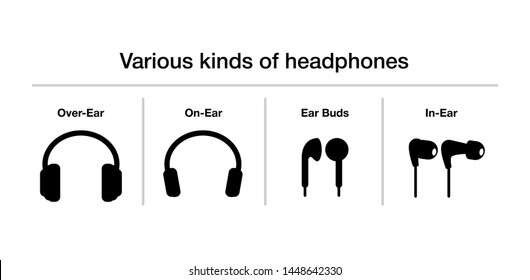
Earbuds come in wired, wireless, true wireless, open-ear, noise-canceling, sports, and custom-fit designs.
Understanding what are the different types of earbuds helps you choose the right pair for your ears, phone, budget, and daily routine. Each design makes a different trade-off between sound quality, comfort, battery life, safety, and convenience. This guide explains those differences in simple terms, with practical advice to help you avoid buying the wrong earbuds.
What Are Earbuds?
Earbuds are small audio devices that sit in or around the ear. They connect to a phone, tablet, computer, game console, or other audio source. Some models use a cable, while others use Bluetooth.
People often use the words “earbuds” and “earphones” in the same way. However, earbuds usually describe compact devices that rest at the ear opening or fit partly inside the ear canal. In-ear monitors and canal-style earphones often create a tighter seal and sit deeper in the ear.
When asking what are the different types of earbuds, it helps to group them by three main features:
• Connection method: wired, wireless, or true wireless
• Ear fit: open-fit, in-ear, over-ear hook, or open-ear
• Special purpose: sports, noise canceling, gaming, hearing enhancement, or professional monitoring
One product can fit more than one group. For example, a pair may be true wireless, in-ear, noise canceling, and designed for exercise.

Wired Earbuds
Wired earbuds connect to a device through a cable. They may use a 3.5-millimeter headphone plug, USB-C connector, or Lightning connector. Some models also include a small microphone and remote control for calls and music.
Wired earbuds remain useful because they do not need charging. They also avoid Bluetooth pairing problems and usually have very low audio delay. That makes them helpful for watching videos, playing rhythm games, recording audio, or using older devices.
Advantages of wired earbuds
• No battery is needed
• Very low connection delay
• Simple plug-and-play setup
• Often less expensive
• Reliable for travel and emergency use
• Compatible with many professional audio tools
Limitations of wired earbuds
• The cable can tangle or catch on clothing
• Newer phones may need an adapter
• Cable movement can create rubbing noise
• The connector may wear out over time
• They can feel less convenient during workouts
A common mistake is to assume that all wired earbuds sound better than wireless earbuds. A well-tuned wireless model can sound excellent, while a poorly designed wired model can sound thin or harsh. The driver, tuning, seal, source device, and audio file all affect sound quality.
For listeners who value easy use and do not mind a cable, wired earbuds are still one of the most practical choices. They also make a good backup pair when your wireless earbuds run out of power.

Wireless Earbuds With a neckband
Neckband earbuds use Bluetooth for audio but connect the two earbuds with a short cable or flexible band. The band rests around the neck, so the earbuds are less likely to fall and disappear during movement.
This design was once very common. It is now less popular than true wireless earbuds, but it still offers useful benefits. The larger neckband can hold a bigger battery, physical controls, and sometimes stronger Bluetooth hardware.
Why choose neckband earbuds?
• Longer battery life than many small true wireless models
• Harder to lose than separate earbuds
• Easy access to buttons and volume controls
• Good stability for walking and light exercise
• Often more affordable than premium true wireless earbuds
The main drawback is that the neckband can feel warm or noticeable. It may also catch on collars, hair, or backpack straps. Some users find the design less stylish than fully wireless models.
Neckband earbuds are a strong middle ground for people who want wireless freedom without carrying two tiny pieces of technology. They are also useful for long workdays because they often last many hours on one charge.
 neckband”
style=”max-width: 100%; height: auto; border: 2px solid black; border-radius: 10px; display: block; margin: 0 auto;”
loading=”lazy”
/>
True Wireless Stereo Earbuds
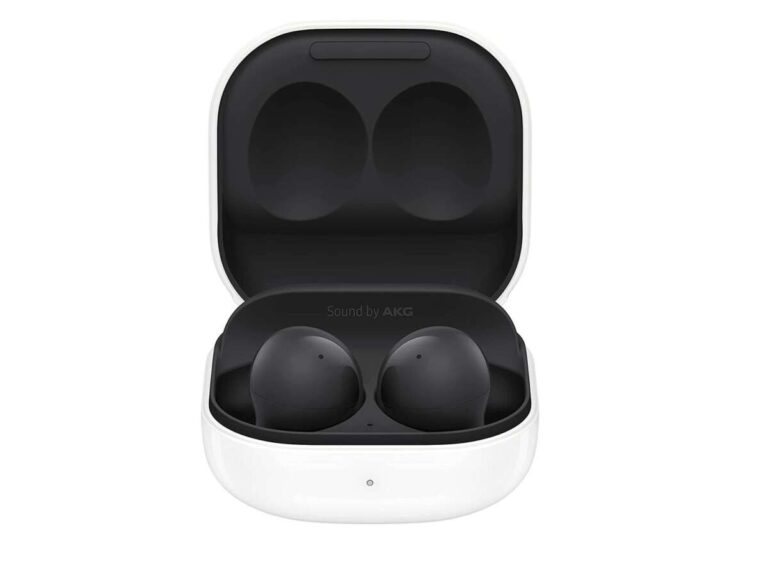
True wireless stereo earbuds, often called TWS earbuds, have no cable between the left and right sides. Each earbud works as a separate Bluetooth device. A charging case stores and recharges them when they are not in use.
When people search for what are the different types of earbuds, true wireless models are often the first type they mean. They are small, portable, and widely available at many price levels.
Benefits of true wireless earbuds
• No cable between the ears
• Small charging case for storage
• Easy to carry in a pocket
• Many models support touch controls
• Premium versions offer noise canceling and transparency modes
• Some support automatic device switching
Drawbacks of true wireless earbuds
• They need regular charging
• Small earbuds are easy to lose
• Bluetooth pairing can sometimes fail
• Battery capacity may decrease after years of use
• Low-cost models may have weak microphones or unstable connections
The charging case is an important part of the product. Check its size, hinge quality, charging port, and total battery capacity. A case that gives three extra charges can be more useful than one with a flashy design.
Fit also matters. True wireless earbuds depend on the ear tip and ear shape to stay secure. If the seal is poor, bass becomes weak and outside noise becomes louder. Trying different ear tips can improve both comfort and sound without buying a new pair.

Open-Fit and Half-In-Ear Earbuds
Open-fit earbuds rest in the outer ear instead of sealing the ear canal. Classic earbuds and many basic Apple-style designs use this approach. They feel light and allow some outside sound to enter naturally.
These earbuds are comfortable for many people who dislike the plugged-up feeling of in-ear tips. They are also useful when you need to hear conversations, announcements, traffic, or nearby activity.
Benefits of open-fit earbuds
• Light and comfortable for many users
• Less pressure inside the ear canal
• Natural awareness of nearby sounds
• Easy to insert and remove
• Good for casual listening and office use
Limitations of open-fit earbuds
• Less bass than sealed in-ear models
• Sound can leak into quiet rooms
• They may slip during exercise
• Loud environments can overpower the music
Open-fit earbuds are not always the safest choice in a noisy place. Users may raise the volume to compete with traffic or machinery. Long exposure to loud sound can increase the risk of hearing damage, so keeping the volume moderate remains important.
The best choice depends on your surroundings. Open-fit earbuds can be ideal at home or in a quiet office. In a busy airplane cabin or subway, a well-fitting in-ear model may provide clearer sound at a lower volume.

In-Ear Canal Earbuds
In-ear earbuds use soft silicone or foam tips that sit inside the ear canal. The tip forms a seal, which can improve bass response and block some outside noise.
This is one of the most important categories when learning what are the different types of earbuds. In-ear models include inexpensive wired earphones, premium true wireless earbuds, professional in-ear monitors, and many sports designs.
Advantages of in-ear earbuds
• Stronger bass and clearer detail
• Better passive noise isolation
• More secure fit when the tip is correctly sized
• Useful in loud environments
• Often available with several ear tip sizes
Possible disadvantages
• Some users dislike the sealed feeling
• Incorrect tips may cause pain or pressure
• Earwax and moisture can affect performance
• Poor cleaning can create hygiene problems
A proper fit should feel secure, not painful. Try the smallest tip that creates a stable seal. Foam tips can improve comfort and isolation, but they may wear out faster and need regular replacement.
Keep the earbuds clean. Wipe the outer surfaces with a dry or slightly damp cloth, and follow the manufacturer’s cleaning instructions. Never push liquid into the speaker openings. If you share earbuds, clean them before and after use.

Noise-Canceling Earbuds
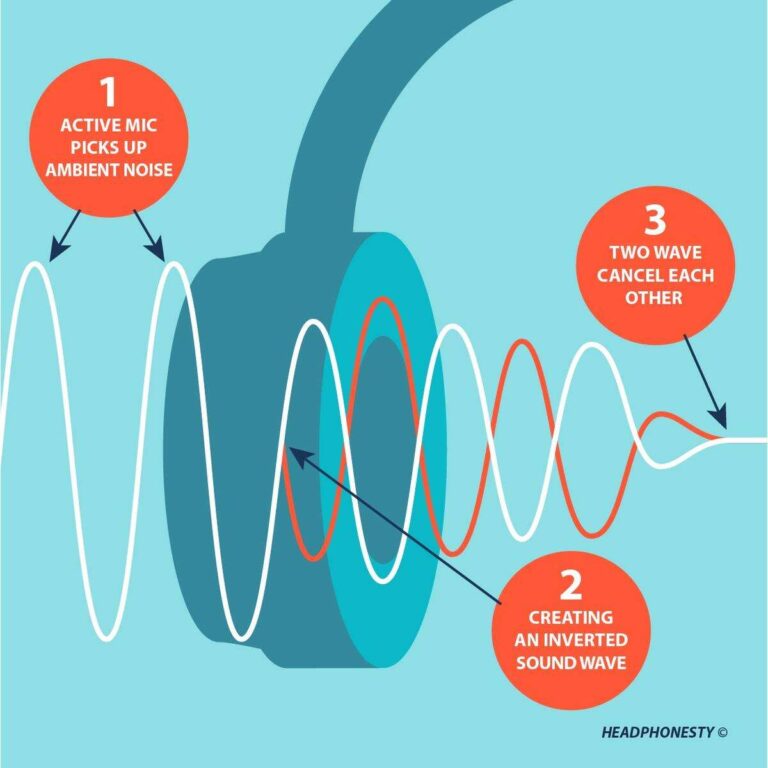
Noise-canceling earbuds reduce unwanted sound in two main ways. Passive noise isolation comes from the physical seal of the ear tip. Active noise cancellation, or ANC, uses microphones and electronic processing to create a signal that reduces steady outside sounds.
ANC works best with low, constant noise. It can reduce the hum of an airplane engine, air conditioner, bus, or train. It is usually less effective against sudden voices, claps, or changing sounds.
What to know about ANC earbuds
• Strong ANC can make travel more comfortable
• Transparency mode lets outside sound in
• ANC uses extra battery power
• Performance depends on fit and ear shape
• Some people notice a light pressure sensation
Transparency mode is just as important as noise cancellation for many users. It uses external microphones to send outside sound through the earbuds. This allows you to hear a cashier, coworker, or traffic signal without removing the earbuds.
Do not treat ANC as hearing protection unless the product is specifically certified for that purpose. Noise-canceling earbuds may make a loud place feel quieter, but they do not automatically protect your hearing from harmful sound levels.

Open-Ear and Bone-Conduction Earbuds
Open-ear earbuds let sound reach your ears without sealing the ear canal. Some use a small speaker that sits near the ear, while bone-conduction headphones send vibrations through the bones near the cheek or temple.
These designs are popular with runners, cyclists, hikers, and workers who need to stay aware of their surroundings. They are also helpful for people who dislike in-ear pressure.
Open-ear speaker earbuds
Open-ear speaker earbuds direct sound toward the ear while leaving the canal open. They usually offer a comfortable fit and strong environmental awareness.
Their main limits are sound leakage and weaker bass. Wind can also affect clarity when riding a bike or running outdoors.
Bone-conduction earbuds
Bone-conduction models rest near the cheekbone. They send vibrations through the skull rather than placing a speaker inside the ear canal.
They can be useful for outdoor awareness, but they usually do not match traditional in-ear earbuds for deep bass or fine musical detail. Some users also need time to adjust to the unusual sensation.
When considering what are the different types of earbuds for outdoor use, open-ear and bone-conduction designs deserve serious attention. They do not make every situation safe, though. Stay alert, obey local cycling rules, and never use any audio device in a way that blocks awareness of immediate danger.

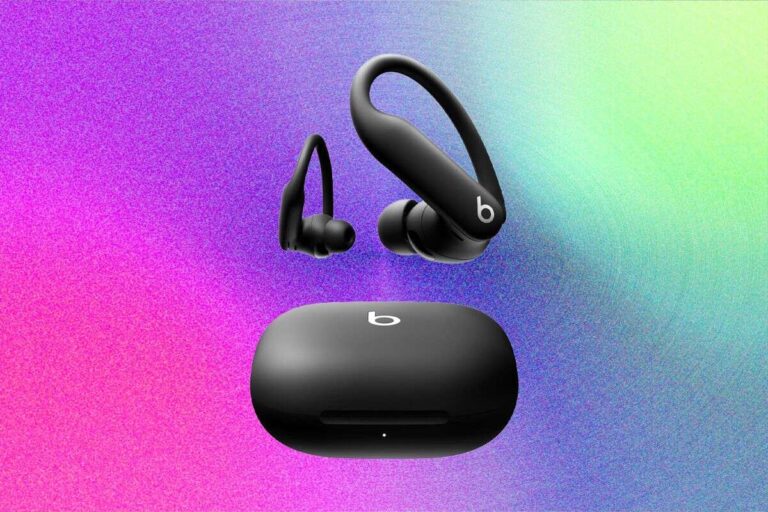
Sports and Workout Earbuds
Sports earbuds are designed to stay in place during movement. They may include wing tips, ear hooks, textured surfaces, or a shape that locks into the outer ear. Many also offer sweat resistance and simple physical controls.
Look for an IP rating when shopping for workout earbuds. The first number describes protection from solid particles, and the second describes water protection. For example, an IPX4 rating indicates resistance to water splashes, while higher ratings offer stronger protection. An IP rating does not mean a product is safe for swimming unless the manufacturer clearly says so.
Features that matter for exercise
• Secure fit with tips, wings, or hooks
• Sweat and water resistance
• Easy-to-press controls
• Clear call microphones
• Stable Bluetooth connection
• A case that fits easily in a gym bag
Touch controls can be hard to use with sweaty fingers. Physical buttons may work better during a run. It is also wise to check whether the earbuds stay secure when you turn your head, jump, or make fast movements.
One practical lesson is to test fit before focusing on sound features. The best workout earbuds are the ones you can forget about while moving. A slightly less powerful pair that stays in place is often better than a premium pair that needs constant adjustment.
Gaming Earbuds
Gaming earbuds are built for low delay, clear voice chat, and accurate sound positioning. Wired gaming earbuds often have almost no noticeable latency. Wireless gaming earbuds may use Bluetooth or a dedicated USB transmitter.
Bluetooth connections can create a small delay between an action and the sound. Modern gaming earbuds may reduce this delay with a special gaming mode, but performance varies by device and game system.
Important gaming features
• Low-latency connection
• Clear microphone pickup
• Accurate left and right audio separation
• Comfortable fit for long sessions
• Compatibility with your console or computer
• Simple mute and volume controls
For competitive gaming, sound positioning can help you notice footsteps or direction changes. Still, marketing terms can be overstated. Read independent tests when possible, and check whether the earbuds support your platform before buying.
A detachable microphone is another useful feature. Built-in microphones save space, but a separate boom microphone often provides clearer voice chat.
In-Ear Monitors and Custom-Molded Earbuds
In-ear monitors, or IEMs, are designed for detailed listening. Musicians use them to hear vocals and instruments on stage. Audio professionals and enthusiasts also use them for mixing, critical listening, and high-quality music playback.
Custom-molded earbuds are made from impressions of the listener’s ears. They can provide a highly secure fit and strong isolation. A qualified hearing professional or authorized specialist should handle the fitting process.
Strengths of IEMs and custom models
• Detailed and balanced sound
• Strong isolation
• Stable fit for performance
• Many driver and tuning options
• Custom models can offer excellent comfort
Limitations
• Higher cost
• A learning curve for insertion and cleaning
• Isolation may reduce awareness
• Custom molds may need replacement if your ears change
IEMs are not automatically better for every listener. Their value depends on your goals, source equipment, music preferences, and comfort needs. Some models emphasize bass, while others aim for a neutral sound that reveals more detail.
Use a safe listening level. A highly isolating earbud can make music sound clear at a moderate volume, but it can also make it easy to listen for too long without noticing the time.
How to Choose the Right Type of Earbuds
The answer to what are the different types of earbuds is only useful if you know which type fits your life. Start with how and where you plan to use them.
Choose based on your main activity
• Commuting: In-ear earbuds with ANC can reduce steady travel noise.
• Office work: Open-fit earbuds or transparency mode can make conversations easier.
• Running outdoors: Open-ear or secure sports earbuds improve awareness.
• Gaming: Choose wired or low-latency wireless earbuds.
• Music enjoyment: Compare fit, sound tuning, codec support, and isolation.
• Phone calls: Look for strong microphone performance in wind and busy places.
• Long flights: Prioritize comfort, battery life, ANC, and a useful carrying case.
Check compatibility
Most wireless earbuds work with common Bluetooth devices, but advanced features may require a specific app or operating system. Check support for your phone, computer, television, or game console before purchasing.
Some phones do not include a headphone jack. In that case, wired earbuds may need a USB-C or Lightning adapter. Not every adapter includes a digital-to-analog converter, so compatibility can vary.
Compare the features that matter
Do not judge earbuds only by price or brand. Review:
• Battery life for the earbuds and charging case
• Charging speed and connector type
• Water-resistance rating
• Ear tip sizes and replacement cost
• Microphone quality
• Warranty and repair support
• App privacy and required account features
• Comfort during at least 30 minutes of use
A reliable fit is more important than a long feature list. In practical testing, many disappointing purchases come from ignoring ear shape. If possible, buy from a retailer with a clear return policy.
Earbud Sound Quality and Hearing Safety
Earbud sound quality depends on more than the number of drivers or a marketing label. The driver creates the sound, but the ear tip, seal, tuning, Bluetooth codec, source quality, and software also influence what you hear.
A tight seal often improves bass. However, too much pressure can reduce comfort. Equalizer settings can adjust bass, treble, and mids, but software cannot fix a poor physical fit.
Simple ways to protect your hearing
• Keep the volume at a moderate level
• Take breaks during long listening sessions
• Avoid raising volume to overcome background noise
• Use properly fitting tips
• Give your ears quiet time after loud events
• Replace earbuds that cause pain or ringing
Health experts commonly recommend limiting exposure to loud sound and taking regular breaks. Exact safe listening time depends on volume, so there is no single rule that fits every person. If you notice ongoing ringing, muffled hearing, pain, or dizziness, stop using the earbuds and speak with a qualified health professional.
Earbuds should never cause sharp pain. Mild awareness during the first few minutes can happen with a new fit, but persistent discomfort is a sign to change the tips or choose another design.
Common Earbud Mistakes to Avoid
Learning what are the different types of earbuds can prevent several common buying mistakes. Many shoppers focus on brand names and discounts but overlook fit, use case, and device support.
Avoid these errors:
• Buying ANC earbuds when you mainly need outdoor awareness
• Choosing open-fit earbuds for loud commutes
• Ignoring the microphone when you make frequent calls
• Assuming water resistance means waterproofing
• Wearing earbuds at high volume to cover outside noise
• Forgetting to check return policies
• Buying a poor fit because the earbuds look attractive
• Ignoring cleaning and battery care
Store wireless earbuds in their case when not in use. Keep the charging contacts dry and clean. Avoid leaving the case in extreme heat, such as a parked car, because high temperatures can shorten battery life.
It is also wise to update firmware through the manufacturer’s official app. Updates may improve connection stability, controls, or security. Read the update notes and check app permissions so you understand what the software does.
Frequently Asked Questions About What Are the Different Types of Earbuds
What are the main types of earbuds?
The main types include wired, neckband wireless, true wireless, open-fit, in-ear, open-ear, bone-conduction, sports, gaming, noise-canceling, and custom-fit earbuds. These categories can overlap because one product may have several features.
Are true wireless earbuds better than wired earbuds?
True wireless earbuds are more convenient because they have no cable and often include a charging case. Wired earbuds do not need charging and usually provide lower delay, so the better choice depends on your routine and priorities.
Which type of earbuds is best for exercise?
Sports earbuds with ear hooks, wing tips, or a secure in-ear shape are often best for workouts. Open-ear models can be better for outdoor running because they allow more awareness of nearby traffic and people.
Do noise-canceling earbuds protect your hearing?
Noise cancellation can reduce the need to raise music volume in some environments, but it is not the same as certified hearing protection. Do not use ordinary earbuds as a substitute for protective equipment around loud machinery or dangerous noise.
Are open-ear earbuds safer?
Open-ear earbuds can help you hear traffic and other nearby sounds because they do not seal the ear canal. They are not automatically safe, however, and loud volume or distracted listening can still create risks.
How long do wireless earbuds last?
Many wireless earbuds provide several years of use, but battery capacity usually declines over time. Charging habits, heat, daily use, and battery design all affect lifespan, and the small batteries may not be replaceable.
Can earbuds damage your ears?
Earbuds can contribute to hearing damage when used at high volume for long periods. They may also cause irritation if they are dirty, too tight, or worn for extended periods without breaks.
Conclusion
The different types of earbuds serve different needs. Wired earbuds offer simplicity and low delay, true wireless earbuds provide maximum convenience, in-ear models create a strong seal, open-ear designs improve awareness, and sports, gaming, ANC, and custom-fit models solve more specific problems.
Start by choosing your main use: commuting, work, exercise, gaming, travel, or focused music listening. Then compare fit, comfort, battery life, microphone quality, water resistance, and hearing safety instead of choosing by appearance alone. Use this guide to narrow your options, explore trusted product reviews, and share your own earbud experience in the comments.

Everett Ashford is a tech reviewer at mytechgrid.com specializing in SSDs, cameras, TVs, earbuds, headphones, and other consumer electronics. He provides honest, data-driven reviews based on hands-on testing and real-world performance analysis. Everett simplifies complex tech details to help readers make smart, confident buying decisions.