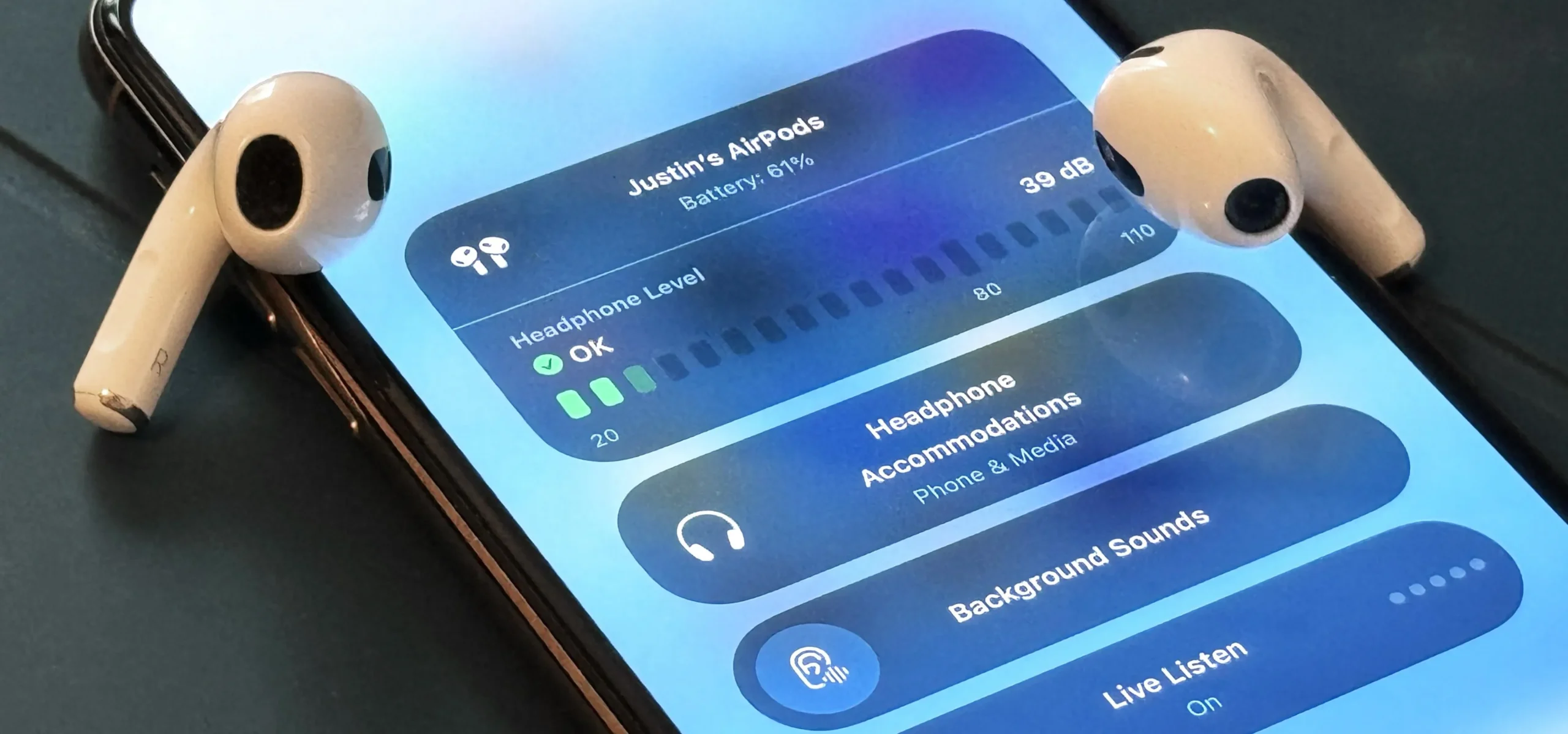
Yes, someone may hear Bluetooth conversations only when a device, connection, or phone is compromised.
Can someone hear your conversations through Bluetooth? Usually, no. Modern Bluetooth devices use pairing controls and encryption, but weak settings, old hardware, fake accessories, malware, and careless pairing can create real risks. This guide explains how Bluetooth eavesdropping works, how likely it is, and what you can do to protect private calls.
Can someone hear your conversations through Bluetooth?
In normal use, Bluetooth is designed to keep nearby people from listening to your calls. Your phone and headset create a wireless link, then use security features to protect the audio. A stranger standing next to you usually cannot simply open an app and hear your conversation.
Still, no wireless system is risk-free. Can someone hear your conversations through Bluetooth if your headset is hacked, poorly designed, or connected to the wrong device? In some cases, yes. The risk depends on the Bluetooth version, pairing method, device software, and the attacker’s skill.
It also helps to understand what Bluetooth does. Bluetooth carries sound between devices. It does not normally record every conversation around you. For someone to hear your call, they would usually need access to the audio stream, your phone, your headset, or the microphone itself.
What Bluetooth protects
Bluetooth security can include:
• Device authentication, which checks whether two devices are allowed to connect.
• Encryption, which scrambles audio and data while they travel through the air.
• Pairing keys, which help devices recognize each other during later connections.
• Access controls, which limit what a connected device can do.
Newer Bluetooth products often provide stronger protection than older models. However, the exact security level can vary by device, operating system, chipset, and manufacturer settings.
What Bluetooth does not protect
Bluetooth cannot stop every threat. For example, it cannot protect you if:
• You pair with a malicious device by mistake.
• Your phone has spyware or another form of malware.
• Your headset has a known security flaw.
• You use an old device that no longer receives updates.
• Someone gains physical access to your unlocked phone.
Think of Bluetooth as a locked conversation between two rooms. The lock helps, but it does not help if you hand the wrong person a key.
How Bluetooth eavesdropping can happen
Can someone hear your conversations through Bluetooth by standing nearby? It is possible in theory, but it is not the usual outcome with a modern, updated phone and headset. An attacker normally needs a weakness to exploit, not just physical proximity.
Unauthorized pairing
The simplest risk is pairing with the wrong device. This may happen when you connect to a public speaker, rental car, hotel system, or unknown accessory. If that device has harmful software or poor security, it may collect more information than you expect.
Most phones ask before pairing. Pay attention to the device name and pairing code. A name such as “Headphones” is not enough proof that the device belongs to you.
Bluetooth vulnerabilities
Security researchers have found Bluetooth flaws over the years. Some attacks have allowed unauthorized access, forced connections, or manipulation of data. Vendors usually fix these issues through firmware and operating system updates.
A flaw does not mean every Bluetooth call is exposed. It means a particular device, software version, or setup may be at risk. The danger is higher when a product has no update process or comes from a seller with little security support.
Bluejacking and related attacks
Bluejacking sends unwanted messages or contact requests over Bluetooth. It is more annoying than dangerous and does not usually let someone hear your calls.
Other attacks, such as Bluetooth interception or device impersonation, can be more serious. These attacks may involve tricking a phone into connecting to a fake device or exploiting the pairing process.
Malware on the phone
If malware controls your phone, Bluetooth may not be the main problem. Spyware can use the phone’s microphone, read messages, record calls, or access notifications directly.
This is why phone security matters as much as headset security. An attacker who controls the phone may hear a conversation before Bluetooth encryption even becomes relevant.
A compromised headset
Smart headphones are small computers. Many include microphones, firmware, apps, touch controls, and voice assistant features. If their software contains a serious flaw, an attacker may try to control the headset or access its microphone.
The practical risk is still limited for most users. A headset from a trusted brand, bought from a reliable seller, and kept updated is much safer than a counterfeit device with unknown firmware.
Accidental connection
A nearby person may connect to your headset if it is in pairing mode. This does not always let them listen to your call. However, it can interrupt your audio, play unwanted sounds, or create confusion about which device is connected.
When I test Bluetooth devices, I treat pairing mode like leaving a front door open. I use it only when needed, then turn it off or complete the connection quickly.
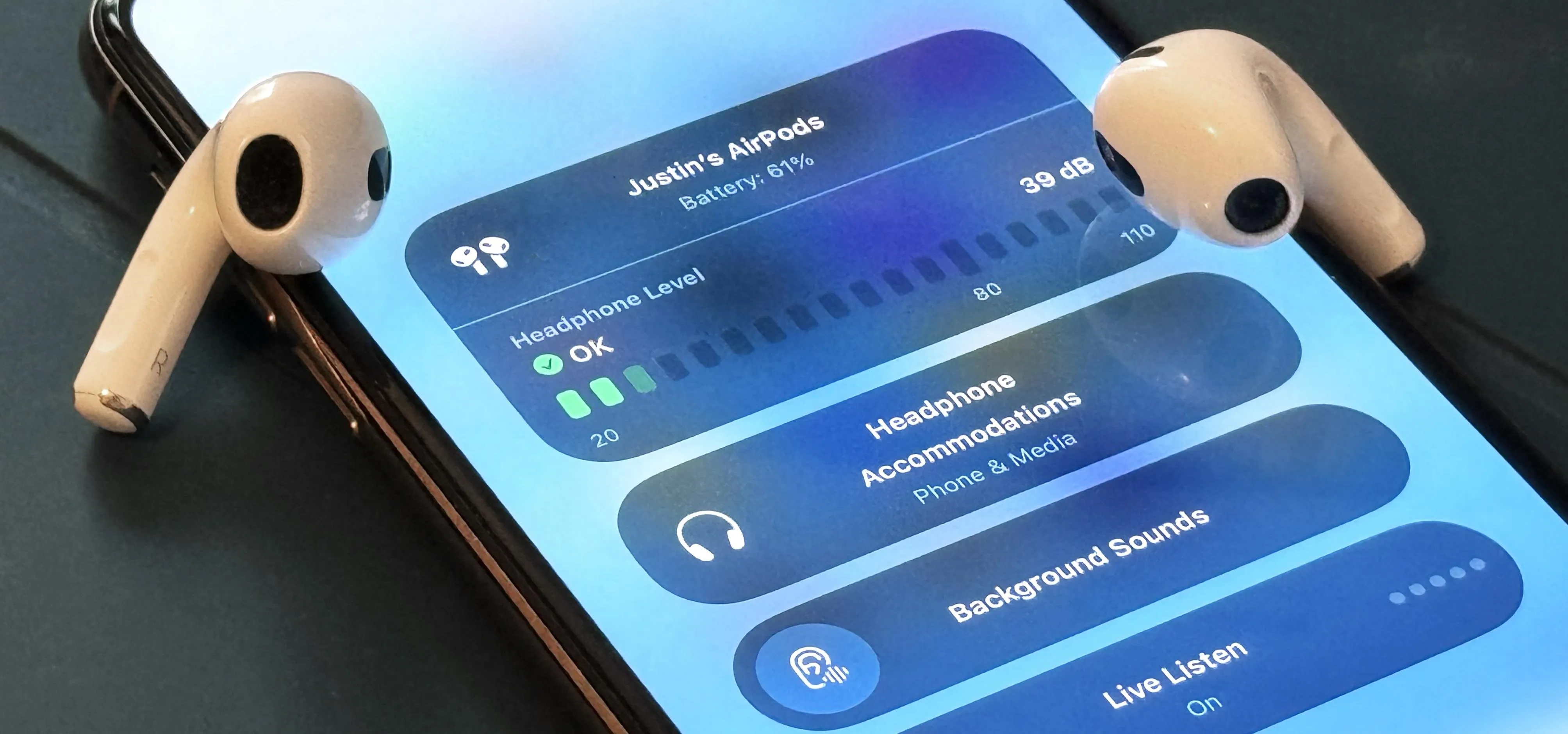
Can someone hear your conversations through Bluetooth without pairing?
Can someone hear your conversations through Bluetooth without pairing? With current, properly configured devices, listening without pairing is difficult because the audio link uses authentication and encryption. An attacker would generally need a software flaw, a weak implementation, or access to one of the devices.
Older Bluetooth security systems had more serious weaknesses. Some older pairing methods used short PINs or predictable codes. Devices that support only outdated Bluetooth standards may provide less protection than newer phones and headsets.
Even without pairing, someone might learn limited information. They could detect that Bluetooth devices are nearby, identify device types, or observe connection patterns. That is different from hearing the words in your conversation.
Bluetooth range and distance
Bluetooth range depends on the device class, antenna, power level, obstacles, and Bluetooth version. Many earbuds work across a room, while some newer products can reach farther in open areas.
A longer range may give an attacker more opportunity to attempt a connection, but distance alone does not defeat encryption. The person still needs a practical way to access the audio.
Walls, cars, furniture, and people can weaken radio signals. However, do not treat distance as a security control. Turning off Bluetooth is stronger than simply walking away from a possible attacker.
Can someone hear conversations through a car’s Bluetooth system?
A car’s Bluetooth system can carry phone audio, contacts, call records, and sometimes text notifications. If you pair your phone with a rental car or another person’s vehicle, some information may remain stored in the car.
Before returning a rental car, delete your phone from the system. Remove the paired profile, call history, contacts, and navigation data when the vehicle provides those options.
If someone has access to the car’s infotainment system, they may see past connection data. That does not automatically mean they can hear future conversations, but it can expose private information.
How to tell whether Bluetooth is being used to listen
There is no single sign that proves someone is hearing your calls through Bluetooth. Battery drain, static, or a dropped connection can happen for many harmless reasons.
Look for several warning signs together:
• An unknown device appears in your Bluetooth settings.
• Your phone connects to a device you do not recognize.
• Your headset activates when you are not using it.
• A microphone or call indicator appears unexpectedly.