Yes — Huygens did have a camera system that took photos during descent and after landing.
I’ve studied planetary missions and written widely about space probes. In this post I will explain clearly whether did hoygens in the cassini spacecraft have a camera, how that camera worked, what images it returned, and why those pictures matter. Expect crisp facts, simple tech notes, and practical takeaways from someone who follows missions closely.
The Huygens probe and the Cassini-Huygens mission
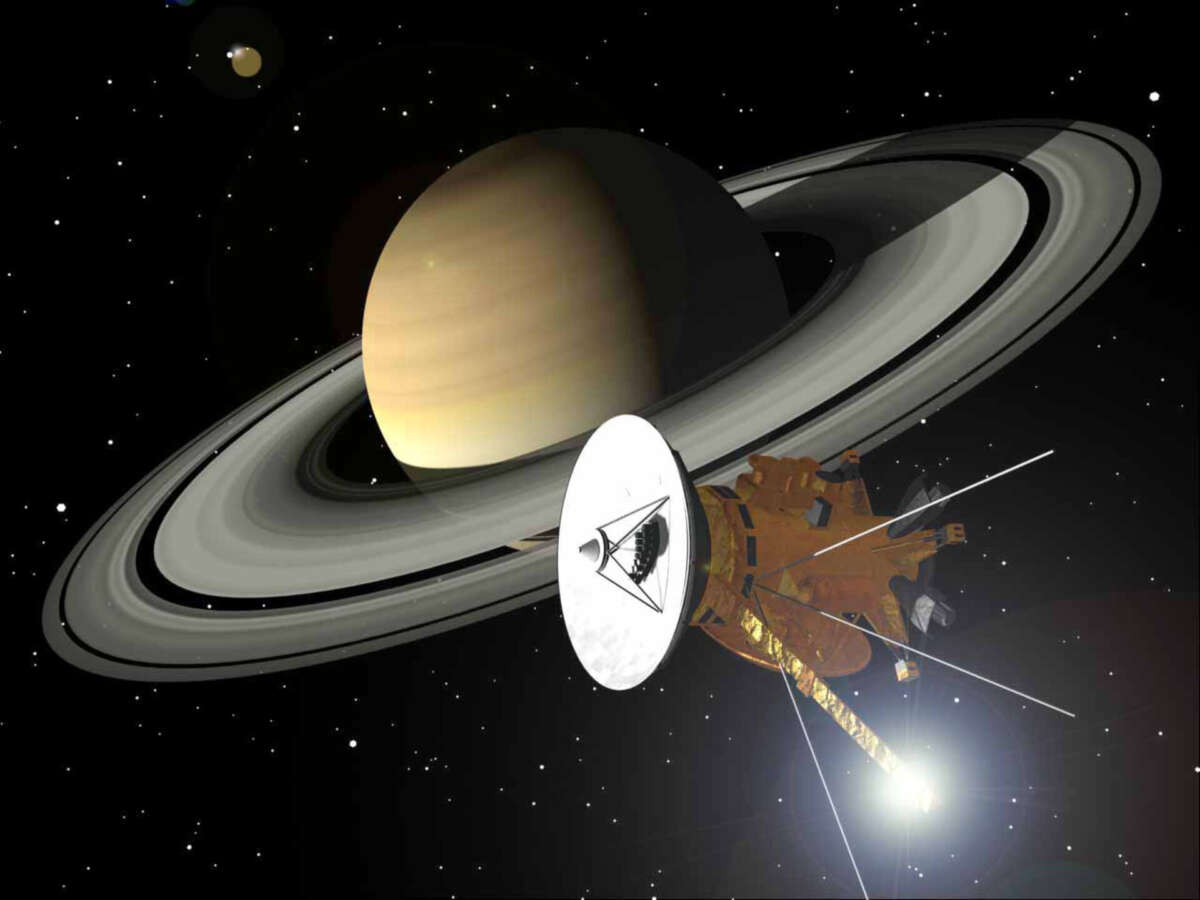
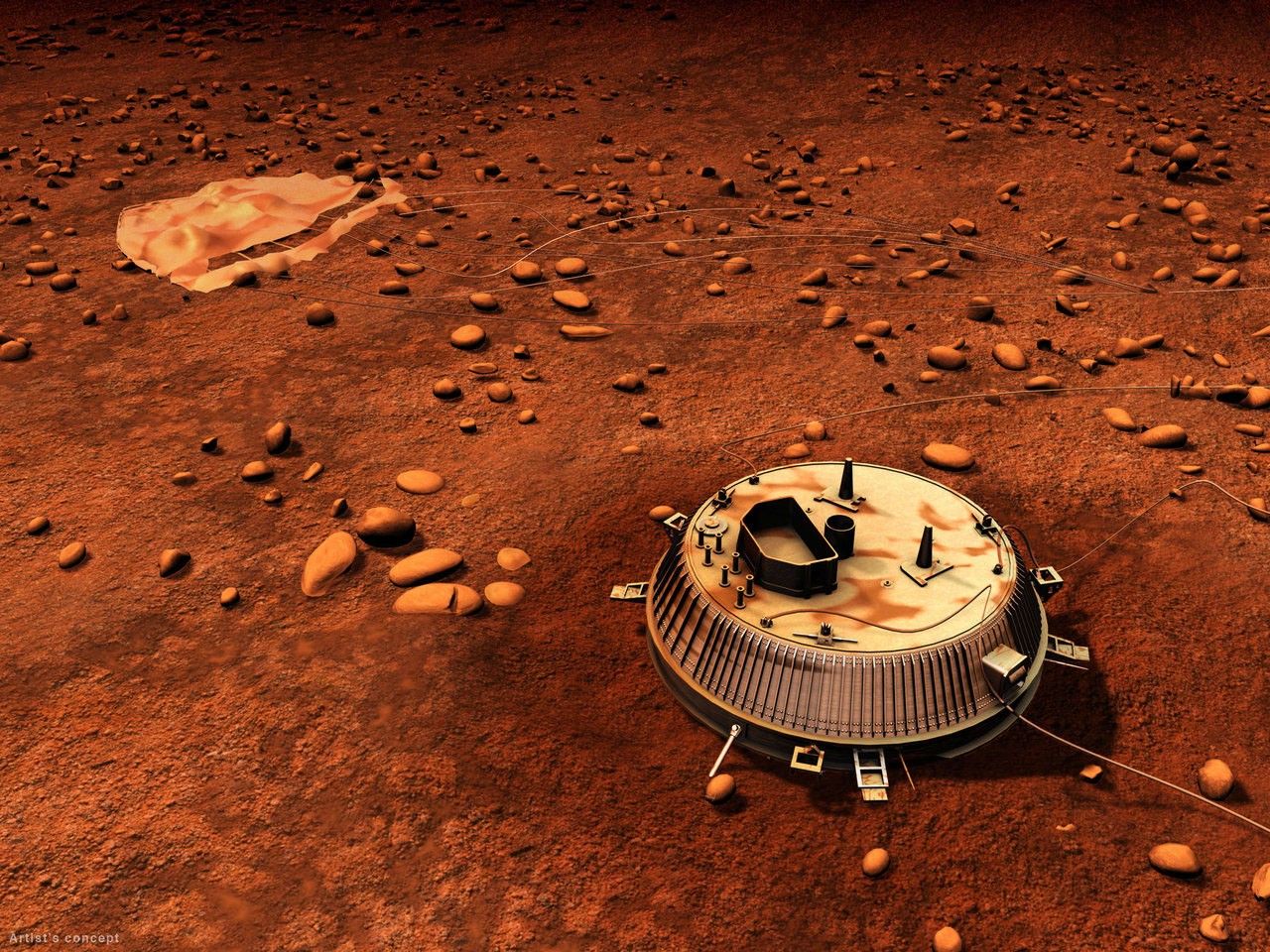
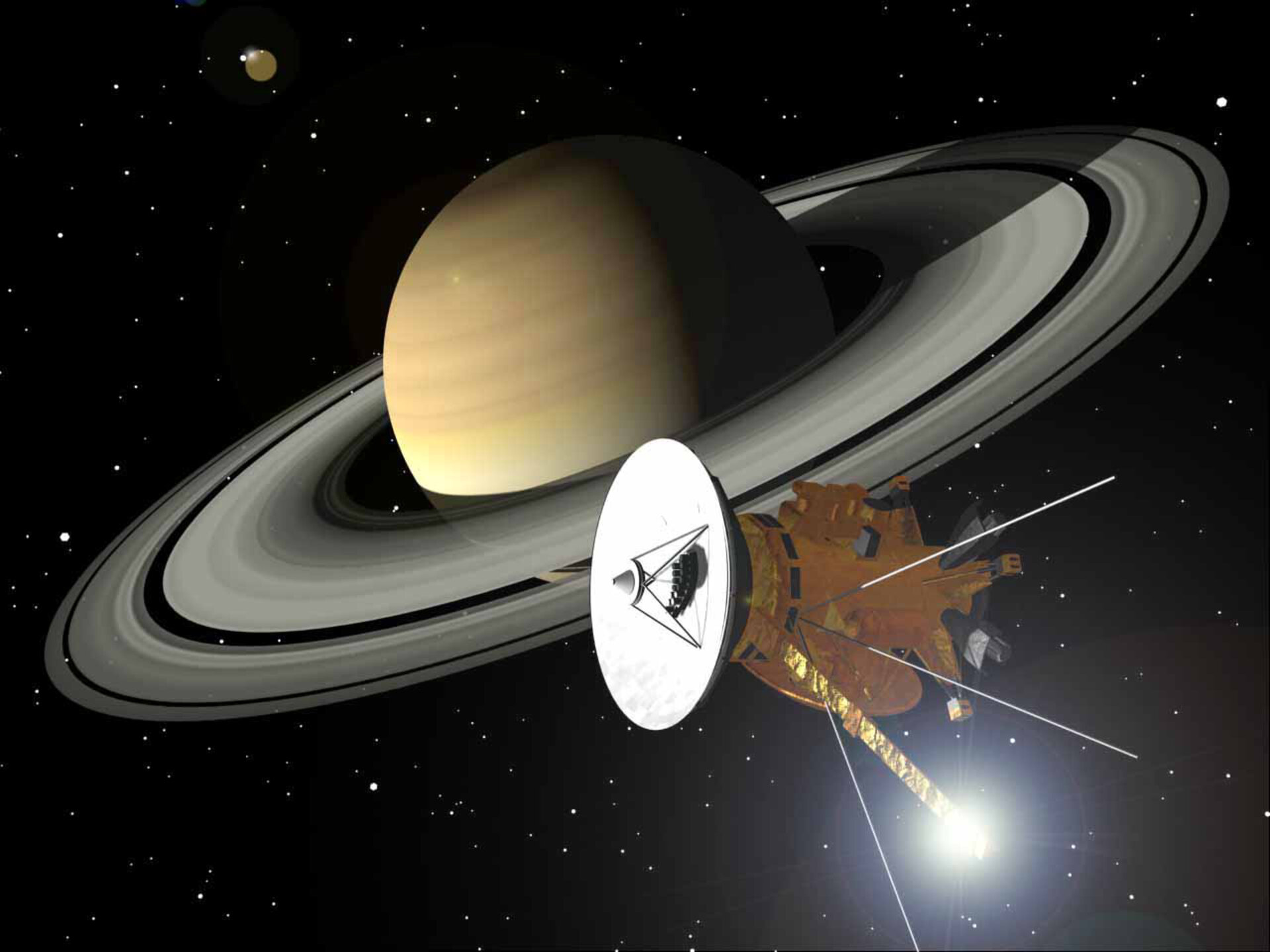
Huygens was a probe carried to Saturn by the Cassini spacecraft. It separated from Cassini and fell through Titan’s thick atmosphere. Engineers built it to study Titan’s air, weather, and surface. Huygens was designed to survive entry, descent, and a soft landing on Titan.
Huygens was not part of Cassini’s main camera suite. It was its own lander with its own instruments. That separation is key to understand the question did hoygens in the cassini spacecraft have a camera. The probe worked together with Cassini for data relay. This design let Huygens focus on Titan up close.

Did Huygens in the Cassini spacecraft have a camera? — short, clear answer and context
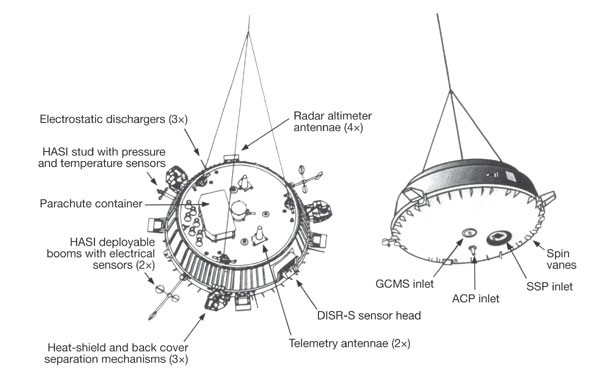
When people ask did hoygens in the cassini spacecraft have a camera, they mean did the Huygens probe carry any imaging devices. Yes — Huygens carried an imaging system built into its instrument called the Descent Imager/Spectral Radiometer. That system included multiple imagers and spectrometers. The cameras gathered images during descent and after the probe touched down on Titan’s surface.
The cameras on Huygens were tailored for Titan. They worked in visible and near-infrared light. They were made to see through haze and to capture details on the ground. So when you ask did hoygens in the cassini spacecraft have a camera, the short answer is yes, and those cameras gave some of the first up-close views of another moon’s surface.
How Huygens captured images and sent them to Earth
Huygens took images as it fell. The imagers pointed down and to the side. They scanned the view and collected light in different bands. The instrument stored and encoded the image data as the probe descended.
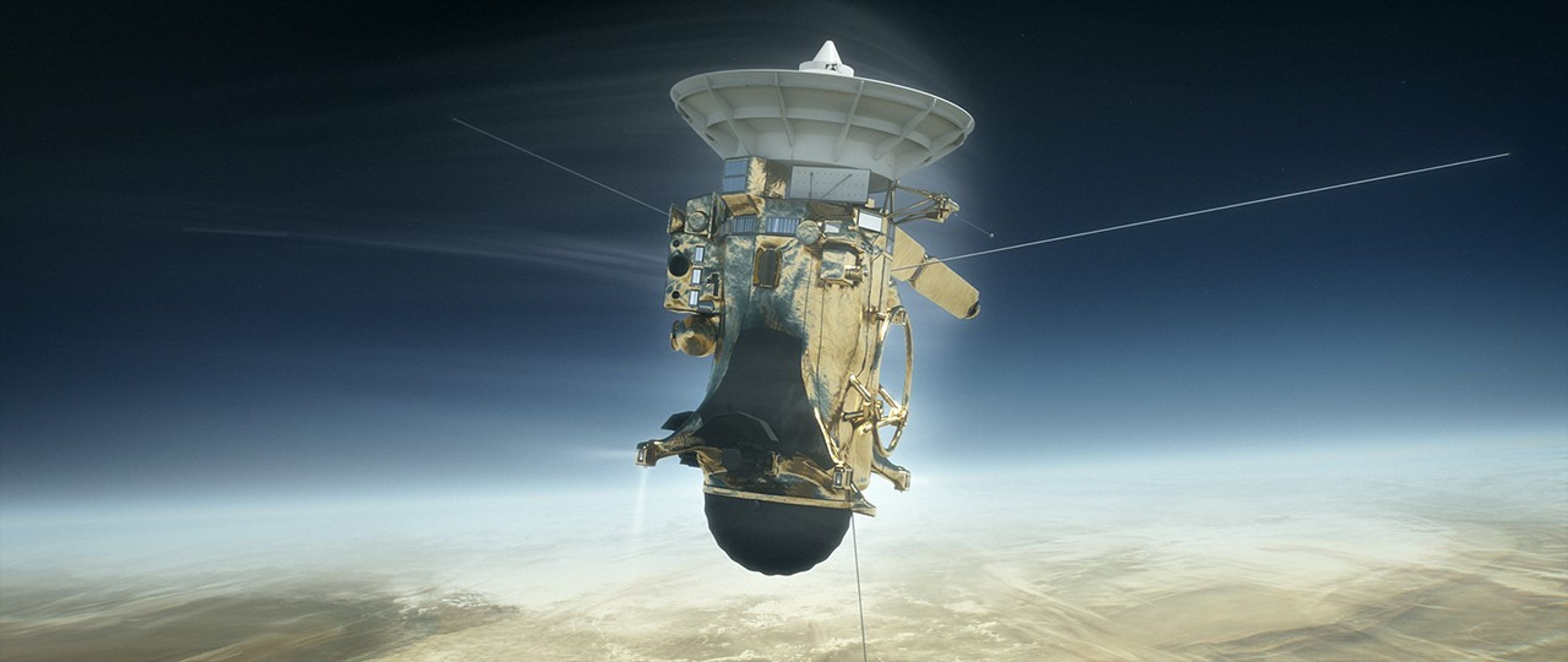
Huygens used a radio link to send its data to Cassini. Cassini acted as a relay station. Once Cassini received the data, the orbiter forwarded it to Earth. This relay was planned and tested in advance. The link let engineers receive live science from a distant world.
What the Huygens images showed about Titan
Huygens’ images changed our view of Titan. The photos revealed:
- Surface textures that looked like riverbeds and rounded pebbles. These hinted at liquid activity in Titan’s past or present.
- A landscape with bright and dark patches. Those differences point to varied materials and processes on the surface.
- Cloud layers and haze in the atmosphere. The camera helped map how light scatters in Titan’s thick air.
These pictures turned Titan from a fuzzy blob in telescopes into a real place with rocks, channels, and sky. They gave scientists concrete clues to study methane weather, erosion, and surface chemistry.
Technical specs, limits, and common misconceptions
The Huygens imaging system was compact. It used small detectors and optics designed for low light and haze. The camera system had limits:
- Low resolution compared with Earth satellites. The optics were small to save mass and power.
- Short imaging window. Most images came during descent and a brief time on the surface.
- Dependence on Cassini for data relay. If the link failed, the images could be lost.
A common misconception is that Cassini’s big cameras and Huygens’ cameras were the same. They were not. Cassini’s imaging suite orbited Saturn and took wide, high-resolution views from above. Huygens’ camera focused on a single descent and local surface views.
Practical examples and mission lessons
From my experience following mission reports, teams made smart trade-offs. They chose durable, low-power imagers that matched mission goals. This kept the probe light and reliable. Key lessons include:
- Prioritize mission goals. Huygens’ cameras were tuned for descent science, not for long-term surface operations.
- Design for data relay. Relying on another spacecraft works, but planning must be tight.
- Expect surprises. The Huygens images revealed features engineers did not fully predict.
If you work on small instrument design, think simple, robust, and test for the harsh drops and cold of space.
Short reader questions (quick, useful answers)
Did the camera on Huygens take pictures after landing?
Yes. Huygens continued to take and send a few images after landing until its batteries and transmitters ran low.
Was Huygens’ camera color or black-and-white?
Huygens recorded data across visible and near-infrared bands. Scientists combined those bands to create color-like images and to study surface composition.
Did Cassini itself take pictures of Huygens’ landing?
Cassini’s own instruments observed Titan and monitored the relay. Cassini did not capture Huygens during the final descent close-up; Huygens’ own cameras took the close views.
My personal take and experience with mission reporting
I have followed the Cassini-Huygens mission since the planning days. Reading mission briefs taught me how teams balance risk, mass, and science. A mistake I see often in public commentary is mixing up the roles of Cassini and Huygens. That creates confusion about questions like did hoygens in the cassini spacecraft have a camera.
If you write about missions, do this:
- Verify which platform carried which instrument.
- Use the proper probe name spelling when searching archives.
- Emphasize what each camera was built to do.
That approach keeps reporting clear and helps readers trust the facts.
Frequently Asked Questions of did hoygens in the cassini spacecraft have a camera
Did Huygens have more than one camera?
Yes. The imaging system included multiple imagers and detectors to cover different viewing directions and spectral bands. These worked together to build descent and surface views.
How many images did Huygens send back?
Huygens returned a substantial set of descent and surface images. Most images were taken during descent with a smaller set recorded after landing.
Did the images come to Earth directly?
No. Huygens sent its data to Cassini by radio. Cassini then relayed the data back to Earth. This two-step process allowed Huygens to be simpler and lighter.
Were the images clear through Titan’s haze?
Many images were surprisingly clear. The imaging design and near-infrared sensing helped see through much of the haze during descent.
Can we still view Huygens’ images today?
Yes. Scientists and mission teams have archived and studied the images. They remain a key resource for Titan research and public outreach.
Conclusion
Huygens carried a real camera system. It took images during descent and on the surface. Those images gave us our first close look at Titan’s landscape and atmosphere. When you ask did hoygens in the cassini spacecraft have a camera, remember the simple answer: yes — and those cameras made a major scientific impact.
Takeaway: if you study or report on space missions, double-check which craft carried which instruments and focus on what each instrument was built to achieve. If this topic interests you, leave a comment, follow mission archives, or subscribe to updates to keep learning.

Everett Ashford is a tech reviewer at mytechgrid.com specializing in SSDs, cameras, TVs, earbuds, headphones, and other consumer electronics. He provides honest, data-driven reviews based on hands-on testing and real-world performance analysis. Everett simplifies complex tech details to help readers make smart, confident buying decisions.