Usually, red light camera tickets do not add points, but state and city rules vary.
The answer to “do red light camera tickets go on your record” depends on what record you mean. A camera ticket may stay in a city payment system, yet never appear on your driving record, insurance report, or criminal history. This guide explains the key differences, how red light camera programs work, and what to check before you ignore or pay a notice.
What Is a Red Light Camera Ticket?
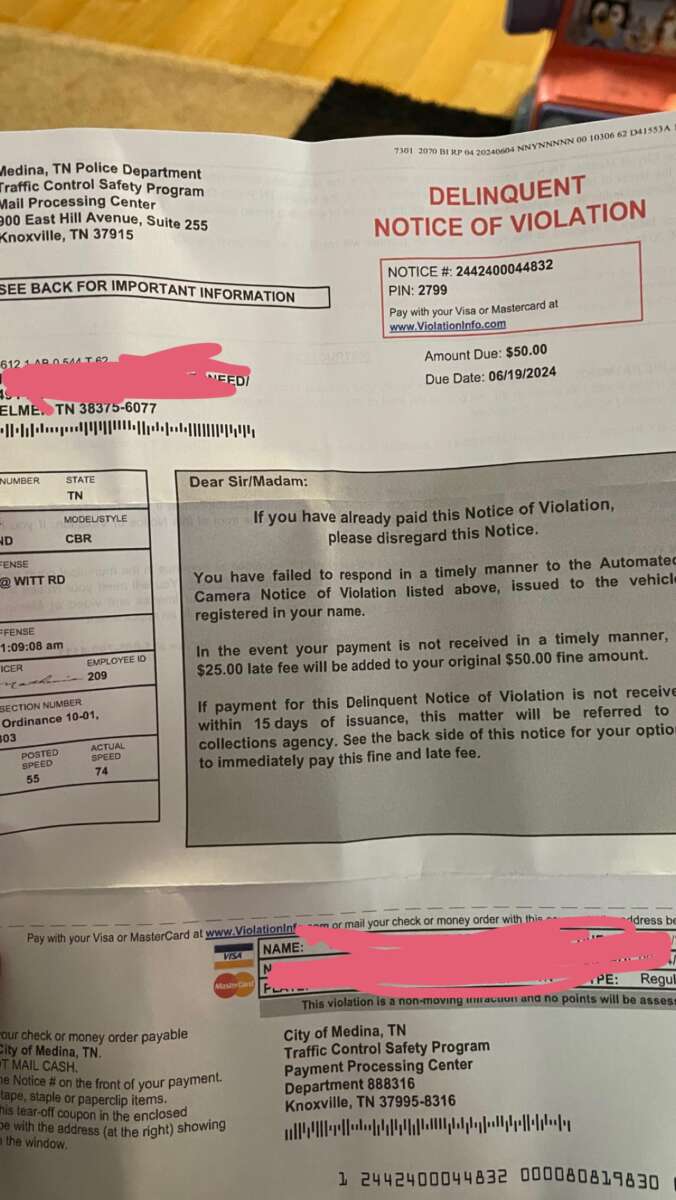
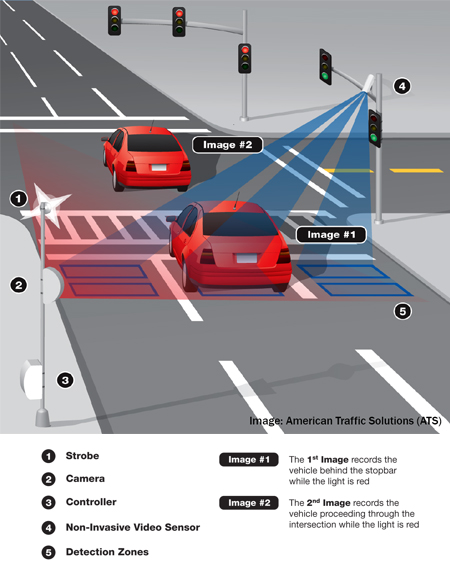
A red light camera ticket is a notice issued after an automated camera records a vehicle entering an intersection after the traffic signal turns red. The system may capture photos or video of:
• The vehicle’s license plate
• The traffic signal
• The lane and intersection
• The vehicle before and after the violation
• The time and date of the event
The ticket is often mailed to the registered vehicle owner. In many locations, the government does not need to identify the driver before sending the notice.
This is different from a ticket issued by a police officer during a traffic stop. An officer may cite a specific driver. A camera program may first hold the vehicle owner responsible under a local civil enforcement law.
That difference helps explain why people ask, “do red light camera tickets go on your record?” The ticket may be treated as a civil penalty rather than a moving violation.
Do Red Light Camera Tickets Go on Your Driving Record?
In many states and cities, red light camera tickets do not appear on a person’s official driving record. They often do not add points to a driver’s license because the ticket is linked to the vehicle owner and not proven against a specific driver.
However, this is not a nationwide rule. Each state creates its own traffic laws, and each city or county may operate its camera program under different rules.
A red light camera ticket is more likely to stay off your driving record when:
• It is classified as a civil violation
• The ticket is issued to the registered owner
• No license points are allowed under state law
• The violation is not reported to the state motor vehicle agency
• The ticket does not require a court conviction
A ticket may appear on your driving record when:
• State law treats it as a moving violation
• A court convicts you after a contested hearing
• You fail to respond and the court reports the matter
• You receive a separate officer-issued citation
• The violation involves more serious conduct, such as reckless driving
So, do red light camera tickets go on your record? Often, no. But you should confirm the rule in the state and city named on your notice.

What “Your Record” Can Mean
The phrase “your record” can refer to several different records. Understanding them prevents a lot of confusion.
Driving record
Your driving record is maintained by a state department of motor vehicles or similar agency. It may show convictions, license suspensions, points, and certain serious violations.
A civil camera ticket may not be added to this record. In some places, though, an unpaid ticket can lead to a registration hold or other DMV action without adding points.
Insurance record
Insurance companies review driving history when setting rates. A civil camera ticket may not affect your insurance if it is not reported as a moving violation.
Still, insurers use different data and rating rules. A red light camera ticket can matter if it becomes a reportable conviction or if repeated violations trigger a company’s internal review.
Court record
A ticket can create a court record even when it does not affect your driving record. For example, the city may record the citation, payment, hearing request, or judgment in its municipal system.
This record may be used to track unpaid fines. It is not the same as a criminal record.
Criminal record
Most red light camera tickets are civil matters, not crimes. They generally do not create a criminal record unless the case involves separate criminal conduct or a court process that leads to a criminal conviction under local law.
When asking, “do red light camera tickets go on your record,” always ask which record you mean. The answer can differ for each one.

Are Red Light Camera Tickets Moving Violations?
A moving violation usually involves unsafe driving while a vehicle is in motion. Examples include speeding, illegal turns, and running a red light in front of an officer.
Many camera programs use a different legal model. They issue a civil notice to the registered owner and impose a fine rather than license points. The law may say that the ticket is not considered a moving violation.
That classification matters because moving violations are more likely to affect:
• Driver’s license points
• Insurance premiums
• Commercial driver records
• Eligibility for driving jobs
• License suspension rules
Even when a camera ticket is civil, it remains a legal notice. You should not assume that “no points” means “no consequences.”
Some jurisdictions may add late fees, block vehicle registration renewal, send the debt to collections, or require a court appearance. The exact result depends on local law and the language on the notice.

Do Red Light Camera Tickets Affect Insurance?
Usually, a civil red light camera ticket does not raise insurance rates by itself. Most insurers focus on reportable violations and convictions that appear in a driver’s motor vehicle record.
A camera ticket may affect insurance if:
• It is treated as a moving violation
• It is reported to the DMV
• You are convicted after a hearing
• You receive other traffic violations
• Your insurer uses a broader risk database
• The ticket is connected to an accident claim
Insurance rules can change by state. Some insurers also have their own underwriting policies, so two drivers with similar tickets may see different outcomes.
A useful lesson from reviewing ticket problems is to avoid guessing based on what happened to a friend. One city may treat a red light camera notice as a civil fine, while a nearby city may use a different process.

What Happens If You Ignore a Red Light Camera Ticket?
Ignoring the notice can create problems even if the ticket does not add points. The first notice may show only the base fine, while later action can add fees or restrictions.
Possible consequences include:
• Late penalties
• A final administrative judgment
• Collection activity
• A registration renewal block
• A vehicle boot or tow in some cities
• A referral to a court
• A warrant in limited situations, depending on local law
Do red light camera tickets go on your record when you ignore them? The original ticket may still stay off your driving record, but the unpaid balance or court action may create a separate record.
Read the notice carefully. Look for the response deadline, payment options, hearing instructions, evidence review process, and warnings about late action.
Do not assume that moving to another state makes the problem disappear. Registration systems and collection rules differ, but an unpaid citation can remain active for years.
How to Check Whether a Ticket Was Reported
You can usually check the ticket’s effect through three sources: the issuing authority, your state motor vehicle agency, and your insurance company.
Follow these steps:
- Read the violation notice and identify whether it says “civil,” “traffic,” or “moving violation.”
- Check whether the notice lists license points.
- Review your state DMV driving record.
- Ask the issuing city whether it reports camera violations to the DMV.
- Review your insurance policy or contact your insurer.
- Confirm whether the ticket is paid, dismissed, pending, or in collections.
When requesting a DMV record, ask for the official driver history rather than a vehicle registration record. These are different documents.
You can also ask the camera program a direct question: “Will this citation be reported to my state driving record or insurance reporting system?” Request the answer in writing when possible.
This practical check is more reliable than online comments because laws and programs change. A camera system may be removed, renewed, or redesigned after a local law changes.

Can You Fight a Red Light Camera Ticket?
In many jurisdictions, you have the right to contest a red light camera ticket. The ticket should explain how to request a hearing or submit a review.
Common defenses may include:
• You were not the driver
• The vehicle or plate was stolen
• The image is unclear
• The signal equipment was not working properly
• The vehicle crossed the stop line legally
• You were making a permitted turn
• The notice was sent to the wrong owner
• An emergency forced the movement
• The ticket was issued outside the legal time limit
Evidence may include photographs, repair records, a police report, toll records, witness statements, or proof that the vehicle was sold before the violation.
Do not claim that someone else was driving unless the statement is truthful. False information can create a problem that is far more serious than the original fine.
Before contesting the ticket, compare the fine with the time and risk involved. If the case could affect your license, job, commercial driving status, or insurance, consider speaking with a licensed traffic attorney in your state.
How Red Light Camera Evidence Works
Camera evidence usually includes more than one image. A program may capture the vehicle approaching the intersection, the signal showing red, and the vehicle crossing the stop line.
The most important details to review are:
• When the light turned red
• When the vehicle crossed the stop line
• Whether the vehicle stopped before entering
• Whether the plate matches your vehicle
• Whether warning signs were posted
• Whether the camera was approved and tested
• Whether the notice was mailed on time
A vehicle may legally enter an intersection on a yellow light and complete a turn after the signal changes, depending on state law. The key issue is often when the vehicle crossed the stop line, not when it left the intersection.
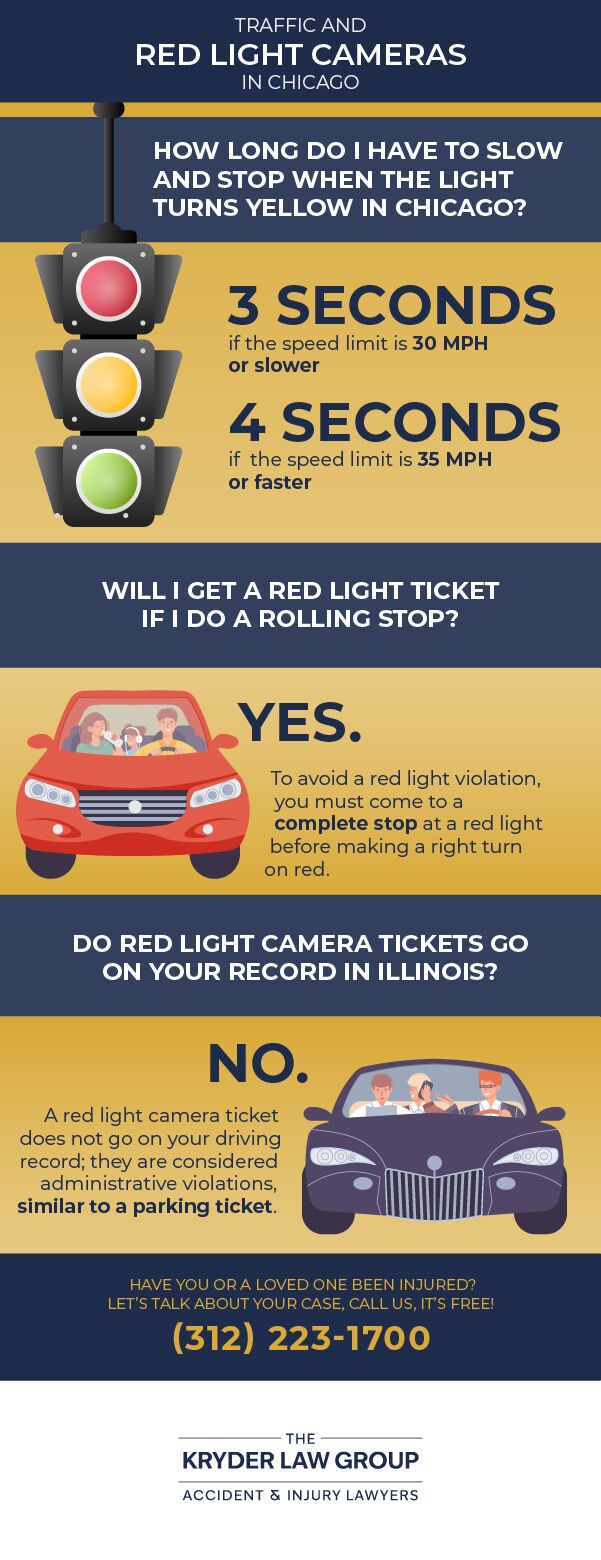
A right turn on red creates another common question. Drivers usually must stop fully first and yield as required. Rolling through the turn can still lead to a citation where the local law permits camera enforcement.
Red Light Camera Tickets and Commercial Drivers
Commercial drivers should take extra care. A civil camera ticket may not affect a standard personal driving record, but commercial motor vehicle rules can be more complex.
A commercial driver should check:
• Whether the ticket is classified as a moving violation
• Whether it is reported to the commercial driver information system
• Whether the employer requires disclosure
• Whether the driver was operating a commercial vehicle
• Whether the ticket involved a court conviction
Do red light camera tickets go on your record if you hold a commercial driver’s license? Sometimes they do, depending on the violation type and reporting rules. The safest step is to ask the state licensing agency and review the employer’s reporting policy.
Do not rely only on the fact that a ticket is called a “camera ticket.” The legal classification controls.
Common Mistakes to Avoid
A small mistake can turn a manageable citation into a costly problem. These are the errors I most often see people make when dealing with automated traffic notices.
• Throwing away the notice because no officer stopped you
• Missing the response deadline
• Paying without checking whether payment counts as an admission
• Assuming every camera ticket is harmless
• Ignoring a registration hold
• Giving false information about the driver
• Failing to save payment or dismissal proof
• Waiting until renewal time to check the ticket status
Keep a copy of the notice, payment receipt, hearing request, and final decision. Digital records are helpful, but a printed copy can be useful if a system later shows the wrong status.
If you sold the vehicle, moved, or changed your address, update your records quickly. A notice sent to an old address may still lead to penalties if the law considers service complete.
How State Laws Change the Answer
There is no single national rule for red light camera tickets. States decide whether automated enforcement is allowed, while cities and counties often set program details within state limits.
Rules may differ on:
• Whether cameras are legal
• Which intersections may use them
• The length of the yellow light
• The amount of the fine
• Whether the ticket is civil or criminal
• Whether license points apply
• Whether registration renewal can be blocked
• How owners can contest the ticket
Some states limit camera programs to certain cities. Others prohibit them or allow them only under strict conditions.
Because laws change, use the current information on the official city, county, court, or state DMV website. If the ticket involves a large fine, license issue, or court hearing, local legal advice can help you understand the risk.
Frequently Asked Questions About Do Red Light Camera Tickets Go on Your Record
Do red light camera tickets add points to your license?
Most civil red light camera tickets do not add points. Some states may treat them as reportable moving violations, so check the law and notice for your location.
Do red light camera tickets raise insurance rates?
Usually, a civil camera ticket does not raise insurance rates. It may affect premiums if it becomes a reportable conviction or appears in the insurer’s driving history data.
Can a red light camera ticket create a criminal record?
Most red light camera tickets are civil penalties, so they do not create a criminal record. Separate criminal conduct or a different charge could change that result.
What happens if I do not pay a red light camera ticket?
You may face late fees, collections, a registration hold, or court action. The ticket may not add license points, but ignoring it can still create financial and administrative problems.
Can I contest a red light camera ticket?
Yes, many programs allow a hearing or written review. Follow the instructions and deadline on the notice, and provide truthful evidence that supports your defense.
Does paying the ticket put it on my driving record?
Payment often closes a civil citation without adding points or a driving-record entry. However, local rules may treat payment as a resolved violation or report it in a different way.
Do red light camera tickets affect a commercial driver’s license?
They may, depending on the state, the ticket classification, and whether the violation is reported. Commercial drivers should check both state rules and employer reporting requirements.
Conclusion
So, do red light camera tickets go on your record? In many places, they do not appear on your driving record, do not add points, and do not raise insurance rates because they are civil tickets tied to the vehicle owner.
That is not a guarantee. Local law may allow registration penalties, court reporting, collections, or a different treatment after a hearing or conviction. Read the notice, confirm the rules with the issuing authority, and respond before the deadline.
Take a few minutes to check your DMV record and ticket status. For more help with traffic laws and driver records, explore your state’s official transportation resources or speak with a qualified local attorney.

Everett Ashford is a tech reviewer at mytechgrid.com specializing in SSDs, cameras, TVs, earbuds, headphones, and other consumer electronics. He provides honest, data-driven reviews based on hands-on testing and real-world performance analysis. Everett simplifies complex tech details to help readers make smart, confident buying decisions.